
Home › Blog › Experiences for families and kids
Activities for Toddlers in Vietnam in December
By the Cáo Experiences team · 2026-11-06
December is ideal for toddler activities across Vietnam: temperatures drop to 15–22°C, humidity eases, and schedules align with school holidays. At Cáo Experiences, we host family-friendly cooking classes, farm days, and craft workshops in Hanoi, Da Lat, Hoi An, and Da Nang—most 2–3 hours, outdoors or in covered kitchens. Toddlers learn by doing: kneading dough, picking vegetables, arranging flowers, or riding gentle horses—not sitting still. We adapt every session for attention spans (expect 30–40 minute focus windows), manage sensory sensitivities, provide step stools and hand-washing stations, and pause for snacks. No experience needed; we guide parents and caregivers step-by-step. Weather in December is stable, but we have indoor backup plans for rare rain. Ask us for dates and a quote on WhatsApp to find a session that fits your child's age and interests. Ask about dates on WhatsApp
Why December is the best month for toddlers outdoors in Vietnam
December's cooler temperatures (15–22°C in the north, 20–28°C in the south) mean toddlers don't overheat or lose interest in afternoon sun. Humidity drops sharply compared to summer and autumn. Children stay alert longer, eat better, and sleep more predictably. We've noticed toddlers engage deeper in sensory activities—dough-kneading, mud play on farms, flower touching—when they're comfortable. Avoid June–August if possible; the heat exhausts young children fast.
Conclusion: December's climate is the single biggest advantage for extended outdoor learning with toddlers in Vietnam.

What toddlers actually learn in hands-on experiences vs. sitting still
Toddlers aged 18 months to 5 learn through touch, taste, and movement—not instruction. In a Vietnamese cooking class, a 2-year-old kneads dough for banh chung (sticky rice cake), feeling textures and pressing with palms. A 4-year-old tears herbs, pours (with your hand guiding), and eats what they made—building ownership. On a farm and countryside experience, toddlers dig soil, pick greens, carry small baskets. They remember these tasks; classroom videos fade fast. Craft workshops—folding paper hats, painting water-puppets—develop fine motor skills while producing something tangible to take home. The key: every step is short and repeatable. Attention spans of toddlers are 15–20 minutes per task; we rotate between 3–4 activities in a 2-hour session, so engagement stays high and boredom stays low.
Conclusion: Hands-on, multi-activity sessions suit toddler neurology far better than single-focus sit-down classes.
How we adapt for different ages, allergies, and rain
Our family experiences accommodate 18-month-olds through 12-year-olds in the same session, with role flexibility:
| Age | Role | Attention span | Adaptation |
|---|---|---|---|
| 18–24 months | Sensory explorer | 10–15 min | Step stool, soft textures, water play, one caregiver per child |
| 2–3 years | Mini helper | 15–20 min | Simple repetitive tasks (stirring, tearing), praise-heavy, snack breaks |
| 4–5 years | Co-cook/gardener | 20–30 min | Responsibility (measuring, naming), longer explanations, peer interaction |
Allergies: We ask about nut, shellfish, egg, soy, and dairy sensitivities at booking. We have alternative ingredients (coconut milk, tamari, plant-based). We never force tasting; kids watch, touch, smell if they choose. Rain: Indoor backup kitchens are covered or fully enclosed. Farm days move under pavilions—kids still dig soil, just with a roof. Flower arranging works identically indoors. Craft workshops need no weather adjustment.
Conclusion: Small-group size (maximum 8 families per session) lets us genuinely customize for each child's needs.
Where to find the best toddler-friendly sessions across Vietnam
Cáo Experiences runs sessions in four regions:
- Hanoi: Family and kids experiences in the old quarter and nearby villages; cooking, crafts, tea-tasting (kids sip cool jasmine); farm half-days outside the city.
- Da Lat: Mountain countryside and farm days; cool air (12–18°C in December), vegetable picking, strawberry patches, pine forests—natural wonder keeps toddlers mesmerized.
- Hoi An: Ancient-town craft and cooking; lantern-making, noodle-rolling, river walks; walkable cobblestone lanes, fewer motorbikes than Hanoi.
- Da Nang / surrounds: Beach and mountain mix; shorter farm sessions, horse rides at walk-pace for confident toddlers (4–5 years), seafood noodle classes.
Each region has specific December advantages. Hanoi is busier but cultural. Da Lat is quietest and coolest. Hoi An is Instagram-friendly and laid-back. Da Nang suits families wanting outdoor variety. Availability varies by week; book early if traveling during school holidays (mid-December onwards).
Conclusion: Pick your region based on toddler temperament (cultural immersion vs. nature focus) and family schedule.
Red flags to avoid: what makes toddler activities fail
- Back-to-back 2-hour sessions without breaks: toddlers crash hard mid-morning and mid-afternoon. Single 2-hour blocks work; double days don't.
- Loud, chaotic commercial tour groups: toddlers get overwhelmed by stranger noise. Small-group caps (ours: max 8 families) prevent this.
- Uneven ground or long walking distances: 18–3-year-olds tire fast. Our sites are flat or have seating every 50 meters.
- Pressure to taste or perform: picky eaters shut down if forced. We model eating; kids eat if they want.
- No caregiver-to-child ratio: one adult with two toddlers is chaos in a cooking class with hot pans. We recommend 1:1 for under-3s, 1:2 for 4–5s.
- Booking rigid, fixed-date-only experiences: if your child is unwell or sleep-deprived, a non-flexible booking adds stress. We reschedule via WhatsApp with notice.
Conclusion: Flexibility, small groups, and age-appropriate pacing separate memory-making from exhaustion.
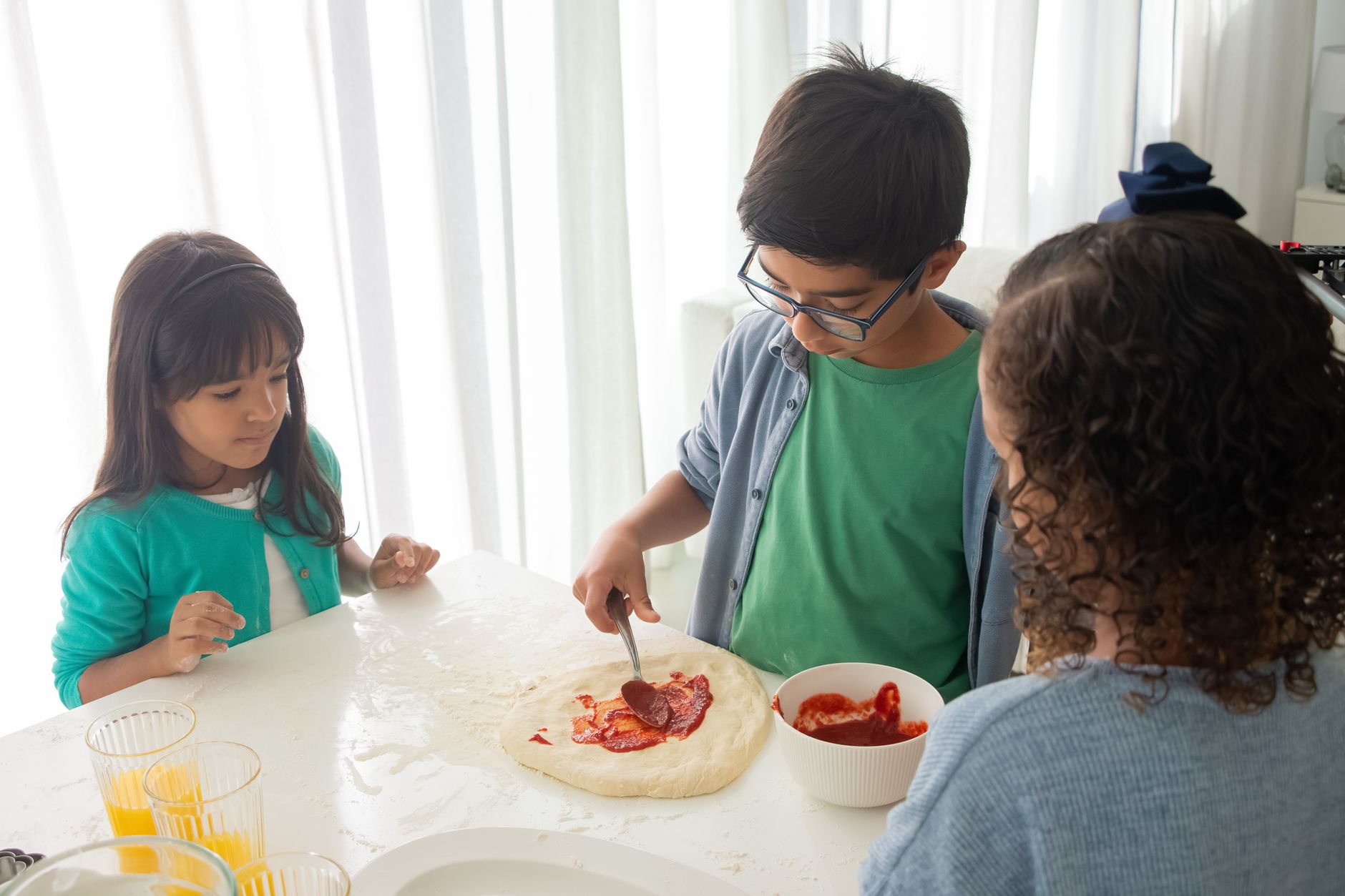
Step-by-step: what a typical 2-hour toddler cooking or farm session looks like
0:00–0:10 — Arrival & settling. Caregivers arrive, kids explore the space (kitchen or farm area). We show bathrooms, water, and snack station. Shoe-off moment; kids feel ownership. No rush.
0:10–0:35 — First activity (25 min). Hands-on: rolling dough, tearing herbs, or digging soil. We demonstrate, then step back. Your child leads. We offer help, not direction. Siblings or caregivers can do the same task nearby (modeling, not competing).
0:35–0:45 — Snack & water break. Fresh fruit, water, toilet. Energy reset. Kids chat, parents breathe.
0:45–1:15 — Second activity (30 min). Craft or cooking-adjacent: arranging flowers into a vase they'll take home, painting a paper hat, or helping assemble what they made into a dish for lunch. Ownership moment: "You did this."
1:15–1:25 — Transition & tasting. If a dish was cooked, it cools slightly while kids wash hands. We plate up. "Try what you made" is a suggestion, not a rule. Picky kids eat their own snack; all kids sit together.
1:25–2:00 — Eating, playing, and wind-down. Kids eat, run laps around the space (if safe), parents relax. Photos, goodbyes. No rushing; late pickups are fine within reason.
Weather contingency: If rain, cooking moves indoors; farms move under pavilions. Farm digging and sensory play still happen—just with a roof.
Conclusion: Rhythm, short tasks, and built-in breaks prevent meltdowns and maximize memory.
How to prepare your toddler for a hands-on experience in Vietnam
- Sleep and hunger first. A well-rested, fed toddler is a willing toddler. Avoid sessions after early wake-ups or skipped naps.
- Dress for mess. Bring a change of clothes. Dirt, water, and sticky fingers are the point. We have aprons; bring a bag for wet clothes.
- Mention it casually the night before. "Tomorrow we roll noodles together." Young kids don't anticipate well; brief, matter-of-fact language works best.
- Bring a comfort item (optional). A favorite toy or stuffed animal is not "babyish"; it's a ground anchor in a new place. We don't mind.
- Plan a low-key afternoon after. Sessions are stimulating. Expect a quiet, possibly early bedtime. Don't book a night market tour immediately after.
Conclusion: Preparation isn't about managing behavior; it's about setting conditions where curiosity wins.
What to check before you book
- Child's age and any sensitivities or allergies. We ask at booking; be specific (sesame, shellfish, egg, dairy, nuts, sensory sensitivities like loud noise).
- Caregiver ratio. How many adults are coming? We recommend 1 adult per toddler under 3; 1 adult per 2 kids aged 4–5.
- Session time. Morning or early afternoon? Toddler energy peaks 9–11am and 2–4pm; midday crashes are real.
- Indoor vs. outdoor preference in December. Both are great; know your child's comfort (some kids love sun; others overstimulate outdoors in unfamiliar places).
- Advance notice of dietary needs. If vegetarian, vegan, or allergy-heavy, tell us; we source ingredients ahead.
- Photo/privacy preferences. We may photograph sessions for our stories; let us know if you prefer not to appear.
Next steps: book a session that fits your family
Family experiences run year-round; December slots fill early due to school holidays. We coordinate entirely via WhatsApp—flexibility, zero pressure.
You'll tell us:
- Which region (Hanoi, Da Lat, Hoi An, Da Nang).
- Toddler ages and any dietary/sensory needs.
- Preferred week in December.
- Whether you want cooking, farm, craft, or a mix.
We'll send available dates, a short description of how that session runs, and logistics (what to wear, where to meet, what to bring). You confirm; we send WhatsApp reminders 2 days before.

FAQ
Are toddlers too young to "learn" from hands-on cooking or farm activities?
No. Toddlers aged 18 months+ learn through sensory play and repetition, not instruction. Kneading dough, touching soil, or tasting what they made builds memory, fine motor skills, and confidence. They won't remember the recipe; they'll remember the feeling of doing it with you.
What if my toddler refuses to participate or gets upset?
That's normal and okay. We never force participation. Your child can watch, sit with you, or play nearby; some kids warm up mid-session. If genuinely distressed, we pause or reschedule—no judgment. Pressure ruins experiences; patience allows them to unfold.
Is December weather actually safe for toddlers outdoors in Vietnam?
Yes, December is the safest month. Temperatures are cool (15–22°C north, 20–28°C south), humidity is low, and rainfall is rare. Toddlers don't overheat, stay alert longer, and sleep better. Avoid June–August; heat exhaustion is a real risk with young children.
How do I know which region (Hanoi, Da Lat, Hoi An, Da Nang) is best for my toddler?
Hanoi suits cultural immersion and varied activities (cooking, crafts, markets). Da Lat is coolest and quietest, ideal for nature-loving kids. Hoi An is picturesque and walkable, good for families wanting charm without chaos. Da Nang offers outdoor variety (farms, short rides). Pick based on your travel itinerary and child's temperament.
What happens if it rains on the day of the session?
Our kitchens are covered or fully indoors; cooking sessions proceed unchanged. Farm days move under pavilions—digging and sensory play still happen, just dry. Flower arranging and crafts need no weather adjustment. We rarely reschedule for rain in December.
How far in advance should I book, and can I reschedule if my child is unwell?
Book 2–3 weeks ahead, especially mid-December (school holidays). We understand toddlers get sick. WhatsApp us if you need to move dates; we reschedule with notice. No cancellation fees; flexibility is built in.
Ask about dates
Tell us the city, your dates and what you would like to try. We reply on WhatsApp in English with options and availability.
FAQ
Are toddlers too young to "learn" from hands-on cooking or farm activities?
No. Toddlers aged 18 months+ learn through sensory play and repetition, not instruction. Kneading dough, touching soil, or tasting what they made builds memory, fine motor skills, and confidence. They won't remember the recipe; they'll remember the feeling of doing it with you.
What if my toddler refuses to participate or gets upset?
That's normal and okay. We never force participation. Your child can watch, sit with you, or play nearby; some kids warm up mid-session. If genuinely distressed, we pause or reschedule—no judgment. Pressure ruins experiences; patience allows them to unfold.
Is December weather actually safe for toddlers outdoors in Vietnam?
Yes, December is the safest month. Temperatures are cool (15–22°C north, 20–28°C south), humidity is low, and rainfall is rare. Toddlers don't overheat, stay alert longer, and sleep better. Avoid June–August; heat exhaustion is a real risk with young children.
How do I know which region (Hanoi, Da Lat, Hoi An, Da Nang) is best for my toddler?
Hanoi suits cultural immersion and varied activities (cooking, crafts, markets). Da Lat is coolest and quietest, ideal for nature-loving kids. Hoi An is picturesque and walkable, good for families wanting charm without chaos. Da Nang offers outdoor variety (farms, short rides). Pick based on your travel itinerary and child's temperament.
What happens if it rains on the day of the session?
Our kitchens are covered or fully indoors; cooking sessions proceed unchanged. Farm days move under pavilions—digging and sensory play still happen, just dry. Flower arranging and crafts need no weather adjustment. We rarely reschedule for rain in December.
How far in advance should I book, and can I reschedule if my child is unwell?
Book 2–3 weeks ahead, especially mid-December (school holidays). We understand toddlers get sick. WhatsApp us if you need to move dates; we reschedule with notice. No cancellation fees; flexibility is built in.
More like this
Experiences for families and kids
Family workshop Vietnam vs Thailand: where to take kids in 2026
Vietnam and Thailand both offer immersive family workshops, but the pace, cost structure, and focus differ significantly. We run both types of sessions at Cáo Experiences and can help you choose.
Experiences for families and kids
Family Workshop Vietnam Gift Voucher: What Works Best
A family workshop gift voucher in Vietnam lets relatives experience cooking, craft, horse riding or tea together—no tickets, no queues, real hands-on time. We help you pick the right session type and duration for the ages and interests in your group.
Experiences for families and kids
Family workshops in Vietnam for Indian travelers: what to expect
Indian families visiting Vietnam often wonder how to keep children engaged and learn something authentic together. Cáo Experiences runs small-group and private workshops—cooking, coffee, flower arranging, craft, and farm days—designed for kids, parents, and grandparents, hosted in English with real