
Home › Blog › Experiences for families and kids
Activities for Toddlers in Vietnam: Japanese Family Guide
By the Cáo Experiences team · 2026-11-06
Toddler activities in Vietnam through Cáo Experiences focus on sensory learning: cooking classes where children knead dough and taste fresh herbs, farm days where they feed animals and dig soil, flower arranging with large, safe flowers, and craft workshops with non-toxic paints. Sessions run 2–3 hours, hosted in English, with flexible start times and frequent breaks. We adapt every class for toddlers by shortening instructions, offering snacks and water, reducing group size, and letting kids move freely. We welcome families with picky eaters, nap schedules and language concerns; ask us on WhatsApp for custom timing and what to bring for your child's comfort. Ask about dates on WhatsApp
Why Toddler-Focused Experiences Differ from Adult Classes
Do toddlers sit through long demonstrations? No. Unlike adult cooking or craft workshops, our toddler sessions are designed around short attention spans and movement. We break learning into 15–20 minute blocks: five minutes of listening, ten minutes of hands-on play, five minutes of tasting or showing. A two-year-old won't follow a 45-minute flower-arranging tutorial, but will happily push stems into foam for ten minutes, then sniff blooms and run between stations. We pair shorter activities with sensory rewards—touching soil, tasting their own dough, hearing animal sounds. Group size stays small (2–4 toddlers per session) so our hosts can crouch at child level, repeat instructions in simple English, and redirect without frustration. Japanese families often ask if we can slow down or repeat steps; we always can.
Explore family experiences that match toddler energy and learning styles.
Which Activities Work Best for Ages 2–5?
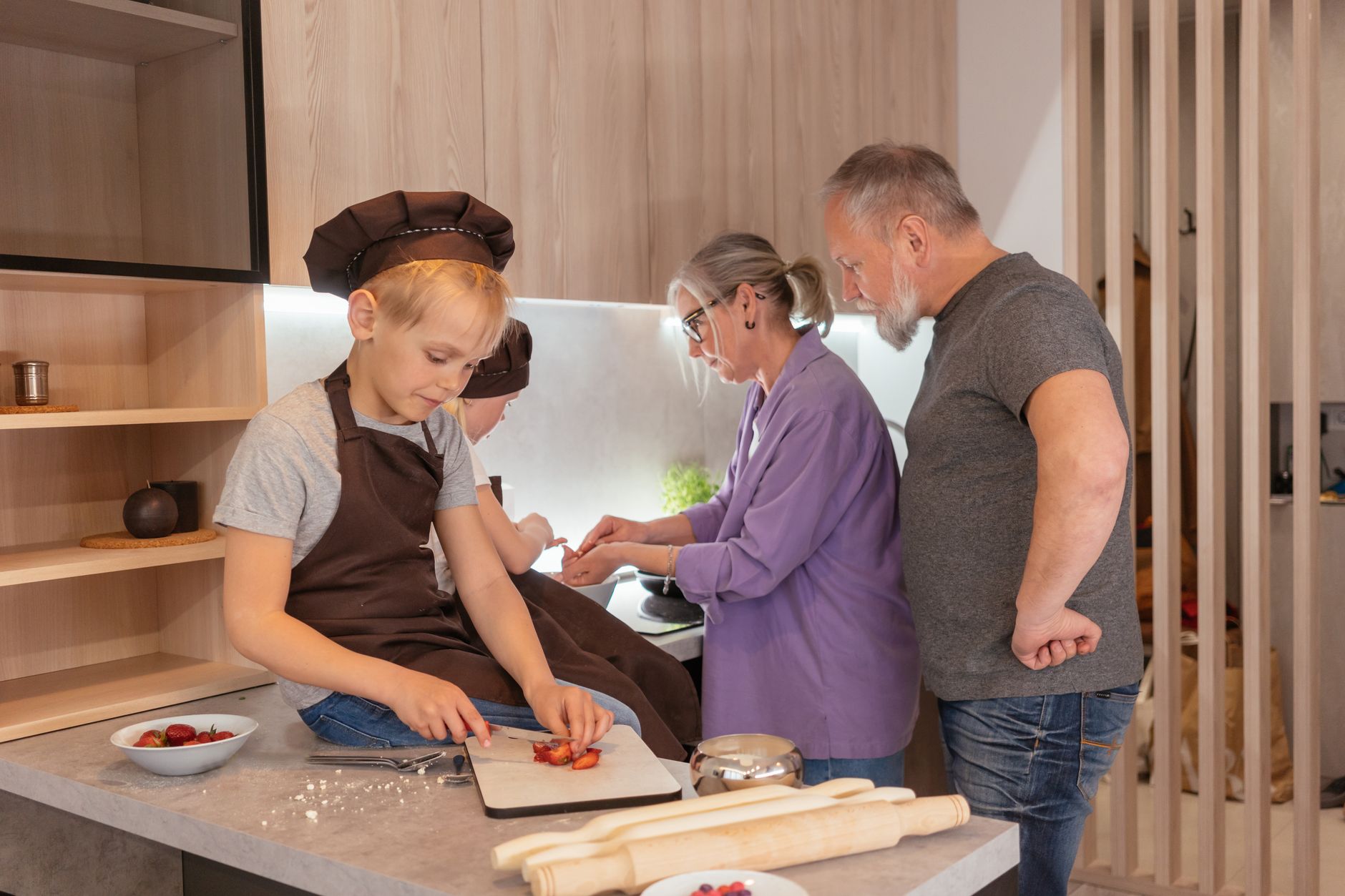
Toddlers learn through touch, taste, smell and movement, not abstract instruction. A farm experience lets a child hold a chicken egg, pat a goat and dig real soil with a small shovel—instant joy and memory. Farm and countryside experiences suit ages 2 and up because animals and outdoor space naturally hold attention. Cooking classes work well for ages 3–5: children can stir, tear herbs (large leaves only), watch noodles boil and taste the result. We avoid raw fish, hot stoves near small hands, and complex knife skills. Vietnamese cooking class sessions with toddlers focus on simple dishes: fresh rolls with safe, soft ingredients, noodle soup assembly, or rice-paper folding with adult help. Craft workshops with non-toxic paints, large crayons and stickers suit ages 2–5; we skip tiny beads or glue guns. Flower arranging for toddlers uses oversized blooms and soft foam—no sharp floral wire. Flower arranging workshop becomes a sensory play session: smell, arrange, walk around, then take a photo with their creation.
Tea and coffee sessions are too sedentary for most toddlers under 5; we offer water, juice and snacks instead. Horse riding requires age 5–6 minimum for safety and stirrup fit.
What Do Japanese Families Ask About Before Booking?
| Concern | Our Adaptation | Result |
|---|---|---|
| Child won't sit still | 2–3 hour max, movement breaks every 15 min | Child engages, no forced sitting |
| Picky eater | Menu preview, safe ingredients listed, snacks brought from home | Child tastes new flavors without pressure |
| Language barrier (Japanese-only toddler) | Pictures, hand signals, simple English, our hosts demo first | Child learns through watching, not words |
| Nap time conflicts | Flexible 8am or 10am start, we pause for snacks/rest | Session fits nap schedule, no overtired meltdowns |
| Rain or heat | Indoor backup space, or farm covered area, extra water | Activity still happens, child comfortable |
| Sibling tags along (0–18 months) | Stroller space, shaded seat, parent sits with baby | Older toddler joins, baby stays calm |
Japanese families often want to know if we can handle allergies (yes—tell us in advance), if English instruction suits non-fluent kids (yes—we demo heavily), and if sessions feel rushed (no—we build in pause time). The most common question: Can my child's attention span handle two hours? Honest answer: for most 3–5 year-olds, yes, if we keep hands busy. For 18-month-olds, one hour is more realistic.
How to Prepare Your Toddler for a New Activity
A toddler arriving without warning often feels anxious in a new kitchen, farm or craft room. We ask families to describe the session in advance (show photos, talk about animals or food). Some Japanese families bring a comfort object or familiar snack. Wear clothing that can get messy—dirt, paint, food splashes are part of the fun. Bring a change of clothes for children under 4, or at least a wipeable bib. We provide aprons and hand-washing stations, but accidents happen. Tell us about dietary needs, allergies, and whether your child responds to praise, gentle redirection, or a quick reset (water, snack, movement). If your toddler is teething or adjusting to time-zone change, let us know; we can shorten the session or add more breaks. We've hosted families mid-jet-lag: a relaxed farm morning with minimal expectations works better than an intense cooking class on their first day in Vietnam.
Toddlers also ask (non-verbally) whether they can eat the results. Yes. Every session ends with tasting, touching, or taking home what they made—no waste, all pride.

Choosing Between Hanoi, Ho Chi Minh City, Hoi An and Da Lat
Vietnam's main cities each suit toddler activities differently. Hanoi experiences offer family kitchens in quiet lanes off the old quarter where children can cook without restaurant noise. Morning classes (8–10am) avoid the midday heat; sessions often end with a park visit nearby. Ho Chi Minh City experiences are based in residential neighborhoods with more garden space and covered courtyards for rainy days. Sessions can combine a short craft activity with a nearby park or playground afterward—ideal for toddlers who need movement before returning to the hotel. Hoi An experiences are quieter and more intimate; flower arrangements happen in traditional shophouses, and farm visits are within 15 minutes' drive. Families find the slower pace suits toddler rhythm better. Da Lat experiences focus on farms, gardens and cooler air—toddlers often tolerate longer sessions in the mountains because heat and humidity are lower.
Japanese families in tropical cities should avoid midday classes (11am–2pm) when toddlers overheat, tire fast, and become fussy. Early mornings (8–9am) are ideal.
Red Flags: What Actually Doesn't Work for Toddlers
Be honest about your child's temperament. A two-year-old in sensory-defensiveness (dislikes messy hands, new textures) may struggle with cooking or painting; a craft session with large, dry crayons works better. A child who has just learned to share toys may feel territorial about their craft project and cry when the session ends—bring a small reward or plan a quiet return to the hotel afterward. Groups larger than 4 toddlers create chaos; if your family is large, ask for a private session. A single class on a travel day (arrival or departure) often triggers tantrums from disrupted naps and schedules; book activities mid-trip when routines are settled. Toddlers with recent ear infections, high fevers, or behavioral regression from travel stress should skip group sessions; offer a quiet day at the hotel instead.
The single biggest mistake: over-scheduling. One 2–3 hour hands-on activity per day is plenty for a toddler in a new country. Combine it with rest, meals and unstructured play. We've seen families try two classes in one day and end with an exhausted, crying child. Not our goal.
Building a Toddler Itinerary with Cáo Experiences
A typical week for a Japanese family with a 3–4 year-old might look like:
- Day 1–2: Arrival, no classes. Rest, meet neighborhood, observe.
- Day 3: Farm and countryside experience—morning, 2 hours, outdoor energy release.
- Day 4: Free day, local playground and market visits.
- Day 5: Vietnamese cooking class—morning, 2.5 hours, child tastes her own food.
- Day 6: Craft workshop—morning, 1.5 hours, painting or simple weaving. Afternoon rest.
- Day 7: Final free day before departure.
Space sessions 2–3 days apart so your child isn't over-stimulated. Pair each activity with downtime. Ask us to customize timing and content based on your child's energy, dietary needs, and interests. Japanese-speaking guides aren't available, but our English hosts use photos, demos and patience—non-verbal learning works surprisingly well for young children.

FAQ
Can a toddler join an adult cooking class, or do we need a private session?
A toddler can join a small adult group (4–6 people) if the group includes other children or is family-focused. We'll shorten the menu, add more breaks, and position your child safely away from hot surfaces. For more peace of mind, a private session costs more but lets us fully adapt pacing and ingredients to your child's age.
What happens if my toddler has a meltdown mid-session?
We pause. A water break, snack, or five-minute walk usually resets a young child. If they're truly upset (illness, severe tiredness, overstimulation), we end the session early and discuss a reschedule. Your child's comfort matters more than completing the class. We never force a toddler to continue if they're distressed.
Do we need to bring a Japanese-speaking guide?
No. Our hosts speak English clearly and use hand signals, demonstrations, and photos. Toddlers learn by watching and doing, not by understanding words. If your child is older (4–5) and responds well to English instruction, they'll pick up words naturally during the session.
How do we handle rain or extreme heat?
All our toddler activities have indoor backup spaces or covered areas. Farm sessions move to a covered shelter; cooking classes are always indoors; craft workshops have air conditioning. We reschedule only if heat reaches unsafe levels (above 38°C) or storms are severe. Dress your child in light, moisture-wicking clothes and bring a hat.
Can we book a private toddler session, or are group classes only?
Both. Group sessions (2–4 toddlers) are smaller and more flexible than adult classes. Private sessions are available if your family prefers exclusivity, custom timing, or sibling combinations. Ask us for dates and a quote on WhatsApp—we'll tailor everything to your family's needs.
What should we pack for a toddler class?
Bring a change of clothes, a sippy cup or water bottle, diapers if needed, sunscreen, and a comfort toy or snack from home. We provide aprons, hand soap, and typically light refreshments. Don't bring valuable items; focus on what can get dirty or lost.
Ask about dates
Tell us the city, your dates and what you would like to try. We reply on WhatsApp in English with options and availability.
FAQ
Can a toddler join an adult cooking class, or do we need a private session?
A toddler can join a small adult group (4–6 people) if the group includes other children or is family-focused. We'll shorten the menu, add more breaks, and position your child safely away from hot surfaces. For more peace of mind, a private session costs more but lets us fully adapt pacing and ingredients to your child's age.
What happens if my toddler has a meltdown mid-session?
We pause. A water break, snack, or five-minute walk usually resets a young child. If they're truly upset (illness, severe tiredness, overstimulation), we end the session early and discuss a reschedule. Your child's comfort matters more than completing the class. We never force a toddler to continue if they're distressed.
Do we need to bring a Japanese-speaking guide?
No. Our hosts speak English clearly and use hand signals, demonstrations, and photos. Toddlers learn by watching and doing, not by understanding words. If your child is older (4–5) and responds well to English instruction, they'll pick up words naturally during the session.
How do we handle rain or extreme heat?
All our toddler activities have indoor backup spaces or covered areas. Farm sessions move to a covered shelter; cooking classes are always indoors; craft workshops have air conditioning. We reschedule only if heat reaches unsafe levels (above 38°C) or storms are severe. Dress your child in light, moisture-wicking clothes and bring a hat.
Can we book a private toddler session, or are group classes only?
Both. Group sessions (2–4 toddlers) are smaller and more flexible than adult classes. Private sessions are available if your family prefers exclusivity, custom timing, or sibling combinations. Ask us for dates and a quote on WhatsApp—we'll tailor everything to your family's needs.
What should we pack for a toddler class?
Bring a change of clothes, a sippy cup or water bottle, diapers if needed, sunscreen, and a comfort toy or snack from home. We provide aprons, hand soap, and typically light refreshments. Don't bring valuable items; focus on what can get dirty or lost.
More like this
Experiences for families and kids
Family workshop Vietnam vs Thailand: where to take kids in 2026
Vietnam and Thailand both offer immersive family workshops, but the pace, cost structure, and focus differ significantly. We run both types of sessions at Cáo Experiences and can help you choose.
Experiences for families and kids
Family Workshop Vietnam Gift Voucher: What Works Best
A family workshop gift voucher in Vietnam lets relatives experience cooking, craft, horse riding or tea together—no tickets, no queues, real hands-on time. We help you pick the right session type and duration for the ages and interests in your group.
Experiences for families and kids
Family workshops in Vietnam for Indian travelers: what to expect
Indian families visiting Vietnam often wonder how to keep children engaged and learn something authentic together. Cáo Experiences runs small-group and private workshops—cooking, coffee, flower arranging, craft, and farm days—designed for kids, parents, and grandparents, hosted in English with real