
Home › Blog › Experiences for families and kids
Activities for Toddlers in Vietnam on a Budget
By the Cáo Experiences team · 2026-11-06
Toddlers in Vietnam thrive on simple, sensory experiences: markets (free, morning visits best), temple grounds (cool, quiet spaces), local beaches and lakes, neighborhood playgrounds, and family-run food stalls where kids watch food come together. Most cost nothing. Structured alternatives—cooking classes, farm days, flower arranging—run 2–3 hours, suit ages 3+, and introduce culture without overwhelming young attention spans. Cáo Experiences runs family experiences in Hanoi, Saigon, Hoi An, Da Nang and Da Lat; we adapt rhythm, snacks and language for each child. Budget depends on your base (stay local = free/cheap; day trips = transport cost) rather than activity fees. The key is choosing calm, sensory-rich spaces and skipping crowds.
What Free Spaces Work Best for Toddlers in Vietnam?
Markets, temples, lakeside parks and quiet neighborhoods are genuinely toddler-friendly and cost nothing. Morning visits to a family-run market in any city let toddlers see color, smell herbs, touch textures and watch vendors without pressure to buy. Temple grounds—found in every town—offer shade, stone paths, and quiet energy that suits short attention spans. Lakes (Hoan Kiem in Hanoi, parks in Saigon) have flat walking paths, water to watch and benches to rest. Local playgrounds, usually near schools or parks, have simple equipment and other children—though midday heat can be intense. The rule: go early morning or late afternoon, bring water, expect 45 minutes of active time, then a snack break. We've noticed toddlers stay calmer in spaces without loud music or crowds, which rules out most tourist zones.
How Do Hands-on Classes Work for Young Children?
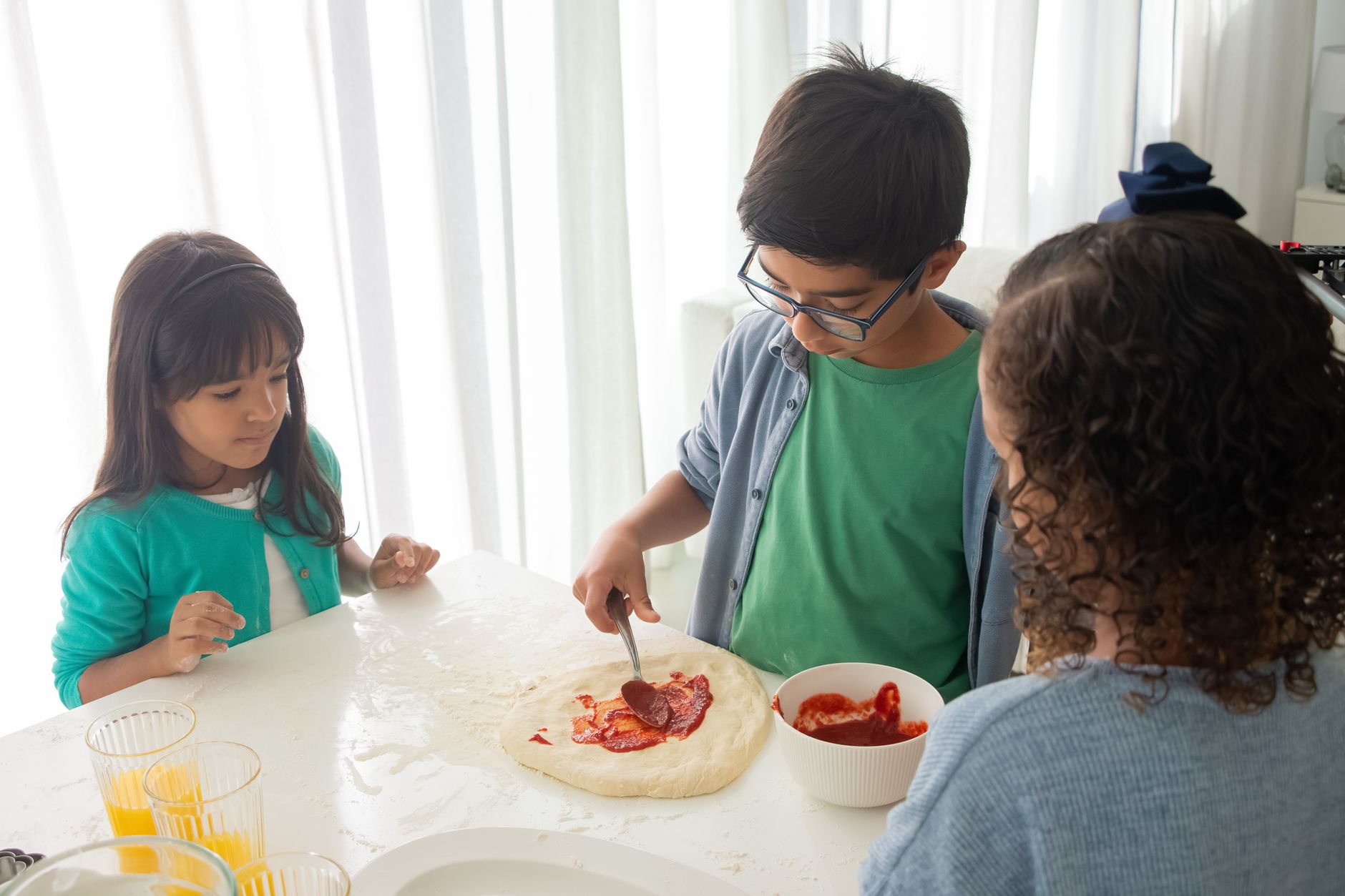
Classes run 2–3 hours in small groups (4–8 guests max); we adapt the pace, snack timing and language for kids aged 3+. A cooking class means toddlers watch, help rinse or stir (not knives), taste as they go, and take home a meal they shaped. Flower arranging sessions use child-safe scissors, soft stems and water play. Farm experiences involve animal contact, picking vegetables and dirt—tactile, low-pressure learning. We pause for snacks, skip complex explanations, and let kids move freely. Parents often worry: "Will he sit still?" Answer: no—and that's fine. We redesign around their rhythm. Rainy days shift indoors; allergies are noted upfront on WhatsApp. Most toddlers remember the sensory moment, not a perfect end product.
What's the Actual Cost Difference: Free vs. Paid Activities?
| Activity | Base Cost | What's Included | Best For |
|---|---|---|---|
| Market walk (free) | Nothing | Sensory play, language exposure | Any age 18m+ |
| Temple visit (free) | Nothing | Cultural space, quiet play | 2+ years |
| Lake/park (free) | Nothing + snack budget | Walking, water, social play | Toddlers 2–4 |
| Cooking class | Ask us for a quote | 2–3 hours, meal, guide, small group | 3+ years |
| Farm experience | Ask us for a quote | 3–4 hours, animals, picking, guide | 3–5 years |
| Flower arranging | Ask us for a quote | 2 hours, child-safe tools, take-home | 4–6 years |
The gap isn't huge: free activities need your attention and snacks (budget a small amount). Paid classes remove planning, add expert guidance, and suit when you want a calm morning without deciding what to do. A mix works best—one paid experience per week, rest free play.
How Do We Adapt Activities for Toddlers, Allergies and Bad Weather?
We ask on WhatsApp: child's age, dietary needs, sensory sensitivities (loud noise, crowds, certain textures), and mobility. A 2-year-old joins a cooking class if you stay close; a 5-year-old leads more steps. Nut allergies? We plan a nut-free menu. Hates loud sounds? We choose quieter venues or afternoon slots. Rain shifts farm experiences to covered activities—sorting vegetables indoors, learning about crops in a shelter. Cooking and flower arranging work rain or shine. For horse riding, we reschedule (muddy ground is unsafe for young riders). For city-based activities like street food tours, we shorten routes and pick pedestrian lanes, not chaotic markets. Pacing changes too: toddlers need 10-minute breaks, water every 20 minutes, and a snack by hour two. Parents often ask, "What if he melts down?" We reset—a sit-down snack, cool water, a quieter space—and continue. That's not failure; it's how toddlers learn.

Which Regions Offer the Best Toddler-Friendly Setup?
Hanoi (experiences in Hanoi): markets are walkable, temples are calm, and lakes have wide paths. Saigon (experiences in Saigon): parks, pagodas and cafes with outdoor seating are abundant; heat is intense, so plan early mornings. Hoi An (experiences in Hoi An): the old town is car-free, lantern-lit, and compact—perfect for stroller walks and small-group classes. Da Nang (experiences in Da Nang): beaches are family-scaled, sand play is free, and fewer crowds than big cities. Da Lat (experiences in Da Lat): cool climate suits active toddlers, farms are close, and rural spaces feel safe and open. We run family experiences across all five; the choice depends on your base and how much heat your toddler handles.
What Should You Actually Bring and Expect?
Essentials:
- Water bottle (refill in any shop or ask your host)
- Hat or umbrella (sun or rain)
- Snacks: crackers, fruit, yogurt (no added sugar needed; Vietnamese street vendors sell cheap snacks)
- Small first-aid kit (plaster, antiseptic wipe)
- Light jacket (temples and air-conditioned spaces are cold)
- Comfortable shoes (no flip-flops for farm or temple visits)
Expectations:
- Toddlers tire in 1.5–2 hours of activity (not bad—it's enough time to experience something real)
- Dirty clothes happen; dress for it
- Language barriers don't matter; sensory learning is universal
- Other children and families are around; social moments happen naturally
- Photos are welcome; we pose but don't pose
What Often Goes Wrong:
- Skipping snacks = meltdown (we remind, but plan ahead)
- Midday heat = exhaustion (go early or late)
- Overpacked itineraries = no time to absorb (one place per half-day is plenty)
- Expecting toddlers to understand explanations (they won't; they remember feelings)
How to Book the Right Fit for Your Family
Start by asking us three things on WhatsApp: child's age(s), any dietary or sensory needs, and whether you'd rather explore free spaces (we can guide you) or book a structured class. We'll suggest a date, describe how we'll adapt, and send a quote. Most families find one class or craft workshop per trip enough—the rest is free neighborhood exploring. We can also design a wellness afternoon if parents need calm time too; toddlers often join. Before you commit, check: Does this fit our energy today? Is the time slot after breakfast (when toddlers are freshest)? Do we have a backup plan if it rains or the child's mood shifts? We do. That's why we confirm details on WhatsApp, not a rigid booking form.
FAQ
Are cooking classes or farm days really okay for a 2-year-old?
Yes, if a parent stays close and we adjust. Toddlers don't cook; they touch, taste and watch. A 2-year-old in a cooking class might stir, smell herbs, and eat the final dish—that's the win. Farm visits work the same way: hand-feeding animals, picking soft vegetables, mud play. We've done both; expect 60–90 minutes of engaged time, not three hours.
What's cheaper: taking a toddler to a market or booking a class?
Markets are free; you just buy snacks. Classes cost more but remove planning stress and add expert guidance. If you're comfortable navigating a morning market (negotiating, picking fruits, watching vendors), do it free. If you'd rather a calm, structured 2-hour experience with guaranteed interactions, book a class.
How hot is too hot for a toddler outside in Vietnam?
Above 35°C (95°F), toddlers overheat quickly. Stick to early mornings (6–9 a.m.) or late afternoons (4–7 p.m.). We always pick cooler times for activities. Midday visiting a temple or shopping mall is safer than outdoors.
Can a toddler join a group class or do you offer private sessions?
Both. Small-group classes (4–8 people) mean your toddler sees other kids and parents; private sessions mean full attention and total flexibility. Private costs more; ask us on WhatsApp for both options and a quote.
What if my toddler has a dairy or nut allergy?
Tell us when you message. We plan menus around allergies; it's not a workaround, it's normal. A dairy-free cooking class uses coconut milk or fish sauce instead. We've done hundreds of adaptations.
Is there anything a toddler under 3 absolutely cannot do?
Horse riding (balance and safety), long-distance cycling, and full-day treks. Anything under 2 hours, indoors or shaded, with frequent snacks, works. We focus on sensory moments, not achievement. ===CTA (STANDALONE LINES)=== Ask about dates on WhatsApp Explore farm and countryside experiences Read more stories from our hosts
Ask about dates
Tell us the city, your dates and what you would like to try. We reply on WhatsApp in English with options and availability.
FAQ
Are cooking classes or farm days really okay for a 2-year-old?
Yes, if a parent stays close and we adjust. Toddlers don't cook; they touch, taste and watch. A 2-year-old in a cooking class might stir, smell herbs, and eat the final dish—that's the win. Farm visits work the same way: hand-feeding animals, picking soft vegetables, mud play. We've done both; expect 60–90 minutes of engaged time, not three hours.
What's cheaper: taking a toddler to a market or booking a class?
Markets are free; you just buy snacks. Classes cost more but remove planning stress and add expert guidance. If you're comfortable navigating a morning market (negotiating, picking fruits, watching vendors), do it free. If you'd rather a calm, structured 2-hour experience with guaranteed interactions, book a class.
How hot is too hot for a toddler outside in Vietnam?
Above 35°C (95°F), toddlers overheat quickly. Stick to early mornings (6–9 a.m.) or late afternoons (4–7 p.m.). We always pick cooler times for activities. Midday visiting a temple or shopping mall is safer than outdoors.
Can a toddler join a group class or do you offer private sessions?
Both. Small-group classes (4–8 people) mean your toddler sees other kids and parents; private sessions mean full attention and total flexibility. Private costs more; ask us on WhatsApp for both options and a quote.
What if my toddler has a dairy or nut allergy?
Tell us when you message. We plan menus around allergies; it's not a workaround, it's normal. A dairy-free cooking class uses coconut milk or fish sauce instead. We've done hundreds of adaptations.
Is there anything a toddler under 3 absolutely cannot do?
Horse riding (balance and safety), long-distance cycling, and full-day treks. Anything under 2 hours, indoors or shaded, with frequent snacks, works. We focus on sensory moments, not achievement. ===CTA (STANDALONE LINES)=== [💬 Ask about dates on WhatsApp](https://wa.me/84338762340) [🌾 Explore farm and countryside experiences](/farm-experience) [📖 Read more stories from our hosts](/blog)
More like this
Experiences for families and kids
Family workshop Vietnam vs Thailand: where to take kids in 2026
Vietnam and Thailand both offer immersive family workshops, but the pace, cost structure, and focus differ significantly. We run both types of sessions at Cáo Experiences and can help you choose.
Experiences for families and kids
Family Workshop Vietnam Gift Voucher: What Works Best
A family workshop gift voucher in Vietnam lets relatives experience cooking, craft, horse riding or tea together—no tickets, no queues, real hands-on time. We help you pick the right session type and duration for the ages and interests in your group.
Experiences for families and kids
Family workshops in Vietnam for Indian travelers: what to expect
Indian families visiting Vietnam often wonder how to keep children engaged and learn something authentic together. Cáo Experiences runs small-group and private workshops—cooking, coffee, flower arranging, craft, and farm days—designed for kids, parents, and grandparents, hosted in English with real