
Home › Blog › Experiences for families and kids
Activities for Toddlers in Vietnam: What to Ask Before You Book
By the Cáo Experiences team · 2026-11-06
Toddlers in Vietnam have access to far more than tourist traps: cooking classes where they knead dough, farms where they feed animals, flower workshops with water play, even short horse rides. At Cáo Experiences, we host family experiences for toddlers aged 2–5 in Hanoi, Saigon, Hoi An, Da Nang, and Da Lat, usually 90 minutes to 2 hours, in small groups (max 6–8 kids) with one host and often a local helper. Sessions are English-led and messiness is expected: we provide aprons, wet cloths, and outdoor space. Cost varies by activity and group size; ask us for dates and a quote on WhatsApp. The honest truth: toddlers work in short bursts (20–30 min focus), so we build in snack breaks, water play, and a quieter wind-down. No activity guarantees a nap or perfect behavior—we adapt on the spot for moods, allergies, and rain.
What does "toddler-friendly" really mean in a workshop setting?
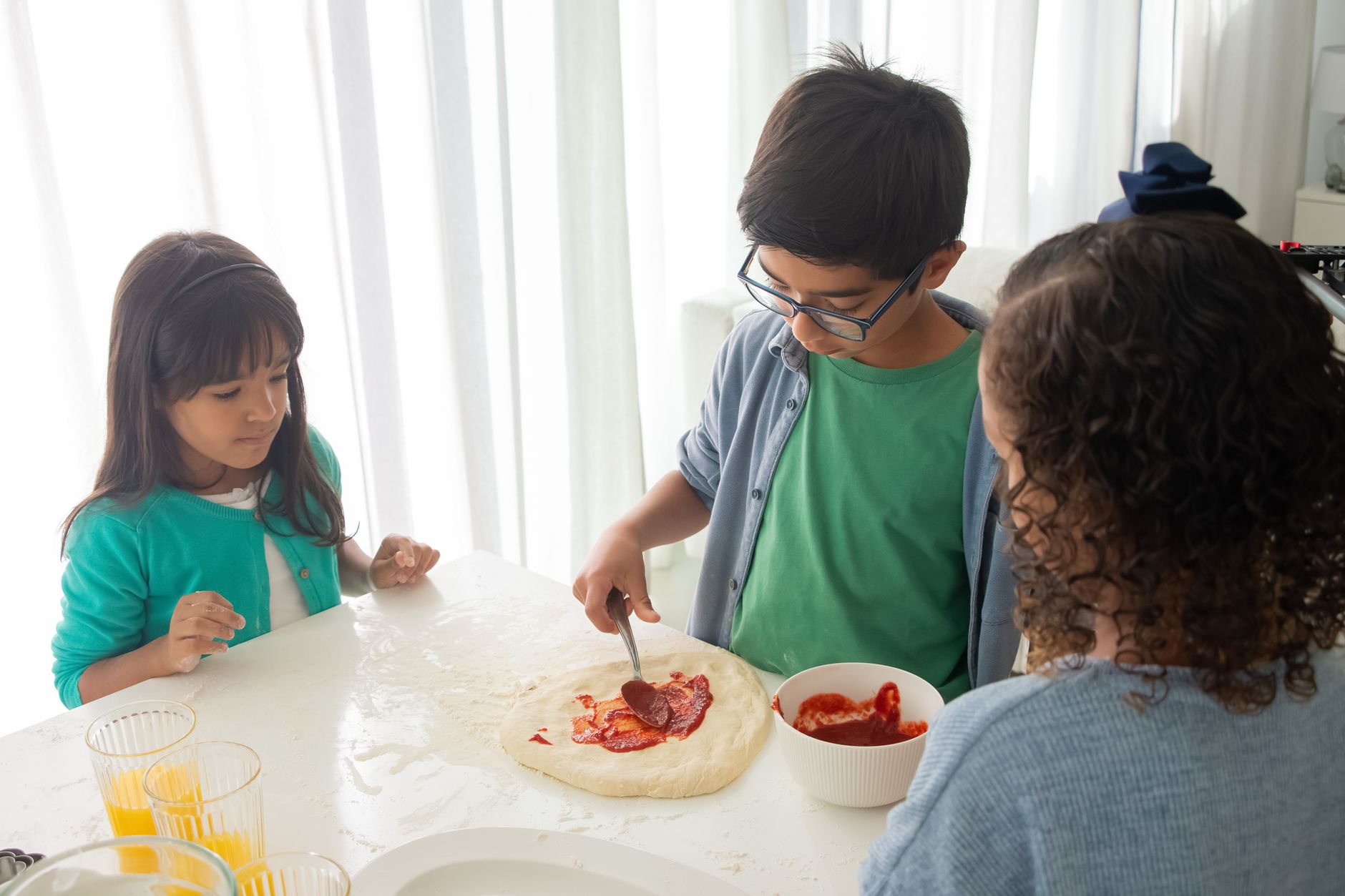
Toddler-friendly doesn't mean dumbed down or overly structured. It means short rotations between tasks, hands-on sensory input (touching, smelling, tasting), and adults who genuinely enjoy watching a two-year-old spend five minutes arranging one flower stem. In a cooking class, a toddler doesn't follow a recipe; they mix, pat, taste, roll—and the output is messier and slower, but they own it.
We've learned the hard way: sitting at a table for two hours with instructions kills engagement. Instead, we move between stations. In a vegetable prep zone, they wash and break herbs. At a low table, they knead or shape. At the tasting station, we pause to chew and talk. Most toddlers work in 15–25 minute bursts; we expect a pivot or a snack break every 20 minutes.
Rain doesn't cancel; it just shifts the plan. Outdoor farm activities move under a roof or into a covered workspace. Wet ground becomes a bonus for mud play (bring a change of clothes).
Which activities work best for toddlers aged 2–3 versus 4–5?
Two to three-year-olds need shorter sessions (60–90 min), simpler tools, and high adult-to-child ratio. Four to five-year-olds can focus longer, follow multi-step tasks, and enjoy mild competition or group games. Here's what we see:
| Activity | Ages 2–3 | Ages 4–5 | Why it matters |
|---|---|---|---|
| Cooking class | Mixing, tasting, kneading | Simple chopping, plating | Motor skills and attention span differ sharply |
| Farm day | Animal feeding, sensory walk | Chores, harvesting, naming | Older kids engage with "purpose"; younger ones need novelty |
| Flower arranging | Water play, stem snapping, color sorting | Simple bouquets, symmetry | Fine motor control grows fast at this age |
| Horse riding | Pony walk, 15–20 min, led ride | Trail ride, 30–45 min, more independence | Balance and confidence build visibly |
| Street food tour | Tasting stalls, parent carries child | Walking markets, ordering, money talk | Stamina and language readiness shift |
The crossover: a 3.5-year-old might do either. We chat via WhatsApp before booking to match the child's temperament and motor skills.
What allergies and dietary needs do you handle?
We ask about allergies, intolerances, and preferences in the booking chat. In a cooking class, we can swap fish sauce for soy sauce, skip peanuts, use dairy-free alternatives, or focus on vegetable-only dishes. Most family kitchens we work with stock common allergen-free staples; we confirm ahead. For toddlers, we keep a simple plain rice option, steamed veg, and a fruit tasting station—no pressure to eat what they don't recognize.
Nut allergies are taken seriously: we don't introduce new nut-based dishes on the day without parental sign-off. Shellfish and egg are easy to isolate. Choking risks (whole grapes, hard nuts, honey for under-1s) are standard precautions we follow.
One honest note: a farm day or street food tour involves sampling local produce and cooked food from vendors we've vetted for hygiene. If your child has severe oral restrictions or you're cautious about street food, let us know—we can design a milder itinerary or recommend a tea experience or flower arranging workshop instead, which are less food-focused.
How do you keep toddlers safe on horse rides or near animals?
Safety is non-negotiable. On horse riding experiences, toddlers aged 3+ ride on lead ponies (not free-range) with a guide holding the bridle. Sessions are 20–40 minutes depending on age and comfort. We use child-sized helmets and soft lead ropes. The stable is a small, enclosed family operation with calm, used-to-children animals—not a busy commercial yard.
Before the ride, we let the child touch and name the pony, watch it eat, walk alongside. This builds familiarity. If a child freezes or is upset, there's no pressure to mount; many toddlers are happy just grooming and leading.
Farm days involve gentler contact: feeding goats, chickens, or ducks under supervision. We teach kids to move slowly, avoid sudden noises, and wash hands after contact. The farmer or co-host is always within arm's reach.
Ground rules we enforce: no tugging reins, no running at animals, no feeding from the ground (always hand-flat). Parents stay close. We ask about any animal phobias beforehand.
What should you pack and wear for a toddler activity in Vietnam's climate?
Vietnam is hot and humid. Pack light, breathable clothes; toddlers in long sleeves and hats aren't practical. Instead, bring a wide-brimmed sun hat, light cotton shirt (short-sleeve OK if sunscreen is on), and water shoes if there's a water element. Socks off; let toes be free.
Essentials to bring:
- Full change of clothes (pants, shirt, socks, underwear—messy is guaranteed)
- Wet-bag for soiled or damp items
- Sunscreen (reapply every 90 min in our experience)
- Water bottle or sippy cup (we provide water, but familiar is safer)
- Favorite snack and a small toy for transitions
- Lightweight rain jacket or poncho (carried, not worn until needed)
- Hand wipes and tissues
- Any medications or medical info in writing (allergies, asthma inhaler, etc.)
We provide aprons, wet cloths, and basic first aid. Shoes come off indoors in kitchens; we have a clean outdoor space for barefoot work. Jewelry (dangly earrings, bracelets) should stay at the hotel—hands touch faces, animals, food.
For parents: wear something you don't mind getting muddy or wet. You'll likely help hold a toddler over a farm animal, assist with a task, or wipe noses.

What to check before you book
Ask yourself these questions before confirming:
- Energy level: Is your toddler typically engaged and curious, or easily overwhelmed? We adapt for both, but know your baseline.
- Food stage: Can they chew soft solids, or are they still on purees? Tell us; we'll adjust tasting portions.
- Nap time: What time do they nap? We can schedule sessions around this (morning before, late afternoon after).
- Behavior pattern: Do they warm up to strangers quickly, or need a shy period? No judgment—we've got tricks, but honesty helps.
- Language: Do they speak English, Vietnamese, or both? Many of our hosts speak both; we'll match.
- Transportation: Do you have a car, or will you be using taxis/apps? Some countryside activities are 30–45 min from city centers.
How Cáo Experiences structures a real toddler session
Here's what a typical 90-minute cooking class looks like:
0–10 min: Arrival, meet the host and co-helper (usually a local who speaks both English and Vietnamese). Toddlers explore the kitchen space, wash hands, try on an apron.
10–25 min: First activity. Today: washing fresh herbs and vegetables. Kids stand at a low table with a big bowl of water. They splash, sniff basil, tear mint leaves. One parent helps; the co-host is at the other station prepping ingredients.
25–35 min: Snack and water break. We sit, drink, and talk about what we just did. Some kids chat; some sit quietly. All fine.
35–55 min: Main cooking. Rolling sticky rice, shaping dumplings, patting dough into flatbread. Messy, slow. Kids take turns. Some do three; some do one and lose interest. We don't insist.
55–75 min: Taste and tidy. We cook the toddler portions (shorter, no chili, soft textures). They taste their work. We wash hands, wipe tables, pack up their take-home box.
75–90 min: Wind-down craft or garden walk. A flower is picked and pressed, or we sit under a tree and name animals/plants. Energy drops gently.
This isn't Instagram-perfect. There's flour on the wall, water on the floor, and one child decided dough tastes better than it looks. That's success.
Honest answers to what we can't guarantee
We can't promise your toddler will "love it" or sit still the whole time. Some days, a child is teething, didn't sleep well, or is just over it. We roll with this. If they need to sit outside or take a break, that's what happens.
We can't prevent all mess. Cooking is messy. Farms are muddy. Flowers shed petals. Come prepared for laundry.
We can't accommodate severe behavioral or dietary restrictions on short notice. If your child needs one-on-one support (speech therapy, ABA, medical equipment), tell us early so we can staff appropriately.
We can't run in dangerous heat (above 38°C on forecast) or certain monsoon conditions. We'll reschedule or pivot to an indoor activity.
We can adapt for allergies, shy kids, language mix, rain, and individual pace. We will prioritize safety. We do treat your toddler as a real person, not a prop for photos.
Next steps: find the right activity for your toddler
Browse family experiences to see all options (cooking, farms, horses, flowers, markets). Check destinations for your city (Hanoi, Saigon, Hoi An, Da Nang, Da Lat all have toddler-friendly sessions). Read real details on craft workshops if hands-on making appeals to you, or farm and countryside experiences if animals and nature are the draw.
Then message us on WhatsApp with:
- Child's age and name
- Which activity interests you
- Any allergies, fears, or language needs
- Preferred dates and city
- Group size (solo family or mixed?)
We'll reply with available slots, a real breakdown of what happens, and honest talk about whether it's a fit. If not, we'll suggest something better.
FAQ
Can a 18-month-old join a toddler activity?
Honestly, 18 months is borderline. Our youngest usually thrive at 2+. An 18-month-old can join a farm experience (watching, touching animals, sensory walk) but not a cooking class safely. The flower arranging workshop has a water-play element that works for this age. Chat with us first.
Do parents have to stay in the room the whole time?
Yes, for under-3s. For 4–5-year-olds, some parents step back to photos/coffee while we host; most stay nearby. Separation anxiety is real and valid; we don't push it. We ask parents to stay hands-on for the first 20 minutes so the child settles.
What if my child speaks only English / only Vietnamese / a mix?
Most of our hosts are bilingual or have a Vietnamese co-host. We confirm language beforehand. Many toddlers pick up words in both; it's normal and great. No pressure.
How far in advance should we book?
2–3 weeks is ideal so we can staff and prep. Last-minute (1–2 weeks) sometimes works, especially off-season. Ask us on WhatsApp with your preferred dates.
What happens if my toddler refuses to participate?
We pause. A child who's clingy, scared, or unwell gets a quiet corner with a parent, water, and no pressure. The session continues; we adapt. Many kids warm up after 30 minutes. Some don't—both are OK. We don't have a refund policy listed here; ask us directly.
Ask about dates
Tell us the city, your dates and what you would like to try. We reply on WhatsApp in English with options and availability.
FAQ
Can a 18-month-old join a toddler activity?
Honestly, 18 months is borderline. Our youngest usually thrive at 2+. An 18-month-old can join a [farm experience](/farm-experience) (watching, touching animals, sensory walk) but not a [cooking class](/cooking-class) safely. The [flower arranging workshop](/flower-arranging) has a water-play element that works for this age. Chat with us first.
Do parents have to stay in the room the whole time?
Yes, for under-3s. For 4–5-year-olds, some parents step back to photos/coffee while we host; most stay nearby. Separation anxiety is real and valid; we don't push it. We ask parents to stay hands-on for the first 20 minutes so the child settles.
What if my child speaks only English / only Vietnamese / a mix?
Most of our hosts are bilingual or have a Vietnamese co-host. We confirm language beforehand. Many toddlers pick up words in both; it's normal and great. No pressure.
How far in advance should we book?
2–3 weeks is ideal so we can staff and prep. Last-minute (1–2 weeks) sometimes works, especially off-season. [Ask us on WhatsApp](https://wa.me/84338762340) with your preferred dates.
What happens if my toddler refuses to participate?
We pause. A child who's clingy, scared, or unwell gets a quiet corner with a parent, water, and no pressure. The session continues; we adapt. Many kids warm up after 30 minutes. Some don't—both are OK. We don't have a refund policy listed here; [ask us directly](/contact).
More like this
Experiences for families and kids
Family workshop Vietnam vs Thailand: where to take kids in 2026
Vietnam and Thailand both offer immersive family workshops, but the pace, cost structure, and focus differ significantly. We run both types of sessions at Cáo Experiences and can help you choose.
Experiences for families and kids
Family Workshop Vietnam Gift Voucher: What Works Best
A family workshop gift voucher in Vietnam lets relatives experience cooking, craft, horse riding or tea together—no tickets, no queues, real hands-on time. We help you pick the right session type and duration for the ages and interests in your group.
Experiences for families and kids
Family workshops in Vietnam for Indian travelers: what to expect
Indian families visiting Vietnam often wonder how to keep children engaged and learn something authentic together. Cáo Experiences runs small-group and private workshops—cooking, coffee, flower arranging, craft, and farm days—designed for kids, parents, and grandparents, hosted in English with real