
Home › Blog › Experiences for families and kids
Activities for Toddlers Vietnam: Hands-On Classes Kids Actually Love
By the Cáo Experiences team · 2026-11-06
Toddlers 2–5 thrive at family experiences built for short attention spans: 60–90-minute cooking classes where they knead dough and taste fresh herbs, flower-arranging workshops (30 minutes focused, then free play), farm and countryside mornings with animals and herb picking, tea tastings adapted to juice and honey, art sessions with natural pigments. We run groups of 4–8 kids with a co-host supervising play corners while parents/guardians join the main activity. Most sessions are in family kitchens or quiet studios in Hanoi, Saigon, Hoi An, and Da Lat, with an indoor backup for rain. No prior skill required—kids learn by doing, not instruction. Cáo Experiences coordinates dates and group size on WhatsApp, and we adapt for allergies, nap schedules, and mixed ages. No cost hidden until you ask; structure is transparent from the start.
Why do toddlers actually engage at cooking and craft classes?
Toddlers learn through their hands and taste buds, not lectures. A 3-year-old kneading rice dough with your help, then eating their own spring rolls, makes a memory and builds confidence. Unlike screen time or passive tours, they do something, see the result, eat or wear it. Crafts (flower arranging, painting with natural plant dyes) let them create without perfectionism—nobody fails at sticking a chrysanthemum in foam. The key: sessions are 60–90 minutes, not longer. We've found that by minute 45, toddlers either need to transition to free play or wrap up. That's why family experiences here include a built-in activity time and a calm-down period (snack, garden time, or supervised play) so parents aren't rushed and kids leave happy, not overtired.

Which hands-on sessions work best for each age?
| Age | Best Fit | Why | Length |
|---|---|---|---|
| 2–3 years | Flower arranging, farm visits, tea tasting | Short focused task, sensory input, animals, snacks | 60 min + 20 min play |
| 3–4 years | Cooking (dough, simple prep), craft, farm | Can follow 2–3 steps, loves getting messy, proud of "helping cook" | 75 min |
| 4–5 years | Cooking (full dish), art with natural dyes, flower workshop | Follows multi-step recipes, reads/counts, longer focus | 90 min |
Mixing ages in one group works if the older child "helps teach" the younger (they love that role). We always have a second host managing the play corner during the main activity, so you're not managing both at once.
What does a typical toddler cooking session actually look like?
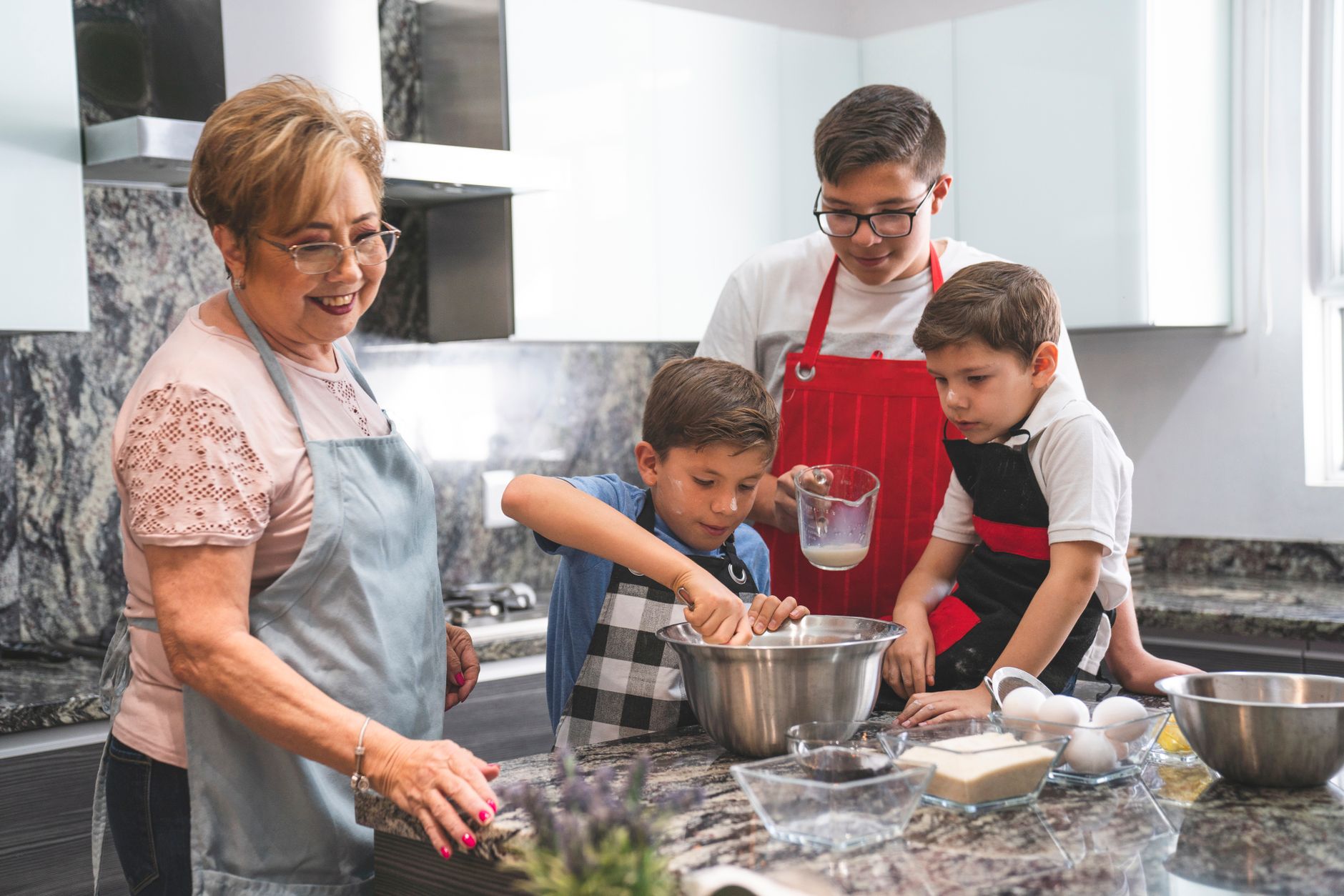
We meet in a family kitchen in a quiet lane, usually 9:30 a.m. (before hunger and tiredness peak). First 10 minutes: you wash hands, we show the ingredients, kids touch and smell herbs—no instructions yet, just curiosity. Next 20 minutes: kneading rice dough, cracking eggs (with help), tearing herbs. Then 15 minutes of supervised assembly—rolling spring rolls, filling dumplings—while a co-host watches two other toddlers at a low table doing a related craft (flower pressing, natural dye painting). Minutes 50–75: we cook the dish together; kids taste at each stage (raw herb, cooked vegetable, final sauce). Last 15 minutes: sit down, eat together, tell stories. We always have plain rice, fresh fruit, and plain water on hand for picky eaters—no pressure. Rain plan: same session, we shift to a covered kitchen or studio. Allergies (shellfish, tree nuts, gluten): you tell us 48 hours ahead; we source and prep separately.
How do we manage tired, overstimulated, or picky toddlers?
Honesty: some days your toddler will cry, refuse to participate, or want to leave early. We don't force. On the first visit, many kids are shy for 20 minutes—totally normal. We have quieter activities (coloring, sorting, sitting with a caregiver) ready so nobody feels trapped. Picky eaters: we never shame. If a child won't taste, we offer to smell, touch, or just watch. Often they'll taste after seeing a sibling enjoy it. We serve dishes after cooking so they've invested time. Nap schedules: book morning or very-early-afternoon sessions. If your toddler is tired, the experience tanks—we'd rather you reschedule than come tired.
Overstimulation is real in group settings. If a toddler is crying or withdrawn after 30 minutes, we pause, offer water and a quiet moment with a caregiver, then ask if they'd rather switch to the calm play corner for the rest of the session. No judgement; this is a kid's behavior, not a failure. We track this on WhatsApp so next time we know to book a quieter session or suggest a different activity.
How do we adapt farm visits and outdoor activities for toddlers?
Farm and countryside experiences with toddlers means short walks (10–15 minutes max), safe animal interaction, and snack-heavy schedules. Typical morning: meet at 9 a.m., walk to herb gardens or animal pens (10 min), feed chickens or goats (supervised, hands-on, 20 min), pick herbs or vegetables (15 min), sit in a shaded area with fresh juice and biscuits (20 min), then return. No long treks or remote locations—the farm or garden is always within 10 minutes of a road and shelter.
Weather is crucial. Vietnam's rainy season (May–September in most regions) means afternoon storms are common. We always check forecasts and offer to shift to a covered area (a farm's gazebo, a greenhouse, a kitchen studio) if heavy rain threatens. Cold-weather risk is rare, but in Da Lat (higher altitude, cooler) we bring lightweight layers. Pests (mosquitoes, leeches in wet season): we apply insect repellent before the session, wear long sleeves if it's wet, and check kids' legs and shoes afterward.
What do American travelers often worry about, and what actually happens?
Hygiene: "Will my toddler get sick?" We work with clean kitchens and farms that follow food-safety basics. Kids touch raw vegetables and herbs—this is normal and builds immunity. We wash hands before eating. If you're concerned about tap water, we always serve bottled or boiled water for drinking and rinsing. No child in our groups has reported food poisoning.
Language: "My toddler only speaks English." All our sessions are hosted in English, and non-verbal toddlers thrive—cooking, flowers, animals transcend words. We explain steps simply and demonstrate.
Group dynamics: "What if my toddler doesn't play well with others?" Groups are small (4–8 kids). If a child is shy or protective of space, we let them work one-on-one with a parent/guardian and a host while the group does the main activity nearby. It's not segregation; it's pacing.
Mess and ruined clothes: Cooking and painting will stain. Kids wear clothes you don't mind losing or we tie on an apron. We have water and paper towels on hand; Vietnamese hand-laundering is excellent and cheap if something does get marked.
Timing and jetlag: Toddlers jet-lagged are hard. We recommend waiting 2–3 days after arrival before booking so they've settled. Early-morning sessions (9–10 a.m.) often work better than afternoon.
Locations that work well for toddler sessions
Experiences in Hanoi center on the old quarter and outskirts—family kitchens are calm, studios have bathrooms. Saigon experiences are spread across District 1, 2, and the outskirts; expect longer travel times but quieter venues. Hoi An is naturally slow-paced and has excellent family kitchens near the town. Da Nang and Da Lat are smaller, easier to navigate with toddlers—less heat, shorter distances.
What to check before you book
- Nap and meal schedule: Tell us your toddler's routine so we suggest the best time.
- Allergies and dietary rules: Include shellfish, tree nuts, gluten, eggs, dairy 48 hours ahead.
- Group size preference: Small closed group (just your family) or open group (mix of travelers)? Small groups cost more but suit anxious toddlers.
- Backup plan for rain: Ask us what happens if weather turns bad—usually we shift venue or reschedule.
- What to wear: Clothes they can get dirty. Closed shoes for farm visits. Sun hat and light layers for outdoor sessions.
- Cancellation: Ask our policy if your toddler is sick or you need to reschedule. We're usually flexible within reason.

FAQ
At what age can toddlers start cooking classes?
From 2 years old. Under 2, kids observe and play near the activity. Ages 2–3 do very simple tasks (tearing herbs, breaking eggs with help). Ages 3+ can roll, knead, and follow 2–3-step recipes. We adapt every session to the kids present.
Do we need to speak Vietnamese to join?
No. All sessions run in English, hosted by our team. Your toddler hears Vietnamese words for food and plants in a playful context—bonus learning, zero pressure.
How much mess should I expect?
Cooking = flour, water, food splatter. Painting = dye and pigment on clothes and hands. Flower arranging = soil and leaves. Farm visits = mud and animal dust. Assume clothes will be marked. We have aprons; some families bring a change of clothes.
What if my toddler refuses to participate?
Completely normal on a first visit or a cranky day. We have a quiet play corner with toys and a co-host supervising. Your child can watch, color, or sit with you. No pressure, no shame—we've seen shy toddlers loosen up on session 2.
Is the food we cook safe for toddlers to eat?
Yes. We use fresh, clean ingredients and age-appropriate spice levels (usually mild or no heat). We avoid common allergens unless you ask for them. Toddlers taste after cooking, so there's no raw-food risk. If a child won't eat, they don't have to—watching and helping count as wins.
Can older siblings join a toddler-focused session?
Yes. Older kids (6+) often become "junior helpers," teaching younger siblings. Mixing ages works well if the older child is patient. We can also recommend mixed-age family experiences or group and team experiences designed for that spread.
Ask about dates
Tell us the city, your dates and what you would like to try. We reply on WhatsApp in English with options and availability.
FAQ
At what age can toddlers start cooking classes?
From 2 years old. Under 2, kids observe and play near the activity. Ages 2–3 do very simple tasks (tearing herbs, breaking eggs with help). Ages 3+ can roll, knead, and follow 2–3-step recipes. We adapt every session to the kids present.
Do we need to speak Vietnamese to join?
No. All sessions run in English, hosted by our team. Your toddler hears Vietnamese words for food and plants in a playful context—bonus learning, zero pressure.
How much mess should I expect?
Cooking = flour, water, food splatter. Painting = dye and pigment on clothes and hands. Flower arranging = soil and leaves. Farm visits = mud and animal dust. Assume clothes will be marked. We have aprons; some families bring a change of clothes.
What if my toddler refuses to participate?
Completely normal on a first visit or a cranky day. We have a quiet play corner with toys and a co-host supervising. Your child can watch, color, or sit with you. No pressure, no shame—we've seen shy toddlers loosen up on session 2.
Is the food we cook safe for toddlers to eat?
Yes. We use fresh, clean ingredients and age-appropriate spice levels (usually mild or no heat). We avoid common allergens unless you ask for them. Toddlers taste after cooking, so there's no raw-food risk. If a child won't eat, they don't have to—watching and helping count as wins.
Can older siblings join a toddler-focused session?
Yes. Older kids (6+) often become "junior helpers," teaching younger siblings. Mixing ages works well if the older child is patient. We can also recommend mixed-age [family experiences](/family-experiences) or [group and team experiences](/group-and-corporate) designed for that spread.
More like this
Experiences for families and kids
Family workshop Vietnam vs Thailand: where to take kids in 2026
Vietnam and Thailand both offer immersive family workshops, but the pace, cost structure, and focus differ significantly. We run both types of sessions at Cáo Experiences and can help you choose.
Experiences for families and kids
Family Workshop Vietnam Gift Voucher: What Works Best
A family workshop gift voucher in Vietnam lets relatives experience cooking, craft, horse riding or tea together—no tickets, no queues, real hands-on time. We help you pick the right session type and duration for the ages and interests in your group.
Experiences for families and kids
Family workshops in Vietnam for Indian travelers: what to expect
Indian families visiting Vietnam often wonder how to keep children engaged and learn something authentic together. Cáo Experiences runs small-group and private workshops—cooking, coffee, flower arranging, craft, and farm days—designed for kids, parents, and grandparents, hosted in English with real