
Home › Blog › Experiences for families and kids
Activities for toddlers Vietnam: hands-on experiences for Singapore families
By the Cáo Experiences team · 2026-11-06
Toddler-friendly Vietnam activities include hands-on cooking classes (20–40 minutes at a time), farm mornings where kids feed animals and pick vegetables, flower arranging with soft stems, gentle horse walks, and craft workshops using natural materials. Most suit ages 2–5; we run private sessions or small groups in Hanoi, Hoi An, and Da Nang, usually 2–3 hours total with breaks built in. Cáo Experiences designs family experiences by pausing frequently, keeping instruction simple, offering repeat tasks (stirring, patting, splashing water), and adapting on the day if a toddler tires or gets fussy. No price is fixed across all formats—ask us for dates and a quote on WhatsApp—but most families book private so siblings and parents control the pace. What to avoid: back-to-back activities, crowded tourist markets at midday heat, or classes longer than 3 hours without a nap window. Ask about dates on WhatsApp
Why toddlers engage differently than older kids in Vietnam
Toddlers learn through repetition, sensory input, and short bursts of new stimuli. A cooking class for a 4-year-old isn't about final taste or plating—it's about touching dough, hearing it squelch, smelling garlic, and doing the same action five times. In Vietnam's warm, open kitchens and gardens, this sensory-first approach works especially well because there's space to move, water to splash, and real ingredients at hand height. We've found that toddlers from Singapore—used to air-conditioned shopping malls—are often more alert outdoors in a family kitchen than indoors in a formal classroom, provided the session starts early (8–9 a.m.) before heat peaks and energy drops. The key difference: we never expect a toddler to "produce" something finished. We celebrate the process—the stirring, the tasting, the giggling—not the output.

What does a typical toddler-friendly cooking session actually look like?
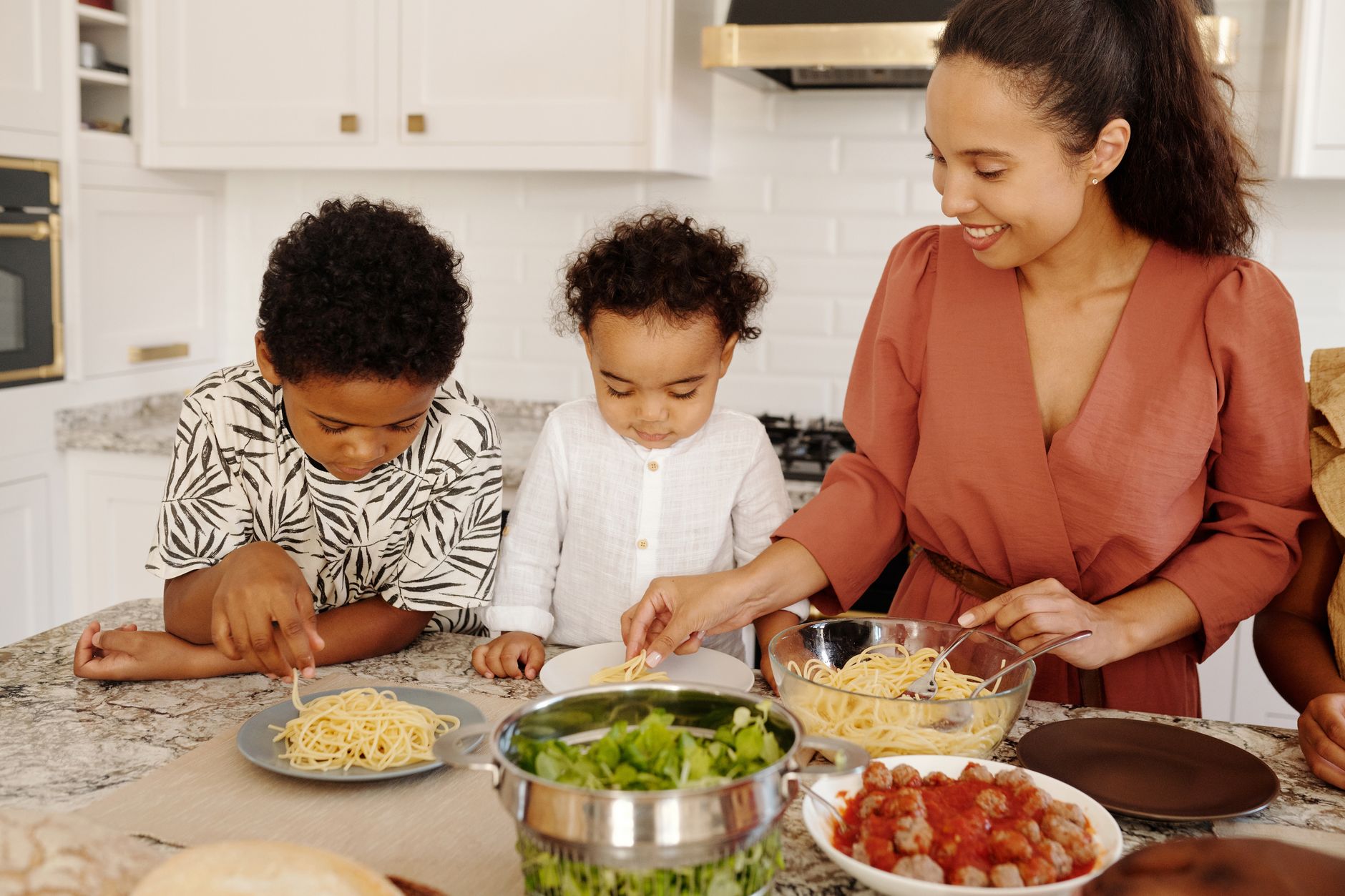
We meet at a family kitchen in a lane off the old quarter (or your hotel, for private groups). You arrive with snacks, water, and the toddler in clothes that can get messy. The host (that's us) sets up a low table or cushion where your child can stand safely, or they stand on a stable stool beside the adult counter. For a 90-minute class, the first 15 minutes are settling: we show the kitchen, talk about what we'll make—often simple spring rolls, rice-paper wraps, or herb paste—and let the toddler touch a raw leaf or smell a chili. Then 20–30 minutes of hands-on work: your child pats dough, tears basil, or dips paper in warm water. You (the parent) do the precise parts; they do the messy, repetitive bits. Around minute 45, we pause for a drink and snack—toddlers need a rhythm break. Another 20 minutes of prep or cooking, then the last 15 minutes is tasting (we keep portions tiny), talking about what happened, and photos. If your toddler gets tired or overwhelmed, we can shorten or shift to just playing in the kitchen garden. No schedule is rigid.
How do we handle allergies, fussy eaters, and reluctant kids?
We ask about allergies and dislikes before you arrive—via WhatsApp—and plan the menu around that. If a child won't touch fish sauce, we skip it or use soy sauce instead. If they're allergic to sesame, we use peanut oil or olive oil in their station. For fussy eaters, we let them pick which ingredient to "own"—some toddlers will engage if they decide to work with mint but not coriander. We also set zero expectation that they'll taste the final dish; many Singaporean toddlers used to Western flavors balk at Vietnamese herbs. What matters is the doing, not the eating. If a child is having a hard day and just wants to sit on a parent's lap, that's fine too. We'll chat, let them watch, maybe they'll help stir from the lap. We've learned that forcing a reluctant toddler into an "activity" backfires; giving them permission to participate at their own pace usually means they join in after 10 minutes anyway.
What's the honest reality of toddler farm visits and animal interactions in Vietnam?
Farm mornings suit toddlers better than older kids because the environment is low-pressure and animals are used to curious small hands. We visit family farms outside the city—usually a 20–30 minute drive—where there are chickens, ducks, sometimes goats or rabbits, and a vegetable plot. A typical session: arrive around 8 a.m., help feed animals (we hand them a small scoop of grain; they scatter it; chickens cluster; pure joy), then pick soft vegetables like herbs, tomatoes, or morning glory. The farm owner often gives a drink of fresh sugarcane juice or coconut water. We come back by 11 a.m. before midday heat. Honest truth: toddlers can be afraid of animals, especially if they've never seen live chickens or goats. We always ask beforehand and start gently—watching from a distance first, then moving closer only if the child is ready. Some toddlers get upset; that's okay. We pivot to just vegetable picking or sitting in the shade. Also, farms are muddy; bring a change of clothes and don't book this if your child is unwell or exhausted. The reward is they talk about "the farm" for weeks.
Explore farm and countryside experiences
How do you keep toddlers safe and comfortable during hands-on craft and flower activities?
Craft workshops and flower arranging workshops for toddlers mean no scissors, no glue guns, no tiny beads. We use safe materials: soft paper, fabric scraps, leaves, flowers with short thick stems, non-toxic crayons, and water-based paint. A typical flower session: we sit at a low table, show the child a few colorful flowers (sunflowers, celosia, zinnias—bright, sturdy), let them touch and smell, then place stems in a small cup of water one at a time. They choose where it goes. It's an arrangement, not a bouquet. No outcome is wrong. We're often surprised what toddlers create—a single purple flower in a tall vase, three stems twisted together, a stem in their mouth to taste it. We watch constantly for safety: making sure they're not eating petals (they can), not pulling off thorns (we remove them first), and not knocking water on themselves. If a child gets bored after 20 minutes, we stop. If they want to paint the pot instead, we let them. The session is theirs.
Choosing the right activity: a quick decision guide for Singapore families
| Activity | Best ages | Why toddlers love it | Rain backup? | Effort level (parent) |
|---|---|---|---|---|
| Cooking class | 2–5 | Touch, stir, taste | Yes, move indoors | Medium (supervise stirring) |
| Farm visit | 3–5 | Animals, digging, running | No, reschedule | High (hands-on mess) |
| Flower arranging | 2–4 | Colors, water, soft stems | Yes, covered patio | Low (they lead) |
| Horse riding walk | 3–5 | Sitting on horse, walking | No, reschedule | Medium (parent walks beside) |
| Craft workshop | 2–4 | Paint, stick, create mess | Yes, indoors | Low (low-pressure) |
Why timing, weather, and pre-activity prep matter more than the activity itself
A toddler-friendly session lives or dies by timing and prep. We always start early—8 or 9 a.m.—before heat exhaustion kicks in. A hot, tired 3-year-old is unhappy. Bring a hat, lightweight long sleeves (sun protection), water (we provide some, but bring your own), and a snack. Tell us in advance about sleep schedule: if your toddler naps from 1–3 p.m., don't book a session at 10 a.m. that will cut into wind-down time. We check the weather 48 hours out; if rain is forecast for a farm visit, we reschedule. For cooking and crafts, rain is fine—we move indoors or to a covered kitchen. For horse riding or farm walks, we don't run in heavy rain. We'll propose new dates via WhatsApp. Wear clothes you don't mind getting messy; assume your toddler will get wet, muddy, or paint-covered. Bring a change of clothes and a plastic bag for wet items. A simple rule: the more relaxed you are about mess and flexibility, the better the toddler enjoys it.
Comparing hands-on experiences across Vietnam destinations for Singaporean families
Hanoi, Hoi An, Da Nang, and Da Lat each suit toddlers differently. In Hanoi, we run kitchen classes in Old Quarter laneways and farm visits within 45 minutes. Hoi An is quieter, smaller; flower arranging and craft workshops work well in converted shophouses. Da Nang has nearby farm communities and is less crowded than Hanoi; horse riding for young children is available in the countryside. Da Lat is cooler and sits in farmland—excellent for toddler farm days because it's not too hot, but activities are 2+ hours' drive from the city. For most Singaporean families with toddlers (short trips, young ages 2–4), we recommend Hanoi or Hoi An: shorter drive times, no afternoon heat drain, and plenty of indoor backup options. Ask us which destination and activity match your dates and your child's personality.
What to check before you book a toddler activity
- Nap and hunger schedule: Does the session time clash with their sleep window or mealtime?
- Mobility: Can they walk 15 minutes? Do they need a stroller? (We can advise.)
- Temperament: Are they cautious around strangers and new spaces, or adventurous? (We'll adjust pacing.)
- Dietary needs or allergies: Tell us everything—fish sauce, peanuts, sesame, citrus—we adapt menus daily.
- Heat tolerance: Have they ever been in 30°C+ heat for 90+ minutes? (Early start helps; bring water.)
- Mess comfort: Can you handle paint, mud, water on their clothes? (If not, we offer low-mess craft instead.)
- Language: We host in English. Your toddler doesn't need to speak English; we show, not explain.
- Group or private?: Private is easier with toddlers (pace control), but costs more. Small groups (2–3 families) can work if the other family also has young kids.
Real situations we navigate with toddlers every week
Scenario: "My child just woke up grumpy and doesn't want to leave the hotel." We reschedule or offer a private session at your hotel or a nearby café garden. Sometimes a slower start—30 minutes just chatting, playing with ingredients—gets them in the mood.
Scenario: "She was okay for 20 minutes, then cried and wanted to go home." Normal. We stop immediately, pack up, no charge for shortened time (we pro-rate or reschedule). Toddlers are unpredictable; forcing them is pointless.
Scenario: "My son has never tried Vietnamese food and is worried about 'weird smells'." We start with mild or familiar ingredients—garlic, salt, water, rice—so he builds confidence. We never push tasting. Lots of Singaporean kids come around after watching us eat it.
Scenario: "It's raining and we don't know if we should come." Cooking and crafts go ahead (indoors or covered). Farm and horse visits reschedule. We'll message you 24 hours before with a weather decision and new date option.
Scenario: "My toddler is afraid of animals and we already paid for a farm visit." Tell us before arrival. We can pivot to a vegetable-picking-only session or switch to a craft workshop instead. We're flexible; your child's comfort comes first.
Explore farm and countryside experiences | Ask about dates on WhatsApp

FAQ
What age is a toddler too young for these activities?
We take children from age 2 upward. Under 2, they can tag along but won't engage meaningfully. Ages 2–5 are ideal; older kids (6+) get bored with toddler-paced sessions.
Do toddlers need to speak English?
No. We use hand gestures, demonstrations, and simple words. Many toddlers learn by doing, not listening. Your child doesn't need any English.
Can we do a private session if it's just our family of four?
Yes. Private sessions give you full control of pacing, menu, and timing. Ask us for dates and a quote on WhatsApp.
What if my toddler refuses to participate?
They can sit with a parent and watch, or we reschedule for another day. Forcing participation doesn't work and spoils the mood.
Are there toilet facilities and hand-washing areas?
Yes, all our venues have bathrooms and hand-washing taps. Let us know if your child has specific toilet needs—some require a stool or privacy.
Can we bring a pram or stroller?
Depends on the venue. Farm paths are muddy; prams stay behind. Kitchen and craft spaces are tight; a stroller can fit but you'll need to fold it. Mention it when you contact us.
What's the actual cost and how long does it take?
Length varies: 60–90 minutes for cooking, 2–3 hours for farm visits. Cost depends on group size, whether private or shared, and destination. Ask us on WhatsApp for a specific quote.
Do you provide meals or is it snack-only?
Cooking classes end with a taste of what we made (small portions). Farm visits include fresh juice or water. It's not a meal; bring snacks and lunch for after.
Ask about dates
Tell us the city, your dates and what you would like to try. We reply on WhatsApp in English with options and availability.
FAQ
What age is a toddler too young for these activities?
We take children from age 2 upward. Under 2, they can tag along but won't engage meaningfully. Ages 2–5 are ideal; older kids (6+) get bored with toddler-paced sessions.
Do toddlers need to speak English?
No. We use hand gestures, demonstrations, and simple words. Many toddlers learn by doing, not listening. Your child doesn't need any English.
Can we do a private session if it's just our family of four?
Yes. Private sessions give you full control of pacing, menu, and timing. Ask us for dates and a quote on WhatsApp.
What if my toddler refuses to participate?
They can sit with a parent and watch, or we reschedule for another day. Forcing participation doesn't work and spoils the mood.
Are there toilet facilities and hand-washing areas?
Yes, all our venues have bathrooms and hand-washing taps. Let us know if your child has specific toilet needs—some require a stool or privacy.
Can we bring a pram or stroller?
Depends on the venue. Farm paths are muddy; prams stay behind. Kitchen and craft spaces are tight; a stroller can fit but you'll need to fold it. Mention it when you contact us.
What's the actual cost and how long does it take?
Length varies: 60–90 minutes for cooking, 2–3 hours for farm visits. Cost depends on group size, whether private or shared, and destination. Ask us on WhatsApp for a specific quote.
Do you provide meals or is it snack-only?
Cooking classes end with a taste of what we made (small portions). Farm visits include fresh juice or water. It's not a meal; bring snacks and lunch for after.
More like this
Experiences for families and kids
Family workshop Vietnam vs Thailand: where to take kids in 2026
Vietnam and Thailand both offer immersive family workshops, but the pace, cost structure, and focus differ significantly. We run both types of sessions at Cáo Experiences and can help you choose.
Experiences for families and kids
Family Workshop Vietnam Gift Voucher: What Works Best
A family workshop gift voucher in Vietnam lets relatives experience cooking, craft, horse riding or tea together—no tickets, no queues, real hands-on time. We help you pick the right session type and duration for the ages and interests in your group.
Experiences for families and kids
Family workshops in Vietnam for Indian travelers: what to expect
Indian families visiting Vietnam often wonder how to keep children engaged and learn something authentic together. Cáo Experiences runs small-group and private workshops—cooking, coffee, flower arranging, craft, and farm days—designed for kids, parents, and grandparents, hosted in English with real