
Home › Blog › Experiences for families and kids
Beginner Kids Cooking Class in Ho Chi Minh City
By the Cáo Experiences team · 2026-11-06
Cáo Experiences runs beginner cooking classes for kids and families in a traditional family kitchen in Ho Chi Minh City's old quarter. Sessions are 2–2.5 hours long, hosted in English, with 2–6 children per group. Kids cook three dishes together—usually a vegetable stir-fry, spring rolls, and a simple soup or dessert—following step-by-step guidance from our hosts. We adapt recipes for allergies, vegetarian diets, and young skill levels (no knife work is expected from under-8s). Sessions run most days; ask us for dates and a quote on WhatsApp. Beginners worry most about making mistakes or their child being too shy—in reality, children relax once they're holding ingredients, and every class includes a tasting moment where they eat what they've made. Ask about dates on WhatsApp
A beginner kids cooking class in Ho Chi Minh City is an English-guided session where 2–6 children cook Vietnamese dishes in a real family kitchen, with no prior experience needed. We keep groups small so each child gets hands-on time and attention. Sessions are 2–2.5 hours, run afternoons or mornings, and work for kids aged 5 to 15—though under-8s learn best in groups with siblings or friends. Your child tastes each dish as they cook and leaves with a handwritten recipe card and food memories that often stick longer than a tour.
What does a typical session look like hour by hour?
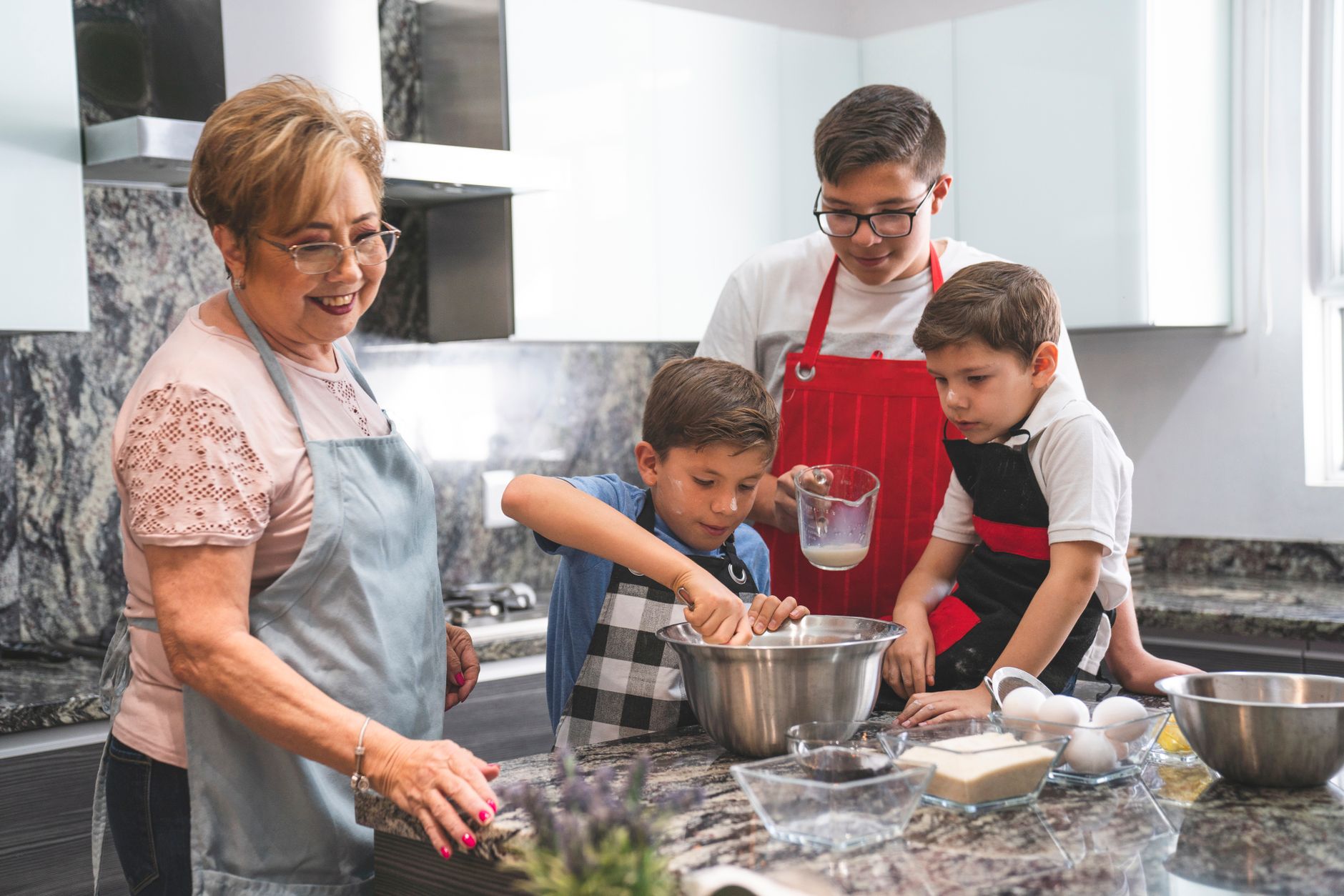
When you arrive at the kitchen, your children wash their hands at the sink we use for all classes. We intro ourselves in English, explain the menu (often written on a small whiteboard), and pass around fresh ingredients so kids see and smell ginger, coriander, chilies. In the first 30–40 minutes, we prep together: children wash vegetables, tear herbs, measure garlic under our guidance. No raw-chicken handling—we keep that backstage. Around 40–50 minutes in, kids start cooking at the stove or stovetop (we use a stable step stool for shorter children). The host stands beside, hands guide wrists, we taste constantly. Final 20 minutes is plating and eating together, sitting at a low wooden table. Children share what they learned, and we write down one ingredient or technique on their recipe card in their own words.

Which age groups thrive, and what should I avoid?
Kids aged 6–12 are our sweet spot: they're old enough to focus, young enough to be thrilled by simple wins like "I fried that." Children aged 5 can attend if they're with an older sibling or parent; they'll stir, tear, and taste, but need more hand-over-hand support. Teenagers (13–15) enjoy classes if framed as learning a life skill, not a "kid activity"—they often ask for harder recipes or techniques. Avoid classes when your child is overtired, hungry, or resistant; morning sessions (9–11 a.m.) suit younger kids better than late afternoon. If a child has a strong food aversion or refuses to try new tastes, talk to us in advance—we adapt the menu so they're cooking something they'll actually eat.
Should I choose a group class or private session for my kid?
| Option | Who It's For | Group Size | Vibe | Best If... |
|---|---|---|---|---|
| Group class | Kids age 6–12; first-timers; social learners | 2–6 children | Peers encourage each other; less one-on-one time; messier, louder, fun | Your child enjoys making friends and loves a slightly chaotic kitchen |
| Private session | Families; picky eaters; kids under 6; kids with allergies; one-on-one learners | Your family or 1 child + parent | Calm; tailored pacing; parent can cook alongside; easier to adapt menu | You want full host attention, custom menu, or your child is shy or has complex dietary needs |
Group classes cost less (ask us for a quote). Private sessions let you pick exact dates, invite siblings, and cook what your child loves. Many families do a group class first to test the vibe, then book private for a sibling's birthday.
What real problems do we solve, and how do we adapt?
Allergies and dislikes: Send us a WhatsApp message before booking with any nut, shellfish, soy, or ingredient your child avoids. We swap vegetables, use alternative proteins, and have options for gluten-free or dairy-free tastes. We cook with your child's preferences, not against them.
Young or very cautious kids: Under-8s don't use sharp knives; they tear herbs, stir, measure, and flip (with our hand underneath). We praise effort, not perfection. A child who's never cooked won't "fail"—they'll discover that burnt edges happen, and it's still food.
Rain or extreme heat: Rain doesn't stop kitchen work. Heat in May–September is real; we schedule early mornings (7:30–9:30 a.m.) when the kitchen is cooler, provide water constantly, and choose recipes that don't involve standing over a stove for long. We've rescheduled only once in three years due to flooding.
Short attention span: 2–2.5 hours is deliberately short. We cook three dishes, not five. If a child is bored halfway, our host suggests they taste and help plate instead, or they shadow us while eating snacks.
How is this different from a cooking show, tutorial, or restaurant kids' menu?
A cooking class is a doing experience, not a watching one. Your child's hands touch raw ginger; their arm stirs the wok; they decide if the broth needs salt. A YouTube tutorial teaches you to cook like a video—passive, fast-forwarded, edit-friendly. We teach you to feel the heat, taste constantly, adjust by instinct. Restaurant kids' menus are pre-made and rushed. In our kitchen, children slow down, learn why ginger goes in before garlic, taste the difference salt makes, and often ask "Can I make this at home?" That question is the real outcome.
We focus on Vietnamese cooking fundamentals adapted for small hands and young palates. Kids leave knowing how to boil water properly, season without over-salting, and understand why Vietnamese home cooks layer flavors slowly instead of dumping spices in at once. Many return to cook with parents at home and ask for ingredients from markets they recognize.
What to check before you book
- Age fit: Is your child age 5+? Do they enjoy eating and exploring food, even a little?
- Dietary needs: Any allergies, vegetarian/vegan preference, or strong dislikes? Tell us now, not on arrival day.
- Timing: Ask about dates and times that suit your schedule. We run classes most days; finding a slot takes one WhatsApp message.
- Language: Classes are English-hosted. A child who speaks no English can still participate (we use gestures, cooking is universal), but will get less from the chatting parts.
- What to wear: Bring a small apron if your child has a favorite (optional—we provide). Avoid loose sleeves near the stove. Bring a spare shirt if your child is very young and gets saucy easily.
- Expectation: This is not a fancy pastry course or a Michelin intro. It's real home cooking, sometimes a bit messy, always delicious.
What meals or cuisines do we cook?
Our menu changes seasonally and by group interest. Typical dishes include: spring rolls (fresh and fried, kids often prefer fresh); stir-fried water spinach or broccoli with garlic; caramelized pork or tofu; papaya and shrimp salad; pumpkin or sweet potato soup; sticky rice with mango (a universal favorite). We always ask if your child loves or dislikes any of these before the session. Kids who've never eaten Vietnamese food often expect spice and are relieved to find balance—sour, sweet, salty, herbal, not just heat. A child who dislikes fish sauce might opt for a fish-sauce-free version of the same dish; we don't pretend it doesn't exist, we just cook around it.
For families interested in broader culinary experiences, we also run street food and market tours suited to older kids (10+) who want to explore Vietnamese food culture beyond the kitchen. Many families combine a cooking class with a market walk: they choose ingredients on the tour, then cook with them in the next session.
Ho Chi Minh City has other kids' activities—art, swimming, language classes—but a cooking session is one of the few where your child leaves having made something edible and real. That creates a different kind of pride.
Why book with us instead of a resort or tourist-cooking place?
We're not in a hotel or a tourist-packed cooking school. Our kitchen is a family space in a quiet lane off Ho Chi Minh City's old quarter, used by locals for daily cooking. That means: smaller groups, slower pace, no performance or rushed timing, and a more genuine sense of how Vietnamese families actually cook. Our hosts speak English fluently, have cooked this way their whole lives, and genuinely enjoy teaching kids. We don't sell branded aprons or cookbooks; we give your child a handwritten recipe card and confidence.
Many families book again for older siblings, bring grandparents on return visits, or ask us about other family experiences like flower arranging, farm visits, or tea sessions that work for children too. We're part of Cáo Experiences, a hands-on studio in Ho Chi Minh City—we run small-group classes in cooking, coffee, craft, horse riding, and countryside days, all designed for people who want to do something, not just watch or buy.
See how a session runs
Pages from our team you may need

FAQ
Can a parent cook alongside their child, or is it kids-only?
Either works. Some children relax better with a parent in the kitchen; others prefer independence. If both child and parent cook, we adapt portions and teach techniques that suit both skill levels. Let us know your preference when you book.
What if my child is vegetarian or vegan?
We cook vegetarian versions of every dish—spring rolls with tofu, stir-fried vegetables, plant-based broth soups. Our hosts are familiar with these preferences and don't treat them as complications. Just tell us in advance so we shop correctly.
Do kids eat the food they cook, or just watch?
Kids eat everything they cook. Tasting is built into the class—they taste broth before it's finished, sample a spring roll they just fried, sit down together at the end and eat the full meal. This is a big confidence moment and often the reason children remember the class months later.
What if my child has never cooked before and is nervous?
Nerves usually fade in the first 15 minutes once they're handling real ingredients. We go very slowly with beginners, praise effort over outcome, and make sure they feel in control—we guide, but they stir and taste. Very nervous kids often become the most proud by the end.
Is it safe for kids to use the stove?
Yes, with our hand on top of theirs or directly underneath. Kids under 8 don't hold the pan alone; we hold it, they stir inside it. Kids 8+ can stir-fry with us standing beside. We never leave a child unsupervised near heat. Parents or guardians are welcome to stay and watch the entire time.
What should I bring, and what's the cancellation policy?
Bring nothing except your child. We provide aprons, all ingredients, and the kitchen. For cancellation: ask us on WhatsApp about our policy when you book—life happens, and we're flexible with rain or illness.
How do I book, and when do classes run?
Send us a WhatsApp message with your child's age, dietary needs, and preferred dates. We'll reply with available times and a quote. Classes run most mornings and some afternoons, year-round, in central Ho Chi Minh City.
Ask about dates
Tell us the city, your dates and what you would like to try. We reply on WhatsApp in English with options and availability.
FAQ
Can a parent cook alongside their child, or is it kids-only?
Either works. Some children relax better with a parent in the kitchen; others prefer independence. If both child and parent cook, we adapt portions and teach techniques that suit both skill levels. Let us know your preference when you book.
What if my child is vegetarian or vegan?
We cook vegetarian versions of every dish—spring rolls with tofu, stir-fried vegetables, plant-based broth soups. Our hosts are familiar with these preferences and don't treat them as complications. Just tell us in advance so we shop correctly.
Do kids eat the food they cook, or just watch?
Kids eat everything they cook. Tasting is built into the class—they taste broth before it's finished, sample a spring roll they just fried, sit down together at the end and eat the full meal. This is a big confidence moment and often the reason children remember the class months later.
What if my child has never cooked before and is nervous?
Nerves usually fade in the first 15 minutes once they're handling real ingredients. We go very slowly with beginners, praise effort over outcome, and make sure they feel in control—we guide, but they stir and taste. Very nervous kids often become the most proud by the end.
Is it safe for kids to use the stove?
Yes, with our hand on top of theirs or directly underneath. Kids under 8 don't hold the pan alone; we hold it, they stir inside it. Kids 8+ can stir-fry with us standing beside. We never leave a child unsupervised near heat. Parents or guardians are welcome to stay and watch the entire time.
What should I bring, and what's the cancellation policy?
Bring nothing except your child. We provide aprons, all ingredients, and the kitchen. For cancellation: ask us on WhatsApp about our policy when you book—life happens, and we're flexible with rain or illness.
How do I book, and when do classes run?
Send us a WhatsApp message with your child's age, dietary needs, and preferred dates. We'll reply with available times and a quote. Classes run most mornings and some afternoons, year-round, in central Ho Chi Minh City.
More like this
Experiences for families and kids
Family workshop Vietnam vs Thailand: where to take kids in 2026
Vietnam and Thailand both offer immersive family workshops, but the pace, cost structure, and focus differ significantly. We run both types of sessions at Cáo Experiences and can help you choose.
Experiences for families and kids
Family Workshop Vietnam Gift Voucher: What Works Best
A family workshop gift voucher in Vietnam lets relatives experience cooking, craft, horse riding or tea together—no tickets, no queues, real hands-on time. We help you pick the right session type and duration for the ages and interests in your group.
Experiences for families and kids
Family workshops in Vietnam for Indian travelers: what to expect
Indian families visiting Vietnam often wonder how to keep children engaged and learn something authentic together. Cáo Experiences runs small-group and private workshops—cooking, coffee, flower arranging, craft, and farm days—designed for kids, parents, and grandparents, hosted in English with real