
Home › Blog › Street food and market tours
Beginner Street Food Tour in Ho Chi Minh City: What to Expect
By the Cáo Experiences team · 2026-11-06
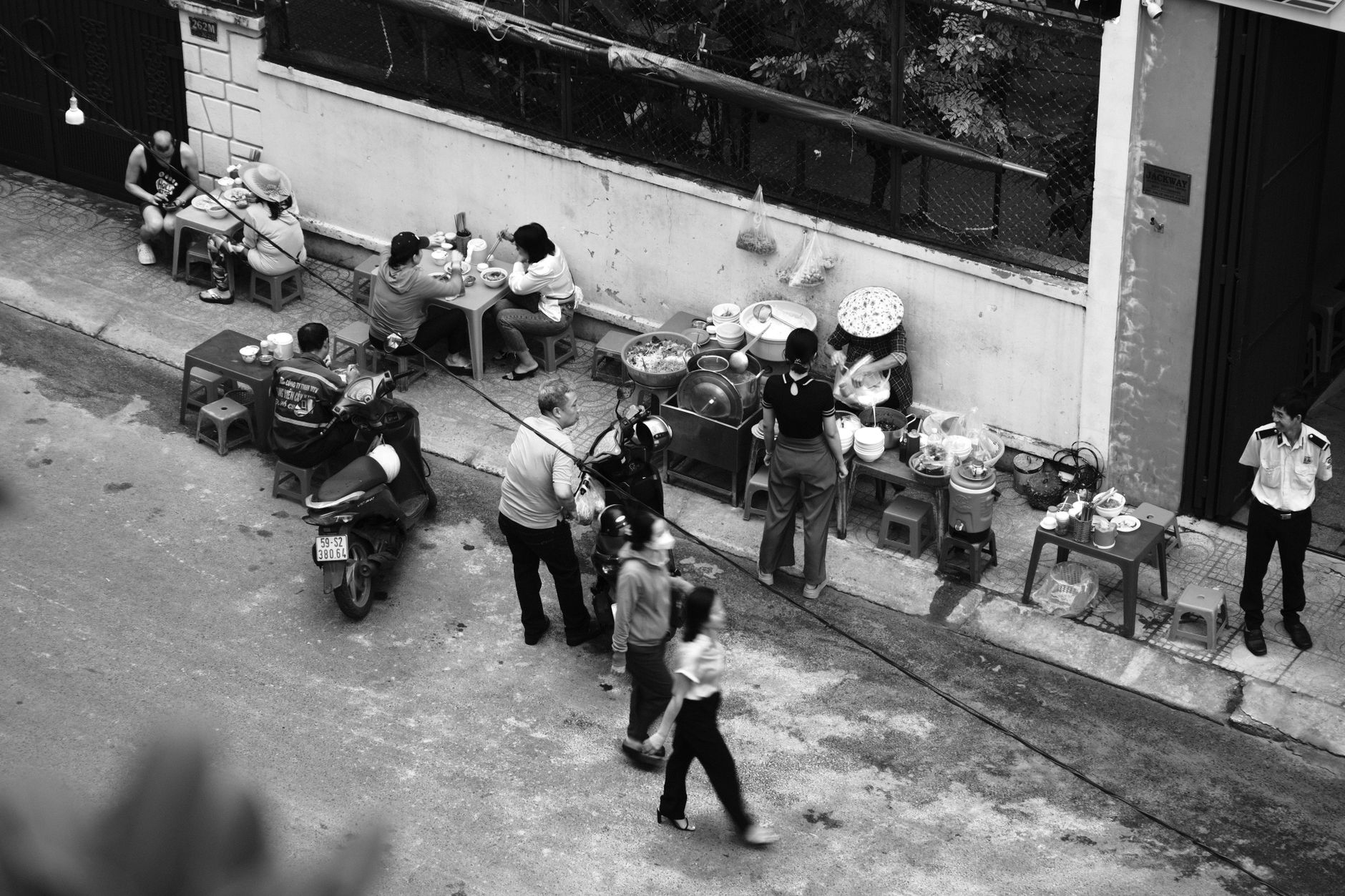
A beginner street food tour in Ho Chi Minh City is a 3–4 hour guided walk through working markets, alleyways, and family food stalls where we stop to taste 6–8 dishes—banh mi, pho variants, spring rolls, grilled specialties, desserts, and drinks. You don't cook; you walk, watch vendors work, and eat. Cáo Experiences runs groups of 2–8 people in English with a host who explains ingredients, cooking methods, and etiquette. Most beginners worry about spice, street hygiene, and not liking unfamiliar textures; we let you taste small portions first and always skip dishes if you're unsure. Tours suit couples, solo travelers, families with kids aged 7+, and seniors who walk comfortably; we can slow the pace or shorten the route if needed. Rainy weather doesn't cancel; we use umbrellas and shift to covered market areas. Expect to spend a few hours walking in heat, wearing comfortable shoes and loose layers. For allergies or dietary restrictions (vegetarian, shellfish-free, gluten concerns), tell us before booking so we guide you to safe stalls. Ask us for dates and a quote on WhatsApp. See how a session runs
What exactly do you eat on a beginner tour?
We visit 6–8 stops over 3–4 hours, tasting iconic Vietnamese street foods in real order: morning banh mi at a family-run kiosk, a pho or hu tieu shop during mid-morning service, spring rolls or cha gio at a vendor known for quality fillings, a grilled meat or fish stall, a dessert or sweet soup stop, and a beverage station (iced coffee, sugar cane juice, or herbal drink). You taste in small portions; no one expects you to finish every dish. We choose vendors based on the morning or afternoon—if you tour at 7 a.m., we hit breakfast stalls; if 11 a.m., lunch prep begins. Hygiene is a real concern for newcomers: we select stalls with high foot traffic, clean water sources, and vendors we know. You'll see how food moves from prep to your mouth in minutes, which often reassures anxious first-timers more than any speech.

How do tours handle dietary limits or food fears?
Tell us before you book: vegetarian, vegan, shellfish allergy, gluten sensitivity, or specific spice tolerance. We then scout the route and pre-brief the vendor—"this guest eats no meat"—so they're ready. Vegetarian guests can taste at nearly every stop; we find vegetable-based banh mi, vegetable spring rolls, and meat-free pho (broth-only). Shellfish is used in many dipping sauces and fish sauce, so we identify which stalls use it and which don't. Severe allergies (nut, sesame) need extra care; we may skip certain stalls or bring a translation sheet for the vendor. Spice fears are common: we let you taste the broth or sauce first with a clean spoon before committing. Kids often refuse unfamiliar textures; we ask them to "just smell" or "lick a tiny bit" rather than forcing a full spoonful. Seniors with dentures or difficulty chewing get softer options: pho, congee, and smooth soups instead of chewy spring rolls. The key: we taste with you, not behind you, so you see us eating the same food and feel safer.
Why walk a market instead of eating at one restaurant?
A single restaurant serves a refined menu; the streets show you how ordinary Saigon eats every day. You taste the range—salty pho, sweet spring rolls, spicy grilled meat, savory banh mi—not one chef's interpretation. You also see the people: a 70-year-old woman frying banh cuon in her lane kitchen for 40 years, a young couple starting a grilled fish stall, a vendor who mixes his own hot sauce. Markets teach timing and freshness: you watch someone grill meat to order, or boil pho broth at dawn. Restaurants hide that work. Walking also means you set your own pace—rest, ask questions, watch longer at stalls you're curious about. Groups let you taste more without ordering full portions; if your companion tries the crab banh mi and you try the sardine version, you split the cost and double the learning. For farm and countryside experiences lovers, the market tour is the urban equivalent: seeing food from source to mouth, not just on a plate.

What's the difference between beginner and advanced street food tours?
| Aspect | Beginner Tour | Advanced Tour |
|---|---|---|
| Duration | 3–4 hours | 4–5 hours |
| Number of stops | 6–8 stalls | 10+ stalls, some off main routes |
| Stall type | Busy, well-known, high turnover | Niche vendors, hidden alleyways, specialist makers |
| Pacing | Slow; time to rest and digest | Brisk; assumes comfort walking and tasting unfamiliar textures |
| Explanation depth | Ingredient names, basic cooking methods | Regional history, recipe variations, vendor family stories |
| Dietary flexibility | High; we adapt and skip freely | Assumes fewer restrictions; focuses on regional authenticity |
| Physical demand | Flat lanes, frequent sitting breaks | Steep markets, long stretches, crowded peak-hour walking |
| Who it suits | Families, first-timers, seniors, nervous eaters | Repeat visitors, adventurous palates, food writers |
Beginners need permission to go slowly, rest often, and say no; advanced guests crave depth and rarity. If you're unsure which fits you, ask us on WhatsApp—we'll match you honestly.
How do kids and seniors experience a street food tour differently?
Kids (7–14 years old): Shorter overall time (2.5–3 hours instead of 4) with more play time between stops. We let them handle chopsticks, watch the cooking closely, and taste only what they recognize or feel brave enough to try. Sweet dishes (sticky rice, fruit, sugary drinks) hold their attention better than broths. We find family stalls where children are already eating, so kids see peers enjoying the same food. Sticky, sloppy foods like pho or banh mi are more fun than formal etiquette. Parents often taste more while kids snack and ask questions.
Seniors (65+): Slower walking speed, more rest breaks, softer foods (pho, congee, smooth soups). We avoid steep wet-market stairs and crowded peak-hour rushes; morning tours at 7 a.m. suit seniors better than lunch crowds. We ensure seating at each stop so there's no standing for long. Water and shade breaks are built in. Seniors often surprise us: they're less worried about "germs" than younger guests and more curious about cooking methods and vendor stories. A 70-year-old from Australia often remembers a similar dish from childhood and asks the vendor detailed questions.
Both groups thrive on smaller group sizes (2–4 people max) so the pace feels personal, not rushed.
What to check before you book a beginner street food tour
- Tell us your walking fitness and any mobility issues. If stairs or uneven ground hurt, we'll reroute. If you tire easily, we'll shorten the distance and add rest time.
- List all food restrictions and allergies upfront. Shellfish, nuts, gluten, vegetarian—send the full list so we can pre-scout stalls and brief vendors.
- Confirm the tour time. Morning (6:30–9:30 a.m.) hits breakfast vendors and morning energy; afternoon (11 a.m.–2 p.m.) catches lunch rush and more choice. Night tours (5–8 p.m.) focus on casual drinks and grilled skewers.
- Wear flat, closed walking shoes. Markets are wet, slippery, and sometimes have sharp shells or broken tiles. Flip-flops invite injury.
- Check the weather 24 hours before. Rain doesn't cancel; we use umbrellas and shift to covered market areas. If a typhoon warning is active, we'll reschedule.
- Budget for small extra purchases. Tour price includes tastings; if you fall in love with a stall, you might buy a full portion or a souvenir (spice blend, sauce bottle). Bring small cash.
- Clarify group size and composition. Are you the only booking, or will we combine you with other travelers? Know this so you're mentally prepared.
A beginner street food tour pairs well with Vietnamese cooking classes if you want to recreate dishes at home, or with Vietnamese coffee workshops if you're curious about another iconic street ritual. Our street food and market tours page has more detail on routes and timing.
FAQ
What if I'm a very picky eater—can I still do a beginner tour?
Yes, but tell us in advance. We'll map stops with milder, simpler foods and give you permission to taste tiny portions or skip dishes. Many "picky" guests surprise themselves by trying something new with a local guide explaining it.
How much cash should I bring for extra food or drinks?
We don't state amounts; ask us on WhatsApp. Most guests spend a small sum on an extra bowl they love or a beverage, but it's not required—tour tastings cover the main experience.
Can I book a private tour just for my family instead of joining a group?
Yes, private groups are available. Ask us for dates and availability on WhatsApp; we'll outline the structure.
What happens if it rains heavily on tour day?
We use umbrellas and shift to covered market sections. Severe typhoon warnings will trigger a reschedule; we confirm 24 hours before.
Is the pace fast—will I feel rushed eating unfamiliar food?
No. Beginner tours are designed slow: 20–30 minutes per stop, time to rest between stalls, and no pressure to finish or keep up. We eat at your rhythm.
Will the guide speak English the whole time?
Yes. We host all tours in English. We also translate menu items and vendor stories so you understand what you're tasting.
Are there vegetarian or vegan options on every stop?
Not every stall, but most tours include 2–3 dedicated vegetable stops. Tell us your diet when you book; we'll plan a route with enough meatless options for you.
How much walking is involved—how many kilometers?
Usually 2–3 km over 3–4 hours with rest breaks. It's slow urban walking, not hiking. Seniors and less-fit guests can do shorter routes if they prefer.
Ask about dates
Tell us the city, your dates and what you would like to try. We reply on WhatsApp in English with options and availability.
FAQ
What if I'm a very picky eater—can I still do a beginner tour?
Yes, but tell us in advance. We'll map stops with milder, simpler foods and give you permission to taste tiny portions or skip dishes. Many "picky" guests surprise themselves by trying something new with a local guide explaining it.
How much cash should I bring for extra food or drinks?
We don't state amounts; ask us on WhatsApp. Most guests spend a small sum on an extra bowl they love or a beverage, but it's not required—tour tastings cover the main experience.
Can I book a private tour just for my family instead of joining a group?
Yes, private groups are available. Ask us for dates and availability on WhatsApp; we'll outline the structure.
What happens if it rains heavily on tour day?
We use umbrellas and shift to covered market sections. Severe typhoon warnings will trigger a reschedule; we confirm 24 hours before.
Is the pace fast—will I feel rushed eating unfamiliar food?
No. Beginner tours are designed slow: 20–30 minutes per stop, time to rest between stalls, and no pressure to finish or keep up. We eat at your rhythm.
Will the guide speak English the whole time?
Yes. We host all tours in English. We also translate menu items and vendor stories so you understand what you're tasting.
Are there vegetarian or vegan options on every stop?
Not every stall, but most tours include 2–3 dedicated vegetable stops. Tell us your diet when you book; we'll plan a route with enough meatless options for you.
How much walking is involved—how many kilometers?
Usually 2–3 km over 3–4 hours with rest breaks. It's slow urban walking, not hiking. Seniors and less-fit guests can do shorter routes if they prefer.
More like this
Street food and market tours
Best Street Food Tour in Sapa: What to Expect, How to Choose
Street food tours in Sapa connect you with hill-town cooks and night markets. We'll walk you through what these sessions offer, who they're for, and how to avoid common missteps.
Street food and market tours
Best Street Food Tour in Hue: What to Choose, Who It's For
A street food tour in Hue isn't one thing—it's a choice between styles, neighborhoods, and paces. We break down what actually happens on each type, and how to know which fits your group.
Street food and market tours
Best Food Walking Tour in Vietnam: Hanoi Street Food Guide
A food walking tour in Vietnam immerses you in bustling markets and street lanes where vendors have cooked the same dishes for decades. We show you what to taste, how to order, and the stories behind each bite.