
Home › Blog › Street food and market tours
Beginner street food tour in Hoi An: what to expect
By the Cáo Experiences team · 2026-11-06
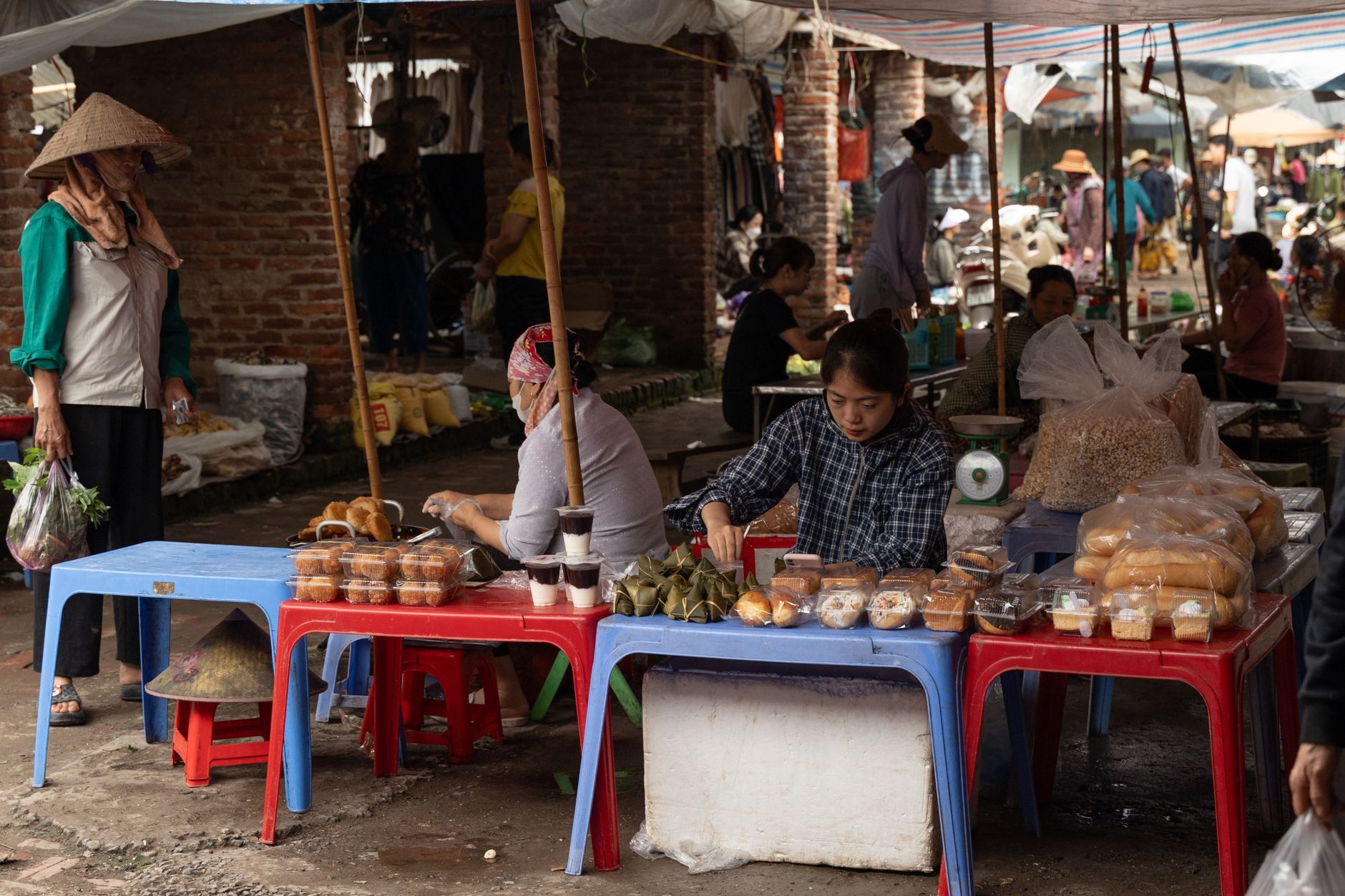
A street food tour in Hoi An with Cáo Experiences runs 2.5 to 3 hours, starting early morning (around 6 a.m.) or early evening (around 5 p.m.), when vendors set up. A small group of 4–8 guests walks through narrow lanes in the old quarter with one English-speaking host, stopping at 5–7 stops: a bánh mì cart, a phở stand, a rice-paper roll family kitchen, a grilled meat vendor, a dessert or soup specialist. You taste as you walk, learn why that corner matters, hear stories about the cook's family. Beginners worry they'll feel rushed, get lost, or not know what they're eating—we pace slowly, stay in one neighborhood, and explain every dish before you taste. Ask us for dates and a quote on WhatsApp. Ask about dates on WhatsApp
Why start with a street food tour if you're new to Hoi An?
Hoi An's street food tells you the town's rhythm better than any guidebook. Morning tours catch vendors setting up fresh stock from markets; evening tours show how families shift from lunch to dinner prep. You'll see why bánh mì tastes different here than in Hanoi, and which dishes are Hoi An-only. Beginners often book museum visits first, but we find that walking and eating with a local host opens the town in a way that nothing else does—you meet the cook, taste the dish warm, and understand what Hoi An is.

What do you actually eat on a morning versus evening tour?
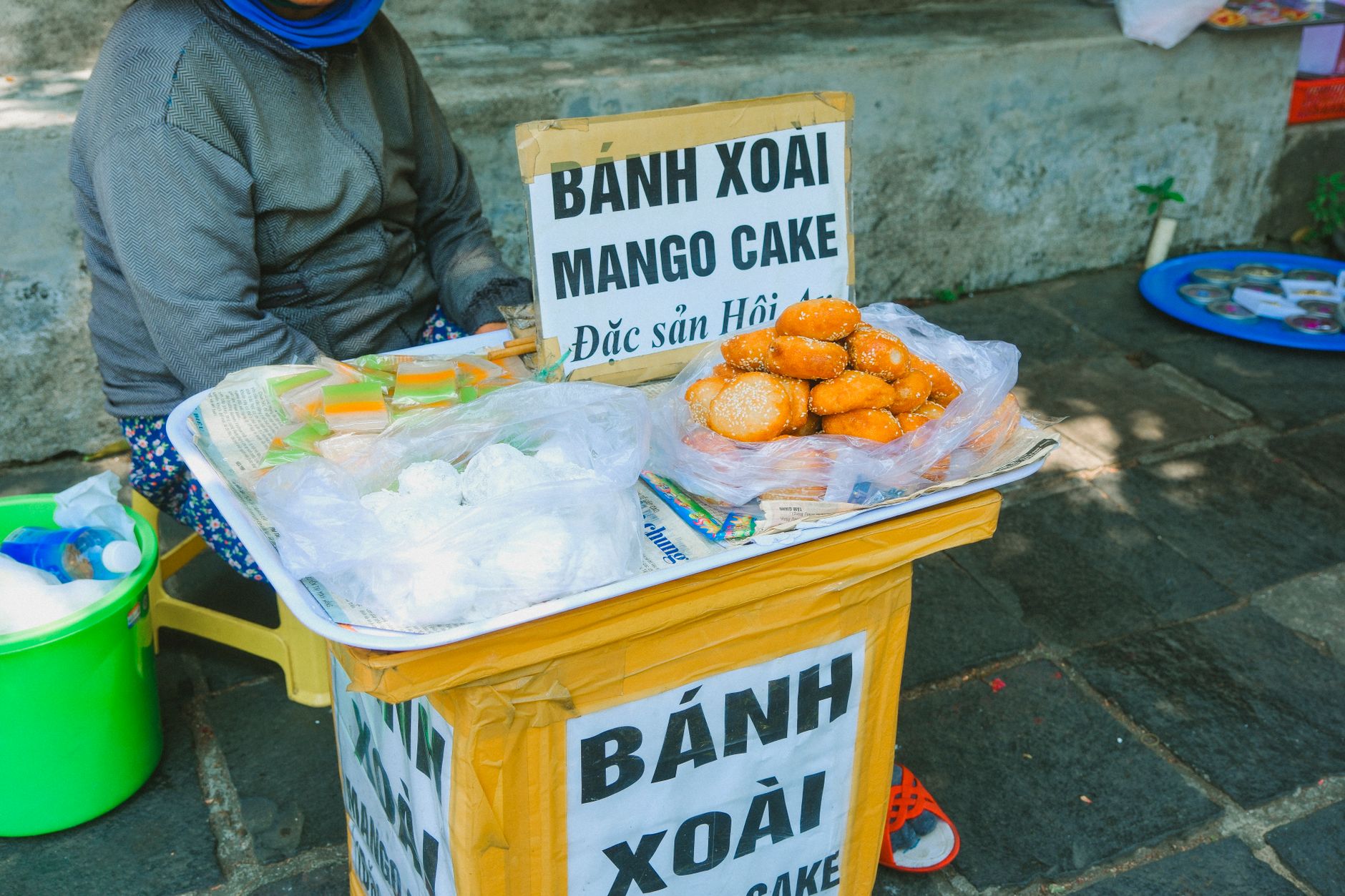
Morning tours focus on breakfast traditions: bánh mì from a family cart (crispy bread, pâté, pickled vegetables, fresh herbs), phở from the same family for 40 years, fresh spring rolls or roll-at-order places where the dough is still warm. You're tasting what locals buy before 8 a.m. Evening tours hit lunch leftovers repurposed as dinner appetizers, grilled meat vendors (skewers of pork or chicken cooked over charcoal), and cooler dishes like tamarind fish or cold noodle soups. Both tours include a sweet finish: sticky rice with mango (if in season), or a local dessert soup. Dietary needs—vegetarian, no shellfish, allergies—we confirm on WhatsApp and flag stops in advance.
How do beginner walkers handle the pace and terrain?
We move slowly. Most stops last 10–15 minutes, so you eat unhurried, ask the cook questions (we translate), and catch your breath. Hoi An's old-quarter lanes are narrow, bumpy, and crowded at peak hours—we book early or late to dodge tour buses and families. Wear comfortable flat shoes (no heels; streets are uneven stone). Bring water; we stop at a public spot to refill. For seniors or anyone with mobility concerns, we stick to the flattest lanes and shorten the walk to 2 hours instead of 3. Kids under 10 sometimes find the pace fine, but spice levels and bold flavors (pâté, fermented shrimp paste) surprise them—we mention this on WhatsApp and you decide if your child wants to try each dish or skip. Rain usually means we reschedule; if a light drizzle comes during the tour, vendors often move under awnings and the experience stays warm and covered.
Should you do a cooking class or street food tour first?
Compare what you want to learn: a cooking class teaches you how to make 3–4 dishes in a family kitchen, hands-on from prep to plate, taking 3–4 hours. A street food tour teaches you what exists and why it matters, by tasting from vendors, in 2.5 hours. Most beginners start with the tour (you understand the food culture first, taste what locals actually eat), then book a class if you want to reproduce a dish at home. Some do both in one trip: tour one morning, class another day. We also offer experiences in Hoi An pairing food with crafts, cycling, or market visits—ask us which combination fits your schedule.
| Experience | Time | What you do | Best for | When to book |
|---|---|---|---|---|
| Street food tour | 2.5–3 h | Walk, taste from 6–7 vendors | Learning what locals eat | First day in town |
| Cooking class | 3–4 h | Prepare 3–4 dishes, eat your work | Wanting recipes to take home | After the tour |
| Market + cooking combo | 5–6 h | Market walk, class, meal | Deep dive, foodies | 1 full day |
What's the difference between a beginner tour and a "foodie" tour?
We don't run separate tracks, but we adapt. A beginner tour focuses on why dishes exist and where to find them again, with plain explanations, slower pacing, and milder spice options. A foodie or return-visitor tour digs into fermentation, family recipes passed down three generations, rare ingredients (specific fish sauce brands, heirloom chiles), and the economics of street vending. Both are small groups (max 8), both walk the same lanes, both taste the same dishes—the difference is depth and curiosity level. Tell us on WhatsApp if you're curious about technique or just hungry to try the real thing; we'll pitch the story accordingly. No experience level required; we meet you where you are.
What to check before you book
- Dietary needs. Message us early with allergies, vegetarian, no-shellfish, or spice limits. Some stops are hard to adapt (a phở stand uses the same broth base), but we'll find alternatives or skip and add a different vendor.
- Shoes and weather. Flat, closed-toe shoes grip stone lanes. Bring a light jacket for early mornings (cool before sunrise) and the air-conditioning in a café if we shelter.
- Physical stamina. The walk is 2–3 km of slow, winding streets. Bring water. If you have a bad knee, tell us and we'll shorten to 1.5 km and skip stairs.
- Group size. Tours run 4–8 people minimum. If you're solo or a pair, we pair you with others or offer a private tour at a different rate—ask us.
- Languages. Tours run in English only. If someone in your group speaks no English, we can arrange a guide switch, but confirm on WhatsApp first.
How does a typical 3-hour morning tour unfold?
6:00 a.m. You meet your host at a café in the old quarter (we name the spot in your booking confirmation). We intro ourselves, explain the plan, and set a pace you're comfortable with.
6:15–6:35 a.m. Stop 1: a family bánh mì cart. Watch the vendor slice the bread, assemble the sandwich. You taste it (still warm). The host explains why bánh mì is French-colonial and Vietnamese at once.
6:40–7:00 a.m. Stop 2: phở from a family doing it 40 years. We talk about broth (simmered overnight), noodles, and why Hoi An's version is lighter than Hanoi's. You order a bowl or a small cup to taste.
7:10–7:30 a.m. Stop 3: spring roll or dumpling place. Watch them fold or roll, taste fresh (not fried). Ask questions about the fillings.
7:35–8:00 a.m. Stop 4: grilled meat vendor or fish cake specialist. You taste skewers or soup.
8:05–8:25 a.m. Stop 5: sweet finish. Sticky rice, cold soup, or a local pastry. You sit, relax, eat without rushing.
8:30 a.m. Tour ends. We point you toward breakfast spots or back to your accommodation.
Can you combine this with other experiences?
Yes. Many guests pair the street food tour with a farm and countryside day (visit a local farm, buy fresh herbs and veg, cook them the same day), a Vietnamese cooking class (taste on the street, then make your own pho at home), or an art and culture class in Hoi An's silk-weaving or woodcarving traditions. Group and team experiences can build a full day: market walk, class, tour, group dinner. Mention your other interests on WhatsApp and we'll build a package.
See how a session runs
FAQ
Do I need to speak Vietnamese to join a street food tour?
No. All tours run in English with a local host who translates vendor names and ingredient questions. The cook will often smile and offer extra samples even if you don't speak their language.
What if I'm vegetarian or allergic to shellfish?
Tell us before booking. We can skip phở (uses fish stock) and grilled meat, and find noodle soups, vegetable spring rolls, and tofu-based stops. Some vendors are hard to adapt; we'll note which stops we'll skip and add a different vendor instead.
How much should I tip vendors?
Tipping at street carts is not expected in Vietnam, but leaving loose change or rounding up is kind and appreciated. Your host will show you what's normal.
Can I do the tour if I'm not a morning person?
Yes. We offer evening tours (5–6 p.m.) hitting different vendors and dinner-time specialties. Evening is slightly busier with local families, but the food is just as authentic and often less touristy.
What if it rains?
Light rain usually means vendors stay under awnings or plastic sheets. If heavy rain comes, we reschedule to the next available date. You keep your reservation and we'll adjust—no loss.
Do I need to book a cooking class before or after the tour?
Neither. You can do either first. A tour teaches you what exists; a class teaches you how to make it. Lots of guests tour first to understand the food, then class a few days later. Some do both in one trip; some just tour.
Ask about dates
Tell us the city, your dates and what you would like to try. We reply on WhatsApp in English with options and availability.
FAQ
Do I need to speak Vietnamese to join a street food tour?
No. All tours run in English with a local host who translates vendor names and ingredient questions. The cook will often smile and offer extra samples even if you don't speak their language.
What if I'm vegetarian or allergic to shellfish?
Tell us before booking. We can skip phở (uses fish stock) and grilled meat, and find noodle soups, vegetable spring rolls, and tofu-based stops. Some vendors are hard to adapt; we'll note which stops we'll skip and add a different vendor instead.
How much should I tip vendors?
Tipping at street carts is not expected in Vietnam, but leaving loose change or rounding up is kind and appreciated. Your host will show you what's normal.
Can I do the tour if I'm not a morning person?
Yes. We offer evening tours (5–6 p.m.) hitting different vendors and dinner-time specialties. Evening is slightly busier with local families, but the food is just as authentic and often less touristy.
What if it rains?
Light rain usually means vendors stay under awnings or plastic sheets. If heavy rain comes, we reschedule to the next available date. You keep your reservation and we'll adjust—no loss.
Do I need to book a cooking class before or after the tour?
Neither. You can do either first. A tour teaches you what exists; a class teaches you how to make it. Lots of guests tour first to understand the food, then class a few days later. Some do both in one trip; some just tour.
More like this
Street food and market tours
Best Street Food Tour in Sapa: What to Expect, How to Choose
Street food tours in Sapa connect you with hill-town cooks and night markets. We'll walk you through what these sessions offer, who they're for, and how to avoid common missteps.
Street food and market tours
Best Street Food Tour in Hue: What to Choose, Who It's For
A street food tour in Hue isn't one thing—it's a choice between styles, neighborhoods, and paces. We break down what actually happens on each type, and how to know which fits your group.
Street food and market tours
Best Food Walking Tour in Vietnam: Hanoi Street Food Guide
A food walking tour in Vietnam immerses you in bustling markets and street lanes where vendors have cooked the same dishes for decades. We show you what to taste, how to order, and the stories behind each bite.