
Best Experiences in Hoi An: Hands-On Classes & Food Tours
By the Cáo Experiences team · 2026-11-06
Hoi An's best experiences are hands-on learning sessions: Vietnamese cooking classes in home kitchens where you shop markets and cook lunch; street food tours through night markets and laneway stalls; coffee workshops roasting beans in traditional setups; flower arranging using local blooms; and farm-to-table days in countryside villages outside town. Cáo Experiences hosts these in English via WhatsApp coordination, running 3–4 hours per session, small groups or private, adapted for beginners, kids, seniors and dietary needs. Rain rarely cancels; we shift indoors or reschedule. Ask us for dates and a quote on WhatsApp—no fixed prices posted, costs depend on group size and session length.
What Makes a Real Hoi An Experience Different from Tourist Snapshots?
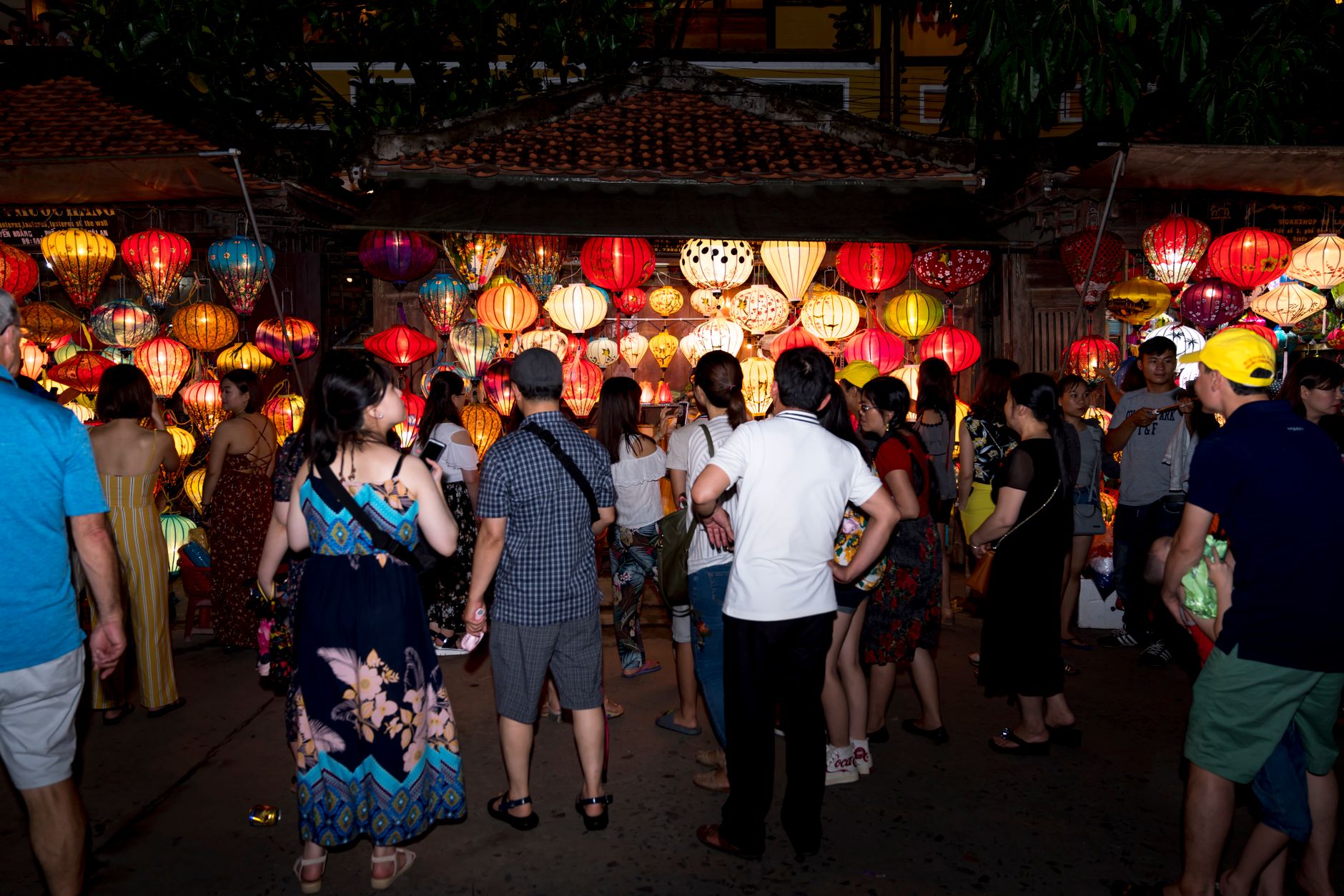
Walking Hoi An Ancient Town at dusk with a camera catches the lanterns. Cooking phở with a local family, chopping your own herbs while she tells you why each one matters—that stays. The difference is participation, not spectation. We design every session around your hands doing the work: you're not watching someone cook; you're building the dish yourself, tasting at each stage, learning why the order matters. A street food guide who stops at three tourist-packed stalls teaches you landmarks. A local guide who takes you to the family-run bánh mì shop where the owner's mother grinds the meat paste, and you eat standing at a plastic stool while learning the history—that's memory-making. Check how a session runs to see the difference in real time.
Which Experience Suits Your Travel Style?
Experience type | Session length | Group or private | Physical demand | Best if you... ---|---|---|---|--- Cooking class | 3–4 hours | Both | Low–moderate | Love food, want recipes to take home Street food tour | 2.5–3 hours | Both | Moderate (lots of walking) | Curious about local habits, eat adventurously Coffee workshop | 2–3 hours | Both | Low | Want to understand Vietnamese coffee culture Flower arranging | 2–3 hours | Both | Low (sitting, focused) | Make something beautiful to keep or gift Farm experience | 4–5 hours | Both | Moderate | Prefer countryside, want to meet farmers Horse riding | 2–3 hours | Both | Moderate–high | Comfortable on horseback, want scenic views
Our hosts adapt every session. Kids under 8 sometimes struggle with full cooking classes but excel at flower arranging and farm visits. Seniors often prefer coffee and tea over market-walking. Allergies? We plan menus in advance via WhatsApp. Rain? Cooking and flower classes move seamlessly indoors; food tours shift to covered markets.
Why Do Beginners Worry—and What We Actually Do?
"I can't cook." "I don't speak Vietnamese." "I've never arranged flowers." These are the three things we hear most, and they're exactly why our sessions work. We teach in English, assume zero experience, and move at the pace of the slowest person in your group—that's a rule. In a cooking class, we walk you through knife skills first, then the dish itself. Your host breaks each step into small tasks: now chop the garlic, now taste this broth and tell me if it needs salt. Nobody judges. A woman from Melbourne told us after her first class: "I thought I'd ruin everything, but I made lunch, and it was exactly how I'd had it at a restaurant here." That's because you're learning technique, not following a recipe card. In a street food tour, your guide translates not just words but stories—why that stall has been in the same laneway for 40 years, what the owner's grandmother invented, which dish is vanishing because young people don't want to wake up at 4 a.m. to prep it. You're not consuming tourism; you're inheriting knowledge. Flower arranging worries are simpler: "My arrangements will look messy." They will, at first. Your teacher will say, "Good. Now move this stem three centimeters to the left." By the end, you'll have made something you'd happily display at home.
See how a session runs
How Do We Keep Sessions Genuine, Not Staged?
The line between "experience" and "theme park" is thin in tourist towns. We stay on the real side by never building a fake kitchen, never hiring actors, never staging a "market surprise." Our cooking classes happen in a family kitchen in a lane off the old quarter—a real home where someone actually cooks breakfast that morning. The pots are the ones they use; the stove is theirs; the ingredients come from their regular vendors. When we do a street food tour, we go when locals eat: early mornings or late afternoons, not peak tourist hours. You eat at the stall; the stall owner serves you from the same pot they serve the neighbor. You're not an audience; you're a customer. The same applies to coffee workshops—we work in spaces where locals actually buy coffee, not museums or cafés set up just for visitors. Farm days take you to actual working farms outside town, where the farmer is there because it's harvest season or planting day, not because tourists booked a slot. Honesty also means telling you what will not happen: you won't master phở in one afternoon; you won't become a barista; your flower arrangement won't rival a professional florist's work after two hours. You will learn why things taste the way they do, how to make a dish at home, what to listen for when brewing coffee, how to think about balance and line in arrangement, and why farming here is harder and more skillful than you expected.

What Logistical Things Save You Time and Frustration?
We coordinate everything via WhatsApp because email feels formal and slow, and you're on holiday—you want flexibility. You message us, we suggest dates based on availability; you confirm; we send a map pin and a time, plus a reminder two days before. For cooking classes, we ask dietary needs upfront (allergies, vegetarian, preferences) so we shop accordingly. For street food tours, we ask fitness level and food fears so we route around stalls that won't work for you. For flower arranging, we ask what you'd like to make (table arrangement, loose bouquet, something to take back to your hotel room) so we have the right supplies. Wear clothes you don't mind getting a little wet or stained. Bring water and a small bag if you're buying market items. For horse riding, wear long pants and closed shoes—we'll tell you exactly what the stable provides and what doesn't fit your size. Bring sunscreen. For farm experiences, wear shoes you can get muddy and a hat if the sun is strong that day. All sessions start in or near Hoi An town center; we'll send the exact pin when you book. None of this is guesswork—we ask questions because we've seen what helps and what creates hassle.
How Do We Adapt for Different Ages, Abilities and Interests?
Families with children often ask: "Will my 6-year-old sit still for a cooking class?" The honest answer is no, not a 4-hour one. But a 2-hour simplified session where kids roll spring rolls, stir broth, and taste at each stage? Yes. We tone down knife work, let them help with the parts that matter most to them, and keep the pace lighter. Teenagers love street food tours and farm experiences more than sitting still to cook. Craft workshops appeal to all ages—you're making something visible and tangible in an hour or two.
For seniors, physical comfort matters. A 3-hour standing market tour might be too much; a 2-hour version with two rest stops and street-side seating works. Cooking classes are often seniors' favorite because the work is seated (chopping at a table, stirring at a stove) and the output is lunch you eat together. Tea experiences attract visitors seeking calm and learning without physical demands. We've run classes with guests using mobility aids; we ask in advance and route accordingly.
Couples often want something romantic but active—that's where flower arranging or a private cooking class shines. Groups and corporate teams need coordination; group and team experiences are designed for that.
Allergies and dietary restrictions: we don't improvise. We build the menu around your needs before day one. Vegetarian? We teach you proper vegetable technique and depth of flavor. Gluten-free? We show you which stalls, which sauces, which techniques. Nut allergy? We change the whole approach to certain dishes.
What Should You Check Before Booking?
- Season and weather. Hoi An is humid most of the year; October–December is clearest. Rain is possible year-round but rarely stops us. Ask what happens if rain does force rescheduling.
- Your fitness and comfort level. Be honest about how long you can stand, walk, or sit. We scale accordingly.
- Dietary absolutes. Allergies, vegetarian, religious restrictions—tell us upfront so we plan the real menu, not a last-minute adjustment.
- Language confidence. Classes are in English. If you're with a non-English speaker, say so; we sometimes have translators available.
- Time of day. Street food tours have a "best time" (early morning or late afternoon). Other sessions are flexible. Ask for the option that fits your schedule.
- What you're taking home. Cooking class: you eat lunch and take a recipe sheet. Flower arranging: you take your arrangement. Farm day: you take memories and maybe some produce if available.
Why Hoi An Over Hanoi or Saigon for Hands-On Learning?
Hanoi and Ho Chi Minh City have energy and scale that Hoi An doesn't match. But Hoi An is smaller, slower, and more intimate—exactly the conditions where a cooking class or market tour feels less like a scheduled activity and more like befriending a local. The old town isn't a museum you walk through; it's where people actually live, work, and eat. Street food stalls have been family-run for decades in the same spot. Farms are a 20-minute drive, not 90 minutes away. Your host is likely to know the owner of a stall or the farmer personally, not via an app. That proximity matters.
If you're spending time in Da Nang, Hoi An is 45 minutes away. If you're heading to Da Lat, Hoi An is on some routes. The question isn't Hoi An or these other places—it's what you want from each. Come to Hoi An to get close, to slow down, to learn by doing.
See how a session runs
Check our blog for real stories from hosts about what happens when guests show up expecting one thing and leave having learned something else entirely. And when you're ready—whether next week or three months out—message us on WhatsApp with your dates and what sparks your interest. We'll find you a session that fits.

FAQ
Do I need cooking experience for a cooking class in Hoi An?
No. We assume zero experience and teach basics—knife skills, heat control, tasting for balance. Your host goes at your pace, and you cook a full dish (usually lunch) from start to finish.
What if I have a severe food allergy?
Tell us in advance via WhatsApp. We plan the entire menu around your allergy, source ingredients accordingly, and you're never a special case—we cook what's safe for you and delicious.
How long is a street food tour, and how much walking is involved?
2.5–3 hours typically. Walking is moderate; you stop frequently at stalls and eat while standing or seated. If mobility is a concern, let us know and we'll route a shorter version with more rest.
Can kids join cooking classes?
Yes, but not long ones. A 2-hour simplified session works well for ages 6+; under 6, we'd suggest a farm visit or flower arranging instead. Ask us for a kids-friendly option.
What should I wear to a cooking class or farm day?
Clothes you don't mind getting splashed or stained. Closed shoes for farm visits. Wear layers; kitchens can be warm. Bring water. No special gear needed.
Do you run sessions if the weather is bad?
Rain rarely cancels. Cooking, flower, and tea classes move indoors seamlessly. Food and horse tours shift timing or date. We'll tell you the plan in advance via WhatsApp.
Ask about dates
Tell us the city, your dates and what you would like to try. We reply on WhatsApp in English with options and availability.
FAQ
Do I need cooking experience for a cooking class in Hoi An?
No. We assume zero experience and teach basics—knife skills, heat control, tasting for balance. Your host goes at your pace, and you cook a full dish (usually lunch) from start to finish.
What if I have a severe food allergy?
Tell us in advance via WhatsApp. We plan the entire menu around your allergy, source ingredients accordingly, and you're never a special case—we cook what's safe for you and delicious.
How long is a street food tour, and how much walking is involved?
2.5–3 hours typically. Walking is moderate; you stop frequently at stalls and eat while standing or seated. If mobility is a concern, let us know and we'll route a shorter version with more rest.
Can kids join cooking classes?
Yes, but not long ones. A 2-hour simplified session works well for ages 6+; under 6, we'd suggest a farm visit or flower arranging instead. Ask us for a kids-friendly option.
What should I wear to a cooking class or farm day?
Clothes you don't mind getting splashed or stained. Closed shoes for farm visits. Wear layers; kitchens can be warm. Bring water. No special gear needed.
Do you run sessions if the weather is bad?
Rain rarely cancels. Cooking, flower, and tea classes move indoors seamlessly. Food and horse tours shift timing or date. We'll tell you the plan in advance via WhatsApp.
More like this
Da Lat
Da Lat local experiences with locals: what to expect
Da Lat's misty mountains and year-round spring weather draw travelers seeking escape from the lowlands. Real local experiences—not tours—happen in family kitchens, forest gardens, and craft workshops where you work alongside people who live here.
Da Lat
Da Lat experiences with hotel pickup: day trips and classes
Da Lat's cool mountain air, flower farms, and craft culture draw visitors year-round. We arrange hands-on experiences with hotel pickup so you skip transport logistics and focus on learning.
Da Lat
Da Lat workshops and classes: hands-on learning in the highlands
Da Lat's cool mountain air and creative community make it ideal for intimate workshops. We run hands-on classes in cooking, coffee, crafts and more—learn a real skill, not a tourist tick.