
Home › Blog › Street food and market tours
Best Food Tour in Hanoi: Street & Market Guides for 2026
By the Cáo Experiences team · 2026-11-06
A food tour in Hanoi means walking backstreets and markets for 3–4 hours with a local host, tasting 8–12 dishes while learning their stories and cooking methods. We run street food and market tours as small groups (4–8 people) or private sessions; you'll visit a wet market at dawn, stop at vendors who've cooked the same dish for decades, taste fresh spring rolls, pho, bun cha, and regional specialties, and understand why each neighbourhood cooks differently. No fancy restaurants—just real food where Hanoians queue. Tours run most mornings and late afternoons to catch peak vendor hours. What to avoid: booking without confirming allergies or dietary limits with us first, wearing shoes you can't walk in for two hours, or assuming you'll recognise food from photos. Ask us for dates and a quote on WhatsApp, and we'll match you with the right guide and route for your group size. Ask about dates on WhatsApp
How does a Hanoi street food tour actually run, hour by hour?
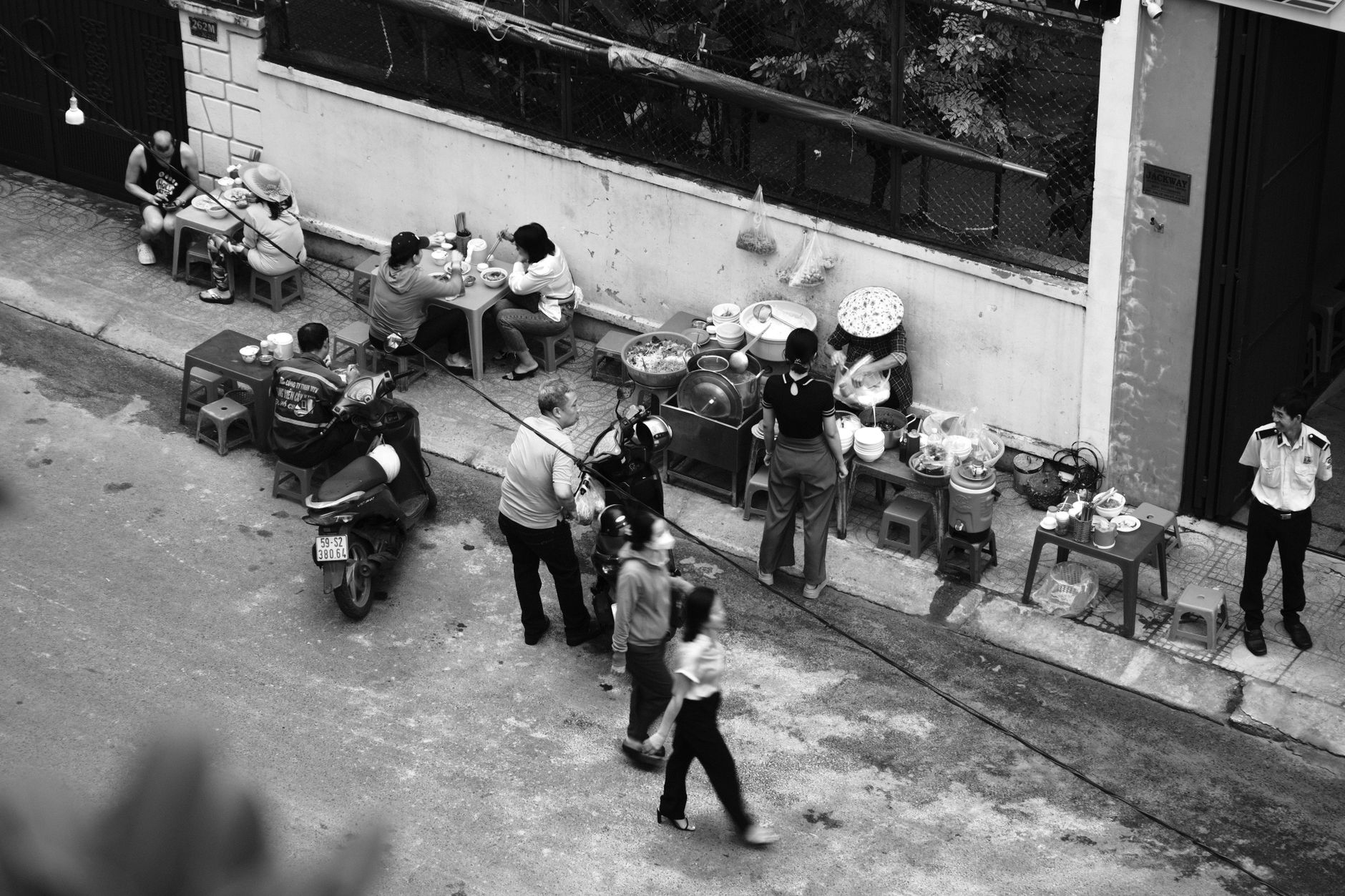
We meet you at a café in the old quarter around 6:30 a.m. or 4 p.m.—you'll get WhatsApp directions the night before. Your host leads you into a laneway most tourists never see: maybe a covered market thick with vendors calling out prices, or a corner where women in aprons stand behind steaming pots. You stop for perhaps 10 minutes at each place—long enough to watch someone fold dumplings or stir a broth that's been simmering since dawn—then eat a portion while the host explains the dish's history, the vendor's family, why this street is famous for it. By hour two you're sitting on a plastic stool eating bun cha with a local family who've made it the same way for 20 years. By the end, you've tasted spring rolls, pho, banh mi, egg coffee or che (sweet soup), and often a regional dish most guide-books don't mention. Total: about 3–4 hours, finished by 9:30 a.m. or 7 p.m. You'll walk 2–3 km, so comfortable shoes matter more than fancy clothes.

What's the difference between a small-group tour and a private one?
Small-group tours (4–8 people) share a host, which means you meet other travelers and the price is lower; your host sets the route and timing, usually the same each day. Private tours let you choose when you go, how many stops, what allergies or dislikes matter, whether you want to skip pho or spend 30 minutes in one market. Both visit the same vendors and eat real street food—not "tourist versions." Private is best if you have specific dietary needs (vegetarian, nut allergies, religious restrictions), want to move slowly with kids or seniors, or prefer the group energy. Small-group works if you're solo or happy to pace with others and enjoy meeting new people. Neither is "better"—it depends on who's coming and what you want to know.
Which routes suit first-time visitors vs. repeat travelers?
First-timers often want the old-quarter laneways: the narrow streets where the markets fill by dawn and the vendors have been there so long their faces are part of the neighbourhood's identity. You'll eat pho (beef noodle broth), banh mi (crispy bread with pâté and pickles), and maybe a dish you've never heard of before. Repeat visitors or people who've eaten in Hanoi before often choose a second route—maybe a district beyond the tourist map, or a market specialising in one type of food (rice noodles, fish cakes, spring rolls). Some ask us to focus on a particular region's food: northern dishes that rarely leave Vietnam, or street recipes from provinces you can't easily visit. Your host adjusts based on what you've had before and what still excites you. Tell us your food history when you book; we'll avoid repeating dishes and take you somewhere new.
What should I eat if I have an allergy or dietary restriction?
This is where honesty matters most. Tell us your allergies, intolerances, or dietary choice (vegetarian, vegan, pescatarian, religious restrictions, etc.) when you message us on WhatsApp. We'll then choose a route and vendors where we can guarantee safe food—either because they keep your allergen separate, or because we've tasted their food ourselves and confirmed what's in it. For peanut allergies, we know which vendors use what oil and nut-free spice blends. For vegetarians, we'll build a tour around tofu dishes, veggie spring rolls, and markets selling only plant-based food. For severe allergies (shellfish, egg), we'll tell you upfront if a particular vendor isn't safe, rather than risk you getting sick. Some allergies mean we suggest a private tour so the host can pre-brief vendors and stay close. We've adapted tours for guests with coeliac disease, severe nut allergies, and religious dietary laws—just tell us early, and we'll make it work.
How do we adapt for kids, seniors, or guests who struggle with heat or walking?
Children under 10 usually love the sensory rush—bright piles of vegetables, vendors chopping fast, the smell of hot oil—but they tire quickly and dislike strong flavors. We shorten the walk to 1–2 km, add a break in a café halfway, let kids choose which vendors to visit, and focus on milder foods like fresh rolls, rice noodles, and egg coffee. We also make it a game: "Can you guess what vegetable this is?" or "Count how many different soups we see." Seniors often prefer a private tour so the pace is slower, there's a seat available at each stop, and the host can choose a route with less crossing between stalls. In hot season (May–September), we start earlier (6 a.m.) or do a late-afternoon tour (5 p.m.) and include more drinks—fresh sugar cane juice, iced tea, or che. Guests who can't walk far can do a market-only tour: we sit at one vendor's stall for an hour, order multiple dishes, and the host brings food to you. Rain rarely stops us—we reschedule to a day when it's clear, or we move the tour to covered markets and street kitchens under awnings.
See how a session runs

What's the real cost basis for street food tours in Hanoi?
Ask us for dates and a quote on WhatsApp. Tour pricing varies by group size (small-group is less than private), whether we go at peak dawn hours or quieter afternoon slots, and how many stops we include. The host's time, WhatsApp support before the tour, knowledge of vendors, and the time spent checking allergens or dietary needs all factor in. Food costs are low in Vietnam, but your price covers the host's expertise, their relationships with vendors (so we get fresher food and honest service), WhatsApp coordination, and a guide who speaks English and can explain the history and recipes. Compare us against tours that cram 20 people into a group, don't pre-brief on allergies, or charge extra for each food tasting—we include all tastings in the price and limit groups to 8 so you actually learn something.
Comparison: Small-Group vs. Private Food Tours
| Aspect | Small-Group | Private |
|---|---|---|
| Who it's for | Solo travelers, couples, people who enjoy meeting others | Families, groups with allergies, anyone wanting a custom route |
| Group size | 4–8 people | You choose (1–10 typical) |
| Route timing | Fixed (6:30 a.m. or 4 p.m. start) | You pick the day and start time |
| Cost basis | Lower per person; shared host time | Higher; dedicated host |
| Allergen prep | Possible but less personalized | Full pre-tour vendor coordination |
| Best for weather | Any season, standard pace | Heat/rain management to your needs |
| What to check before booking | Confirm start time and stops with host 24 hours ahead | Specify allergies, dietary needs, and mobility limits when booking |
What to check before you book a food tour
Ask the host these questions on WhatsApp:
- Do you adapt the route if I text dietary needs or allergies now?
- Can I see photos or descriptions of the specific vendors we'll visit?
- What's the walking distance, and are there rests or chairs?
- If it rains, do we reschedule or move to covered markets?
- What should I wear and bring (water bottle, cash, comfortable shoes)?
- Will we meet other travelers (small-group) or is this private?
- What happens if a vendor runs out of a dish or closes early?
Avoid tours that won't confirm allergies in writing, promise "exclusive" vendors that sound like restaurants, or schedule back-to-back tours with no flexibility for weather. Cáo Experiences hosts coordinate on WhatsApp before you arrive, so you're not a surprise—we know who you are, what you eat, and what you want to learn.
More food experiences in Hanoi and beyond
After a street food tour, many guests want to learn how to cook what they've tasted. Our Vietnamese cooking class runs in a family kitchen in the old quarter—you'll shop for ingredients at the market in the morning, then cook 4–5 dishes yourself. If you want deeper dives into one ingredient, try our Vietnamese coffee workshop, which covers the history, roasting, and brewing of Hanoi's famous egg coffee and dark robusta beans. For groups or team-building, our group and corporate experiences can combine a food tour with a cooking class or farm visit. We also run street food and market tours in Hoi An, Da Nang, and Ho Chi Minh City—each region has its own vendors, dishes, and stories.
FAQ
Is street food in Hanoi safe to eat, or is there a risk of getting sick?
The vendors we visit have been making the same food for decades and serve locals every day—that's the safest guarantee. We avoid street food that sits unrefrigerated, check water sources, and know which vendors handle raw ingredients safely. If you have a sensitive stomach, eat a light breakfast beforehand and drink only water or hot tea the host provides. Tell us about any gut sensitivities when you book, and we'll adjust.
What if I don't like spicy food or certain flavours?
Most street food in Hanoi isn't fiery-hot—it's balanced. Tell your host before the tour starts, and they'll translate your preferences to vendors so you get milder versions or side ingredients on the plate. You never have to eat anything you don't want; there's always another dish at the next stop.
How much cash should I bring, and what if I want to buy extra food?
Bring enough for drinks and any extra snacks you want (Vietnamese dong, cash only for most street vendors; ATMs are everywhere). Tour costs include all tastings. If you love a vendor and want to buy more to take away, bring extra cash—vendors usually give discounts for bulk.
Can I do a food tour if I'm vegetarian or vegan?
Yes. Tell us when you book, and we'll plan a route around tofu shops, vegetable vendors, fresh spring rolls, and plant-based soups. Some vendors have vegan pho or noodles cooked in vegetable broth. We pre-confirm with vendors so there's no confusion on the day.
What's the best time of year to do a food tour—summer, monsoon, or dry season?
Markets are busiest and most colorful in dry season (October–April), when vendors have the widest range. Monsoon (May–September) can be rainy, but early morning tours often beat the weather. Summer heat is intense but we adjust start times and include extra drinks. Any season works; just tell us your comfort level with heat and wet streets.
Ask about dates
Tell us the city, your dates and what you would like to try. We reply on WhatsApp in English with options and availability.
FAQ
Is street food in Hanoi safe to eat, or is there a risk of getting sick?
The vendors we visit have been making the same food for decades and serve locals every day—that's the safest guarantee. We avoid street food that sits unrefrigerated, check water sources, and know which vendors handle raw ingredients safely. If you have a sensitive stomach, eat a light breakfast beforehand and drink only water or hot tea the host provides. Tell us about any gut sensitivities when you book, and we'll adjust.
What if I don't like spicy food or certain flavours?
Most street food in Hanoi isn't fiery-hot—it's balanced. Tell your host before the tour starts, and they'll translate your preferences to vendors so you get milder versions or side ingredients on the plate. You never have to eat anything you don't want; there's always another dish at the next stop.
How much cash should I bring, and what if I want to buy extra food?
Bring enough for drinks and any extra snacks you want (Vietnamese dong, cash only for most street vendors; ATMs are everywhere). Tour costs include all tastings. If you love a vendor and want to buy more to take away, bring extra cash—vendors usually give discounts for bulk.
Can I do a food tour if I'm vegetarian or vegan?
Yes. Tell us when you book, and we'll plan a route around tofu shops, vegetable vendors, fresh spring rolls, and plant-based soups. Some vendors have vegan pho or noodles cooked in vegetable broth. We pre-confirm with vendors so there's no confusion on the day.
What's the best time of year to do a food tour—summer, monsoon, or dry season?
Markets are busiest and most colorful in dry season (October–April), when vendors have the widest range. Monsoon (May–September) can be rainy, but early morning tours often beat the weather. Summer heat is intense but we adjust start times and include extra drinks. Any season works; just tell us your comfort level with heat and wet streets.
More like this
Street food and market tours
Best Street Food Tour in Sapa: What to Expect, How to Choose
Street food tours in Sapa connect you with hill-town cooks and night markets. We'll walk you through what these sessions offer, who they're for, and how to avoid common missteps.
Street food and market tours
Best Street Food Tour in Hue: What to Choose, Who It's For
A street food tour in Hue isn't one thing—it's a choice between styles, neighborhoods, and paces. We break down what actually happens on each type, and how to know which fits your group.
Street food and market tours
Best Food Walking Tour in Vietnam: Hanoi Street Food Guide
A food walking tour in Vietnam immerses you in bustling markets and street lanes where vendors have cooked the same dishes for decades. We show you what to taste, how to order, and the stories behind each bite.