
Home › Blog › Street food and market tours
Best Food Tour in Hoi An: What to Expect & How to Choose
By the Cáo Experiences team · 2026-11-06
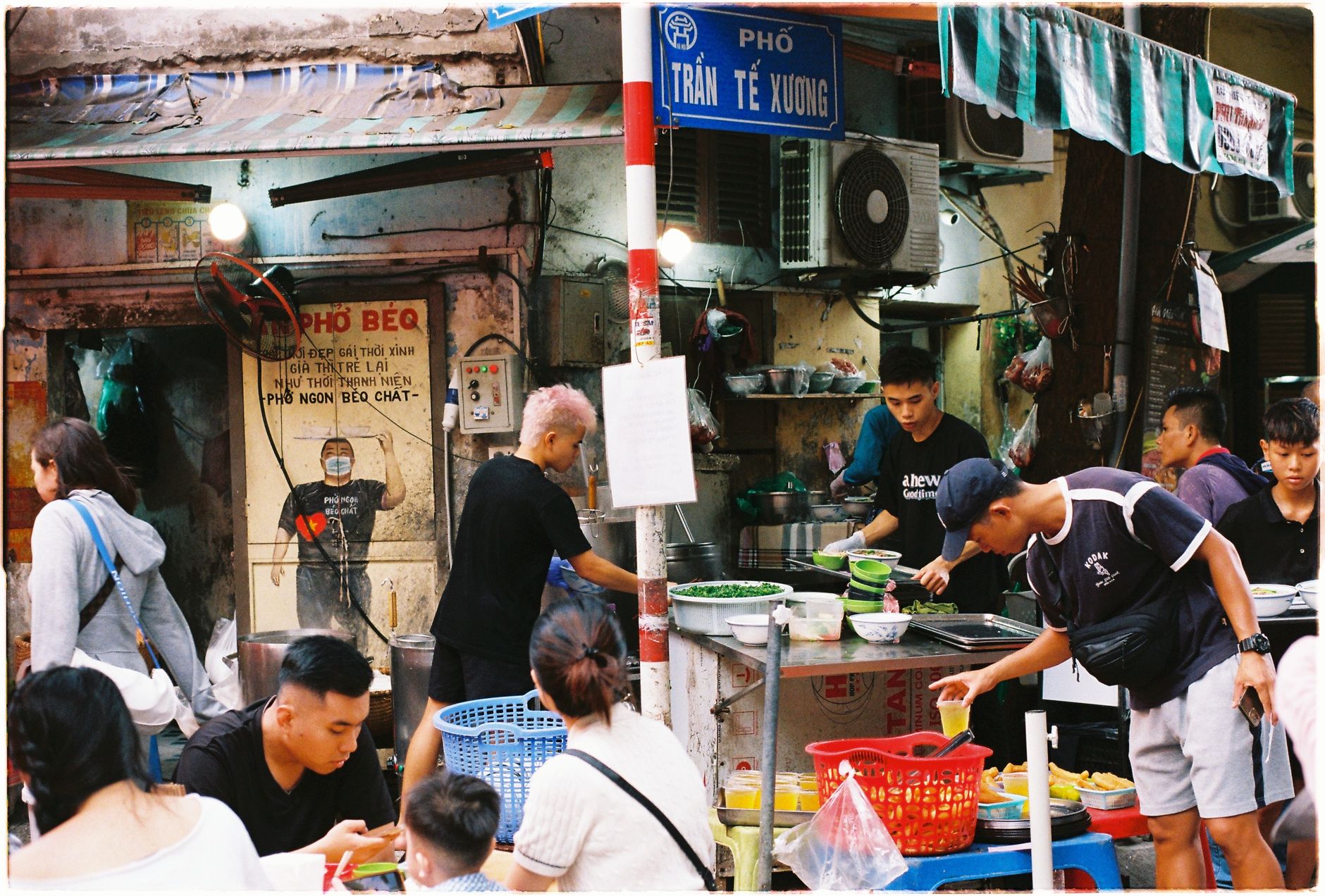
A food tour in Hoi An through Cáo Experiences is a small-group or private walk (usually 3–4 hours) through the old quarter and nearby markets, stopping at family-run food stalls, wet markets, and home kitchens to taste fresh spring rolls, banh mi, cao lau, and local drinks like sugarcane juice or herbal tea. You don't sit in a tourist restaurant; instead, we navigate laneway food vendors and market corners where Vietnamese families buy lunch, eating standing up or on low plastic stools. The pace is slow—we stop, chat with vendors, watch how they prep food, and you ask questions. Early morning tours catch breakfast crowds and cooler air; evening tours move through the old town when vendors reset for dinner service. Ask us for dates and a quote on WhatsApp to confirm group size, dietary needs, and preferred timing—we adapt for vegetarians, allergies, kids, and seniors by choosing stops and portions in advance. Ask about dates on WhatsApp
What happens hour-by-hour on a Hoi An food tour?
A typical session starts before 7 a.m. or around 5 p.m., depending on your preference. We meet at a landmark in the old quarter and walk to the nearest market—you'll see vendors setting up or clearing down, depending on time. First 45 minutes: we stop at 2–3 breakfast or snack stalls (a pho stand, a banh mi counter, a che vendor selling sweet soups), taste small portions, and you learn the ingredient stories. Next hour: we walk through a wet market section, smell fresh herbs and seafood, chat with sellers about what's seasonal, maybe taste a sample. Next 90 minutes: we hit 3–4 food stops—a small noodle shop, a spring-roll maker's kitchen, a dessert or drink stand—eat again, watch prep, ask about recipes. Last 30 minutes: wrap up with a final drink or snack (iced coffee, fresh fruit) and reflections. The whole thing is walking interspersed with eating and talking—bring water, wear comfortable shoes, and plan for a full belly.

How is a private tour different from a small-group tour?
Private tours (2–8 guests, usually your friends or family) let us adapt the pace and stops entirely to your group. If someone has a shellfish allergy, we skip seafood stalls and pick alternatives. If a kid gets tired, we pause longer at a cafe. If you speak some Vietnamese, we can spend extra time chatting with vendors. Small-group tours (4–12 mixed travelers) move at a shared pace and hit the same stalls, so stops are shorter and more structured. Private tours cost more per person because we reserve the full experience for you; small-group tours spread the host cost, so cost per head is lower. Both include the same core: market walk, food tastings, vendor stories, and time to ask questions. Choose private if your group has specific needs, different energy levels, or wants to feel like locals rather than tourists; choose small-group if you enjoy meeting other travelers and prefer a lower per-person cost.
Should you take an early-morning or evening food tour?
Early morning (6:30–9:30 a.m.) catches breakfast vendors at peak energy—noodle soups are steaming, banh mi stalls are crowded with locals, and the market is loudest and fullest. You eat when Vietnamese people eat, so the experience feels more authentic. The air is cooler, the light is softer, and you walk before the heat builds. Evening tours (5–8 p.m.) see vendors resetting for dinner service or packing down, so fewer active stalls and smaller crowds. The old town is quieter, lighting is atmospheric, and you see the town's evening rhythm. Morning is better for total food quantity and energy; evening is better if you dislike early starts or want to pair a tour with a night in the old town. Ask us for dates and a quote on WhatsApp—we run both regularly and can match your body clock.
What's the difference between a food tour and a cooking class?
A food tour is consumption and discovery: you walk, taste, watch vendors, and learn stories about ingredients and techniques by watching real cooks work. You eat banh mi standing at a stall, not in a classroom. A Vietnamese cooking class is hands-on and skill-building: you buy or receive ingredients, stand in a kitchen (ours is a family space in a lane off the old quarter), chop, fry, simmer, and cook 2–4 dishes yourself from start to finish. You leave knowing how to make a recipe again at home. Cooking classes include more instruction, take 3–4 hours, and result in a meal you prepared. Food tours are 3–4 hours of walking, eating, and listening—no cooking required. Food tours suit travelers who want to taste fast and understand food culture; cooking classes suit people who want to learn a skill and take time in one place. Both are available in Hoi An. Consider a food tour first to discover which dishes excite you, then book a cooking class to master them.
What should you check before booking a food tour?
Use this checklist before contacting us:
- Timing preference: Early morning (cooler, breakfast rush) or evening (quieter, atmospheric)?
- Group size: Solo, couple, family, or larger group? (Affects private vs. small-group cost.)
- Dietary needs: Vegetarian, vegan, allergies, religious restrictions? We adapt stops accordingly.
- Pace and fitness: Can you walk 2–3 km over 3–4 hours on uneven lanes? Seniors and kids are welcome; we adjust rhythm and rest stops.
- Language comfort: Tours run in English. Do you speak some Vietnamese? (Vendor chats can be longer if so.)
- Budget range: Private tours cost more; small-group tours are more economical. Ask us for dates and a quote on WhatsApp.
- Rain plan: Tours run in light rain (lanes stay dry, vendors stay open); in heavy rain, we reschedule or pivot to a market-hall and cooking class combo indoors.
- Expectations: This is real street food, not sanitized bites. Stalls are open-air, busy, and authentic—expect crowds and close quarters with locals.
Write down your answers and mention them when you reach out on WhatsApp.
How do we adapt food tours for kids, seniors, or mixed abilities?
For kids (6–12): We shorten total distance, pick more familiar flavors (spring rolls, banh mi), avoid very spicy stalls, and pause at quieter spots if a child gets overwhelmed. Portion sizes are small, so kids taste without overeating. We explain what they're eating and why it matters—many kids become curious about ingredients and cooking. Parents usually skip the spiciest stop or try it alone while a co-host chats with the child.
For seniors or lower mobility: We pick a route with less walking (around the market perimeter rather than deep into lanes), take longer rest breaks at cafes, choose stalls where you can sit, and focus on fewer stops with deeper dwell time. We walk slower and talk more. We adjust portion sizes and avoid dishes that are hard to eat standing up.
For mixed groups (families, couples, friends of different fitness levels): We build flexibility into the route—the main group stops at a stall while anyone tired sits at a nearby cafe for water and a rest. We offer shorter or longer eating times at each stop based on interest. Vegetarians eat at their chosen stalls while others taste meat dishes. Ask us for dates and a quote on WhatsApp—we'll ask about everyone's needs upfront.
What to pack and wear for a Hoi An food tour
Wear comfortable, closed-toe walking shoes (markets are wet, lanes uneven). Loose cotton or linen clothes handle heat and allow easy eating. Bring a small backpack or crossbody bag for a water bottle, phone, and camera—keep hands free for eating. Wear a hat or cap (especially morning tours—the sun reflects off wet pavement). Sunscreen is wise.
Bring 1.5–2 liters of water (we can buy coconut water or herbal tea en route, but water prevents stomach upset on a full food tour). A lightweight scarf or shawl works for cool cafes or if you want to cover shoulders at temples we might pass. Don't bring valuable jewelry, large cameras, or lots of cash—the markets are crowded and you're moving constantly. Bring your phone for photos and to stay in WhatsApp contact.
If it rains: wear a light rain jacket or poncho (not an umbrella—lanes are narrow). Wet-market walks are actually fine in light rain; vendors stay put, and the experience feels even more immersive. In heavy rain, we pivot to an indoor market hall and pair the tour with a short Vietnamese cooking class or a coffee break at a covered cafe.
Why choose Cáo Experiences for a food tour in Hoi An?
We are hosts, not guides reading scripts. We live here, eat at these stalls regularly, and know the vendors by name. We adapt every tour to your group's rhythm, diet, and questions—there's no fixed itinerary, only a starting point and a set of stops we know well. We speak English fluently and can help translate between you and vendors. We walk with you, eat with you, and answer "why" questions about Vietnamese food culture that come up naturally.
Small-group tours let you meet other travelers; private tours are fully yours. Rain doesn't scare us—we reschedule or pivot indoors. Allergies, vegetarianism, and kids are no surprise—we handle them routinely. We're available in Hoi An most days and can often fit you in within a week if you ask us on WhatsApp.
We also run Vietnamese cooking classes, coffee workshops, and farm and countryside experiences if you want to spend more time learning a skill or exploring beyond the old town.
Comparison: Food tour vs. other Hoi An experiences
| Experience | Who it's for | Duration | What you do | Best if you… |
|---|---|---|---|---|
| Food tour (street food) | Adventurous eaters, foodies, families | 3–4 hrs | Walk, taste, watch vendors, ask questions | Want to eat like locals fast & learn stories |
| Cooking class | Recipe learners, groups, date nights | 3–4 hrs | Buy ingredients, prep, cook 2–4 dishes in a kitchen | Want a skill to take home |
| Coffee workshop | Coffee lovers, slow travelers | 2–3 hrs | Roasting, grinding, tasting, brewing at a cafe | Care deeply about one beverage |
| Market + cooking combo | Learners & foodies | 4–5 hrs | Tour a market, then cook a meal | Want the full farmer-to-table story |
| Flower arranging | Non-foodies, dates, art lovers | 2–3 hrs | Arrange flowers in a studio | Prefer hands-on crafts over food |
Ask us for dates and a quote on WhatsApp to combine experiences (e.g., morning food tour + afternoon cooking class).
Real concerns people raise before booking
"Will the food make me sick?" Reputable stalls cook fresh, sell fast, and have high turnover—that's why locals eat there. We know which vendors are safest and avoid questionable ones. Upset stomachs happen rarely and are usually from one unfamiliar ingredient, not hygiene. Drink bottled water, eat what's hot, and mention any sensitivities upfront.
"I don't speak Vietnamese—can I really talk to vendors?" Yes. We translate, ask on your behalf, and vendors love curious eaters. You don't need to speak; you listen, watch, taste, and ask us questions.
"What if I'm vegetarian?" We tell vendors in advance and they suggest meat-free stalls or versions. Hoi An has excellent vegetarian options (spring rolls with tofu, herb soups, noodles with greens). Let us know when you book.
"Is it touristy or authentic?" It's both. Vendors know they're serving tourists, but they're selling the same food to locals every day—you're tasting their real product. We're not a tour bus; we're a small group or private party, moving slowly, asking real questions. That makes it feel less touristy than a restaurant crawl.
"How hot/spicy is it?" It depends on stops, but we can ask vendors to hold chili or pick milder stalls. Tell us your spice tolerance upfront.
How to start: next steps
- Check your calendar: Prefer early morning or evening? How many days away can you book?
- Count your group: Solo, couple, family, friends?
- List dietary needs: Vegetarian, allergies, preferences?
- Message us on WhatsApp: Tell us the above and ask for available dates and a quote.
- Confirm and prepare: We'll send details, a meeting point, and packing tips.
- Show up, eat, enjoy: Wear comfortable shoes and an open mind.
We also coordinate group and corporate experiences if you're planning a larger team outing, and family experiences if you want to include young kids or grandparents. Every tour is custom—ask us anything before you book.

FAQ
How early do we start an early-morning tour?
Most start at 6:30 or 7 a.m., when breakfast vendors are setting up and markets are quietest. We meet in the old quarter and finish by 10–10:30 a.m., leaving your afternoon free.
Can I join a tour alone or is it only for groups?
Solo travelers can join a small-group tour and meet others. We also run private tours for one person if you prefer a personal guide, though cost per head is higher. Let us know your preference when you ask us for dates and a quote on WhatsApp.
What if I'm allergic to shellfish or peanuts?
Tell us before you book. We know which stalls use which ingredients and will skip or adapt stops. Hoi An has plenty of non-shellfish and nut-free options; we just plan differently.
Do we eat at restaurants or only street stalls?
Only street stalls, markets, and small family kitchens—no tourist restaurants. We eat standing up or on plastic stools where locals eat, which is the whole point.
What happens if it rains heavily on tour day?
Light rain: we go ahead—the experience is actually richer. Heavy rain: we reschedule the tour to the next available date or pivot to an indoor cooking class or covered market hall with a cafe break. We'll message you on WhatsApp if conditions are bad.
Can I take photos of vendors and their food?
Yes, but ask first (we'll help translate). Most vendors enjoy photos and don't mind. Be respectful of busy stalls where taking pictures might slow their work.
How much walking is involved?
Usually 2–3 km over 3–4 hours, with many pauses to eat and rest. We can adjust distance for seniors or kids—mention it when you book.
Do we need to book in advance or can we walk in?
Book in advance—we need to know your group size, dietary needs, and preferred time so we can arrange the route and notify vendors. Walk-ins aren't possible; we coordinate everything via WhatsApp.
Ask about dates
Tell us the city, your dates and what you would like to try. We reply on WhatsApp in English with options and availability.
FAQ
How early do we start an early-morning tour?
Most start at 6:30 or 7 a.m., when breakfast vendors are setting up and markets are quietest. We meet in the old quarter and finish by 10–10:30 a.m., leaving your afternoon free.
Can I join a tour alone or is it only for groups?
Solo travelers can join a small-group tour and meet others. We also run private tours for one person if you prefer a personal guide, though cost per head is higher. Let us know your preference when you ask us for dates and a quote on WhatsApp.
What if I'm allergic to shellfish or peanuts?
Tell us before you book. We know which stalls use which ingredients and will skip or adapt stops. Hoi An has plenty of non-shellfish and nut-free options; we just plan differently.
Do we eat at restaurants or only street stalls?
Only street stalls, markets, and small family kitchens—no tourist restaurants. We eat standing up or on plastic stools where locals eat, which is the whole point.
What happens if it rains heavily on tour day?
Light rain: we go ahead—the experience is actually richer. Heavy rain: we reschedule the tour to the next available date or pivot to an indoor cooking class or covered market hall with a cafe break. We'll message you on WhatsApp if conditions are bad.
Can I take photos of vendors and their food?
Yes, but ask first (we'll help translate). Most vendors enjoy photos and don't mind. Be respectful of busy stalls where taking pictures might slow their work.
How much walking is involved?
Usually 2–3 km over 3–4 hours, with many pauses to eat and rest. We can adjust distance for seniors or kids—mention it when you book.
Do we need to book in advance or can we walk in?
Book in advance—we need to know your group size, dietary needs, and preferred time so we can arrange the route and notify vendors. Walk-ins aren't possible; we coordinate everything via WhatsApp.
More like this
Street food and market tours
Best Street Food Tour in Sapa: What to Expect, How to Choose
Street food tours in Sapa connect you with hill-town cooks and night markets. We'll walk you through what these sessions offer, who they're for, and how to avoid common missteps.
Street food and market tours
Best Street Food Tour in Hue: What to Choose, Who It's For
A street food tour in Hue isn't one thing—it's a choice between styles, neighborhoods, and paces. We break down what actually happens on each type, and how to know which fits your group.
Street food and market tours
Best Food Walking Tour in Vietnam: Hanoi Street Food Guide
A food walking tour in Vietnam immerses you in bustling markets and street lanes where vendors have cooked the same dishes for decades. We show you what to taste, how to order, and the stories behind each bite.