
Home › Blog › Experiences for families and kids
Best Kids Cooking Class in Hoi An: What to Know Before You Book
By the Cáo Experiences team · 2026-11-06
Cáo Experiences hosts small-group Vietnamese cooking classes in Hoi An where kids aged 6+ learn to prepare three or four dishes in a family kitchen off the old quarter, in English, with snacks and soft drinks included. Sessions run about three hours; you'll shop at a nearby market first, then cook together, taste your work, and take home handwritten notes. No experience needed—we adapt pace and heat levels for younger cooks and mixed abilities. Groups stay small (max 6–8 people) so every child gets hands-on time. Ask us for dates and a quote on WhatsApp; rates depend on group size and whether the session is private or open. Rain doesn't stop us—we move indoors. If anyone has allergies, tell us before you book so we can plan the menu. Ask about dates on WhatsApp
Why kids cook better in small groups than big tours
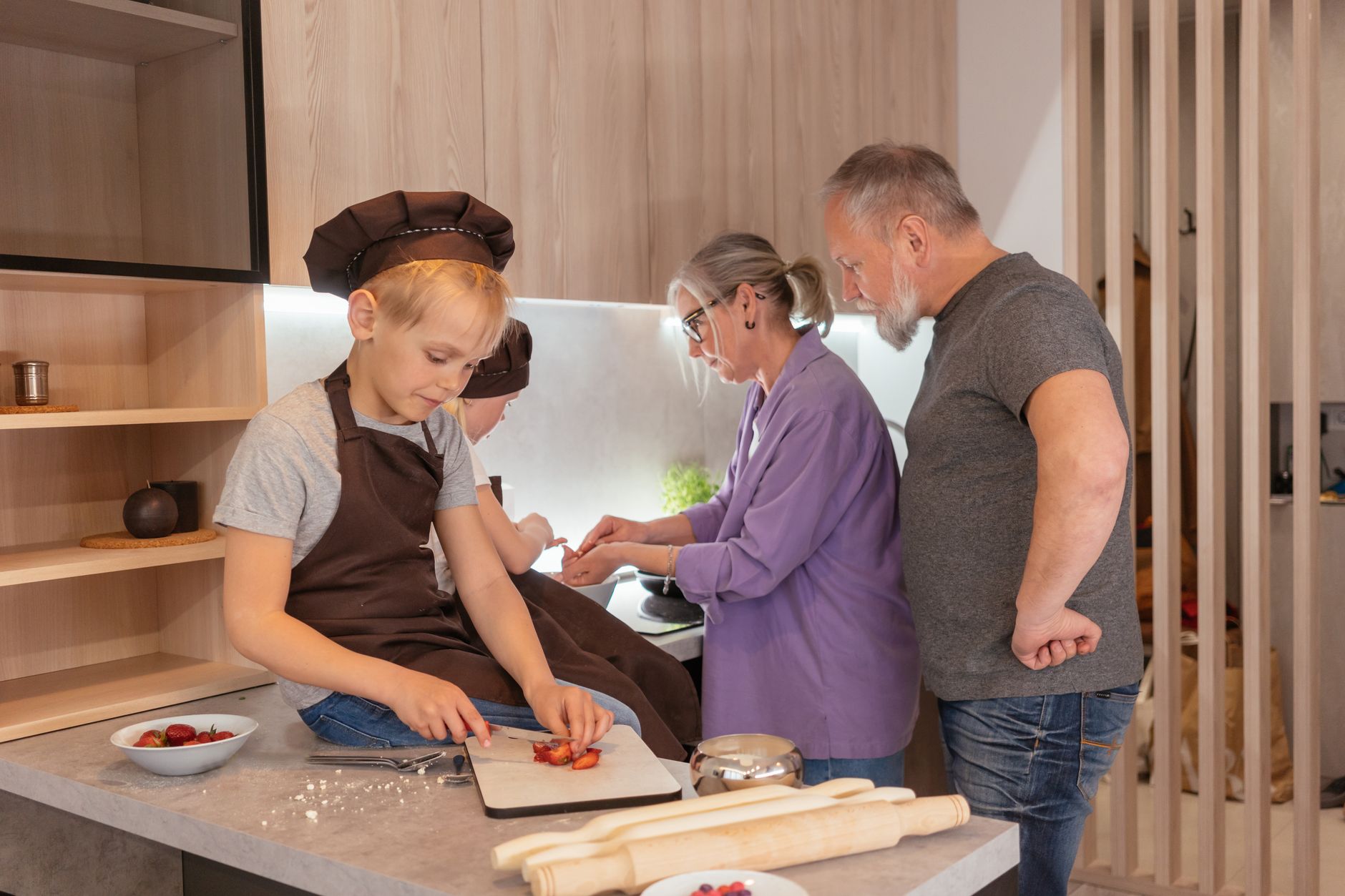
Large group cooking experiences often mean one adult demonstrates while kids watch from behind a crowd. In a small-group class, every child handles the knife, stirs the pot, and tastes what they've made. We limit sessions to fewer than eight people so each kid gets real attention and a turn at each step. When a seven-year-old is nervous about the wok, we're there to steady their hand. When a ten-year-old is bored with onions, we shift them to the next dish. That flexibility only works in a small room. Bigger venues force a one-size-fits-all pace.
What actually happens hour by hour in our sessions
Hour one: Market walk and shop. We start in a quiet lane near the old quarter and walk to a family-run market stall where we buy greens, herbs, spices, and proteins for the day. The vendor knows us; kids ask questions about what things are. No rushing through for Instagram—we linger, smell, feel, ask why that leaf is bitter or why one herb is cheaper today.
Hour two: Prep and first cook. Back in the kitchen, kids wash, tear, slice, and pound. We show proper grip and technique but don't make it feel like a lesson. The first dish—often a soup or stir-fry—goes into the wok or pot with kids doing the stirring. We talk about heat, timing, taste, not recipes. Kids taste at each stage and adjust salt or spice.
Hour three: Second (and sometimes third) dish, tasting, notes. By now they're confident. The second dish is usually something with more assembly—spring rolls, a salad, a dipping sauce. We sit, eat together, talk about what worked, what they'd change. We write down what they made in simple English so they remember at home.
How we adapt for ages 6–12 and mixed abilities
A six-year-old can't hold a chef's knife safely, so they tear leafy vegetables, pound pastes with a mortar, and stir. An eleven-year-old handles a proper knife with guidance and takes the lead on harder steps. We don't pretend everyone's at the same level—we're honest about what each age can do. If one child is a confident cook at home and another is nervous, we pair tasks so the confident one models, the nervous one watches closely, then they swap. Non-readers get verbal instructions; we point, demonstrate, repeat. Kids with short attention spans get a task that finishes quickly, then move to something new. No one sits idle waiting for the group.
Allergies, dietary needs, and what we prep beforehand
Tell us before you book if anyone is allergic to peanuts, shellfish, fish sauce, or anything else common in Vietnamese food. We redesign the menu so they cook something safe and delicious alongside the group—not a separate meal, but a real swap. A child who can't eat chili cooks a mild version; one with a shellfish allergy makes a vegetable-based dish instead of a fish one. We've done this many times and it's never awkward. We also ask about vegetarian, vegan, or meat preferences. Bring this up in the WhatsApp chat as soon as you're thinking about booking—it matters for our market shop.
Rain, heat, and when to reschedule
Hoi An's rainy season (September to January) doesn't cancel our classes; we move into the covered kitchen area and the market walk becomes a short dash to a covered stall instead. Humidity and heat in summer (May to August) are real—kids drink more water, we take breaks in the shade, we aim for early-morning sessions when it's cooler. If a typhoon warning is in effect or flooding is happening, we'll reschedule for free. We're in touch via WhatsApp, so we tell you as early as possible if the weather looks bad.

Comparison: private session vs. open group
| Option | Best For | What to Know | When to Book |
|---|---|---|---|
| Private session | Families, one group of friends, kids with anxiety about new people | Your own kitchen time, exact menu you choose, flexible timing, no strangers | At least 2 weeks ahead; more notice = better kitchen access |
| Open group | Solo travelers with kids, families who want to meet others, budget-conscious groups | You're with 2–4 other families, set menu, set time, often cheaper | Up to 1 week ahead; gaps fill quickly |
Both run three hours in English with market shop, hands-on cooking, tasting, and notes home. Private costs more; open group costs less and adds social energy. Choose private if your child is very shy or you have dietary needs that need advance planning. Choose open if you like the vibe of other families and want to meet people.
What to check before you book on WhatsApp
1. Dates and times: Ask which days the session runs (not all days in the off-season). Early morning (7–10am) suits families with younger kids; afternoon (2–5pm) works if you're sleeping in.
2. Kitchen access: Confirm it's a real working kitchen, not a demo space. We cook in the kitchen, not around it.
3. Menu: Ask what dishes the coming week's classes will make. If your child hates vegetables, you want to know upfront, not arrive and find it's all greens.
4. What's included: Confirm the market walk, all ingredients, drinks, snacks, and handwritten notes are included. Confirm what's not (e.g., transport to the kitchen, takeaway containers).
5. Cancellation: Ask the policy if you need to reschedule. Most small-group experiences offer rescheduling flexibility if you give notice.
6. Group size if open: Ask how many people are already booked. A session with two families feels different than one with five.
7. Photos: Ask if it's okay to take pictures. We're usually fine with it—these are great memories—but it's worth checking.
Why Hoi An is an easier place to cook in than Hanoi or Saigon
Hoi An's old quarter is compact, traffic is calmer, and the markets are small enough that kids don't feel lost. In Hanoi or Saigon, the market walk alone would exhaust a young child. Our family-friendly experiences across Vietnam range from city to countryside; Hoi An's size makes it the gentlest entry point for kids new to Vietnam's energy. The kitchen spaces here are also older, smaller, more intimate—the kind where a child feels like they're cooking in someone's home, not a training facility.
Next step: open session or private?
If you're unsure, start by telling us your kids' ages, dietary needs, and whether they've cooked before. We'll suggest whether an open group session works or if private makes sense. Ask us for dates and a quote on WhatsApp and mention this is your first time. We'll set realistic expectations and answer questions that come up during the booking chat.
Pages from our team you may need

FAQ
What age can kids join?
From age 6 upward. Younger kids (4–5) can join a private family session if a parent stays in the kitchen to help them, but public open groups are best for 6+.
Do kids eat what they cook?
Yes. We taste together at the end of the class. That's the best part—they're proud and much more likely to eat vegetables they've made themselves.
What if my child is a picky eater?
Tell us before you book. We've adapted menus for kids who avoid spice, fish, or certain textures. We also let picky eaters taste small amounts and try new things at their own pace, no pressure.
Is the kitchen actually clean?
Yes. It's a working family kitchen maintained to food-safe standards. It's not a sterile facility; it's a real kitchen where people cook daily, which is part of the charm and authenticity.
Do we need to speak Vietnamese?
No. All classes are in English. Our hosts explain techniques, answer questions, and chat in English throughout. No language barrier.
What should kids wear?
Clothes they don't mind getting splashed. We have aprons and wipe cloth. Closed-toe shoes are safer around a hot stove. Long sleeves optional but helpful if they're nervous around steam.
Can adults cook too?
Yes. Family sessions often have a mix of ages—grandparents, parents, and kids all cooking together. It's a hands-on class, not a kids-only sit-and-watch tour.
Do we get a recipe book?
No printed book, but we write down each dish's ingredients and basic steps in simple English for you to take home. Some families photograph the notes on a phone as backup.
Ask about dates
Tell us the city, your dates and what you would like to try. We reply on WhatsApp in English with options and availability.
FAQ
What age can kids join?
From age 6 upward. Younger kids (4–5) can join a private family session if a parent stays in the kitchen to help them, but public open groups are best for 6+.
Do kids eat what they cook?
Yes. We taste together at the end of the class. That's the best part—they're proud and much more likely to eat vegetables they've made themselves.
What if my child is a picky eater?
Tell us before you book. We've adapted menus for kids who avoid spice, fish, or certain textures. We also let picky eaters taste small amounts and try new things at their own pace, no pressure.
Is the kitchen actually clean?
Yes. It's a working family kitchen maintained to food-safe standards. It's not a sterile facility; it's a real kitchen where people cook daily, which is part of the charm and authenticity.
Do we need to speak Vietnamese?
No. All classes are in English. Our hosts explain techniques, answer questions, and chat in English throughout. No language barrier.
What should kids wear?
Clothes they don't mind getting splashed. We have aprons and wipe cloth. Closed-toe shoes are safer around a hot stove. Long sleeves optional but helpful if they're nervous around steam.
Can adults cook too?
Yes. Family sessions often have a mix of ages—grandparents, parents, and kids all cooking together. It's a hands-on class, not a kids-only sit-and-watch tour.
Do we get a recipe book?
No printed book, but we write down each dish's ingredients and basic steps in simple English for you to take home. Some families photograph the notes on a phone as backup.
More like this
Experiences for families and kids
Family workshop Vietnam vs Thailand: where to take kids in 2026
Vietnam and Thailand both offer immersive family workshops, but the pace, cost structure, and focus differ significantly. We run both types of sessions at Cáo Experiences and can help you choose.
Experiences for families and kids
Family Workshop Vietnam Gift Voucher: What Works Best
A family workshop gift voucher in Vietnam lets relatives experience cooking, craft, horse riding or tea together—no tickets, no queues, real hands-on time. We help you pick the right session type and duration for the ages and interests in your group.
Experiences for families and kids
Family workshops in Vietnam for Indian travelers: what to expect
Indian families visiting Vietnam often wonder how to keep children engaged and learn something authentic together. Cáo Experiences runs small-group and private workshops—cooking, coffee, flower arranging, craft, and farm days—designed for kids, parents, and grandparents, hosted in English with real