
Home › Blog › Experiences for families and kids
Best Kids Cooking Class in Ninh Binh: What to Know
By the Cáo Experiences team · 2026-11-06
Cáo Experiences offers half-day and full-day Vietnamese cooking classes in Ninh Binh designed specifically for families with children aged 6 and up. We host small groups (or private sessions) in a family kitchen in the town center, where kids learn to make two or three authentic Vietnamese dishes — often starting with fresh herb rolls and moving into noodle or rice dishes. Sessions run 3–5 hours depending on what you choose; we adapt recipes for young hands (shorter knives, lower heat, simpler techniques) and teach as we go, so beginners are welcome. Cáo Experiences coordinates everything via WhatsApp, including dietary needs and any allergies. Ask us for dates and a quote on WhatsApp — we tailor sessions to your family's interests and skill level. Ask about dates on WhatsApp
Why a cooking class beats a restaurant meal for kids
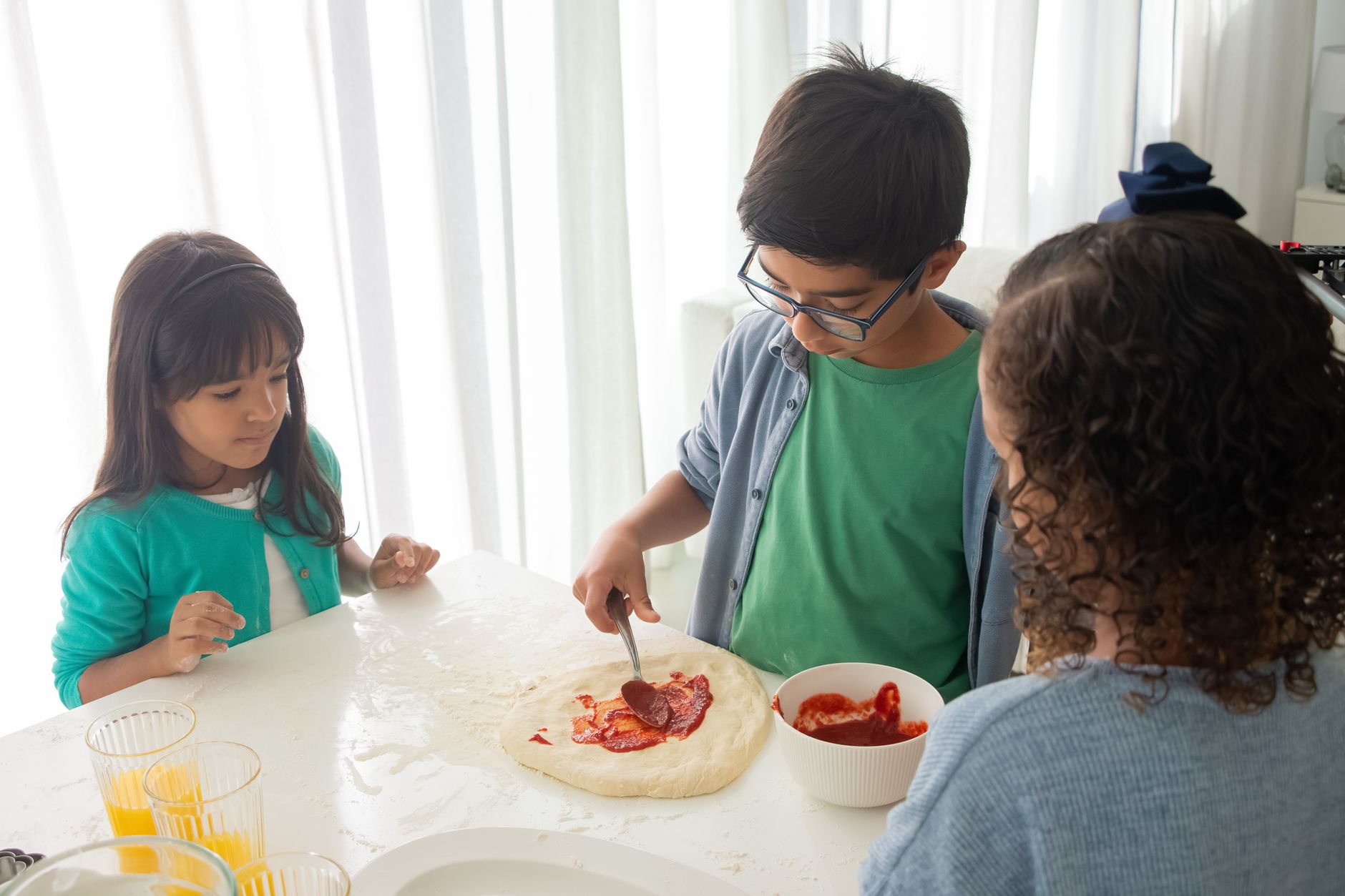
A restaurant visit teaches children to sit and eat; a cooking class teaches them how food happens. In our kitchen, kids touch the ingredients, chop (safely), taste raw herbs, watch oil heat, smell fish sauce before it goes in the pan, and eat something they made themselves 20 minutes later. That connection — seeing cause and effect, doing it with their hands — sticks. Most children who arrive nervous about "trying something new" leave asking when they can cook again. The hands-on nature also means restless kids stay engaged because they're always doing something, not waiting. A well-run kids' class keeps energy high and learning real without feeling like school.

What age groups actually work—and what doesn't
Kids aged 6–8 need shorter recipes, more help, and lots of praise; we give them softer ingredients (herbs, rice paper, cooked noodles) and let them focus on rolling, mixing, and plating. Ages 9–12 can handle sharper knives (with supervision), understand timing, and take on assembling multi-step dishes. Teens 13+ work almost like adults, though we still scale hot-stove time to avoid burnout. We've found that mixed-age siblings work well — younger kids watch older ones and try harder, and older ones feel proud teaching. Children under 5 struggle with knife safety and kitchen heat; we don't recommend them for hands-on cooking. The sweet spot is 7–14, when curiosity is high and fine motor control is reliable.
How we adapt for allergies, vegetarians, and picky eaters
Before every session, we ask about dietary needs via WhatsApp. A child with a shellfish allergy? We swap fish sauce or shrimp paste for soy sauce and omit seafood — the dish still tastes authentic. Vegetarians cook with tofu, extra vegetables, and a plant-based broth instead of meat or bone stock. A child who won't eat garlic? We prepare their dish without it and let them taste alongside others. We don't hide these adaptations or make the child feel singled out; instead, we talk openly: "Today, this group is trying three versions of the same dish — one with shrimp, one with tofu, one vegetarian." This normalizes different preferences and often encourages kids to try something they thought they wouldn't. The goal is every child leaves having cooked and eaten something they enjoyed.
Rainy season and weather: what changes
Ninh Binh's wet season (May–September) brings afternoon downpours, but our kitchen is indoors with good light and ventilation, so rain doesn't stop a session — in fact, the sound of rain on the roof while you're chopping herbs feels cozy to many kids. If monsoon flooding affects road access to our location, we reschedule via WhatsApp and offer alternative dates within the same week. We've never canceled outright; we just move the timing. Cold snaps in winter (rare but occasional) don't affect cooking at all — the kitchen stays warm when the stove and oven are on. The only real weather issue is extreme heat during peak summer, which we manage by starting earlier (7 a.m. instead of 9 a.m.) so the hottest part of cooking finishes before noon. Bring light clothes and a water bottle; we provide aprons and dish towels.
Comparing kids' cooking options: what Cáo Experiences does differently
| Option | Best for | Group size | Duration | Why pick it |
|---|---|---|---|---|
| Cooking class with Cáo | Learning and building confidence | 2–6 kids or private | 3–5 hours | Hands-on, slow-paced, English-taught, real kitchen, adapts for allergies and skill |
| Hotel cooking demo | Quick experience during holiday | 8–15 kids | 1–2 hours | Fast, convenient at your accommodation, but kids mostly watch, not cook |
| Street food tour with kids | Tasting and exploration | 4–10 | 2–3 hours | Explores Ninh Binh's markets and street vendors, but high heat and crowds; kids ≥10 only |
| Farm-to-table day | Picking and outdoor learning | 2–8 | 4–6 hours | Connects kids to where food grows, includes cooking; suits kids who like gardens; pairs well with cooking class |
Cáo Experiences' strength is the skill transfer: your child learns technique they can use at home. After a session, they often want to cook with you. A demo or market tour builds curiosity; a class builds competence.
Real questions families ask before booking
What if my child is scared of knives? We use age-appropriate tools and teach grip and hand position before any cutting. For very nervous kids (6–7), we start them on herbs or vegetables already halved, and they use a butter knife or vegetable peeler. By the end of the session, most are confident enough to try a proper blade under close watch. Fear fades fast when they see other kids doing it safely.
Do I have to cook too, or can I watch? Either works. Some parents join in and learn alongside their kids — that's popular for family bonding. Others sit in the kitchen with a coffee and watch, helping if their child gets stuck. A few drop their kids off (ages 10+) and return in 3 hours. We'll ask your preference when you message us, and we adapt. If a child is very young (6–7) or anxious, we recommend at least one parent staying nearby.
What if we're vegetarian or have no experience? No problem. We teach everything from scratch. Vegetarian families are common; we plan the menu around vegetables, tofu, and egg dishes and teach the same techniques as omnivorous groups. No cooking experience needed — we show you how to hold a knife, test oil temperature, taste for salt, and know when rice is done. Kids as young as 7 have left knowing how to boil, fry, and layer flavors.
How far is your kitchen from my hotel? We're in the town center of Ninh Binh, walkable from most central accommodations (5–15 minutes) or a short motorbike taxi ride. We'll give you exact directions and a map pin via WhatsApp once you've booked. Free parking is available if you arrive by car.
Can we do a private class instead of a group? Yes. Private sessions let you choose the exact menu, timing, and ingredients based on your family's tastes and any dietary needs. Ask for a quote on WhatsApp — private usually means smaller group discounts but more customization.
What to check before you book a kids' cooking class
- Ages of your children — we need this to plan recipes and safety measures
- Dietary restrictions and allergies — tell us everything; we adapt without fuss
- How many hours you want (half-day or full-day) and preferred dates
- Whether you'll cook alongside them or stay nearby/drop off
- Any foods your kids dislike — we work around strong dislikes (e.g., cilantro, fish sauce smell)
- Transportation — confirm how you'll get to our location and parking details
- Rainy-day comfort — let us know if weather makes your family anxious; we'll reassure you about our indoor setup
Once we have these details, we'll suggest a menu, confirm dates via WhatsApp, and send you a simple checklist of what to wear (apron provided, wear closed shoes, tie back long hair).
Consider pairing a cooking class with other family activities: a farm and countryside day the day before teaches kids where vegetables come from, then cooking the next day teaches them how to use them. Or combine a short street food tour (for kids 10+) with a cooking class to taste dishes first, then learn to make them.

FAQ
What's the minimum age for a kids' cooking class?
Six years old works well; we've taught 6-year-olds successfully. Under 5 struggles with knife safety and kitchen heat. Ages 6–8 need shorter recipes and more help; ages 9+ handle more independence. We adapt every session to the child's skills and confidence.
Do you teach Western or Vietnamese cooking?
Vietnamese only. We teach kids how to make authentic dishes they'll eat in restaurants and homes around Ninh Binh — herb rolls, noodle soups, stir-fries, rice dishes, and desserts. Kids love learning real food, and it's harder to master, so more rewarding.
How many kids fit in one session?
We keep groups to 2–6 kids maximum so every child gets hands-on time and individual attention. Larger groups mean kids wait and get bored. Private sessions are also available if your family wants a custom experience.
What if my child refuses to taste the food after cooking it?
That's rare — kids are usually proud and curious about what they made. If a child truly won't taste, we never force it; they still learn by cooking and watching others enjoy the dish. Often, tasting happens hours or days later at home. The cooking skill is the main win.
Can we bring grandparents or other family members?
Absolutely. Grandparents often enjoy watching and sometimes cooking alongside kids. Let us know group size and ages, and we'll plan recipes and seating. Multi-generational sessions are special and often lead to great conversations about how food and cooking have changed.
Is the kitchen sanitary and safe for young children?
Yes. We follow food safety standards, keep the workspace clean, use child-safe knives and tools, manage hot surfaces carefully, and are trained in basic first aid. We watch closely and teach safe habits (hand washing, not touching faces, heat awareness) from the start. Parents are always welcome to observe.
Ask about dates
Tell us the city, your dates and what you would like to try. We reply on WhatsApp in English with options and availability.
FAQ
What's the minimum age for a kids' cooking class?
Six years old works well; we've taught 6-year-olds successfully. Under 5 struggles with knife safety and kitchen heat. Ages 6–8 need shorter recipes and more help; ages 9+ handle more independence. We adapt every session to the child's skills and confidence.
Do you teach Western or Vietnamese cooking?
Vietnamese only. We teach kids how to make authentic dishes they'll eat in restaurants and homes around Ninh Binh — herb rolls, noodle soups, stir-fries, rice dishes, and desserts. Kids love learning real food, and it's harder to master, so more rewarding.
How many kids fit in one session?
We keep groups to 2–6 kids maximum so every child gets hands-on time and individual attention. Larger groups mean kids wait and get bored. Private sessions are also available if your family wants a custom experience.
What if my child refuses to taste the food after cooking it?
That's rare — kids are usually proud and curious about what they made. If a child truly won't taste, we never force it; they still learn by cooking and watching others enjoy the dish. Often, tasting happens hours or days later at home. The cooking skill is the main win.
Can we bring grandparents or other family members?
Absolutely. Grandparents often enjoy watching and sometimes cooking alongside kids. Let us know group size and ages, and we'll plan recipes and seating. Multi-generational sessions are special and often lead to great conversations about how food and cooking have changed.
Is the kitchen sanitary and safe for young children?
Yes. We follow food safety standards, keep the workspace clean, use child-safe knives and tools, manage hot surfaces carefully, and are trained in basic first aid. We watch closely and teach safe habits (hand washing, not touching faces, heat awareness) from the start. Parents are always welcome to observe.
More like this
Experiences for families and kids
Family workshop Vietnam vs Thailand: where to take kids in 2026
Vietnam and Thailand both offer immersive family workshops, but the pace, cost structure, and focus differ significantly. We run both types of sessions at Cáo Experiences and can help you choose.
Experiences for families and kids
Family Workshop Vietnam Gift Voucher: What Works Best
A family workshop gift voucher in Vietnam lets relatives experience cooking, craft, horse riding or tea together—no tickets, no queues, real hands-on time. We help you pick the right session type and duration for the ages and interests in your group.
Experiences for families and kids
Family workshops in Vietnam for Indian travelers: what to expect
Indian families visiting Vietnam often wonder how to keep children engaged and learn something authentic together. Cáo Experiences runs small-group and private workshops—cooking, coffee, flower arranging, craft, and farm days—designed for kids, parents, and grandparents, hosted in English with real