
Home › Blog › Experiences for families and kids
Best Kids Cooking Class in Phu Quoc: Hands-On Learning by Type
By the Cáo Experiences team · 2026-11-06
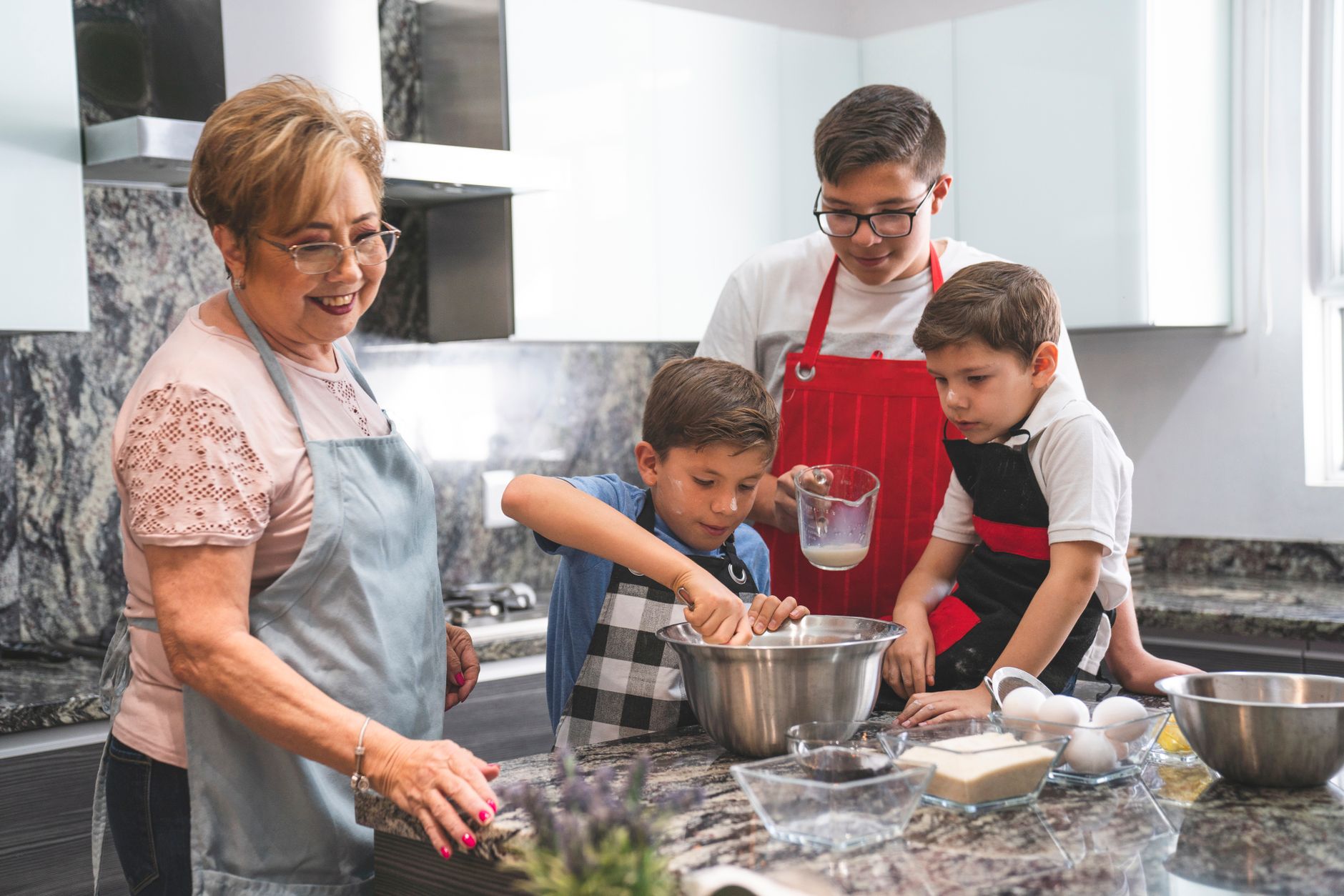
A kids cooking class in Phu Quoc runs 2–3 hours in a family kitchen or small studio, guided by an English-speaking host. Children aged 5–16 learn to prepare 2–3 simple Vietnamese dishes—spring rolls, pho broth, fresh herbs and dips—at their own pace. We adapt each session to skill level, dietary needs and group size (solo kids, siblings, small groups). Most classes cost less than a beachfront lunch and include all ingredients, tools and a light meal at the end. Book via WhatsApp for date availability; rainy days run indoors without change. Cáo Experiences hosts family sessions across Vietnam, so your children work with hosts who've taught dozens of kids how to chop, roll and taste-test without fear.
Why choose a local kitchen over resort cooking classes?
Resort cooking programs often run in commercial teaching spaces with set menus and larger groups. A family-kitchen class in a lane near the old market lets kids cook in a real home where someone actually lives and cooks daily. Your children see how a Vietnamese family organizes their kitchen, stores ingredients and eats together—not a hotel script. Smaller groups (2–6 kids) mean your child gets one-on-one help when they're rolling spring rolls or stirring broth, and the host adjusts what you cook based on what's fresh that week.

What age and skill level is right for a cooking class?
Kids aged 5–7 do best with soft tasks: tearing herbs, mixing dips, watching broth simmer and tasting everything. They tire after 90 minutes. Ages 8–12 learn to chop (with supervision), roll spring rolls with real technique and understand why ingredients go in a certain order. Teens 13+ can handle a full 2.5-hour class, learn knife skills properly and ask "why" about flavor and texture. No prior cooking experience is needed—we've hosted kids who've never boiled water and kids whose parents cook every day. The host adapts live based on how fast your child works and how interested they are in technique versus just eating.
How does a session actually run, hour by hour?
0:00–0:15 | Welcome & kitchen tour. Kids wash hands, meet the host, see the ingredients laid out (often still in market bags), and learn where things live in the kitchen.
0:15–0:50 | Prep and first dish. Usually spring rolls or fresh summer rolls—kids tear lettuce, peel shrimp (or skip if allergic), learn to wet rice paper, and roll under gentle correction. The host shows once, then lets them try.
0:50–1:30 | Main dish. Often a simple pho broth or stir-fried noodles. Kids chop softer vegetables, watch the host manage heat and timing, and stir. This is where patience matters; boiling water and simmering take real time.
1:30–1:50 | Taste and tidy. Everyone sits, eats what they cooked, and clears up. The host talks about what they made while eating.
Sessions run longer for older kids or groups that want to learn more dishes; shorter if you have very young children or it's hot.
How do we adapt for allergies, picky eaters and dietary needs?
Tell us before booking if your child avoids seafood, nuts, dairy or anything else. We redesign the menu—swap shrimp for tofu, skip fish sauce if it's a hard boundary, use vegetable broth instead of chicken. Picky eaters often try new things when they've cooked it themselves; we don't force taste-testing, but we normalize trying a tiny bite. If a child only wants noodles and avoids greens, we build the class around what they'll eat and add vegetables as optional toppings they can choose. Family experiences here are never about forcing kids to eat vegetables—it's about them being part of the cooking process.

What to bring, wear and expect in Phu Quoc's heat and humidity?
Wear light, washable clothing (apron provided, but soy sauce splashes happen). Closed-toe shoes protect from spills; tie long hair back. Bring a small bottle of water; the kitchen is warm from the stove. If rain is forecast, we run the class indoors—no cancellation, same timing. Bring a phone to take photos of your child's finished dish if you want; some kids love that memory. Don't expect a formal certificate or take-home recipe cards—this is a live, hands-on session, not a kit or workbook.
Comparison: what type of cooking class suits which family?
| Class type | Best for | Duration | Group size | What kids make | Real difference |
|---|---|---|---|---|---|
| Family kitchen (Cáo-style) | Ages 5–16, first-time cooks, picky eaters | 2–2.5 hrs | 1–6 kids | 2–3 fresh dishes, real recipe logic | One-on-one help, authentic home setting, adapt-as-you-go |
| Beachside resort class | Families staying at the resort, structured schedules | 1.5–2 hrs | 8–15 kids | 1–2 dishes, often pre-prepped | Convenience, air-con, guaranteed time slot |
| Market-to-table combo | Older kids (10+), who want to shop first | 3–4 hrs | 2–8 kids | 2–3 dishes + market tour | Learn where food comes from, seasonal variety |
| Cooking competition format | Confident kids, group energy | 2–3 hrs | 4–12 kids | 1 dish, timed, judged for fun | Motivation, peer energy, silly prize |
What to check before you book a kids cooking class
Age-appropriate timing: If your class includes kids aged 5 and 12, confirm the host will run two speeds—the younger one does simple rolling while the older one works on knife skills.
Ingredient sourcing: Ask whether the host buys from the market that morning (fresher, more variable) or uses pantry stock (consistent, less seasonal flavor). Neither is wrong; it changes what the kids taste.
Dish customization: Some hosts have a fixed menu; Cáo hosts adjust based on what's available and what your kids want. Confirm you can request a specific dish (like banh mi prep or hand-pulled noodles).
Allergy and diet handling: Don't assume "vegetarian" means the broth is vegetable-based—many Vietnamese broths use anchovies or shrimp paste. Confirm in advance.
Group mix: Solo kids, siblings, or mixed strangers? Each shapes the energy. Ask who else is booked so your child knows what to expect.
Rain plan: Confirm the kitchen has space indoors and the class doesn't move to a beach venue that would be unsafe or uncomfortable in a downpour.
You can also pair a cooking class with a farm and countryside experience (pick herbs fresh from a garden plot, then cook them) or a street food and market tour (older kids, 10+, see where ingredients come from before cooking). If your family is interested in other family experiences in Phu Quoc or elsewhere, we host sessions across Vietnam—ask us about what's available for your dates. Book via WhatsApp; we'll confirm availability, adapt the menu to your kids' ages and tastes, and send you a kitchen address and pickup details.
Pages from our team you may need
FAQ
Can a 4-year-old join a kids cooking class?
Most hosts prefer 5+, but we can work with younger siblings if a 7+ child is in the class too. Expect shorter attention span (60–75 minutes) and tasks like tearing herbs or poking dough rather than chopping. Always ask first.
What if my child refuses to taste what they cooked?
That's normal. We never force eating; cooking itself is the lesson. Many kids try one tiny taste at the end just because they made it. Pressure backfires.
Do you teach knife skills, or is it just "fun" cooking?
Both. We teach proper grip and basic chopping technique for the child's age and confidence. Five-year-olds use butter knives; ten-year-olds learn chef's knife basics with close supervision.
Can we do a private class for just our family, or only group bookings?
Both—private classes (one family) and small mixed groups (2–3 families) are available. Private costs more but means full customization. Ask for a quote on WhatsApp.
What happens if it rains or it's over 35°C on the day?
If it rains, we run indoors in the kitchen—no change to the class. If it's very hot, we start earlier (7 a.m.) or finish by mid-morning to avoid peak heat. The host confirms the plan 24 hours before.
Can we bring ingredients from our own kitchen or request a specific menu?
Yes, if you're cooking something tied to a family recipe or cultural dish your child knows. Tell us in advance. The host sources what's needed; you don't need to bring anything.
Ask about dates
Tell us the city, your dates and what you would like to try. We reply on WhatsApp in English with options and availability.
FAQ
Can a 4-year-old join a kids cooking class?
Most hosts prefer 5+, but we can work with younger siblings if a 7+ child is in the class too. Expect shorter attention span (60–75 minutes) and tasks like tearing herbs or poking dough rather than chopping. Always ask first.
What if my child refuses to taste what they cooked?
That's normal. We never force eating; cooking itself is the lesson. Many kids try one tiny taste at the end just because they made it. Pressure backfires.
Do you teach knife skills, or is it just "fun" cooking?
Both. We teach proper grip and basic chopping technique for the child's age and confidence. Five-year-olds use butter knives; ten-year-olds learn chef's knife basics with close supervision.
Can we do a private class for just our family, or only group bookings?
Both—private classes (one family) and small mixed groups (2–3 families) are available. Private costs more but means full customization. Ask for a quote on WhatsApp.
What happens if it rains or it's over 35°C on the day?
If it rains, we run indoors in the kitchen—no change to the class. If it's very hot, we start earlier (7 a.m.) or finish by mid-morning to avoid peak heat. The host confirms the plan 24 hours before.
Can we bring ingredients from our own kitchen or request a specific menu?
Yes, if you're cooking something tied to a family recipe or cultural dish your child knows. Tell us in advance. The host sources what's needed; you don't need to bring anything.
More like this
Experiences for families and kids
Family workshop Vietnam vs Thailand: where to take kids in 2026
Vietnam and Thailand both offer immersive family workshops, but the pace, cost structure, and focus differ significantly. We run both types of sessions at Cáo Experiences and can help you choose.
Experiences for families and kids
Family Workshop Vietnam Gift Voucher: What Works Best
A family workshop gift voucher in Vietnam lets relatives experience cooking, craft, horse riding or tea together—no tickets, no queues, real hands-on time. We help you pick the right session type and duration for the ages and interests in your group.
Experiences for families and kids
Family workshops in Vietnam for Indian travelers: what to expect
Indian families visiting Vietnam often wonder how to keep children engaged and learn something authentic together. Cáo Experiences runs small-group and private workshops—cooking, coffee, flower arranging, craft, and farm days—designed for kids, parents, and grandparents, hosted in English with real