
Home › Blog › Street food and market tours
Best Market Tour in Ho Chi Minh City: What We Run
By the Cáo Experiences team · 2026-11-06
We run half-day street food and market tours in Saigon, leaving in early morning when markets are most alive. You walk with one of our hosts through a major wet market (produce, meat, fish sections), then spend time in a quieter neighborhood market or street-food cluster. The tour includes tastings at stalls we know—fresh spring rolls, bánh mì, coffee—and time to ask vendors about what they sell, how they source, prices they pay. Most tours run 3.5 hours. There's no set "cost basis" published; ask us for dates and a quote on WhatsApp. We adapt pace for walkers of all levels, avoid crowded tour-group hours (8–10 a.m.), and keep groups small (2–8 people). If you're curious about ingredient sourcing, regional flavors, or how to shop like a local, this tour fits. Seniors and families with kids work fine; rain reshapes the route but doesn't stop us. Ask about dates on WhatsApp
What is a market tour actually like—hour by hour?
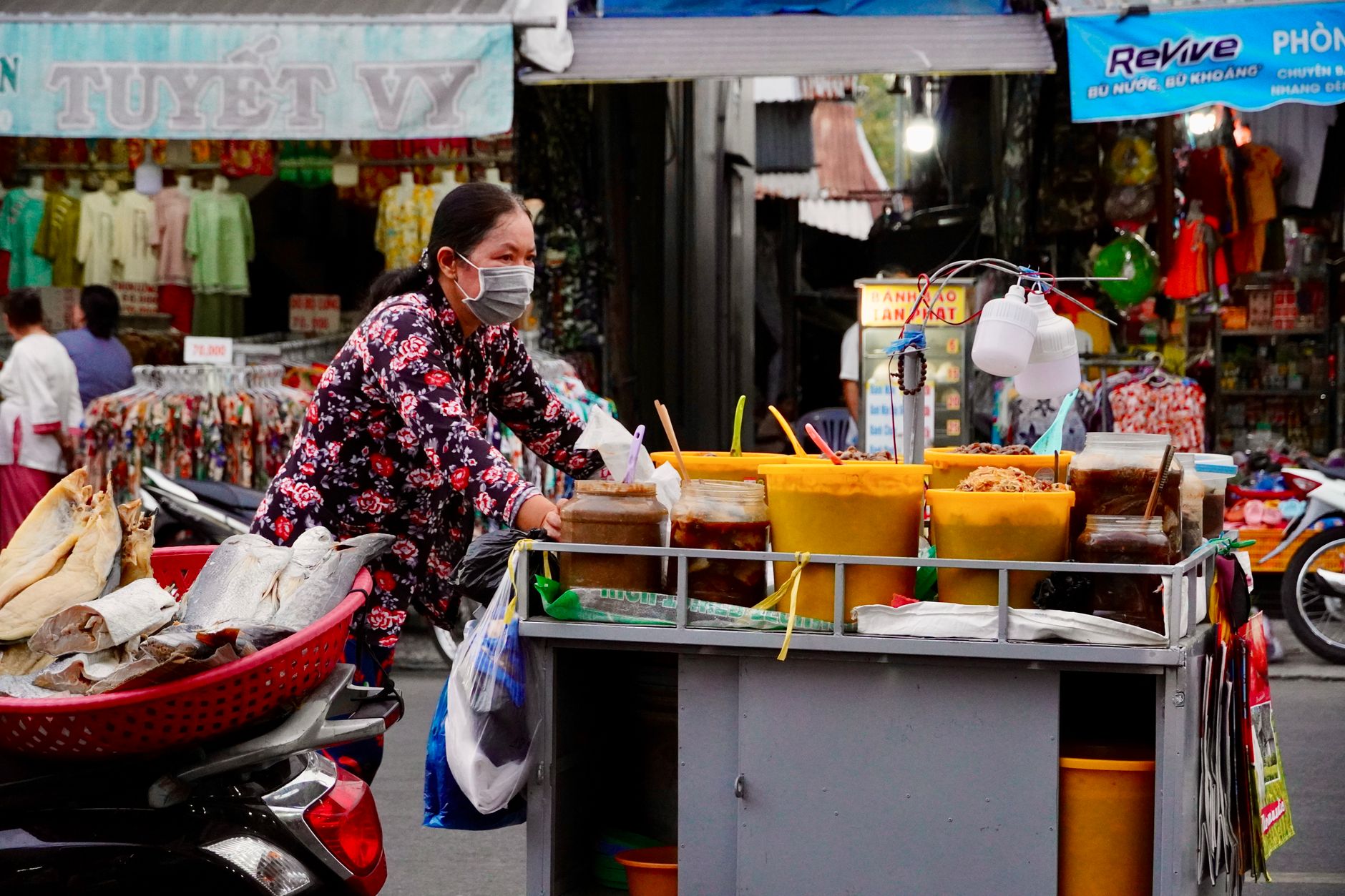
We meet you at a central point in District 1 (or your accommodation if you prefer) and walk to the market entrance. First hour: you move through the produce section, stopping at 2–3 stalls where the host explains seasonal fruit, how to pick them, what's imported versus local. You taste something—maybe rambutan or starfruit in season. Second hour: we move to the meat, fish, and prepared-food rows. The sensory shift is real; vendors call out, scales clang, ice pools glint. We don't push you to touch anything that makes you uncomfortable. Third section: we sit at a street-food stall (plastic stools, shared table, locals eating breakfast around you) and you order a dish the host suggests—bánh canh, cơm tấm, or something vegetarian if that's your diet. You eat slowly, the host explains the ingredients, answers your questions, points out a regular customer or tells you how the vendor's family got into this trade. We often walk a quieter lane after, spotting a neighborhood noodle shop or herb vendor. Total: 3–3.5 hours. By the end, you've touched ingredients, tasted four or five different things, and had a real conversation with someone who sells food for a living.

Which market should you choose—busy or neighborhood?
The answer depends on what you want to see and your comfort with crowds. Quang Ba flower market (early morning, if you time it right) is vast and intense—thousands of stems, vendors shouting, action-packed energy. But it's also dense, loud, and not food-focused; you're watching wholesale trade rather than shopping with locals. A major wet market in District 5 or 6 runs daily and balances bustle with accessibility—vendors expect foot traffic, you can easily buy a snack, stalls are organized by type. A neighborhood market (we know several in quieter lanes) is smaller, slower, cheaper, and more intimate—you're genuinely shopping where locals live, not performing a tourist loop. We choose based on your interest. If you want spectacle and volume, we go bigger. If you want conversation and time to linger, we pick quieter. Rain isn't a blocker; covered market sections and shop-front stall clusters keep things dry, and the energy often peaks after a brief downpour when vendors restock and prices shift.
What's the difference between a market tour and a street-food tour?
A market tour is about understanding the marketplace—how things are sourced, priced, chosen, what's seasonal. You taste snacks as you go, but the focus is the vendors, the stalls, the shopping culture. A street food and market tour deepens the tasting side—we spend more time at eating stalls, try more dishes, sit longer. A pure street-food tour (evening walks, lantern-lit lanes, dessert stalls) has a different rhythm and comes alive at night. If you want to learn to shop and understand ingredients, pick a morning market walk. If you're after flavor immersion and multiple meals, go for the full street-food version. Many of our guests do both—a market morning, then an evening food walk—to see how the same vendors and neighborhoods transform across the day.
Do you need prior knowledge to enjoy a market tour?
No. Half our guests have never cooked Vietnamese food; a quarter don't eat meat or eat only halal; some are on strict diets. The host doesn't assume you know anything. We explain what a daikon is, why fish sauce smells the way it does, what "balut" is (and respect if you pass). Kids aged 6+ usually love markets—they're sensory and hands-on—though we warn parents that fishmongers' stalls can be intense for very young children; we can adjust the route. Seniors appreciate the slow pace and sitting breaks; we pick less-crowded times and avoid routes with steep or uneven lanes. If you have allergies or dietary rules, tell us before the tour—we flag safe stalls and can suggest dishes that work. The goal isn't to eat everything; it's to understand how it all fits together.
How do you choose a tour operator for markets in Saigon?
Before you book, check three things. First: group size. Tours with 15+ people become sightseeing; under 8 is intimate and allows real chat with vendors. Second: timing and pace. Early morning (6–7 a.m. start) is when markets are fullest and most alive; mid-morning is still good but slower. Ask how long you actually walk versus eat—if the operator promises five stalls in two hours, that's rushed. Third: what the price includes. A market tour price should cover tastings at 3–4 stalls, the host's knowledge, and flexibility for weather or vendor closures. Our street food and market tours include those elements; ask us for dates and a quote on WhatsApp. Avoid operators who book you into restaurants after the market—you've already eaten, and the restaurant's up-charges aren't transparent. The best sign: the operator gives you their host's name, tells you the exact market and neighborhood, and adjusts the plan if you have allergies or preferences. Tours that sound identical to everyone are usually generic; real ones are slightly different each time.
| What you're comparing | Busy central market | Neighborhood market | Which suits you |
|---|---|---|---|
| Crowd level | 200+ vendors, peak 7–8 a.m. | 30–50 vendors, steady all day | Prefer quiet? Pick neighborhood. Want energy? Pick central. |
| Taste range | Fruit, fish, meat, prepared food | Fruit, produce, one noodle stall | Street food? Go central. Slow walk? Neighborhood. |
| Tasting stalls | 3–4 snack stops | 2–3, longer sits | Food lover? Both. Time-limited? Neighborhood faster. |
| Photo moments | High (stacks, vendors, light) | Intimate (locals, stories) | Instagram? Central. Real connection? Neighborhood. |
| Walking distance | 2–2.5 km in and out | 1–1.5 km, less back-and-forth | Mobility limits? Neighborhood. Stamina OK? Either. |
Can you combine a market tour with cooking or another experience?
Yes, many guests do. We run a Vietnamese cooking class in a family kitchen, and several people book a morning market walk first—they buy ingredients with the host, learn what's seasonal and good that day, then return to the kitchen and cook the same dish. It costs less than buying ingredients from a supermarket, and you understand the quality difference immediately. Others pair a market tour with a Vietnamese coffee workshop (morning market, mid-morning coffee at a roastery or café), or a tea experience in the afternoon. Rain doesn't cancel a market walk, and we don't combine outdoors-heavy activities on wet days—we might pair a market tour with an indoor class instead. If you're interested in how markets link to other food and craft skills, tell us your interests and how long you're in Saigon; we can suggest a loose itinerary.
What to check before you ask us for a quote
- How many people: Solo travelers, couples, or groups of 6+? Group size changes the feel and the quote.
- Your diet: Vegetarian, vegan, halal, allergies, or foods you dislike? Tell us so we avoid awkward stalls.
- Pace preference: Do you want a slow, chatty walk with long sits, or a faster taste-and-move loop?
- Time of year: Markets are fullest December–April (cool, dry) and slower June–September (heat, humidity, some vendors take breaks).
- Early morning commitment: 6 a.m. start is worth it for energy and quiet. 8 a.m. or 9 a.m. works but is busier and hotter.
- Mobility: Any steep lanes, long walks, or uneven surfaces you want to avoid? Tell us; we adapt the neighborhood.
See how a session runs

FAQ
Do we have to eat everything we're offered in the market?
No. You taste what interests you, skip what doesn't, and eat nothing you're allergic to or philosophically uncomfortable with. The host explains each stall but never pushes.
What language do the vendors speak?
Vendors speak Vietnamese. Our host translates, asks questions for you, and introduces you by name. Most vendors appreciate guests who show genuine interest, even if you don't speak the language.
Is a market tour sanitary? Can I get sick?
Markets are regulated, and we pick stalls with high turnover and visible hygiene. We don't eat raw meat or questionable items. Illness risk is the same as eating at any local eatery; ask us if you're unsure about specific foods.
What if I'm traveling with kids or elderly people?
Kids aged 6+ usually love markets; it's tactile and energetic. Elderly guests appreciate the slow pace and stools at eating stalls. We avoid crowded peak hours and can shorten routes or add rest breaks.
Do we visit the same market every time you run a tour?
No. We rotate between 2–3 markets and neighborhoods based on season, vendor availability, and rain. You'll see different stalls and vendors each time, which is why our hosts return and build relationships with sellers.
What happens if it rains heavily on the day of the tour?
Markets are mostly covered or have shop-front awnings. A light rain doesn't change the plan. Heavy rain moves us to neighborhood indoor markets or shifts the timing forward; we stay in touch on WhatsApp and adjust together.
Ask about dates
Tell us the city, your dates and what you would like to try. We reply on WhatsApp in English with options and availability.
FAQ
Do we have to eat everything we're offered in the market?
No. You taste what interests you, skip what doesn't, and eat nothing you're allergic to or philosophically uncomfortable with. The host explains each stall but never pushes.
What language do the vendors speak?
Vendors speak Vietnamese. Our host translates, asks questions for you, and introduces you by name. Most vendors appreciate guests who show genuine interest, even if you don't speak the language.
Is a market tour sanitary? Can I get sick?
Markets are regulated, and we pick stalls with high turnover and visible hygiene. We don't eat raw meat or questionable items. Illness risk is the same as eating at any local eatery; ask us if you're unsure about specific foods.
What if I'm traveling with kids or elderly people?
Kids aged 6+ usually love markets; it's tactile and energetic. Elderly guests appreciate the slow pace and stools at eating stalls. We avoid crowded peak hours and can shorten routes or add rest breaks.
Do we visit the same market every time you run a tour?
No. We rotate between 2–3 markets and neighborhoods based on season, vendor availability, and rain. You'll see different stalls and vendors each time, which is why our hosts return and build relationships with sellers.
What happens if it rains heavily on the day of the tour?
Markets are mostly covered or have shop-front awnings. A light rain doesn't change the plan. Heavy rain moves us to neighborhood indoor markets or shifts the timing forward; we stay in touch on WhatsApp and adjust together.
More like this
Street food and market tours
Best Street Food Tour in Sapa: What to Expect, How to Choose
Street food tours in Sapa connect you with hill-town cooks and night markets. We'll walk you through what these sessions offer, who they're for, and how to avoid common missteps.
Street food and market tours
Best Street Food Tour in Hue: What to Choose, Who It's For
A street food tour in Hue isn't one thing—it's a choice between styles, neighborhoods, and paces. We break down what actually happens on each type, and how to know which fits your group.
Street food and market tours
Best Food Walking Tour in Vietnam: Hanoi Street Food Guide
A food walking tour in Vietnam immerses you in bustling markets and street lanes where vendors have cooked the same dishes for decades. We show you what to taste, how to order, and the stories behind each bite.