
Home › Blog › Street food and market tours
Best Street Food Tour in Ninh Binh: What to Expect & How to Choose
By the Cáo Experiences team · 2026-11-06
A street food tour in Ninh Binh is a 3–5 hour guided walk through active food markets, family stall kitchens, and local laneways where we stop at 6–10 places, taste dishes as they're made, and learn why locals choose one vendor over another. We start early (6:30 or 7:00 a.m.) to see morning prep and avoid midday heat; you'll eat bánh mì, phở, grilled items, fresh spring rolls, and regional specialties. Cáo Experiences runs these as small groups (max 8 people) or private sessions, hosted in English, with WhatsApp coordination beforehand. We adapt for vegetarians, allergies, and heat sensitivity—tell us your needs and we redesign the stops. Ask us for dates and a quote on WhatsApp; cost varies by group size and whether you book private or join a group slot.
What makes a Ninh Binh street food tour different from Hanoi?
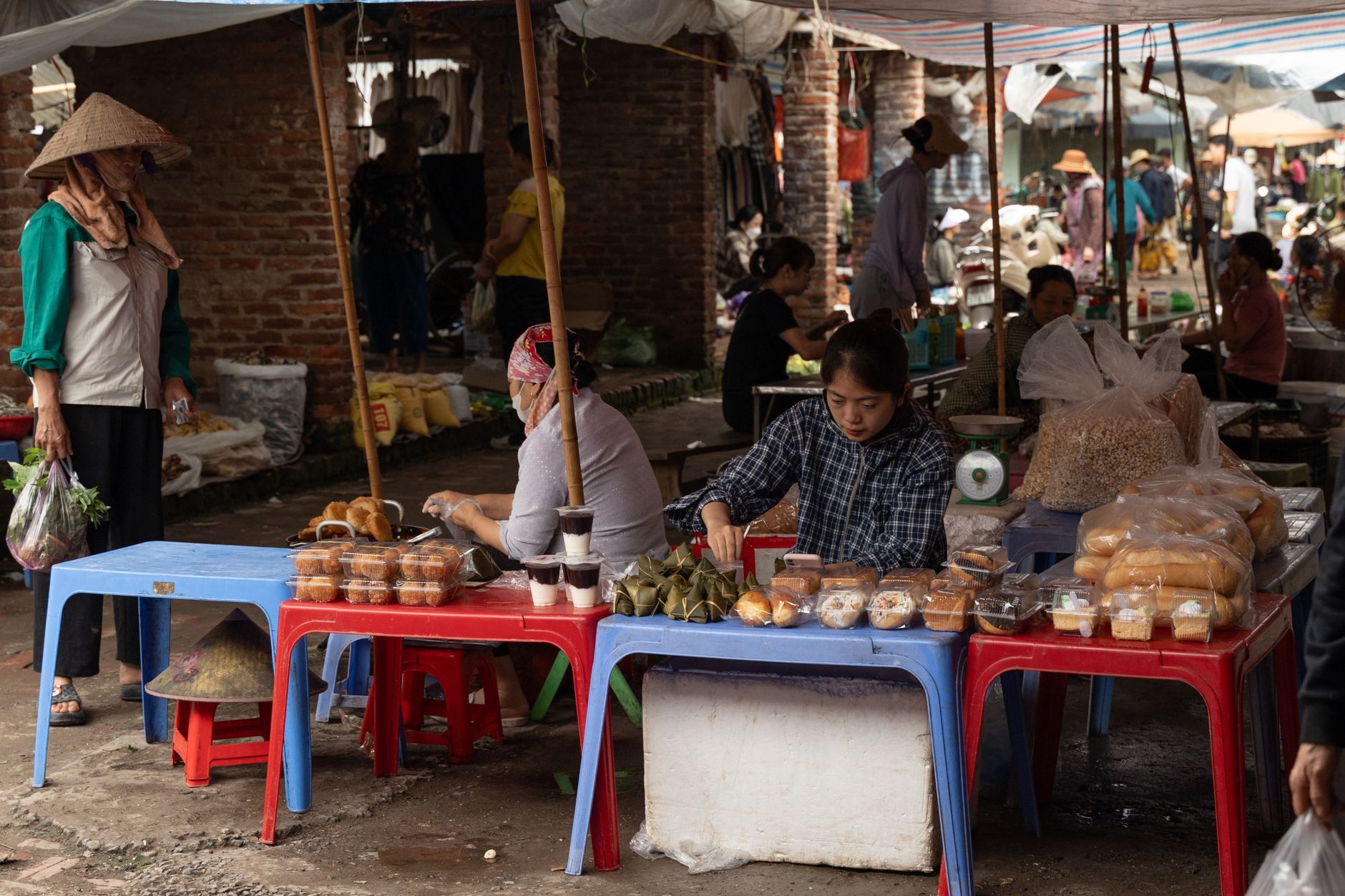
Hanoi's food scene moves fast: packed Old Quarter stalls, high tourist traffic, vendors optimized for volume. Ninh Binh's food culture feels slower and rooted in family recipes. The markets here serve locals commuting to farms and limestone quarries, not tourists hunting Instagram shots. Vendors know their customers by name and adjust portions or spice levels without being asked. You'll taste crab dishes and freshwater snails unique to the region's water systems, not just variations on Hanoi classics. We walk through actual neighborhoods, not curated heritage zones—you see how people actually eat and shop here.
Which tour length suits your energy level and appetite?
Half-day (3–3.5 hours, early morning, 5–6 stops) Best for travelers with limited time, anyone uncomfortable with 4+ hours of eating, first-timers, families with young kids, and people wanting to pair the tour with farm and countryside experiences or other activities that afternoon. Typical flow: 6:30 a.m. start at central market, then moving stalls and a family kitchen, finish by 10:00 a.m., full breakfast feel.
Full-day (5–6 hours, split morning and late-lunch stops, 8–10 places) For serious food explorers, groups of friends, and people staying 2+ nights in Ninh Binh who want regional depth. We pause mid-morning for coffee or tea, rest 1–2 hours midday (heat, digestion), then hit lunch-time favorites. You taste both breakfast and lunch cultures in one session.
Half-day tours suit most first-time visitors; full-day works better if you're already comfortable eating street food or if you've done a Vietnamese cooking class and want to taste the market side of what you learned.
How do allergies, vegetarian, and heat-sensitivity work?
Before booking, tell us your dietary limits—peanut allergies, shellfish, spice tolerance, vegetarian or vegan needs—and we scout the route together on WhatsApp. Ninh Binh markets are flexible: many stalls serve vegetable broths, tofu alternatives, and non-spiced versions if asked a few days ahead. Shellfish is common (crab, snails, shrimp), but we can build a tour skipping seafood vendors if needed.
Heat sensitivity (from weather or digestion) means we adjust pace: we stop longer in shaded spots, we time stops around cooler parts of the day, we include more cold drinks and lighter dishes. If you're unwell mid-tour, we shorten it or sit down—no shame in that. We know which vendors have clean seating, toilets, and shade. Tell us your concerns before the tour date; last-minute changes are harder to arrange.
What should you wear and bring to stay comfortable?
Clothing & footwear Wear lightweight, breathable clothes (cotton, linen) in neutral colors—avoid white (grease splashes from fryers). Closed-toe walking shoes or sneakers: markets are wet and uneven. A light scarf or hat for sun. Dress modestly (shoulders and knees covered) as a sign of respect in family kitchens we visit.
What to bring Small crossbody bag (no large backpacks—they bump into stall displays). Reusable water bottle; we refill it from vendor kitchens or shops. Cash in Vietnamese đồng (most stalls don't take cards; we'll tell you where ATMs are nearby). Phone for photos. Sunscreen if sensitive. Wet wipes or hand sanitizer (you'll eat with your hands or small spoons at some stalls). Comfortable pace = comfortable shoes above all else.
What not to bring Expensive jewelry, large cameras (one phone camera is enough), strong perfume (it lingers in food stalls and is disrespectful). Don't plan to eat a big hotel breakfast beforehand; come with moderate appetite so you taste more stops without feeling sick.
How do we adapt tours for families with kids or older adults?
| Who | What we adjust | Pace | Stops | Special notes |
|---|---|---|---|---|
| Kids (5–12) | Lighter dishes, shorter walks, rest breaks, cooler route | Slower (45 min/stop vs. 20) | 3–4 main ones | Skip raw items if parents prefer; pick sweeter or familiar flavors first |
| Teens (13+) | Full tour experience, can handle spice, longer walks | Normal (half-day 3 hrs, full 5–6) | 6–10 | Good for food photography; may book our cooking class after |
| Older adults (60+) | Shaded route, sitting breaks every 30 min, smaller portions, hydration focus | Slow (frequent rests) | 4–5 | We ask about mobility; avoid uneven market stairs if needed; pick cooler seasons |
| Mixed groups | Customize by person | Flexible (split if needed) | 5–8 | Some people rest while others explore a vendor; regroup at low-pressure stops |
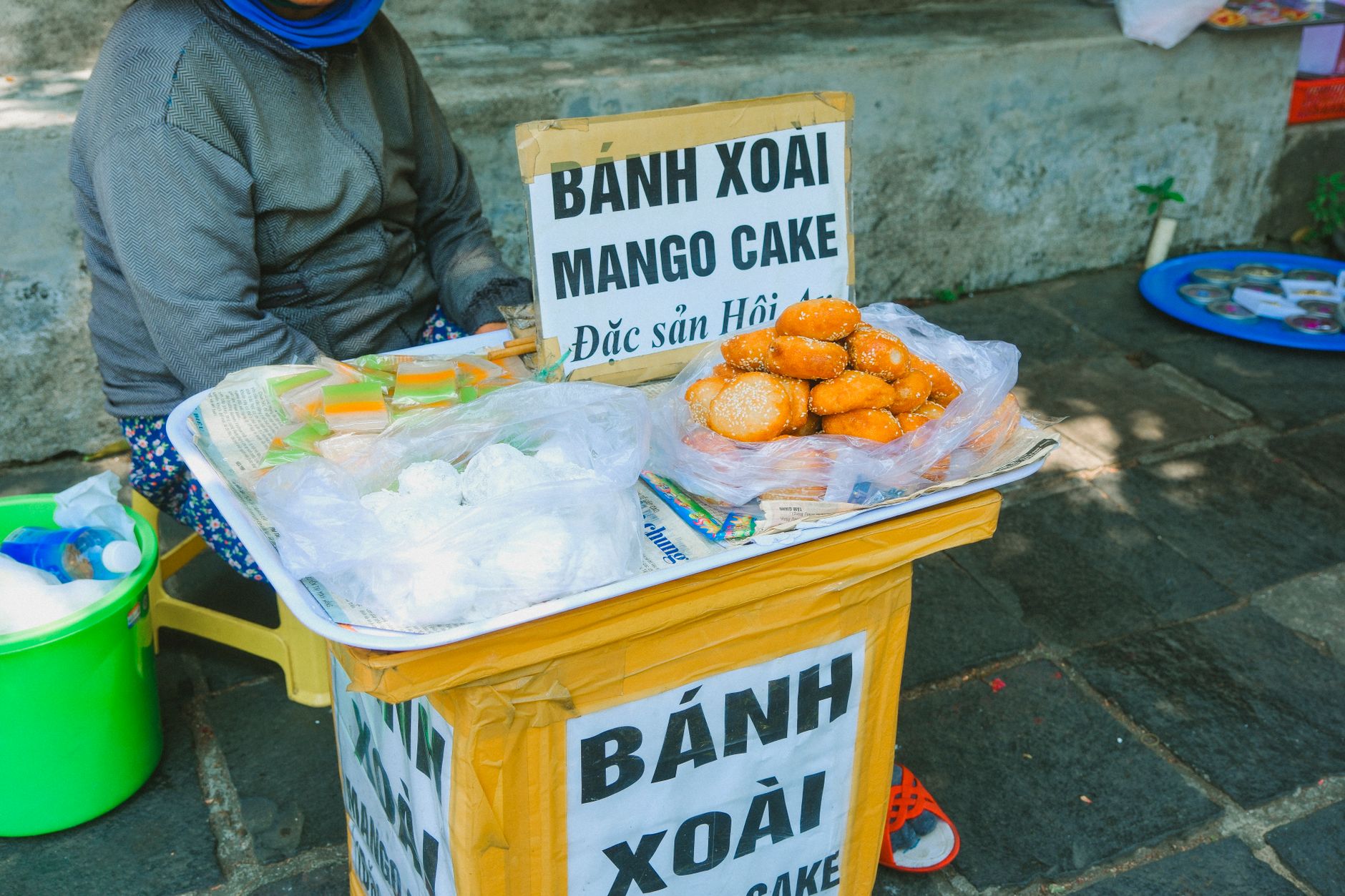
Kids under 5 can attend but not explore stalls directly (safety + space); they sit with a parent or guide while adults sample. Family experiences on our site offer dedicated kids-focused sessions if you prefer that instead.
What actually happens hour-by-hour on the tour?
Early morning (6:30–7:30 a.m., Hour 1) Meet your guide in a central spot; phone call or text confirms it beforehand. We walk to the main morning market where locals queue for breakfast. Stall owners are mid-prep: frying bánh mì on hot grills, boiling phở broth, kneading dough. You taste items as they're made—still warm, not pre-cooked. The market is loud, wet, alive. We explain what each stall does, why locals prefer certain vendors, how prices vary. You eat standing or sitting on small stools; it's casual and real.
Mid-morning (7:45–9:15 a.m., Hour 2–2.5) We walk into quieter laneways and family kitchens attached to homes. These are spots tourists don't find alone. A grandmother might be rolling spring rolls; you watch, ask questions, taste her version. A husband-and-wife team runs a small crab stall; they explain what crab species are local and why. We rest in a shaded café for Vietnamese coffee or tea—strong, slow, not rushed. This break lets your stomach settle before the final stops.
Late morning (9:30–10:30 a.m., Finish) Final 1–2 stops depend on the day: maybe a bakery, a noodle soup spot, a fruit or snack vendor. We ask you what you're curious about—if you want to taste more noodles or move to vegetables—and adjust. By 10:00–10:30 a.m., we're done; you have the rest of the day free. (Full-day tours rest 2–3 hours midday, then meet again at 2:00 p.m. for lunch-hour stalls, finishing by 5:30–6:00 p.m.)
What to check before you book: a short honesty list
- Tell us your actual dietary constraints—not "I might avoid peanuts" but "I have a peanut allergy and carry an EpiPen." Real limits help us route safely; vague preferences make the tour stressful for you and us.
- Confirm group size and private vs. group—private tours run any date you choose; group tours slot into our schedule (ask on WhatsApp for available dates). Private is less rushed; group sessions have the energy of other travelers.
- Discuss early start comfort—6:30 a.m. is early if you're jet-lagged. If you want 8:00 a.m., the markets are busier but still good; 9:00 a.m. means fewer family kitchens are prepping, and heat rises. We'll be honest about the trade-off.
- Ask about bathroom access—we know which stops have decent facilities and which don't. If you're anxious, tell us; we build in a longer rest break at a place with a toilet.
- Check your fitness for 2–5 hours of walking—it's not strenuous hiking, but it's slow-paced, on uneven ground, with occasional stairs. If you're recovering from injury or have joint pain, we can adjust; just mention it.
- Weather plan—if it rains hard (rare but possible June–August), we shorten the route or reschedule. Drizzle is fine; we carry umbrellas. Ask what our rain policy is for your specific dates.
How does a street food tour pair with other Cáo Experiences?
Many guests do a street food tour one day, then cook Vietnamese dishes the next—you've tasted the street versions, now you make restaurant-quality versions at home. Others combine it with farm and countryside experiences to see where ingredients come from (vegetable farms, rice paddies, fish ponds). Some book a tea experience or coffee workshop on a separate morning instead of rushing both into one long day. We can help you mix and match based on your trip length. See all our group and corporate options if you're traveling with friends or colleagues.
For more stories from hosts who've led hundreds of these tours, read our blog.

FAQ
Is 6:30 a.m. start really necessary?
Yes. By 7:00 a.m., vendors are mid-prep and the energy is authentic. By 9:00 a.m., stalls are shutting down and restocking for lunch. Early is uncomfortable but rewarding—you see work, not performance. Compromise is 7:00 or 7:30 a.m. if you need slightly later.
What if I'm vegetarian or vegan?
Tell us before booking. Ninh Binh has vegetable broths, tofu stalls, and plant-based bánh mì. Markets are more flexible than restaurants; vendors adjust recipes for groups if warned a few days ahead. Full vegetarian tours are possible but taste fewer regional specialties (many are meat or seafood based).
How much walking is involved?
2–4 km over 3–5 hours, mostly at slow pace with frequent stops. It's not a fitness hike. Older adults and anyone with knee or hip pain should mention it; we adjust the route. Closed shoes and water bottle are essential.
Can kids or babies join?
Kids 5+ can fully participate. Babies and toddlers under 5 need a parent sitting with them (markets are crowded and hot). Older kids (10+) often enjoy the independence and photography; it works well as a memory with parents.
What's the weather risk in different seasons?
October–November and February–March are coolest (15–25°C morning). April–May and September are hot and humid (25–35°C). June–September are rainy (midday showers, not all-day). We work around it; just tell us your comfort level and we route accordingly. Rain doesn't cancel; it changes stops.
Is the food safe? Will I get sick?
Street food in Ninh Binh is safer than many think—these vendors cook for locals every day and can't afford to sicken their neighbors. They use fresh ingredients, high-heat cooking, and quick turnover. Avoid raw items if your stomach is sensitive, and don't overeat at every stop (pace yourself). Bring hand sanitizer and don't touch your face before washing hands.
Ask about dates
Tell us the city, your dates and what you would like to try. We reply on WhatsApp in English with options and availability.
FAQ
Is 6:30 a.m. start really necessary?
Yes. By 7:00 a.m., vendors are mid-prep and the energy is authentic. By 9:00 a.m., stalls are shutting down and restocking for lunch. Early is uncomfortable but rewarding—you see work, not performance. Compromise is 7:00 or 7:30 a.m. if you need slightly later.
What if I'm vegetarian or vegan?
Tell us before booking. Ninh Binh has vegetable broths, tofu stalls, and plant-based bánh mì. Markets are more flexible than restaurants; vendors adjust recipes for groups if warned a few days ahead. Full vegetarian tours are possible but taste fewer regional specialties (many are meat or seafood based).
How much walking is involved?
2–4 km over 3–5 hours, mostly at slow pace with frequent stops. It's not a fitness hike. Older adults and anyone with knee or hip pain should mention it; we adjust the route. Closed shoes and water bottle are essential.
Can kids or babies join?
Kids 5+ can fully participate. Babies and toddlers under 5 need a parent sitting with them (markets are crowded and hot). Older kids (10+) often enjoy the independence and photography; it works well as a memory with parents.
What's the weather risk in different seasons?
October–November and February–March are coolest (15–25°C morning). April–May and September are hot and humid (25–35°C). June–September are rainy (midday showers, not all-day). We work around it; just tell us your comfort level and we route accordingly. Rain doesn't cancel; it changes stops.
Is the food safe? Will I get sick?
Street food in Ninh Binh is safer than many think—these vendors cook for locals every day and can't afford to sicken their neighbors. They use fresh ingredients, high-heat cooking, and quick turnover. Avoid raw items if your stomach is sensitive, and don't overeat at every stop (pace yourself). Bring hand sanitizer and don't touch your face before washing hands.
More like this
Street food and market tours
Best Street Food Tour in Sapa: What to Expect, How to Choose
Street food tours in Sapa connect you with hill-town cooks and night markets. We'll walk you through what these sessions offer, who they're for, and how to avoid common missteps.
Street food and market tours
Best Street Food Tour in Hue: What to Choose, Who It's For
A street food tour in Hue isn't one thing—it's a choice between styles, neighborhoods, and paces. We break down what actually happens on each type, and how to know which fits your group.
Street food and market tours
Best Food Walking Tour in Vietnam: Hanoi Street Food Guide
A food walking tour in Vietnam immerses you in bustling markets and street lanes where vendors have cooked the same dishes for decades. We show you what to taste, how to order, and the stories behind each bite.