
Home › Blog › Street food and market tours
Best Street Food Tour in Saigon: What Local Guides Actually Show
By the Cáo Experiences team · 2026-11-06
A street food tour in Saigon is a guided walk through markets and neighborhood food stalls where we stop at 4–6 stops, taste dishes, and talk with vendors about ingredients and technique. Tours run 2.5–3 hours, usually in early morning or late afternoon when street vendors are most active. We work with Cáo Experiences to tailor groups (2–8 people) or private pairs to your pace, allergies, and appetite. You'll eat genuine street food—not packaged or upscaled for tourists—and learn why a particular lane or vendor matters to the neighborhood. Cost varies by group size and whether you prefer a walking route in the old quarter or a quieter residential area; ask us for dates and a quote on WhatsApp. Beginners often worry about food safety and stomach upset; we choose vendors with high local turnover and avoid dishes during peak heat. Bring cash (small notes), wear comfortable shoes, and plan to walk 1.5–2 km total. Ask about dates on WhatsApp
What does a Saigon street food tour actually include hour by hour?
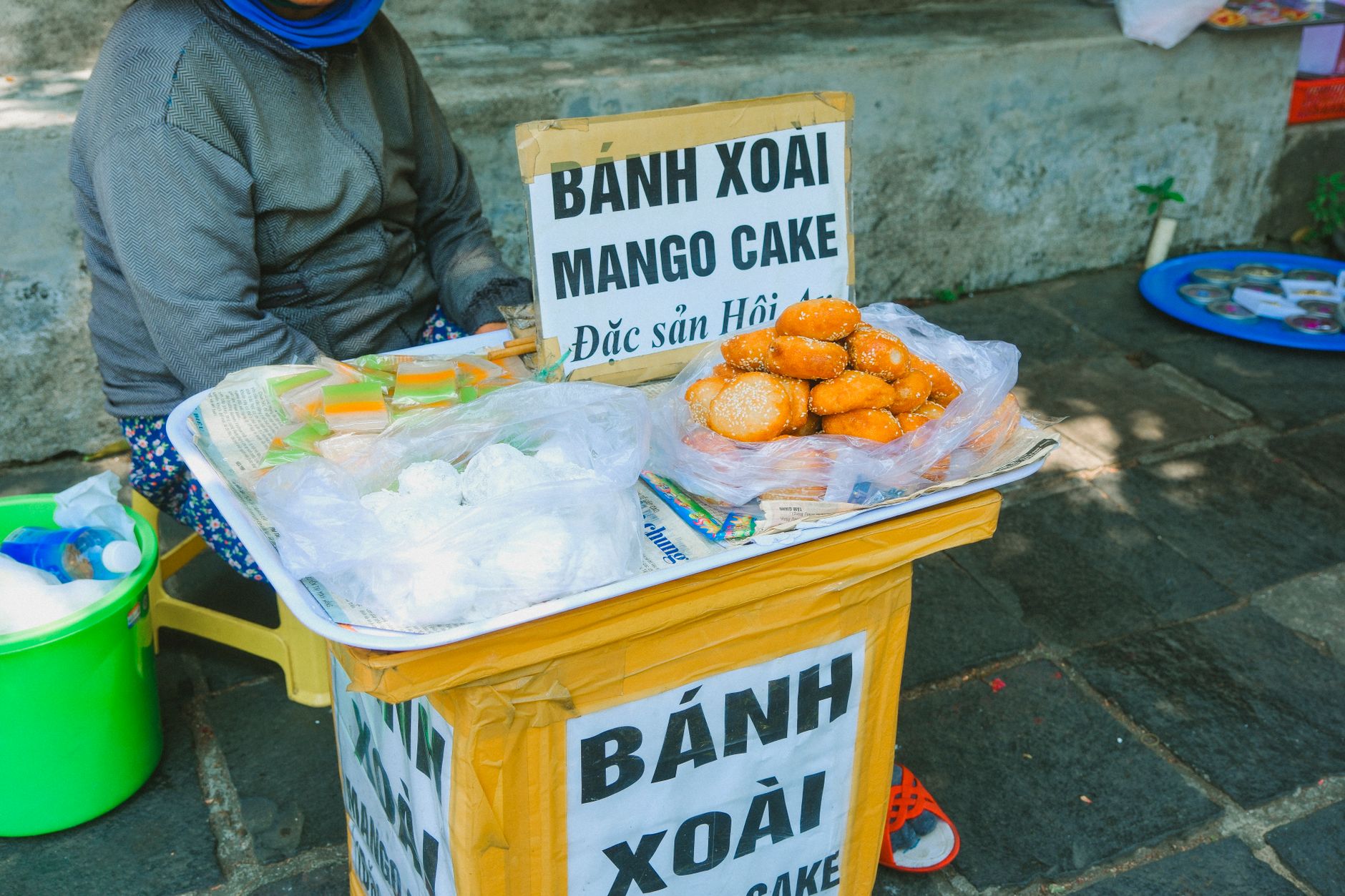
We meet you at a landmark near the old quarter around 6 a.m. (or 4 p.m., depending on your choice) and start walking into lanes most guidebooks skip. Stop one is usually a family making bánh mì in a doorway—we watch the owner assemble a roll, taste it warm, and ask about their meat supplier and why they use a particular vinegar. By stop two (30 minutes in), you're sitting on a plastic stool eating phở from a broth that's been simmering since midnight. Stops three through five scatter across 45 minutes: cơm tấm with a fried egg at a cart, bánh cuốn (rolled steamed cakes) at a stall with a ten-year waiting list among locals, and a cold dessert—perhaps chè or a coconut drink. We finish at a café for iced coffee and debrief. Total walk: about 1.5 km. Total food: enough for breakfast or a light early dinner. You'll have eaten five dishes, heard five vendors' stories, and asked questions without a script. Rain usually means we shorten the walk slightly and spend more time under awnings and in covered lanes.
Who should book a street food tour—and who shouldn't?
Street food tours suit couples, small families (kids 10+), solo travelers, and groups of friends who are curious, flexible with mess, and willing to eat unfamiliar dishes. Seniors are welcome if they can walk slowly and want to sit often; we pick a short route and build in extra rest stops. Don't book if you have severe food allergies (the stalls are open-air and share equipment), a very limited diet (we can't guarantee vegetarian options at every stop), or you're uncomfortable eating in informal settings. Toddlers are difficult because the stalls don't have high chairs and the spaces are crowded. If you're visiting Saigon for the first time and feel overwhelmed by sensory chaos, a cooking class in a quieter kitchen space might suit you better; food-focused tours suit people already comfortable with crowded, unpolished environments.
Should you book a morning or evening street food tour?
Morning tours (6–9 a.m.) hit vendors at peak freshness and energy. Phở makers are in their rhythm, bánh mì bakers have just pulled bread from the oven, and the old quarter hasn't filled with lunch-rush crowds yet. Light is soft and photography-friendly. You'll finish early and have the rest of the day free. Evening tours (4–7 p.m.) catch vendors preparing for dinner service, so you'll see prep work, watch owners restocking, and eat cơm tấm and bánh cuốn when they're fresh off the stove. Evening tours are less crowded and feel more local (fewer tourists, more workers on their break). Choose morning if you want the freshest, most pristine food; choose evening if you prefer a calmer walk and want to see how vendors gear up for dinner. Rain is equally possible either time, so that's not the deciding factor. Both routes cover the same general area and vendors but emphasize different rhythms.
What's the real difference between a walking tour and a market-focused tour?
| Tour Type | Route | Crowd Size | What You See | Best For |
|---|---|---|---|---|
| Lane walking | Old-quarter alleys, doorway stalls, residential carts | 2–6 people, feels intimate | Vendors mid-task, neighbors eating breakfast, family recipes | Couples, curious eaters, photographers |
| Market-focused | Quang Ba flower market edges, morning market stalls, vendor clusters | 4–8 people, more open | Bulk food trading, seasonal produce, multi-stall stops | Groups, first-timers, people who like organized energy |
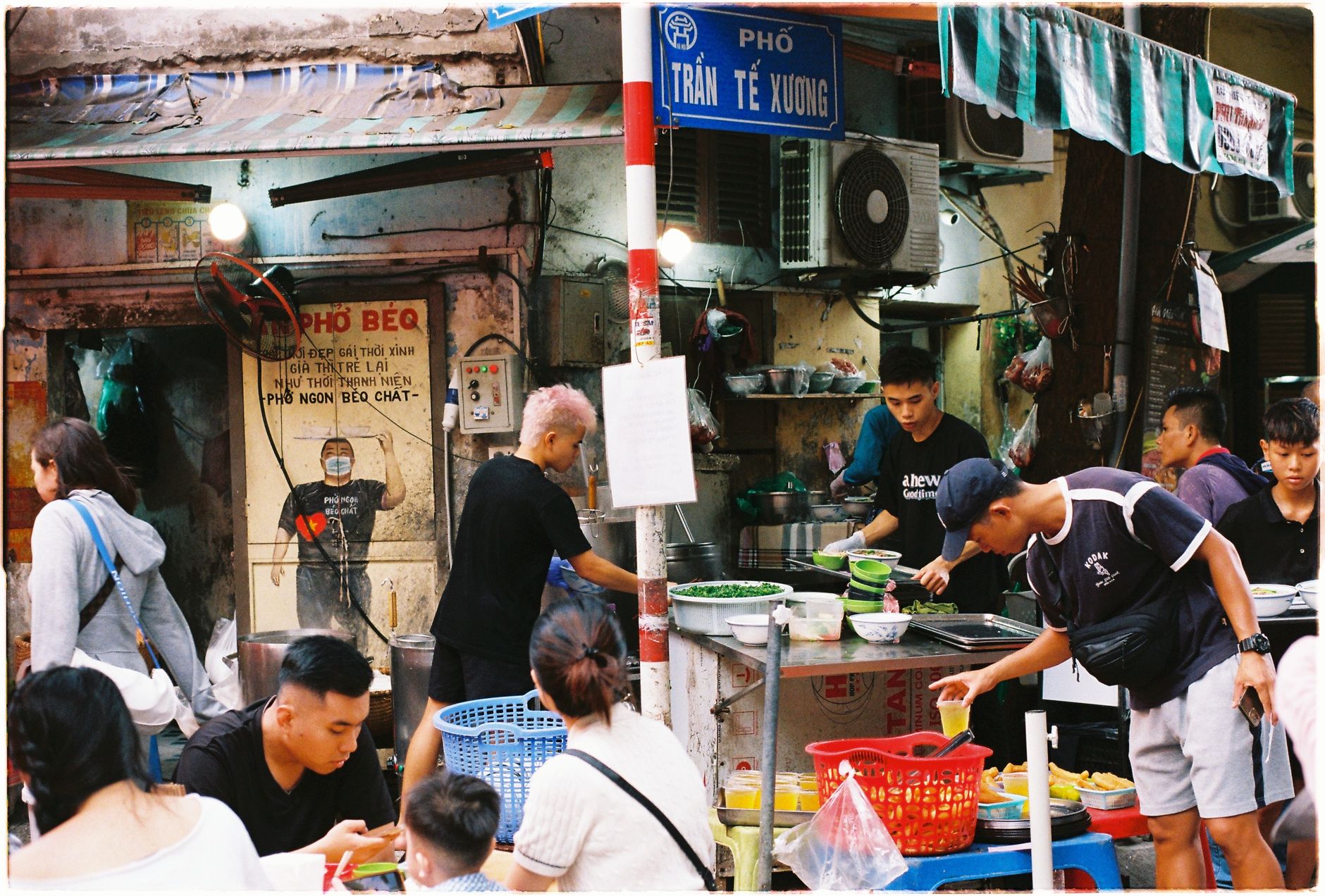
Lane walking tours meander through neighborhood food lanes where one vendor has run the same bánh cuốn stall for 12 years and knows every neighbor by name. You eat sitting on plastic stools surrounded by real breakfast traffic—office workers, schoolchildren, construction crews. The vendor often speaks some English or we translate; you hear personal history. No gift shop, no photo backdrop, no "Instagrammable" staging. Market-focused tours concentrate on the edges of major markets where multiple vendors cluster and the energy is higher; you move faster, see more types of food, and taste a wider range. Markets are busier, noisier, and can feel overwhelming on a first visit, but the variety is unmatched. Beginners often prefer lane walking because it's slower and quieter; experienced food travelers often prefer markets because there's more to discover in one place. Both routes hit genuine vendors, not tourist restaurants. Choose lane walking if you want intimacy and story; choose market-focused if you want speed and variety.
What should you check before booking a street food tour?
1. Confirm group size. Smaller groups (2–4 people) mean more personal conversation with vendors and a slower pace; larger groups (6–8) move faster and share cost. Ask whether you're joining a mixed group or booking private.
2. Ask about dietary needs. Vegetarian tours exist but need advance notice; the standard route assumes you eat meat and seafood. Shellfish allergies require a different set of stops. Discuss this on WhatsApp before confirming.
3. Check the weather forecast. Tours run in light rain but feel cramped if it's heavy. Ask about rescheduling options if a storm hits the day of.
4. Bring small cash notes. Stalls don't accept cards; expect to carry 100,000–our current quote for your portion of food (this is our estimate based on typical vendor prices, not a guaranteed total). Some vendors round down if you buy from multiple stops.
5. Confirm pickup location. Tours start near landmarks, not hotels. Know where to meet and arrive 10 minutes early.
6. Ask what's included beyond food. Water, coffee, and any nonalcoholic drinks are usually included; alcohol isn't. Confirm whether tips are expected (they're appreciated but not mandatory).
- Ask what happens if you cancel, reschedule, or don't show up.

How do street food tours differ from a cooking class or coffee workshop?
A street food tour is observational and immersive—you're in the vendor's environment, eating at their stall, watching them work, and asking questions in real time. You taste finished dishes, not ingredients. The focus is on exploration and story. A cooking class moves you into a private kitchen where you learn technique: how to make phở stock, roll bánh cuốn by hand, or balance flavors in a dipping sauce. You cook from scratch and take recipes home. A coffee workshop is hands-on and technical—you learn about bean origin, roasting, brewing methods, and how to taste acidity and body. Tours are passive (you listen and eat); classes are active (you do). Tours work best if you want to understand the neighborhood and vendors; classes work best if you want to develop a skill you can practice at home.
What's the honest truth about food safety on street food tours?
Street food in Saigon is usually safe if you follow one rule: eat where there's turnover. High turnover means the food is fresh, was cooked an hour ago, not three hours ago. We choose vendors where a steady line of locals arrives throughout the morning or evening—that's the sign the food is safe and fresh. Stalls with slow traffic sit all day; avoid those. Avoid dishes made with raw or lightly cooked items unless you're used to them (fresh spring rolls are fine; raw crab salad is riskier if your stomach isn't adapted). Open-air stalls are actually safer than air-conditioned cafés because food sits in cool air, not warm indoor air. The biggest risk is eating too much too fast—your stomach may not be used to unfamiliar spices and oil. We tell guests to taste small portions, drink water between stops, and skip a stop if you feel uncomfortable. Most people have zero issues; some feel mild bloating or loose stool the next day, which is normal. If you have IBS or a sensitive gut, mention it when you book and we'll choose milder dishes and shorter portions.
Can you do a street food tour if you're vegetarian or have allergies?
Vegetarian: Saigon has vegetarian options, but they're scattered. A standard street food tour includes phở, bánh mì (often with pâté or meat), cơm tấm with egg and pork, and seafood-based dishes. A vegetarian tour needs advance planning and hits different vendors—a café with meatless bánh mì, a stall with phần rau (vegetable-only cơm tấm), a tofu shop, and a vegetarian café. We can arrange this, but it requires at least three days' notice and may cost slightly more because the vendors are fewer and more spread out. Ask us for dates and a quote on WhatsApp.
Allergies: Shellfish allergies are common and manageable because we can skip seafood stalls. Peanut allergies are trickier—peanuts appear in many sauces, dipping pastes, and desserts. Sesame allergies require checking almost every stop. Gluten allergies mean phở and bánh cuốn are risky (fish sauce and soy sauce contain gluten; bánh cuốn wrappers are wheat). We'll work around one or two allergies, but if you have three or more, a private group is safer because we can coordinate with vendors in advance. Discuss allergies on WhatsApp before booking.
Where in Saigon should you do a street food tour?
Old Quarter (near Hoan Kiem Lake) is the most accessible: lanes are tight, vendors are concentrated, and English-speakers are common. The alleys are chaotic but manageable, and you can walk to the lake afterward. This area suits first-timers. Residential neighborhoods south and west of the center are quieter, less touristy, and fuller of actual locals eating breakfast. The food tastes the same; the vibe is calmer. These suits couples and people who've already been to the old quarter. District 1 near the market edge has vendor clusters and higher energy; good for people who like to see many options in one place. No single area is "best"—they're all good. We'll suggest a route based on your group size, stamina, and how touristy or local you want the experience to feel.
Pages from our team you may need
FAQ
How many dishes will I actually eat on a street food tour?
Usually four to six dishes, depending on portion size and your appetite. You'll taste phở, bánh mì, cơm tấm, and two other specialties. We pace it so you're not uncomfortably full; you can ask for smaller portions or skip a stop if needed.
Do I need to speak Vietnamese to enjoy the tour?
No. We guide in English and translate conversations with vendors. Many vendors understand basic English; all will be patient. The experience isn't about language—it's about taste and watching how they work.
What should I wear on a street food tour?
Comfortable walking shoes (lanes are uneven), casual clothes you don't mind getting sauce splashes on, and a light layer in case morning is cool. Avoid sandals unless you're very confident on uneven ground. Bring a small backpack or crossbody bag for cash and a water bottle.
Can I book a private tour for just two people?
Yes. Private tours accommodate 2–6 people. Cost is higher per person than joining a mixed group, but you control the pace, dietary needs, and route. Ask us for dates and a quote on WhatsApp.
What happens if it rains the day of my tour?
Light rain doesn't cancel the tour; we walk under awnings and spend more time under covered stalls. Heavy rain (downpour) may be rescheduled. Ask about the cancellation and reschedule policy when you book.
Can I take photos during the tour?
Yes, but be respectful. Ask vendors before photographing them or their stalls. Most are fine with it, especially if you're buying food from them. Don't pose for long; vendors need to keep cooking.
What if I have a very limited diet (only eat rice, vegetables, certain proteins)?
Discuss this when you book. Some diets are hard to accommodate on a standard tour because street food is often strongly flavored. A private tour or cooking class where we prepare food for you might suit you better.
Do tours operate in summer (May–September) or only in cooler months?
Tours run year-round, but summer (May–September) is hot and humid, and vendors sometimes close in afternoon heat. Early morning tours (6–7 a.m.) are more pleasant in summer. Winter (November–February) is ideal weather.
How far in advance should I book a street food tour?
At least one week is comfortable; three days works if the dates align. During peak tourist season (November–February), book two weeks ahead. Ask us for dates and a quote on WhatsApp.
Ask about dates
Tell us the city, your dates and what you would like to try. We reply on WhatsApp in English with options and availability.
FAQ
How many dishes will I actually eat on a street food tour?
Usually four to six dishes, depending on portion size and your appetite. You'll taste phở, bánh mì, cơm tấm, and two other specialties. We pace it so you're not uncomfortably full; you can ask for smaller portions or skip a stop if needed.
Do I need to speak Vietnamese to enjoy the tour?
No. We guide in English and translate conversations with vendors. Many vendors understand basic English; all will be patient. The experience isn't about language—it's about taste and watching how they work.
What should I wear on a street food tour?
Comfortable walking shoes (lanes are uneven), casual clothes you don't mind getting sauce splashes on, and a light layer in case morning is cool. Avoid sandals unless you're very confident on uneven ground. Bring a small backpack or crossbody bag for cash and a water bottle.
Can I book a private tour for just two people?
Yes. Private tours accommodate 2–6 people. Cost is higher per person than joining a mixed group, but you control the pace, dietary needs, and route. Ask us for dates and a quote on WhatsApp.
What happens if it rains the day of my tour?
Light rain doesn't cancel the tour; we walk under awnings and spend more time under covered stalls. Heavy rain (downpour) may be rescheduled. Ask about the cancellation and reschedule policy when you book.
Can I take photos during the tour?
Yes, but be respectful. Ask vendors before photographing them or their stalls. Most are fine with it, especially if you're buying food from them. Don't pose for long; vendors need to keep cooking.
What if I have a very limited diet (only eat rice, vegetables, certain proteins)?
Discuss this when you book. Some diets are hard to accommodate on a standard tour because street food is often strongly flavored. A private tour or [cooking class](/cooking-class) where we prepare food for you might suit you better.
Do tours operate in summer (May–September) or only in cooler months?
Tours run year-round, but summer (May–September) is hot and humid, and vendors sometimes close in afternoon heat. Early morning tours (6–7 a.m.) are more pleasant in summer. Winter (November–February) is ideal weather.
How far in advance should I book a street food tour?
At least one week is comfortable; three days works if the dates align. During peak tourist season (November–February), book two weeks ahead. Ask us for dates and a quote on WhatsApp.
More like this
Street food and market tours
Best Street Food Tour in Sapa: What to Expect, How to Choose
Street food tours in Sapa connect you with hill-town cooks and night markets. We'll walk you through what these sessions offer, who they're for, and how to avoid common missteps.
Street food and market tours
Best Street Food Tour in Hue: What to Choose, Who It's For
A street food tour in Hue isn't one thing—it's a choice between styles, neighborhoods, and paces. We break down what actually happens on each type, and how to know which fits your group.
Street food and market tours
Best Food Walking Tour in Vietnam: Hanoi Street Food Guide
A food walking tour in Vietnam immerses you in bustling markets and street lanes where vendors have cooked the same dishes for decades. We show you what to taste, how to order, and the stories behind each bite.