
Home › Blog › Tea experiences
Best Tea Ceremony in Ho Chi Minh City: What to Expect
By the Cáo Experiences team · 2026-11-06
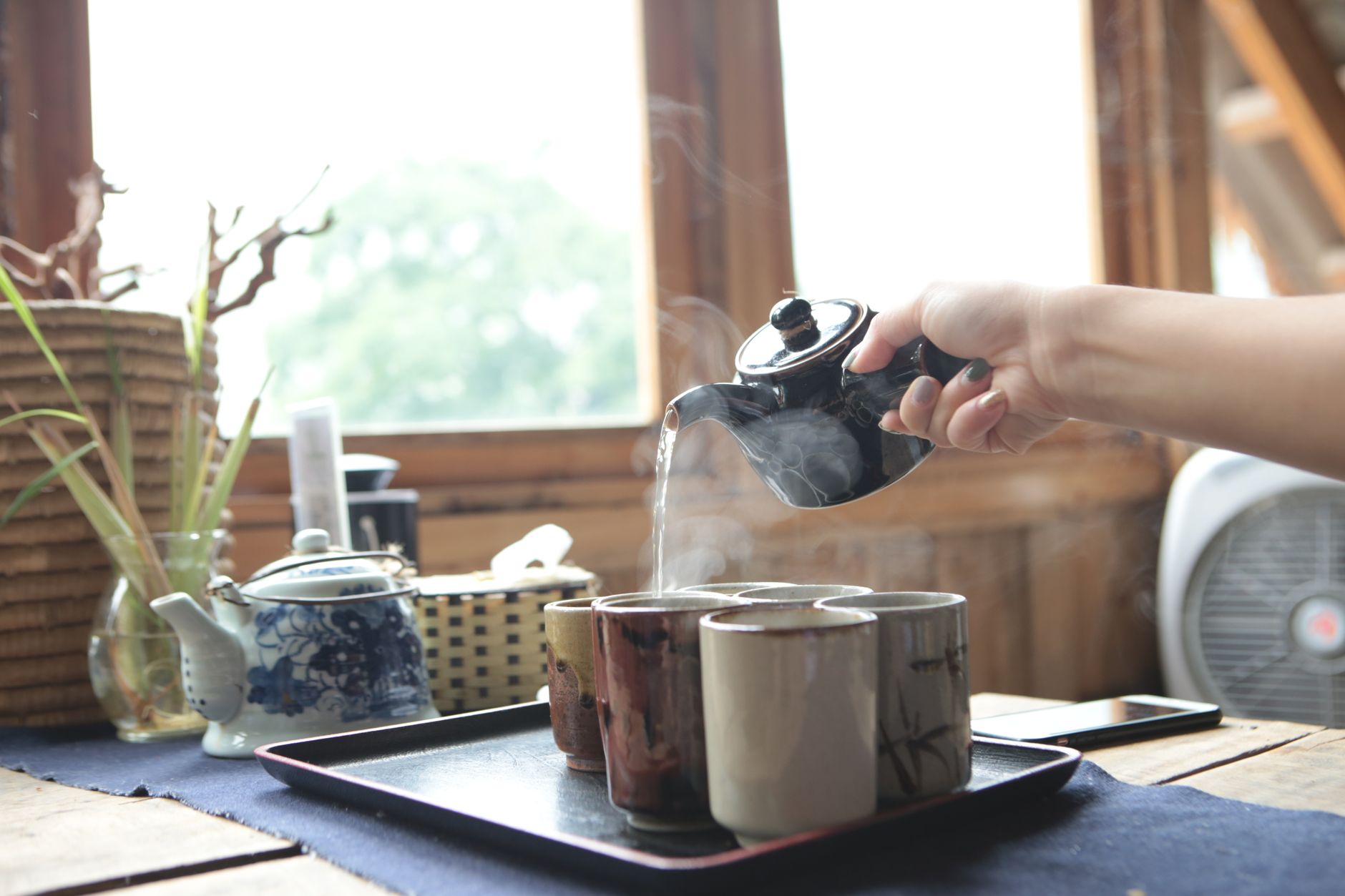
A tea ceremony with Cáo Experiences is a 90-minute to 2-hour guided session where we teach you the philosophy, vessels, and precise movements of traditional tea preparation. We run small groups (4–8 people) or private sessions in a calm studio space in Saigon's old quarter, sitting at low tables with proper tea sets. You'll learn water temperature, steeping times, and how to taste; you brew and serve tea yourself under guidance, not watch a performer. Most sessions cost a modest amount per person; ask us for dates and a quote on WhatsApp. Beginners worry about "doing it wrong"—we adapt for zero experience, and there's no performance pressure. It suits couples, solo travelers, office groups seeking calm, and families with curious teenagers; young children (under 8) find sitting still hard, and we adjust by mixing in storytelling. Ask about dates on WhatsApp
What happens in the first 30 minutes?
You arrive, we settle you at the table, and we pour tea. Not to drink yet—to observe. We explain the tools: the gaiwan (lidded bowl), cha hai (pitcher), and small cups. We talk about water: we heat spring water to 75–85°C for green tea, 95°C for dark oolong, because temperature shifts flavor. You handle each vessel, feel the weight, see how the lid sits. Many guests say this moment—just touching the tools—relaxes them more than they expected. We answer "why does it look this way?" questions. Then we brew the first cup together, and you taste without commentary. Tasting comes before talking.

How does the middle section build your skill?
We show you the full sequence: leaf selection, rinsing (if the tea requires it), timing the infusion. You pick up the gaiwan, smell the leaves, pour water at the right angle. We don't correct your grip unless it affects the tea; rhythm matters more than perfection. Each brew (we do 3–5 infusions from one set of leaves) tastes different. You notice this yourself—"it's smoother now," "more floral." That's the teaching. We talk about how each region's processing shapes taste. If you're in a group, you pass cups to each other; it's meditative, not rushed. Seniors find this pace natural; they often become the calmest people in the room. Kids who make it to 45 minutes usually ask "can we do this at home?"
Why do people choose tea ceremony over cooking class?
Our Vietnamese cooking classes teach you techniques you repeat at home—chopping, seasoning, timing dishes. Tea ceremony teaches you attention. You're not producing a meal; you're practicing presence. Some guests book tea after a street food and market tour because they want to slow down. Others come for wellness and slow experiences and find tea fits that intention exactly. If you're deciding between them: pick cooking if you want a skill you'll use daily; pick tea if you need permission to sit still. Many do both.
What do we adapt for allergies, preferences, and age?
We stock several tea types—green, white, oolong, pu-erh—and you choose what appeals. No one with a caffeine sensitivity has to skip; we have caffeine-free herbal infusions, though they're not traditional tea ceremony (we're honest about that). Pregnant guests often ask about caffeine: we offer decaffeinated options or very light infusions. Kids under 12 usually get water or a mild white tea; they taste, learn the ritual, but we don't load them with stimulants. We've never had a session interrupted by rain—we're indoors—but on very hot days, we chill the tasting cups slightly if someone asks. Older guests sometimes worry about sitting on low cushions; we provide chairs without hesitation, and the experience doesn't change. One woman in her 70s told us she sat on the floor anyway because "I felt like I could"—the calm in the room gave her permission.
What's the honest comparison: group versus private?
| Format | Who it's for | Pace | Why choose it |
|---|---|---|---|
| Small group (4–8) | Solo travelers, couples, people who like energy | Shared; you watch others brew, comment together | Cheaper per person; learning happens when someone asks a question you had too |
| Private (1–4 people, your group) | Families, couples wanting intimacy, teams wanting to bond, or nervous beginners | Whatever suits you; we slow down or go deeper | You set the tone; we adapt timing and depth to your mood |
| Mixed option: public slot you join | Budget-conscious, flexible on timing | Scheduled dates, group energy | You get the structure of a group without booking months ahead |
Most guests asking "which should I pick?" are actually asking "will I feel awkward?" The answer: no. Strangers in a group become quiet-focused together—awkwardness dissolves. Private sessions suit people who want to talk more (ask questions about philosophy, sourcing, or the history of tea in Vietnam) or want to practice multiple ceremonies back-to-back without tiring others.

How do you choose before booking?
Ask yourself these honest questions:
- Do you want to learn or just experience? Both are valid. If you want to understand why, pick a session where we can pause and explain—usually private or small groups with a slower pace. If you want the feeling, group sessions move faster and you soak it up.
- How much sitting-still time can you actually do? Be truthful. A 90-minute session includes 10 minutes of intro, 60 minutes of brewing and tasting, 20 minutes of wind-down. If you fidget, say so—we can add a walking break or shorten to 60 minutes.
- What's your tea knowledge now? Zero is fine; we start there. If you've studied gongfu cha, tell us—we won't patronize you, and we can go deeper on technique or philosophy. Mixed groups work because we teach to beginners and offer layers.
- Are you coming alone or with people you know? Alone, you'll be paired with others and will bond fast (something about tea silence makes strangers comfortable). With friends, you might feel self-conscious—we know this, and we give groups permission to laugh and relax.
Visit our tea experience page for dates and more detail on what's running.
What should you bring and wear?
Wear something you can sit in comfortably—no tight jeans. Bare feet or socks are normal at the table; some guests remove shoes. Bring a notebook if you want to jot down tea names or feelings (many people do; it's part of the ritual). Don't bring perfume or cologne—smell matters, and yours will compete with the tea. Bring an open mind and nothing else. We provide water, tea, cups, and cushions. Phone stays in your bag. One guest asked if she should "fast" to appreciate the taste better—no, eat normally, just not a big meal right before. You'll taste better with a calm stomach than an empty one.
What do hosts worry you'll ask?
"Is this religious?" No. We teach the practical, sensory side—how to brew well, why leaves open, how taste changes with temperature. If philosophy feels spiritual to you, that's your experience; we don't push it either way.
"Will I feel rushed?" Never. If you're the type who wants to sit 20 minutes with one cup, we let you. Time is yours.
"What if I don't like the tea we're using?" We brew several types. By cup three, you'll find one that resonates. If you genuinely hate all tea, we talk about why and often learn something—maybe you hate astringency, or too much heat. That's useful.
"Can I take photos?" Yes, quietly, for memory—not for social media performance. The moment you put the phone down, you taste better.
How does tea ceremony fit with other Cáo experiences?
Many guests layer their trip. You might do a Vietnamese cooking class one morning (hands-on, energetic, you eat lunch), then tea ceremony in the afternoon (quiet, restorative). Or a coffee workshop to understand one ritual, then tea to understand another—you'll spot the parallels (precision, respect for the plant, meditative repetition). Some groups book group and corporate experiences that blend tea with a walking tour of the old quarter, grounding the practice in place. If you're in Hanoi, we run tea experiences there too. We've had families add tea to family experiences—kids taste, parents decompress, everyone leaves calmer.
What to check before you book:
- Dates and group size. Ask us on WhatsApp; we fill small slots fast, and we block time for private sessions.
- Your schedule. 90 minutes minimum, plan for 2 hours with arrival and wind-down.
- Mobility. Low seating—tell us if you need a chair.
- Allergies. None common with tea, but mention any unusual sensitivities.
- Language. We host in English; translation available for small groups in other languages—ask.
- Vibe you want. Quiet learning? Social group? Meditative solo? Tell us, and we'll suggest the right session.
See how a session runs
FAQ
How long is a tea ceremony session?
Most run 90 minutes to 2 hours, including intro, brewing, tasting, and wind-down. We can shorten to 60 minutes for tight schedules, though the ritual feels rushed then. Ask us for flexibility when you book.
Do I need tea experience to join?
No. Zero experience is the norm. We teach everything from water temperature to why leaves unfurl. If you've studied tea before, tell us and we'll go deeper on technique or sourcing.
What type of tea will we use?
We stock green, white, oolong, and pu-erh. You choose what appeals, or we suggest one based on the season and your taste preference. Caffeine-free options available on request.
Can I bring friends or family?
Yes. Small groups (4–8) are social and calm. Private sessions (up to 4 people, your group) let you set the pace. Families with kids under 8 find sitting still challenging; we adapt with shorter formats or add storytelling.
What if I don't like sitting on the floor?
We provide chairs without hesitation. The experience doesn't change; you're still learning and tasting. Comfort is non-negotiable for us.
Is this expensive?
Ask us for a quote on WhatsApp. Prices are modest per person for group sessions; private sessions cost more but are split among your group. We offer what we believe is fair value for a guided, unhurried experience in a calm space.
Ask about dates
Tell us the city, your dates and what you would like to try. We reply on WhatsApp in English with options and availability.
FAQ
How long is a tea ceremony session?
Most run 90 minutes to 2 hours, including intro, brewing, tasting, and wind-down. We can shorten to 60 minutes for tight schedules, though the ritual feels rushed then. Ask us for flexibility when you book.
Do I need tea experience to join?
No. Zero experience is the norm. We teach everything from water temperature to why leaves unfurl. If you've studied tea before, tell us and we'll go deeper on technique or sourcing.
What type of tea will we use?
We stock green, white, oolong, and pu-erh. You choose what appeals, or we suggest one based on the season and your taste preference. Caffeine-free options available on request.
Can I bring friends or family?
Yes. Small groups (4–8) are social and calm. Private sessions (up to 4 people, your group) let you set the pace. Families with kids under 8 find sitting still challenging; we adapt with shorter formats or add storytelling.
What if I don't like sitting on the floor?
We provide chairs without hesitation. The experience doesn't change; you're still learning and tasting. Comfort is non-negotiable for us.
Is this expensive?
Ask us for a quote on WhatsApp. Prices are modest per person for group sessions; private sessions cost more but are split among your group. We offer what we believe is fair value for a guided, unhurried experience in a calm space.
More like this
Tea experiences
Best tea ceremony in Hoi An: hands-on classes and traditions
A tea ceremony in Hoi An isn't theatre—it's a quiet craft where you brew, taste, and understand water temperature, leaf grade, and timing. We run small-group and private sessions in intimate spaces in the old quarter.
Tea experiences
Best tea ceremony in Saigon: what to choose and why
Tea ceremony in Saigon ranges from meditative workshops to hands-on brewing classes. We guide you through what each type offers, who it suits, and how to pick one that matches your group's pace and interests.
Tea experiences
Tea ceremony in Da Lat: find your perfect experience
Da Lat's misty hills grow some of Vietnam's finest teas. At Cáo Experiences, we run small-group and private tea ceremonies where you learn traditional brewing, taste teas at origin, and meet the people who grow and process them.