
Home › Blog › Craft workshops
Craft Workshop in Hoi An: What to Expect Step by Step
By the Cáo Experiences team · 2026-11-06
A craft workshop in Hoi An typically runs 2.5 to 4 hours with Cáo Experiences, hosted in a family kitchen or studio in the old quarter or surrounding lanes. You'll learn one core technique—say, hand-folding silk lanterns or painting wooden blocks—starting with a demo by your host, then doing it yourself with guidance. Groups are small (2–8 people) so you get real attention. Most beginners finish a complete piece. No experience needed; we adapt for kids (from age 5), seniors, and mixed skill levels. Rainy days happen—we work indoors anyway, or reschedule with a day's notice. Ask us for dates and a quote on WhatsApp. Explore our craft workshops to see what we offer across Vietnam.
What craft skills can you actually learn in one session?
We teach skills that make sense in a half-day or full-day window: silk lantern folding and painting, woodblock carving and printing, watercolor on rice paper, indigo hand-dyeing of cloth, and simple lacquerware finishing. Each one starts with the host showing you the technique on scrap material, then you practice on your own piece. Watercolor and block-printing beginners often finish 2–3 pieces. Lantern folders make one complete lantern, ready to light. Indigo dyers take home dyed cloth they can frame or use. The goal is never to master the craft—it's to understand the patience and precision craftspeople use, and walk away with something real you made.
Who hosts the workshop and where do you go?
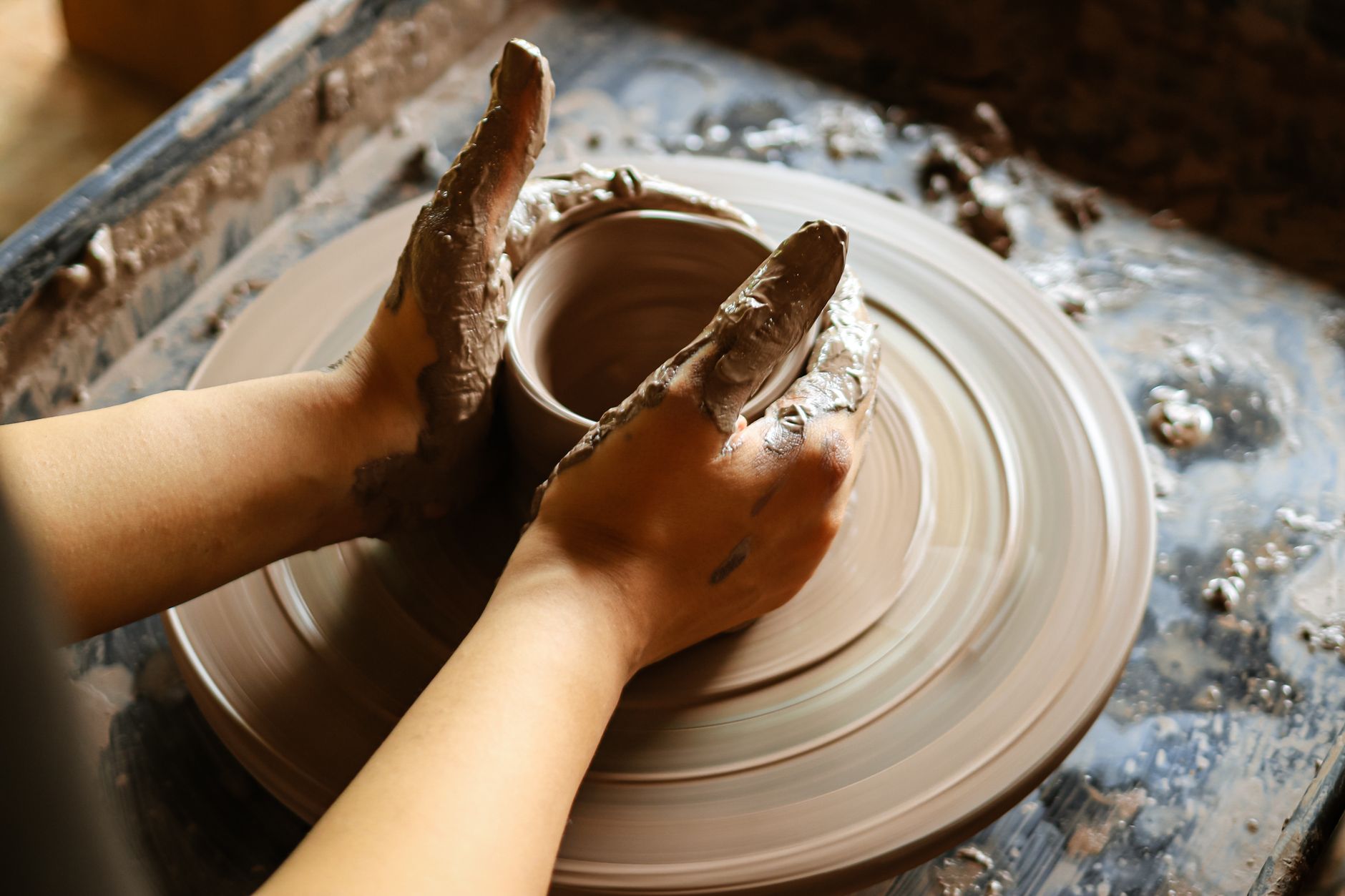
Our hosts are working craftspeople—often a family who's run their studio for decades in a lane off Hoi An's old quarter, or in quieter villages nearby. You'll go to their actual workspace: a wooden-fronted house with a courtyard, shelves of tools and materials, a big table, and usually a kettle on. It's not a tourist factory. The host speaks English, demonstrates hands-on, and leaves you room to experiment. You'll meet their family or apprentices. If you're uncomfortable in a home, let us know—we can arrange a studio setting instead. Either way, you're learning in the place where the work actually happens.
How much mess, and what should you wear?
Indigo dye stains everything—wear clothes you don't mind marking. Watercolor and block-printing splash less but still can. Lantern-folding is almost clean. We provide aprons and old cloths. Wear flat shoes (you'll sit or stand at a low table). Bring a small towel or wipes—water and pigment sit on your hands. Dye and paint won't wash off instantly; we help rinse at the end, but expect color under your nails for a day or two. If you have sensitive skin or latex allergy, tell us in advance so the host can prepare. Seniors often sit on stools; we adjust height and pace to comfort.
What happens if the rain is heavy or you're sick?
We work indoors regardless—workshops are sheltered. Rain actually creates a nice quiet mood for painting or folding. If you cancel with less than 48 hours' notice, ask us about our terms on WhatsApp. We've never cancelled a session for weather; we've run dyeing workshops in drizzle, and the cloth soaks up the humidity beautifully.
How do we adapt for kids, seniors, and mixed groups?
Kids (5–12): Shorter demos, bigger brushes, simpler folds. They paint or dye with less pressure to be "perfect." Parents often join in. For kids under 5, bring a co-adult—we don't supervise alone. Seniors: We use magnifying glasses if needed, adjust table height, offer frequent breaks. Hand-painting suits steadier people; lantern folding is gentler if hands hurt. Mixed ages: Parents, grandparents, and teens often book together. The host paces to the slowest person—no one rushes. Siblings sometimes compete; we frame it as playful. Dietary notes: we offer tea and water; if you want snacks, let us know in advance.
| Craft Type | Duration | Skill Floor | Mess Level | Best For | Take Home |
|---|---|---|---|---|---|
| Silk lantern folding | 2.5 hours | Complete beginner | Minimal | Focus, precision lovers | One lantern |
| Watercolor on rice paper | 3 hours | Beginner | Minimal water | Painters, gift-makers | 2–3 pieces |
| Woodblock carving & printing | 3–4 hours | Beginner | Low ink dust | Detail-focused, printmakers | 1 carved block + 5 prints |
| Indigo hand-dyeing | 3–4 hours | No skill needed | High (staining) | Anyone, bold learners | Scarf, cloth, wearable |
| Simple lacquerware finishing | 2.5 hours | Complete beginner | Low | Patience fans, decorators | One small dish or box |

What's the hardest part for first-timers, and how do we help?
Most beginners worry they'll "ruin" their piece or be too slow. The host normalizes mistakes—they show you how to fix a crooked lantern fold or a too-dark watercolor wash. You see their own imperfect practice pieces on the shelf. Time pressure is real but manageable: the host always leaves 15 minutes buffer, and if you're halfway through, you finish at home (we send a photo before you leave, and they'll advise). Perfectionism slows you down more than lack of skill. The host's job is to say, "That's beautiful enough—let it go." Some people feel self-conscious being watched; the host steps back often, works nearby, and checks in rather than hovering. Kids sometimes get frustrated if siblings finish first—we remind everyone pace differs, and finishing early means you decorate more or try a second piece.
Can you combine a craft workshop with other experiences?
Yes. Many guests book a Vietnamese cooking class in the morning, lunch at a family kitchen, and a flower arranging workshop or craft class in the afternoon. A street food and market tour pairs well if you want to understand Hoi An's artisan community first. Some combine tea experiences with watercolor painting. We can chain 2–3 experiences in a day—we just need notice so your host can coordinate timing and transport. Group and team experiences often blend craft with a meal and a talk about the craft's history.
What to check before you book
- Group size: Ask how many others will be there. Small (2–4 people) means more host time; larger (6–8) means more energy but less one-on-one.
- Language: Confirm your host speaks the English you're comfortable with. Most do; a few speak slowly and use demo heavily.
- Physical setup: If you have a bad back, ask about seating and table height before you arrive.
- What you take home: Clarify whether your finished piece gets boxed, wrapped, or travels loose. Wet dye and paint need care.
- Allergies: Disclose any latex, plant-based, or pigment sensitivities when you inquire.
- Photography: Ask if the host minds you filming for personal use (most do; a few prefer photos only).
- Rescheduling: Confirm the policy if you need to move your date.
Honest things that sometimes go wrong (and how we prevent them)
Piece cracks or won't dry in time: Lacquerware and some dyes need 24 hours to set. We wrap it carefully and give instructions; you apply finish at home, or the host ships it to your hotel. Host runs late: Rare, but happens if a previous guest lingers. We buffer 30 minutes between sessions when possible. You finish way too fast: The host prepares a second project or teaches a bonus technique—you won't sit bored. Paint or dye stains your favorite shirt: We warn you loudly. Wear layers or old clothes. Indigo is harder to remove; it's also part of the charm of the craft. Kids won't settle: If a child is very restless, the host adapts to shorter, more active segments (like dyeing fabric strips instead of a whole scarf). Rain floods the area (very rare): We confirm it's safe to walk before you arrive. If impassable, we reschedule same week.

FAQ
Do I need any art experience to join a craft workshop?
No. We teach from zero. If you've painted or crafted before, great—you'll refine technique. If not, the host assumes nothing and demonstrates every step on scrap material first. Beginners often finish a complete piece.
How long does a typical craft workshop run?
Most sessions are 2.5 to 4 hours, depending on the craft. Watercolor and lantern-folding run 2.5–3 hours; indigo dyeing and woodblock carving take 3–4 because drying and carving time matter. We schedule flexibly—ask us for dates and a quote on WhatsApp.
Can children join, and at what age?
Yes. Ages 5+ can focus long enough to learn. Under 5 is tricky (shorter attention span, fine-motor limits), but possible with a co-adult. Teens love it. We adapt instructions and pace to the child's speed; no rushing.
What happens if my craft doesn't turn out well?
The host helps you fix it on the spot—a wonky fold, a too-dark wash, a crooked carve. If it's genuinely unsalvageable, you start a second piece. Most "mistakes" become the piece's character. Perfectionism is the enemy; the host will tell you to let it go.
Can I combine a craft workshop with cooking, food, or other experiences?
Absolutely. A Vietnamese cooking class in the morning, lunch, and a craft class in the afternoon is popular. Flower arranging, street food tours, and tea experiences pair well. We coordinate transport and timing—ask us when you WhatsApp.
Ask about dates
Tell us the city, your dates and what you would like to try. We reply on WhatsApp in English with options and availability.
FAQ
Do I need any art experience to join a craft workshop?
No. We teach from zero. If you've painted or crafted before, great—you'll refine technique. If not, the host assumes nothing and demonstrates every step on scrap material first. Beginners often finish a complete piece.
How long does a typical craft workshop run?
Most sessions are 2.5 to 4 hours, depending on the craft. Watercolor and lantern-folding run 2.5–3 hours; indigo dyeing and woodblock carving take 3–4 because drying and carving time matter. We schedule flexibly—ask us for dates and a quote on WhatsApp.
Can children join, and at what age?
Yes. Ages 5+ can focus long enough to learn. Under 5 is tricky (shorter attention span, fine-motor limits), but possible with a co-adult. Teens love it. We adapt instructions and pace to the child's speed; no rushing.
What happens if my craft doesn't turn out well?
The host helps you fix it on the spot—a wonky fold, a too-dark wash, a crooked carve. If it's genuinely unsalvageable, you start a second piece. Most "mistakes" become the piece's character. Perfectionism is the enemy; the host will tell you to let it go.
Can I combine a craft workshop with cooking, food, or other experiences?
Absolutely. A [Vietnamese cooking class](/cooking-class) in the morning, lunch, and a craft class in the afternoon is popular. [Flower arranging](/flower-arranging), [street food tours](/street-food-tour), and [tea experiences](/tea-experience) pair well. We coordinate transport and timing—ask us when you WhatsApp.
More like this
Craft workshops
Craft Workshop in Saigon: Small Group Classes for Beginners
Cáo Experiences runs small-group craft workshops across Saigon where you learn traditional and contemporary making in intimate studio and community spaces. Sessions suit absolute beginners, families, and skill-builders.
Craft workshops
Craft workshop in Saigon for couples: what to choose
Couples in Saigon have three main craft paths: ceramics in a family studio, natural-dye silk painting, or bamboo weaving. Each teaches differently and suits different moods.
Craft workshops
Craft Workshop in Ho Chi Minh City: What to Expect
A craft workshop in Ho Chi Minh City runs 2–3 hours in a local maker space or artisan's studio. You'll learn one skill from start to finish—lacquer, silk painting, ceramics, or textile work—with all materials supplied, beginner-friendly guidance, and real projects you take home.