
Home › Blog › Experiences for families and kids
Family Workshop in Vietnam for Kids: Hands-on Learning
By the Cáo Experiences team · 2026-11-06
A family workshop in Vietnam is a hands-on class where kids (and often parents) learn a practical skill—cooking a dish, arranging flowers, making ceramics, or tending crops—under one host in a real working space. Most run 2–3 hours, in English, with 2–6 children per session so everyone gets attention. We adapt for reading level, attention span, allergies and confidence; no experience needed. Cost depends on location, activity and group size; ask us for dates and a quote on WhatsApp. Success rests on: choosing an activity matching your child's age and interest, arriving on time, bringing water and a change of clothes if messy work is involved, and letting the host know any dietary needs or fears upfront.
What age groups actually work in these workshops?
We host kids from age 5 to mid-teens, but the sweet spot is 6–14. Five-year-olds can join cooking classes if they're comfortable standing and following one-step directions; we give them chopsticks, a small bowl and a task (mix, roll, dip). Teenagers often prefer craft workshops or coffee sessions where they feel like they're learning "real" skills they can show friends. Parents sometimes join—not to help, but to taste and learn alongside. We've never had a child "too young" ask to leave, and we've never turned one away for age alone; what matters is the fit between the activity and the child's patience that day.

How do we handle kids who are nervous or slow learners?
The host watches for hesitation and scales immediately. A child who's shy about touching dough gets to watch first, then help hold a spoon. One who struggles with chopsticks gets a fork or spoon without comment. We've run sessions where a child sat mostly quiet for the first 45 minutes, then suddenly took over rolling spring rolls—that's normal and fine. The key is no judgment, no rushing, and a clear explanation before each step. If a child has a specific fear (fire, knives, getting dirty), tell us when you book; we redesign the activity on the spot. Allergies and dietary restrictions we confirm by WhatsApp before the session, so we know exactly what that child can touch and taste.
Which workshop types work best for different kids?
| Activity | Best for | What happens | Why it clicks |
|---|---|---|---|
| Vietnamese cooking | Ages 6–18, all confidence levels | Child preps one dish from start (chopping, tasting, plating) | Immediate reward (eating), sensory learning, portable skill |
| Flower arranging | Ages 7–16, especially creative or calm kids | Arranging fresh blooms in a vase, learning about form and color | Messy-free, quick wins, takes home a gift |
| Craft workshops | Ages 5–14, hands-on makers | Pottery, painting, weaving—choosing materials, creating something tangible | Process over perfection, tactile, no "right answer" |
| Farm and countryside | Ages 6–16, active kids, nature-curious | Helping with animals, planting, harvesting, eating what you grow | Movement, responsibility, connection to food source |
| Coffee workshop | Ages 10–18, curious about flavors | Roasting, grinding, brewing Vietnamese styles | Feels grown-up, sensory, builds confidence |
| Tea experiences | Ages 8–16, slower-paced learners | Brewing, tasting, learning ritual and history | Meditative, less pressure, teaches patience |
What happens hour-by-hour in a typical session?
Minutes 0–5: You arrive at the venue—a family kitchen in a lane off the old quarter, a pottery studio, or a farm outside town. The host greets you, shows the bathroom, offers water, and chats about the child's name and any worries. No clipboard, no icebreaker games.
Minutes 5–15: Introduction to the day's task. "Today we're making rolls. Here's what we'll do: chop herbs, cook noodles, roll, dip, taste." The host demo's one roll slowly so the child can see every fold.
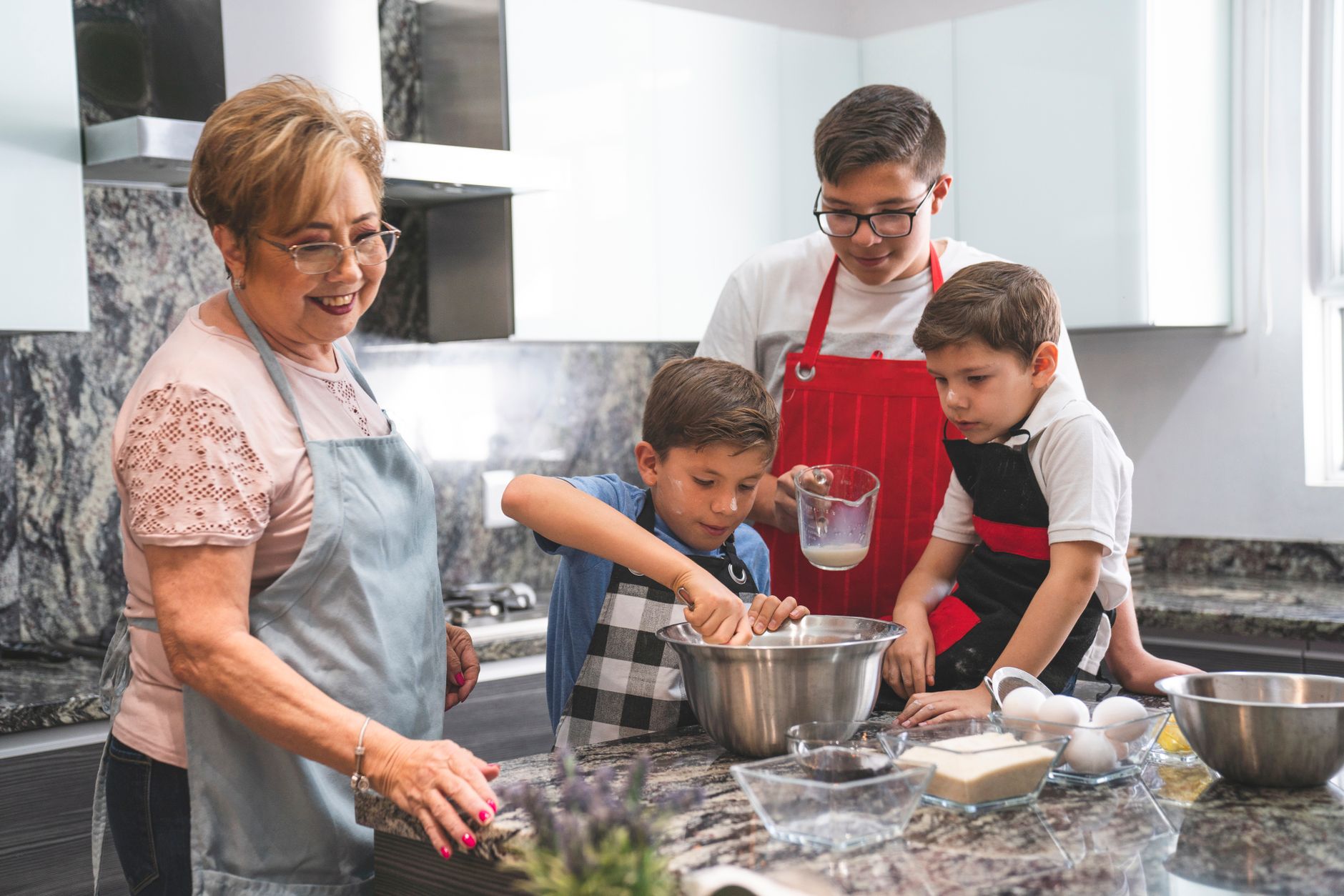
Minutes 15–50: Hands-on. The child does the work—maybe imperfectly—while the host watches, corrects gently ("Try holding it this way"), and asks questions ("Why do you think we soak the wrapper?"). Kids work at their own pace; no racing.
Minutes 50–65: Tasting and sharing. The child eats what they made, or gives it to a parent to try. The host explains what went well and answers questions. Often the child asks to make another one, or asks about family recipes at home.
Minutes 65–180 (if longer session): Cleanup and reflection. Washing up is part of the learning (water temperature, drying, where things go). If time, a bonus skill—using chopsticks, or tasting a secondary dish.
Exit: The host packs leftovers in a container if there are any, sends a WhatsApp photo to the parent, and asks the child, "What will you tell your family about today?"
How do we adapt for rain, dietary needs, and allergies?
Rain: Most cooking classes and craft workshops run indoors regardless, so weather doesn't cancel them. Farm experiences and horse riding may shift to a lighter activity (learning stable care instead of a ride) or reschedule; we confirm the backup plan when you book.
Vegetarian, vegan, nut allergy, shellfish allergy: Tell us on WhatsApp before booking. We source alternatives or substitute ingredients without fuss. A child allergic to peanuts still learns to make spring rolls—we use cashews or omit the nut element entirely. We never improvise on allergies; we confirm sourcing by WhatsApp 48 hours before.
Sensory sensitivities (texture, smell, loud sounds): Let us know. We can offer silent phases, handwashing breaks, or a focus activity (like arranging flowers instead of handling raw fish). No workshop is one-size-fits-all; we adjust.
Pace and attention span: A child who needs frequent breaks gets them. A child who tires easily can do a 60-minute session instead of 3 hours. Longer sessions include snack breaks.
What should a parent do before and after?
Before booking:
- Confirm your child's age, any allergies, and specific interests or fears.
- Pick an activity that matches their energy (active kids → farm or cooking; quiet kids → tea or flower arranging).
- Ask about the location (walk, drive, parking).
- Mention if this is their first time in Vietnam or first time doing a hands-on class.
What to bring:
- Water bottle.
- Closed-toe shoes if outdoors (farm, horse riding).
- A change of shirt if the activity involves water or food (cooking, pottery).
- Sunscreen and a hat for outdoor experiences.
After the session:
- Ask the child what they made, what surprised them, and what they'd do differently next time.
- If there are leftovers, eat them within a few hours.
- Send a photo to the host if they didn't already; most hosts love seeing the child at home sharing what they made.
What to check before you book
- Your child's interest, not yours. If they don't love cooking, forcing them into a cooking class won't work. Ask them what they'd want to try.
- Session length. A 2-hour craft workshop feels long if your child loses focus after 45 minutes. Start shorter and build.
- Location and travel time. If the venue is an hour away and your child gets carsick, either plan a rest stop or choose a workshop closer to your accommodation in Hanoi, Ho Chi Minh City, Hoi An, Da Nang, or Da Lat.
- Host's communication style. Ask how the host typically explains things to kids (visual demos, lots of talking, hands-on trial-and-error). Most hosts are flexible, but it helps to match.
- Cleanup and mess tolerance. Some kids love getting messy; others panic. Pottery and cooking involve water and stains. Flower arranging is nearly mess-free. Know your child.
- Cost for the group. Sessions can be private (just your family) or small-group (2–6 kids). Private is quieter; small-group kids often learn from each other. Ask us for dates and a quote on WhatsApp to compare.
Why Cáo Experiences workshops stand out
We're hosts, not tour operators reading a script. We know the kitchens and studios we use because we work in them regularly. We adapt in real time—if a child is bored, we change the task; if they're delighted, we let them linger. We're not timing you out at the bell. We're not going to oversell the "educational value"—kids learn because they're doing something real and immediate, not because we've packaged it as pedagogy. Most families book one workshop on a trip. Some come back year after year and try a different activity each time. Read more stories from our hosts.
See how a session runs

FAQ
Can a 4-year-old join?
Rarely recommended. We've hosted very few 4-year-olds successfully; most lose focus after 20 minutes or find tools unsafe. Age 5–6 is the practical start, and only if they've done cooking or crafts at home first. Ask us—we can suggest a shorter trial session.
What if my child refuses to participate once we're there?
It happens. The host will not force them. They can watch, help a sibling, or do a quieter task instead. No refund policies are strict, but we'd rather you rebook for a different activity or date if the child is genuinely uncomfortable. Let us know your flexibility when you book.
Do parents have to stay, or can we go sightseeing?
Your choice. Parents usually stay for the first 20–30 minutes to settle the child, then some leave (if the venue is safe and the host agrees) and return for pickup. Most parents stay the whole time—they learn something too, and the child performs better knowing you're there. Ask the host when you arrive.
How far in advance should we book?
Two weeks is ideal; we need time to source ingredients and confirm the host's schedule. We can sometimes fit urgent requests (2–3 days) if a host has a cancellation, but don't count on it during peak season (November–March). WhatsApp us as soon as you know your dates.
What if the child has zero experience and is very nervous?
Perfect—that's most kids on their first day. Tell the host upfront. We'll start with a demo, let the child watch, then help them with the first task using hand-over-hand guidance if needed. By minute 30, most kids relax. Bring a parent who can sit near them.
Can we do a workshop as a family (adults and kids together)?
Yes. Many families book private sessions so everyone does the same activity. A Vietnamese cooking class or coffee workshop works well this way—kids and parents each take a role (kids chop, parent handles heat; kids roll, parent judges). Let us know the ages and mix when you ask for a quote.
Are there workshops outside Hanoi?
Yes. We run sessions in Ho Chi Minh City, Hoi An, Da Nang, and Da Lat. Different activities and hosts are available in each city. Ask us which fits your itinerary.
Ask about dates
Tell us the city, your dates and what you would like to try. We reply on WhatsApp in English with options and availability.
FAQ
Can a 4-year-old join?
Rarely recommended. We've hosted very few 4-year-olds successfully; most lose focus after 20 minutes or find tools unsafe. Age 5–6 is the practical start, and only if they've done cooking or crafts at home first. Ask us—we can suggest a shorter trial session.
What if my child refuses to participate once we're there?
It happens. The host will not force them. They can watch, help a sibling, or do a quieter task instead. No refund policies are strict, but we'd rather you rebook for a different activity or date if the child is genuinely uncomfortable. Let us know your flexibility when you book.
Do parents have to stay, or can we go sightseeing?
Your choice. Parents usually stay for the first 20–30 minutes to settle the child, then some leave (if the venue is safe and the host agrees) and return for pickup. Most parents stay the whole time—they learn something too, and the child performs better knowing you're there. Ask the host when you arrive.
How far in advance should we book?
Two weeks is ideal; we need time to source ingredients and confirm the host's schedule. We can sometimes fit urgent requests (2–3 days) if a host has a cancellation, but don't count on it during peak season (November–March). WhatsApp us as soon as you know your dates.
What if the child has zero experience and is very nervous?
Perfect—that's most kids on their first day. Tell the host upfront. We'll start with a demo, let the child watch, then help them with the first task using hand-over-hand guidance if needed. By minute 30, most kids relax. Bring a parent who can sit near them.
Can we do a workshop as a family (adults and kids together)?
Yes. Many families book private sessions so everyone does the same activity. A [Vietnamese cooking class](/cooking-class) or [coffee workshop](/coffee-workshop) works well this way—kids and parents each take a role (kids chop, parent handles heat; kids roll, parent judges). Let us know the ages and mix when you ask for a quote.
Are there workshops outside Hanoi?
Yes. We run sessions in [Ho Chi Minh City](/destinations/ho-chi-minh-city), [Hoi An](/destinations/hoi-an), [Da Nang](/destinations/da-nang), and [Da Lat](/destinations/da-lat). Different activities and hosts are available in each city. Ask us which fits your itinerary.
More like this
Experiences for families and kids
Family workshop Vietnam vs Thailand: where to take kids in 2026
Vietnam and Thailand both offer immersive family workshops, but the pace, cost structure, and focus differ significantly. We run both types of sessions at Cáo Experiences and can help you choose.
Experiences for families and kids
Family Workshop Vietnam Gift Voucher: What Works Best
A family workshop gift voucher in Vietnam lets relatives experience cooking, craft, horse riding or tea together—no tickets, no queues, real hands-on time. We help you pick the right session type and duration for the ages and interests in your group.
Experiences for families and kids
Family workshops in Vietnam for Indian travelers: what to expect
Indian families visiting Vietnam often wonder how to keep children engaged and learn something authentic together. Cáo Experiences runs small-group and private workshops—cooking, coffee, flower arranging, craft, and farm days—designed for kids, parents, and grandparents, hosted in English with real