
Home › Blog › Farm and countryside days
Fishing Experience Vietnam for Japanese Travelers: Where to Go & What to Expect
By the Cáo Experiences team · 2026-11-06
A Vietnamese fishing experience is a half- or full-day immersion in how local fishers work—you'll learn net casting, trap setting, and boat handling on rivers or delta waterways near Hanoi, Hoi An, Da Nang, or Da Lat. Most sessions run in English with a fisher-guide and include a simple meal cooked from the morning's catch. We at Cáo Experiences host small groups (2–8 people) and families; beginners are welcome, no skill needed. The best timing is early morning to mid-afternoon when water conditions are calm and light is good for photography. Cost depends on group size, location, and duration—ask us for dates and a quote on WhatsApp. Avoid peak heat (noon–2 p.m.) and rainy season flooding; we reschedule freely if conditions turn unsafe. Ask about dates on WhatsApp
Why Do Japanese Travelers Choose Fishing Over Tourist Boat Tours?
Japanese guests often tell us they want to participate, not observe. A standard sightseeing boat passes fishers; you stay dry and distant. On a farm and countryside experience like ours, you stand waist-deep in the water, feel the weight of a net, understand why a fisher wakes at 4 a.m., and share lunch with the people who know every eddy. The pace is slow. There's silence. You leave with aching forearms and a real story, not a photo album of landmarks. Japanese travelers we've hosted value craftsmanship and patience—fishing embodies both.
Which Region Suits Your Skill Level & Interest?
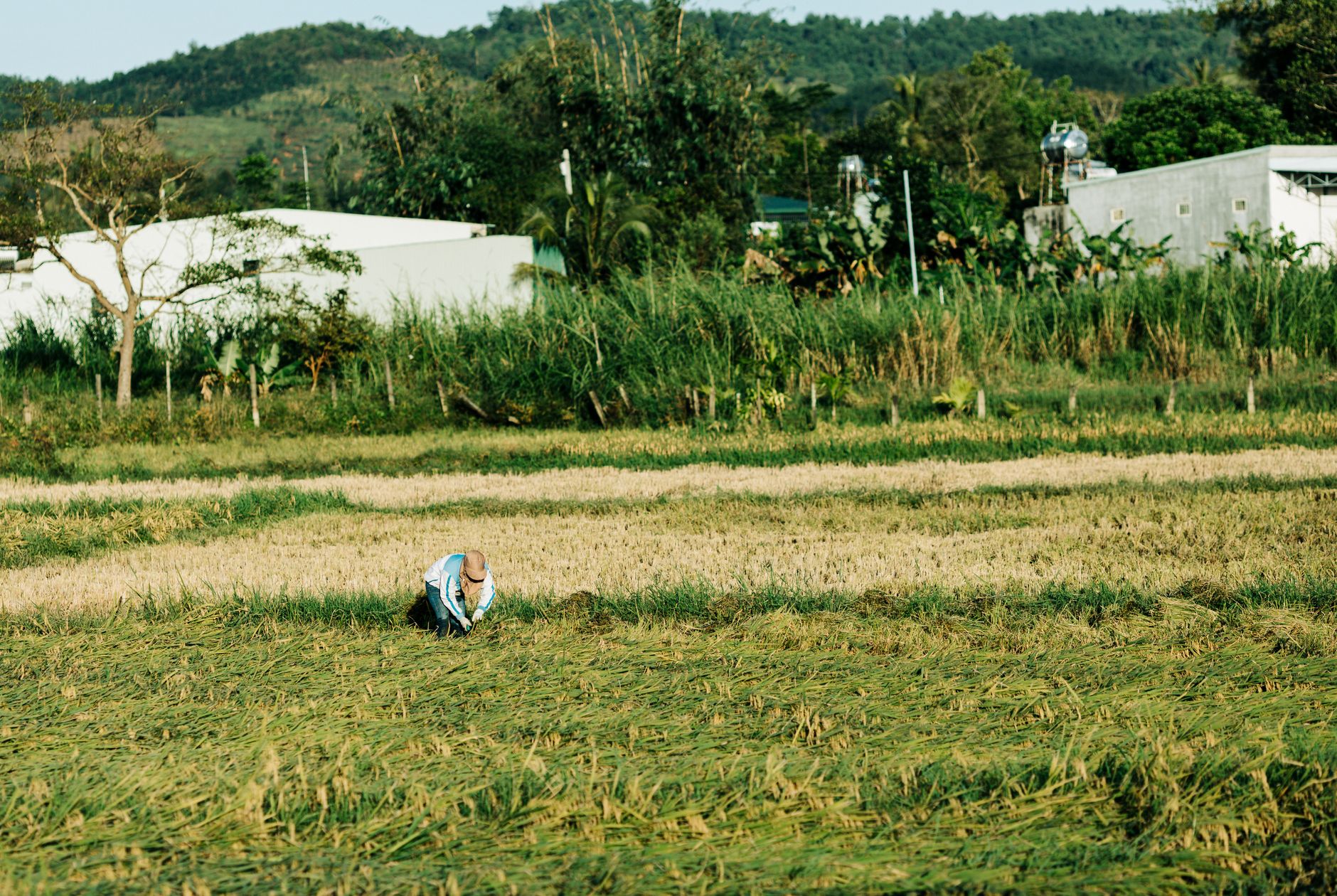
Hanoi & the Red River: early-morning sessions on narrow channels near the old quarter; gentle wading, shorter nets, ideal for first-timers and families with kids aged 8+. Water is cooler October–March.
Hoi An Ancient Town surroundings: afternoon fishing on calm lagoons and estuary channels; photogenic light, mix of nets and coracle boats, good for couples and small groups. Year-round, but February–April is driest.
Da Nang coastal: bigger boats, deeper water, stronger currents; suited to confident swimmers and adults seeking challenge. Best May–September when monsoon subsides.
Mekong Delta (via Saigon day trip): full-day immersion; you visit fish traps, floating gardens, and learn why the Delta feeds Vietnam and Southeast Asia. Physically demanding; best for 12+ and adults. June–October is flood season (spectacular, but muddy and hot).
Pick based on how much you want to work. Hanoi's river is a gentle introduction. The Delta is a full-body education.
What Exactly Do You Learn & Do During a Fishing Session?
We start before dawn with tea and a walk to the boat (or you may wade directly). Your guide—a fisher with 20+ years on the water—shows you how to hold and throw a circular net, how to feel for fish beneath your feet, and why you cast upstream. You'll attempt 8–12 throws; most land well, some tangle. That's real. We untangle and laugh.
Next, you check fish traps (bamboo or wire cages set overnight). Some have small fish, some nothing—again, that's the job. You learn patience is the craft, not luck. If tide and timing align, we'll set a new trap and explain how fishers read water temperature, moon phase, and season to predict catches.
By mid-morning, your guide cleans and prepares the catch in a simple kitchen (often at their family home or a communal shelter). You help gut, scale, and portion. Then you cook—usually a broth, grilled fish, or stir-fry with greens from a nearby garden. You eat sitting on low stools, the fisher's family sometimes joins, and you ask questions over rice and beer or soft drinks.
The afternoon is either rest and reflection or a second round of casting (depending on your energy and the session length). We stop before heat peaks, usually by 2 p.m.
Total time in water: 2–3 hours. Total standing/walking: 4–5 hours. Difficulty: moderate; anyone who can wade and lift 5–10 kg is fine.
How Do We Adapt Sessions for Different Ages, Fitness Levels & Diets?
Kids (6–12): We shorten wading time, use lighter nets, focus on the meal and wildlife spotting. Parents often fish while kids play in shallows or help in the kitchen. A 6-year-old can help throw a net if guided; most love the food prep.
Seniors (60+): We offer boats instead of wading, or very shallow channels where you stand on your own terms. Pace is slower, shade and rest built in, and we prioritize the cooking and conversation over distance. Many say the morning light and quiet is the best part.
Vegetarians & allergies: We ask in advance. Your fisher-guide can adjust—we've cooked vegetable broths, grilled tofu, or you bring a dish. Fish is the traditional meal, but accommodation is always possible.
Swimmers vs. non-swimmers: Non-swimmers can stay in very shallow water (ankle-deep) or help from the boat. We've never forced anyone deeper than they want.
Rainy season: We reschedule for free if water is unsafe (flooding, strong current, visibility near zero). Light rain? We proceed—most sessions happen partly in drizzle, especially November–December. Bring a poncho.
What Should You Pack & Wear to Stay Comfortable?
| Item | Why | Alternative |
|---|---|---|
| Lightweight pants or shorts that dry fast | Mud, sun, water splash | Swim trunks if very shallow |
| Quick-dry shirt or rashguard | Sun protection, drying | Light long-sleeve (UPF fabric) |
| Old shoes or water sandals | Rocks, slippery mud, shells | Go barefoot if guide agrees & water is safe |
| Hat or cap | Sun, 4+ hours outdoors | Lightweight scarf to tie around head |
| Sunscreen (reef-safe) | Intense UV, water reflection | Reapply every 2 hours |
| Small towel | Drying hands, face | Microfibre if space is tight |
| Insect repellent | Mosquitoes, especially dusk | Ask guide where bugs are worst |
| Phone in waterproof case | Photos, safety | Leave it with someone on shore |
Don't wear: new shoes (they'll be ruined), jewelry, contact lenses (if you fall in), or anything precious. Assume it will get wet and dirty.
How Does Weather Shape Your Experience—& What's the Honest Reality?
Cool season (October–March): Water is cold (16–20°C), sunrise is spectacular, bugs fewer. Bring a lightweight jacket. Best time overall; book 4–6 weeks ahead.
Hot season (April–September): Water is warm (26–32°C), sunrise is humid, midday is intense. Sessions typically end by 1 p.m. Heat exhaustion is real; we provide electrolyte drinks and shade. Afternoon sessions are rare because water is too warm for comfort and fish are less active.
Monsoon rains (May–October in some regions): Channels swell, visibility drops, currents strengthen. We may move to shallower, protected areas or reschedule. Flooding is not safe; we cancel if water is dangerous.
Mist & fog (November–January in Red River, Hanoi): Atmospheric, moody, cold. Layers essential. Fishers still work; it's their normal.
The honest truth: fishing is not predictable. Some mornings you catch 20 fish; others, three. Weather changes fast. Your guide will adapt the plan in real time—that flexibility is part of the skill. Japanese guests often appreciate that unpredictability; it mirrors the patience and acceptance in certain cultural practices you may know.
How Does a Fishing Experience Complement Other Cáo Experiences Sessions?
Many Japanese travelers combine fishing with other offerings. After an early-morning fishing session, some book an afternoon Vietnamese coffee workshop in town, or join a street food and market tour to see where the day's catch is sold. Families often add a family-friendly countryside day that includes rice paddies or animal encounters.
A few guests pair fishing with a wellness and slow experience—the quiet water, repetitive casting, and sunrise together create a meditative state that complements yoga or tea ceremonies. Others do group and corporate experiences where teams fish together as a team-building activity; it builds trust and humor.
If you're in Hanoi, experiences in Hanoi can bundle fishing with old-quarter food walks or cyclo rides. Hoi An guests combine fishing with art and culture classes to understand local livelihoods more deeply. Da Lat visitors often add farm and countryside experiences focused on produce growing instead.
Each pairing deepens your understanding of Vietnamese rural and coastal life.
What to Check Before You Book
- Group size & date: Ask us availability for your dates. Small groups (2–4) often get lower rates per person than solo travelers.
- Your fitness level: Tell us honestly if you have knee, shoulder, or back concerns. We adapt easily.
- Dietary needs: Mention allergies, vegetarian, or vegan preferences. We cook from scratch and will accommodate.
- Photography: Bring a waterproof case or leave your phone behind. The experience is better without screens constantly.
- Logistics: We handle WhatsApp coordination for pickup times, weather updates, and last-minute changes. Confirm the night before.
- Expectations about "catch": Fish numbers vary wildly. The point is the learning, the silence, the food, and the conversation—not a trophy pile.

FAQ
Is a fishing experience suitable for non-swimmers?
Yes. You can wade in ankle-deep water, help from a boat, or stay in the shallows. Your guide will keep you safe and comfortable. Tell us in advance.
What's the best time of year for a fishing session in Vietnam?
October–March is coolest and clearest. April–September is hot, but water is warm and some fish are more active. Avoid flood season (late May–early July) in the Mekong. Hanoi's Red River is calmest October–February.
Do I need fishing experience to join?
No. We teach net casting, trap checking, and boat handling from scratch. Most guests land their first net successfully by throw three. Patience matters more than skill.
Can kids and elderly people join?
Yes. Kids 6+ can wade and throw nets with help; we shorten sessions to 2–3 hours. Seniors can fish from boats or shallow channels at a slower pace. We've hosted ages 5–78 safely.
Will we definitely catch fish?
Not always. Some mornings are quiet. That's the reality of fishing—it teaches respect for the fisher's work and patience. We always cook something, even if small, and the meal is the reward regardless of the catch.
What happens if it rains or the weather turns bad?
Light rain we continue; heavy rain or unsafe currents we reschedule free to another date. We'll message you the night before if conditions are poor.
Ask about dates
Tell us the city, your dates and what you would like to try. We reply on WhatsApp in English with options and availability.
FAQ
Is a fishing experience suitable for non-swimmers?
Yes. You can wade in ankle-deep water, help from a boat, or stay in the shallows. Your guide will keep you safe and comfortable. Tell us in advance.
What's the best time of year for a fishing session in Vietnam?
October–March is coolest and clearest. April–September is hot, but water is warm and some fish are more active. Avoid flood season (late May–early July) in the Mekong. Hanoi's Red River is calmest October–February.
Do I need fishing experience to join?
No. We teach net casting, trap checking, and boat handling from scratch. Most guests land their first net successfully by throw three. Patience matters more than skill.
Can kids and elderly people join?
Yes. Kids 6+ can wade and throw nets with help; we shorten sessions to 2–3 hours. Seniors can fish from boats or shallow channels at a slower pace. We've hosted ages 5–78 safely.
Will we definitely catch fish?
Not always. Some mornings are quiet. That's the reality of fishing—it teaches respect for the fisher's work and patience. We always cook something, even if small, and the meal is the reward regardless of the catch.
What happens if it rains or the weather turns bad?
Light rain we continue; heavy rain or unsafe currents we reschedule free to another date. We'll message you the night before if conditions are poor.
More like this
Farm and countryside days
Fishing Experience Vietnam for Foreigners: Hands-On Guide
Fishing in Vietnam isn't a spectator sport—you'll wade into rivers, cast nets, trap fish in baskets, and cook your catch for lunch. We run small-group and private fishing days in the countryside outside Hanoi, Ha Noi region, and the Mekong Delta.
Farm and countryside days
Fishing Experience in Vietnam: 8 Questions to Ask Before You Go
Fishing in Vietnam means wading through rice paddies, learning trap techniques, or casting in rivers with local guides. Here's what to ask before you book.
Farm and countryside days
Fishing Experience Vietnam Gift Voucher: What to Know Before Buying
A fishing experience voucher in Vietnam is a gift for doing, not watching. You wade into rivers or sit on boats, catch fish with local methods, and often cook your catch the same day.