 Cáo Experiences
Home › Blog › Flower arranging workshops
Floristry Class in Da Lat for Foreigners: What to Expect
By the Cáo Experiences team · 2026-11-01
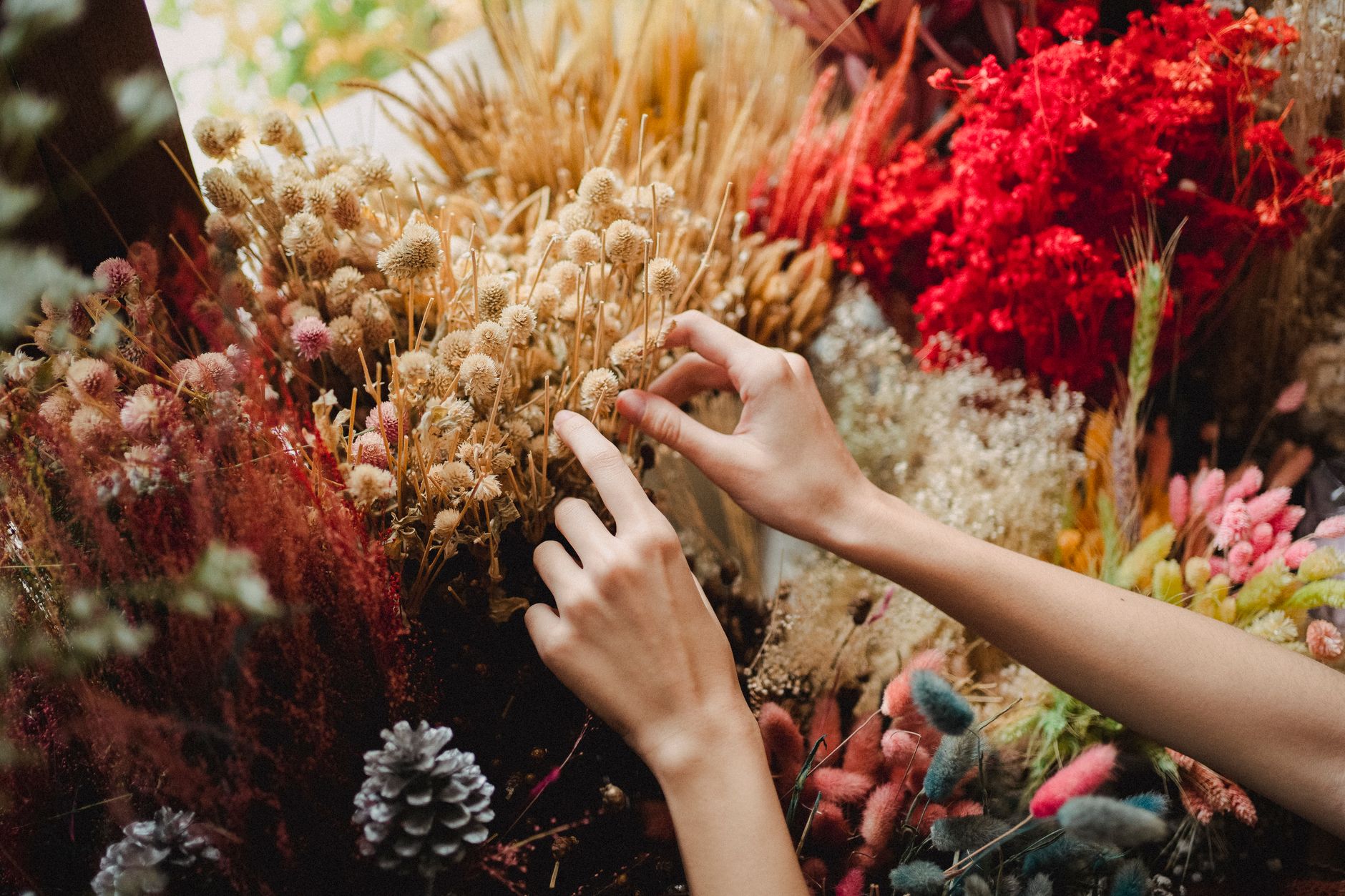
A floristry class with us in Da Lat is a half- or full-day hands-on session where you arrange fresh, seasonal flowers sourced from local highland growers. We host small groups (typically 4–8 people) and private sessions in a family-run studio space in a quiet lane near the town center. You'll learn how Vietnamese florists approach color, height, and balance—then create arrangements to take home or gift. Sessions run year-round; Da Lat's cooler climate means flowers last longer than in Hanoi or Saigon. We coordinate everything via WhatsApp: arrival time, any dietary preferences if we're serving refreshments, mobility needs, or allergies to foliage. Most guests spend 2–3 hours here; beginners worry they'll waste stems or get the structure wrong, but we adapt pacing to your speed and celebrate first attempts honestly. Cáo Experiences handles all the coordination—just message us to ask for dates and a quote. Ask about dates on WhatsApp
Why Da Lat Is Different for Floristry
Da Lat's elevation and cool climate make it Vietnam's primary flower-growing region. We source stems directly from highland farms; flowers here stay crisp for days longer than tropical lowland blooms. The town itself is quieter than Hanoi or Saigon—fewer motorbikes, softer light through pine trees—which means you focus on the work without sensory overload. Foreigners often choose Da Lat when they want a slower pace or are already visiting for hiking, cycling, or a countryside escape. The studio sits in an older neighborhood where local families still live; you're not in a tourist zone. That context matters: you see how Vietnamese florists actually work, not a staged demo. Visit our Da Lat experiences page to explore what else pairs well with this session.

What Skill Levels Can Join?
We've hosted first-time arrangers and people who've done floristry at home—the class adjusts. Absolute beginners start with simple cylinder or boxy vases and learn to build a grid of stems, then add filler and focal blooms. Intermediate guests might try asymmetrical or spiral techniques, or work with specific cultural forms like Vietnamese altar arrangements. We don't assume you know floristry terminology; we use plain language (tall stems, filler, the heavy flower) and show you with our hands first. Children aged 8+ can join (we use child-safe scissors and keep stems appropriate for small hands). Seniors and guests with mobility concerns—we arrange the work at a comfortable height and bring stools or chairs. One frequent worry: "Will I break the flowers?" Short answer: yes, sometimes—and that's normal. Bruised stems or bent petals teach you how to handle them next time. We save "practice" blooms specifically so you can experiment without stress. Explore our flower-arranging pillar for more context on what we offer year-round.
How We Adapt for Seasons and Weather
Da Lat has a wet season (May–September) and a dry season. We have an indoor studio space, so rain doesn't cancel the session—it actually softens the light beautifully for working. The flowers change: spring brings more roses and dahlias; autumn shifts toward chrysanthemums and celosia. We work with what's available and fresh; we don't force out-of-season blooms or imports. If you have a color preference (wedding colors, a specific theme), tell us on WhatsApp—we'll source that week's palette and let you know what's realistic. We also adapt quantity: a shorter session or a group with young kids might create one large piece per person; a longer private group might each make two smaller pieces or one collaborative installation. Allergies to pollen are real—we warn you upfront if a stem is heavy on pollen and offer masks or gloves. We're not precious about "the right way"; we're here to help you enjoy the flowers and leave with something beautiful.
Comparing Floristry to Other Creative Sessions in Da Lat
| Experience | Best for | Duration | Hands-on Time | Why Choose It |
|---|---|---|---|---|
| Floristry class | Creators wanting to bring home an object; gift-givers; people who love color and texture | 2–3 hours | 100% | You leave with fresh arrangements; no special equipment needed at home. |
| Art and culture classes | Painters, sketchers, or those curious about Vietnamese visual traditions | 2–4 hours | 100% | Deeper dive into technique and art history; works on paper you can frame. |
| Tea experience | Mindfulness seekers; people who prefer sensory learning over making | 1.5–2 hours | 50% (you brew and taste) | Reflective pace; no take-home object; focus on tasting and ritual. |
| Craft workshops | Those wanting to learn a traditional skill; makers of functional items | 2–4 hours | 100% | You learn a repeatable skill (weaving, pottery); pieces are more durable. |
Floristry sits at the intersection: it's creative and tactile like craft, but focused on color and design like visual art, and meditative like tea. If you want to leave with something living (not static), floristry is the choice.
Real Details: What Happens Hour by Hour
You arrive 10 minutes early; we show you where to wash your hands and where to sit. The studio has a long work table, buckets of water, and sheaths of fresh stems in a cool corner. We spend the first 15 minutes talking about what's in season, how we sourced today's flowers, and what you want to make. If it's your first time, we show you the three basic structures (dome, triangle, spiral) and let you pick. We hand you scissors (child-safe or full-size) and a vase. You start by placing greenery to build a frame; this takes 10–15 minutes and feels slow—that's intentional. Then focal flowers (the big eye-catching ones), then fillers (smaller, wispy stems). By minute 45, you have something recognizable. We walk around, adjust your angle or stem length with a gentle tug, ask questions, take photos. At minute 90, everyone has a finished piece. We trim the stems, fill the water bucket with flower food, wrap the base in paper, and you carry it home. If it's a longer session, we might do a second piece or explore a different style. We end with tea or coffee in the studio and talk about aftercare (change water every two days, remove lower leaves, recut stems). You leave with damp hands, pruning confidence, and flowers that will last a week in your accommodation.
What to Check Before You Book
Bring: Comfortable clothes; an apron or old shirt (wet hands, occasional plant debris); a small bag or box to carry your arrangement home without squishing it.
Ask us about: Exact dates you're in Da Lat; how many people in your group; any color preference or vase style you want; allergies to pollen or plant sap; mobility concerns (we'll brief you on where to sit); whether you want a private session or are joining a small group.
Know upfront: Flowers are living—stems may vary in length or quantity based on what's fresh that week. We don't do plastic or artificial blooms. The class is in English, hosted by Cáo Experiences team members. We provide all tools and flowers; you take your arrangement home. Sessions run year-round; book at least a few days ahead so we can source the right blooms.
Contact us on WhatsApp to discuss timing, group size, dietary preferences for any refreshments, and to receive a personalized quote. If you're in Da Lat for longer, explore our other countryside and farm experiences or group and team sessions in the region.

FAQ
Can absolute beginners really make something good-looking?
Yes. We start with structure, not artistry—greenery frame, then flowers in a simple pattern. By the end, it looks intentional and lasts a week at home. Confidence builds fast.
What if I'm allergic to pollen?
Tell us on WhatsApp; we avoid high-pollen flowers (like lilies) or give you a mask and gloves. Most flowers are safe; we work with what's safe for you.
Is this class good for kids?
Ages 8+ enjoy it most. Younger kids get fidgety after 90 minutes. We use smaller scissors, shorter stems, and heavier flowers that don't bruise easily. Family sessions can be shorter and more playful.
How long do the flowers last after the class?
5–10 days in a cool room with fresh water and trimmed stems. Da Lat's climate helps them last longer than in Hanoi. We teach you aftercare in the session.
Can I book a private session for just two people?
Yes. Private sessions are longer and more tailored—you work at your own pace, try multiple styles, or make larger pieces. Ask for a quote on WhatsApp.
What's the difference between this and a cooking class in terms of what I learn?
Both are hands-on and sensory. Cooking feeds people; floristry makes something beautiful that lasts days. If you want both, our cooking classes run in Hanoi, Saigon, and Hoi An, so plan ahead if you're visiting multiple cities.
Ask about dates
Tell us the city, your dates and what you would like to try. We reply on WhatsApp in English with options and availability.
FAQ
Can absolute beginners really make something good-looking?
Yes. We start with structure, not artistry—greenery frame, then flowers in a simple pattern. By the end, it looks intentional and lasts a week at home. Confidence builds fast.
What if I'm allergic to pollen?
Tell us on WhatsApp; we avoid high-pollen flowers (like lilies) or give you a mask and gloves. Most flowers are safe; we work with what's safe for you.
Is this class good for kids?
Ages 8+ enjoy it most. Younger kids get fidgety after 90 minutes. We use smaller scissors, shorter stems, and heavier flowers that don't bruise easily. Family sessions can be shorter and more playful.
How long do the flowers last after the class?
5–10 days in a cool room with fresh water and trimmed stems. Da Lat's climate helps them last longer than in Hanoi. We teach you aftercare in the session.
Can I book a private session for just two people?
Yes. Private sessions are longer and more tailored—you work at your own pace, try multiple styles, or make larger pieces. Ask for a quote on WhatsApp.
What's the difference between this and a cooking class in terms of what I learn?
Both are hands-on and sensory. Cooking feeds people; floristry makes something beautiful that lasts days. If you want both, [our cooking classes](/cooking-class) run in Hanoi, Saigon, and Hoi An, so plan ahead if you're visiting multiple cities.
More like this
Flower arranging workshops
Flower Arranging Workshop Ho Chi Minh City: How to Book
A flower arranging workshop in Ho Chi Minh City teaches you to design seasonal arrangements in a calm studio setting. We run small-group and private sessions with English-speaking hosts who walk you through technique, flower choice, and how to make arrangements last.
Flower arranging workshops
Flower arranging workshop in Ninh Binh for couples
A flower arranging workshop in Ninh Binh lets couples create an arrangement together in a calm setting, learning Vietnamese design principles while working with seasonal blooms.
Flower arranging workshops
Flower Arranging Workshop in Mekong Delta for Foreigners
We run intimate flower arranging workshops in family-owned gardens and workshops across the Mekong Delta, where you'll learn seasonal design by practicing alongside our hosts. Pick your own blooms, arrange three pieces, and take them home.