
Hanoi slow travel ideas: experiences beyond guidebooks
By the Cáo Experiences team · 2026-11-06
Slow travel in Hanoi means trading rushed sightseeing for hands-on engagement: you cook regional dishes in a family kitchen, taste coffee at a neighborhood roastery, learn floristry in a studio lane, or spend a morning at a farm outside town. Cáo Experiences runs small-group and private sessions in English, mixing heritage skills with real rhythms—mornings in Old Quarter alleys, afternoons in craft workshops, countryside days during cooler months (October–April). Most sessions run 2–4 hours; half-day and full-day options exist. No prior skill needed; we adapt for kids, seniors, dietary needs, and weather. Ask us for dates and a quote on WhatsApp to book.
What does slow travel actually mean in Hanoi's context?
Slow travel isn't about doing less—it's about doing fewer things, more fully. In Hanoi, it means sitting in a family kitchen learning to roll spring rolls by hand, not photographing them from a tour bus. It's tasting single-origin coffee poured by the roaster, not gulping espresso between museum queues. It's understanding why a flower arrangement follows seasonal rhythm, not buying a bouquet at the airport. Hanoi's pace—traffic, narrow lanes, tea-shop conversations stretching an hour—naturally teaches slowness. You stop rushing when the city won't let you.
Slow travel also means staying longer (a week, not two days) and revisiting neighborhoods. You learn which lane has the best banh mi, which roaster opens at 6 a.m., where locals gather to play cards. Hands-on experiences deepen this knowing. A Vietnamese cooking class isn't tourism; it's an invitation into how a household eats. A farm and countryside experience shows you where morning vegetables come from. A tea experience teaches you to taste instead of swallow.
The key: repetition and permission to be a beginner. Slow travelers spend three hours learning one skill rather than skimming six. They ask questions, make mistakes, laugh, and remember.
Which Hanoi neighborhoods suit slow-traveler rhythms best?
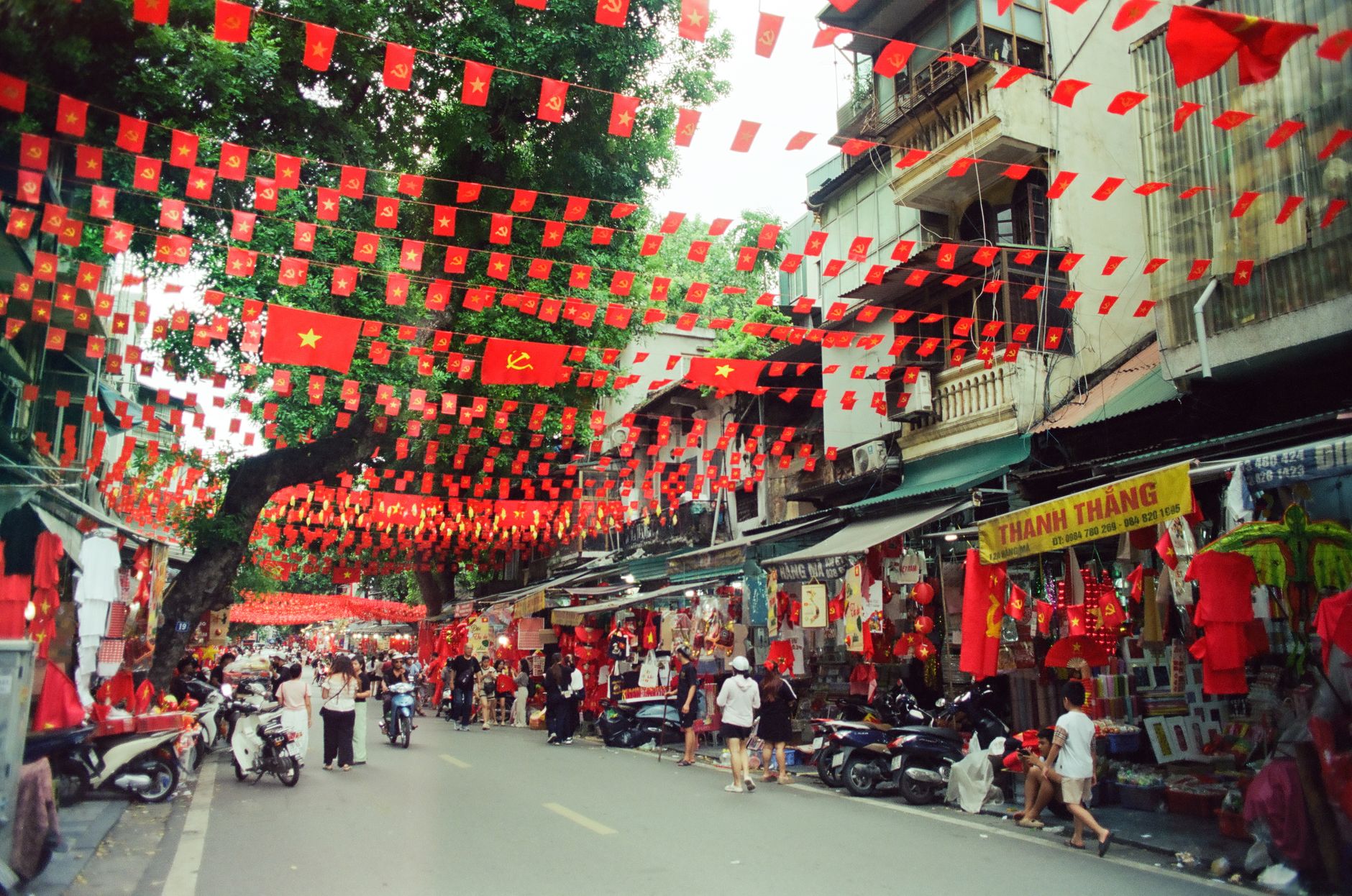
Old Quarter (Hoan Kiem Lake area): Narrow lanes, street-food stalls, markets opening at dawn. Best for cooking classes, street food and market tours, flower arranging, craft workshops. Crowded by 10 a.m., quieter before 7 a.m.
Red River Delta countryside: 30–90 minutes north. Rice paddies, water buffalo, orchards, family farms. Best for farm experiences, early-morning rides, seasonal harvests (spring vegetables, autumn fruits). Afternoon return by 4 p.m. advisable (traffic).
Ba Dinh/Tay Ho (West Lake): Quieter residential lanes, coffee roasteries, art studios, flower markets. Best for Vietnamese coffee workshops, art and culture classes, dawn walks. Fewer tourists, better for repeat visits.
Hoan Kiem Lake edges: Public landmark, always walkable. Morning tai chi, evening strolls, nearby markets. Acts as a meeting point; many experiences loop from or to here.
Haiphong Road / Thang Nhat: Small artisan clusters, tailors, lacquer workshops. Best for craft workshops. Less English-friendly; ideal for experienced slow travelers or those with a host guide.
A slow week: stay three nights in one neighborhood, take one deep experience each day, eat at the same cafe twice, walk the same streets at different times.
How do you actually plan a slow week without over-scheduling?
The mistake: booking every hour. Slow travelers need gaps—time to get lost, sit in a cafe, stumble into a local market, let fatigue and hunger guide decisions.
Real framework for a 5-night Hanoi slow week:
| Day | Morning | Afternoon | Evening | Why it works |
|---|---|---|---|---|
| 1 | Arrive, walk Old Quarter alleys | Rest/cafe | Dinner at a street stall | Settle into pace, no class |
| 2 | Cooking class (9 a.m.–12:30 p.m.) | Shop at market for lunch ingredients | Cook at home or eat out | Learn before hunger peaks |
| 3 | Free walk, Red River path | Farm experience or coffee workshop (2–5 p.m.) | Early dinner, bed | One deep session per day |
| 4 | Flower arranging workshop or art class | Museum / lake walk | Evening tea experience | Change pace, rest legs |
| 5 | Revisit favorite cafe, pack | Depart | — | No new experiences on exit day |
Why this works: no days feel empty or over-full. You cook, taste, make, observe. Afternoons stay flexible (rain, fatigue, a good conversation can shift plans). One class per day leaves time to sit with what you learned.
For families, add family-focused experiences; for groups or teams, consider group and corporate sessions. Each sits into the same rhythm.

What weather and physical concerns should shape your timing?
Hanoi's climate splits the year sharply. October–April (cool, dry) suits all activities: cooking indoors without heat exhaustion, countryside mornings at 6 a.m. without scorching, walking Old Quarter lanes comfortably. May–September brings humidity (28–35°C) and sudden rain. Classes run, but outdoor components shift.
October–April (peak slow-travel season):
- Horse riding, farm visits, long walks — all comfortable.
- Cooking classes still warm kitchens, but briefer and earlier.
- Early mornings (5–7 a.m.) reward early risers; afternoons stay pleasant until 4 p.m.
May–September:
- Cooking and indoor workshops unchanged.
- Horse riding, long countryside days — schedule mornings only (6–9 a.m.), rest afternoons.
- Rain is common; we adapt wellness sessions indoors or postpone horse rides, never cancel.
- Fewer tourists; booking is easier, spaces less crowded.
Fitness and age:
- Cooking, flower arranging, tea, and art classes suit all ages and mobility.
- Horse riding and farm days need basic fitness (15–20 minutes of gentle activity); we adapt for seniors (shorter rides, padded saddles, shorter walking).
- Street food tours involve 2–3 hours of walking and standing; manageable for most, avoidable if joints are sore.
Always mention conditions (allergies, injuries, age, fitness) when booking. We've adapted sessions for people in their 70s and 80s, kids from age 6, and those with mobility concerns.
How does one experience deepen your understanding more than ten rushed tours?
A cooking class teaches you why ingredients go together. You learn that fish sauce is the salt of the sea, that pounding garlic releases fragrance that bottled paste never matches, that your hands know when a dumpling wrapper is thin enough (no scale needed). After two hours, you taste what you made. You remember it.
A Vietnamese coffee workshop reveals that coffee isn't a morning jolt—it's a ritual. You learn to recognize burnt beans (the smell), to understand the difference between a dark roast and a light roast without pretension, and to sit still with a small cup for 30 minutes, tasting as it cools. You'll recognize this in every cafe after.
A flower arranging workshop shows you that seasonal blooms—lotus in summer, chrysanthemums in winter—aren't accidents. You learn balance, line, negative space. You arrange three pieces yourself. You take one home. Months later, you still remember what a hydrangea's water needs are.
A farm experience tells you where morning vegetables come from. You pick them, talk to the farmer, understand soil, season, monsoon timing. Your salad tastes different afterward.
One deep session per day does more than ten hurried sights because you do the thing, not just see it. Hands, senses, time—that's what stays.
What to check before booking:
- Dates & season: October–April is most flexible; May–September has more rain but fewer crowds.
- Group size: Private sessions suit couples and families (ask for a quote). Small groups (2–6) are standard; larger groups go to group and corporate experiences.
- Dietary needs: Tell us about allergies, vegetarian/vegan preferences, or food aversions when you message. Cooking classes adapt immediately.
- Weather: Rain won't cancel indoor classes (cooking, flower arranging, tea, art, coffee). Farm and horse riding reschedule if unsafe.
- Language: All sessions are English-hosted. No Vietnamese needed; we explain as we go.
- Physical comfort: Wear breathable clothes (not too formal; you'll be moving), closed shoes for farm visits, comfortable standing shoes for street food tours. Bring sunscreen if October–April mornings outdoors.
See how a session runs
FAQ
Do I need any cooking or craft experience?
No. Cooking classes, flower arranging, craft workshops, and art classes are for complete beginners. We teach step-by-step; everyone finishes something you can take home or eat. Experienced practitioners also enjoy the Hanoi context and techniques they've never tried.
What's the best time of year for a slow Hanoi trip?
October–April (cool, dry). Early mornings are crisp; afternoons comfortable for walking and outdoor activities. May–September works too (fewer tourists, lower prices), but heat peaks mid-day, so farm experiences and horse riding happen early morning only. Rain is common but doesn't cancel indoor sessions.
Can I do multiple experiences in one day?
Yes, but we don't recommend it. Slow travel means one deep session per day (2–4 hours) plus free time. A cooking class morning + a coffee workshop afternoon is doable; three classes back-to-back defeats the point. You'll be tired and miss the texture of each.
Are there experiences suitable for kids and families?
Yes. Family-focused sessions exist for cooking, flower arranging, farm visits, and tea. Kids as young as 6 can join; we adapt instructions, portions, and pace. Families often book private sessions to move at their own rhythm.
What if I'm allergic to ingredients or have dietary restrictions?
Tell us immediately when booking (WhatsApp, so it's recorded). Cooking classes adapt every ingredient; vegetarian, vegan, nut-free, gluten-free, and shellfish-free sessions run routinely. Tea and coffee workshops also accommodate allergies. No surcharge.
How do I book, and what does availability look like?
Message us on WhatsApp with your preferred dates, group size, and experience type. We confirm availability and send a quote. We run classes most days year-round; popular times (October–November, March–April) book 2–4 weeks ahead. Off-season (June–August) has last-minute openings. --- Ask about dates on WhatsApp
Ask about dates
Tell us the city, your dates and what you would like to try. We reply on WhatsApp in English with options and availability.
FAQ
Do I need any cooking or craft experience?
No. [Cooking classes](/cooking-class), [flower arranging](/flower-arranging), [craft workshops](/craft-workshops), and [art classes](/art-classes) are for complete beginners. We teach step-by-step; everyone finishes something you can take home or eat. Experienced practitioners also enjoy the Hanoi context and techniques they've never tried.
What's the best time of year for a slow Hanoi trip?
October–April (cool, dry). Early mornings are crisp; afternoons comfortable for walking and outdoor activities. May–September works too (fewer tourists, lower prices), but heat peaks mid-day, so [farm experiences](/farm-experience) and [horse riding](/horse-riding) happen early morning only. Rain is common but doesn't cancel indoor sessions.
Can I do multiple experiences in one day?
Yes, but we don't recommend it. Slow travel means one deep session per day (2–4 hours) plus free time. A [cooking class](/cooking-class) morning + a [coffee workshop](/coffee-workshop) afternoon is doable; three classes back-to-back defeats the point. You'll be tired and miss the texture of each.
Are there experiences suitable for kids and families?
Yes. [Family-focused sessions](/family-experiences) exist for cooking, flower arranging, farm visits, and [tea](/tea-experience). Kids as young as 6 can join; we adapt instructions, portions, and pace. Families often book private sessions to move at their own rhythm.
What if I'm allergic to ingredients or have dietary restrictions?
Tell us immediately when booking (WhatsApp, so it's recorded). [Cooking classes](/cooking-class) adapt every ingredient; vegetarian, vegan, nut-free, gluten-free, and shellfish-free sessions run routinely. [Tea](/tea-experience) and [coffee workshops](/coffee-workshop) also accommodate allergies. No surcharge.
How do I book, and what does availability look like?
Message us on WhatsApp with your preferred dates, group size, and experience type. We confirm availability and send a quote. We run classes most days year-round; popular times (October–November, March–April) book 2–4 weeks ahead. Off-season (June–August) has last-minute openings. --- [💬 Ask about dates on WhatsApp](https://wa.me/84338762340)
More like this
Da Lat
Da Lat local experiences with locals: what to expect
Da Lat's misty mountains and year-round spring weather draw travelers seeking escape from the lowlands. Real local experiences—not tours—happen in family kitchens, forest gardens, and craft workshops where you work alongside people who live here.
Da Lat
Da Lat experiences with hotel pickup: day trips and classes
Da Lat's cool mountain air, flower farms, and craft culture draw visitors year-round. We arrange hands-on experiences with hotel pickup so you skip transport logistics and focus on learning.
Da Lat
Da Lat workshops and classes: hands-on learning in the highlands
Da Lat's cool mountain air and creative community make it ideal for intimate workshops. We run hands-on classes in cooking, coffee, crafts and more—learn a real skill, not a tourist tick.