
Hanoi: What to Do in 2 Days—Real Itinerary & Experiences
By the Cáo Experiences team · 2026-11-06
Hanoi in 2 days is tight but doable: Day 1, explore the Old Quarter's maze of motorbikes and shophouse lanes, walk around Hoan Kiem Lake at dawn, eat street breakfast at the market, visit a temple or colonial-era museum. Day 2, cycle or walk to suburbs for a water-puppet show, visit a craft workshop street, eat a sit-down lunch in a family kitchen. Book a hands-on cooking class or street food and market tour with Cáo Experiences to turn eating and moving into real learning—you'll learn why vendors choose specific spices, how to navigate the market by language and custom, and leave with a skill or story. Two days is enough to feel the city's rhythm; add an early morning coffee workshop to understand how Hanoi's café culture shapes the day. Ask us for dates and a quote on WhatsApp. Ask about dates on WhatsApp
What does Day 1 in Hanoi really look like?
Wake at 5:30 a.m. and walk to Hoan Kiem Lake; the light is soft, tai chi groups move on the bank, cyclos roll past. Breakfast at a food stall on the lakeshore—a bowl of phở, a sticky rice snack, strong coffee. By 8 a.m., the Old Quarter is already crowded; enter the maze of lanes where each street sells one thing: silk, shoes, flowers, silver, motorcycle parts. Motorbikes stream in both directions; walk slowly, stay alert. Spend two hours wandering without a plan—duck into a temple courtyard (Ngoc Son Temple is central and calm), watch artisans at work. Lunch around noon at a stall or a family kitchen in a lane off the old quarter—order what locals order, not what tourists order. Afternoon: visit a museum (colonial history, art, or local crafts) or climb to a hilltop pagoda outside the center for views. Dinner: sit-down restaurant or street-side stool eating grilled meat, fresh herbs, rice paper. By 9 p.m., you're tired and the streets are quieter. One evening walk around the lake settles the first day.
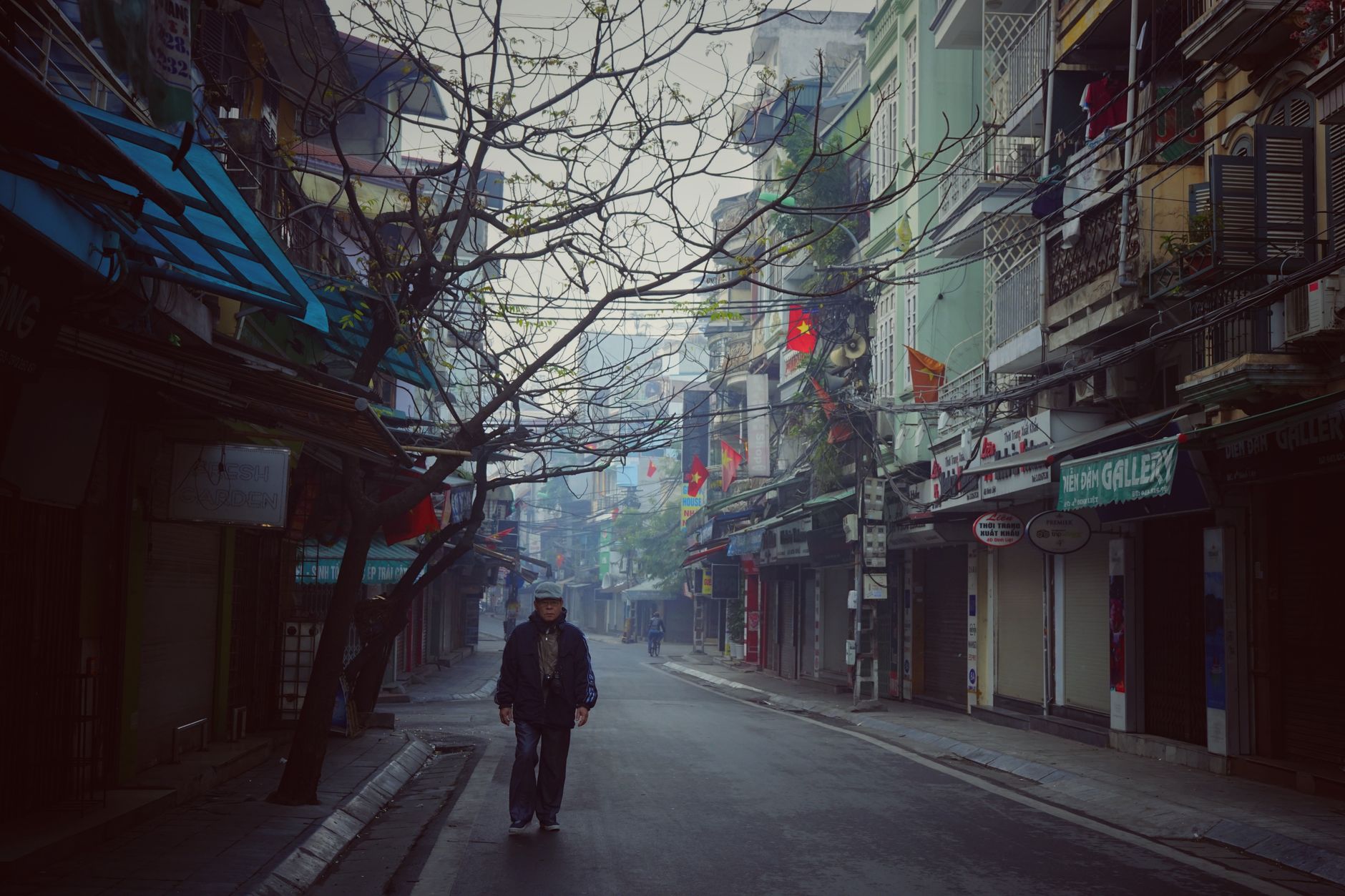
Day 2: suburbs, crafts, and water puppetry—how do you pace it?
Start with a coffee workshop at a family café in the old quarter (7 a.m.–9 a.m.); you'll learn to pick beans, roast, grind, and brew the Hanoi way. After coffee, take a hired car or bus to the outskirts: visit a craft workshop street where artisans make silk, lacquer, or ceramics—spend 30 minutes watching, asking questions, buying a small piece. Return to central Hanoi by early afternoon. Late afternoon: water-puppet show at a public theater (shows run 3 p.m., 5 p.m., and 8 p.m.); arrive 20 minutes early to understand the stage. Dinner: a final street meal or a sit-down restaurant. If you stay a third day, add a horse riding experience in a pine-forest stable outside town (1.5-hour drive), or a farm and countryside experience with a cooking class in a village kitchen. Two days leaves you wanting more; that's the right feeling.
Why should a 2-day visitor book a hands-on class instead of just walking and eating?
A class turns observation into skill and conversation into connection. On a self-guided walking tour, you see food being made; in a cooking class, you handle the ingredients, learn why that vendor sells those spices at that hour, and eat what you cook in a family kitchen—surrounded by the family's stories. A street food and market tour with a host teaches you market language, how to haggle, which stalls have been there 30 years, why morning tastes different from noon. You eat four or five street dishes while walking, not just one. The hour feels less like tourism and more like being let into a routine. A 3-hour class costs less than a guided walking tour and gives you a skill—mincing herbs, mixing a sauce, sourcing coffee—that you'll use at home. If you're traveling with kids, a family experience like flower arranging or a short craft workshop keeps energy high and hands busy. The class is usually the most memorable part of a 2-day trip.
| Activity | Day | Duration | Best for | Real value |
|---|---|---|---|---|
| Lake walk + breakfast stall | Day 1 | 2 hours | Solo, couples, early risers | See locals move; morning light; calm before crowds |
| Old Quarter lane walk | Day 1 | 2–3 hours | Groups, photographers, slow explorers | Get lost; find quiet temples; watch artisans |
| Museum or pagoda | Day 1 | 1.5–2 hours | Culture readers, families | Air conditioning; context; views or silence |
| Coffee workshop | Day 2 | 2 hours | Coffee drinkers, early risers | Learn Hanoi's café culture; taste difference |
| Craft workshop street visit | Day 2 | 1–1.5 hours | Makers, craft lovers, gift hunters | Watch artisans; buy a piece with a story |
| Water-puppet show | Day 2 | 1 hour | All ages, families, first-timers | Unique art form; magical evening; no language needed |
| Cooking class or street food tour | Day 1 or 2 | 3–4 hours | Foodies, learners, groups | Hands-on; lasting skill; meet hosts and locals |
What should you actually pack for 2 days in Hanoi?
Comfortable walking shoes (you'll walk 15,000–20,000 steps). Lightweight, long sleeves for sun and motorbike wind. A light scarf (temples require shoulders covered, useful for sun). Cash: many street food vendors don't take cards—carry small notes. A reusable water bottle (heat is intense; tap water is safe in hotels but buy bottled for the street). Sunscreen and a hat. A small backpack or crossbody bag (safer than a shoulder bag on crowded lanes). An umbrella or rain jacket (monsoon rains are sudden, not all-day). Phone charger and a portable power bank. Modest clothes for temples—knees and shoulders covered. Motion-sickness tablets if prone (traffic is chaotic; cyclo rides are bumpy). A notebook to write addresses and place names phonetically so taxis understand. Bring less luggage than you think; most hotels store bags for a day trip.

How do you stay safe and avoid tourist traps in 2 days?
Stick to main lanes and well-lit areas after dark. Don't flash expensive cameras or jewelry; keep valuables in a hotel safe. Use registered taxis or ride-sharing apps (Grab) instead of flagging taxis on the street. Don't eat from visibly dirty stalls, but busy stalls with fast turnover are safe—locals eat there. Agree on taxi or cyclo prices before getting in. Skip restaurants with laminated menus and photos of tourists outside; eat where locals eat—small, no frills, one dish. Drink bottled or hotel water, not tap water from street stalls. Learn a few polite phrases: "Cảm ơn" (thank you), "Không, cảm ơn" (no, thanks), "Bao nhiêu tiền?" (how much?). A hands-on cooking class or street food tour includes a local host who knows safe, good stalls—worth the time and cost. Two days is short; don't waste energy on uncertainty.
What's the honest downside—and how to plan around it?
Two days is rushed. You'll feel like you've seen the surface, not the city. Hanoi's rhythm is slow; sitting with a café owner or a market vendor for an hour teaches more than hurrying past ten stalls. Heat and humidity are intense—even locals slow down 11 a.m.–3 p.m. Traffic noise is constant; earplugs help sleep. Many signs are in Vietnamese only; download Google Translate offline. Old buildings have uneven floors and steep stairs—not wheelchair-accessible. If you're sensitive to noise, crowds, or heat, choose early mornings and shaded indoor activities (museums, workshops). Rain in summer is heavy and sudden; a class or museum break is practical, not a disappointment. If you dislike street food, a cooking class or private kitchen tour works better than self-guided eating—you control pace and ingredients. If you're traveling with very young children or seniors, prioritize short, climate-controlled activities: a flower arranging workshop, a tea experience, or a craft workshop in an air-conditioned space. A 3-hour hands-on class often suits mixed groups better than a 6-hour city tour.
When should you visit Hanoi, and how does season change the plan?
October–November: cool, dry, clear. Best 2-day window. You can walk all day. Book accommodations early; November is crowded.
December–February: cold (10–15°C). Drizzle and fog. Sweaters needed. Fewer tourists. Morning walks are magical but slow. Indoor activities (cooking, coffee, flower arranging) are cozier.
March–May: warm, humid, flower blooms. Rain increases late April–May. Heat builds; start early, rest midday.
June–September: hot (35°C+), monsoon rains. Street food peaks; locals eat heartily. Humidity is extreme. 2-day trips are exhausting in heat; choose early starts and indoor experiences. Water-puppet and indoor museum time is welcome.
Plan your 2 days around season: summer = short outdoor walks + cooking class; winter = long lake walks + evening street food; spring/autumn = both possible. Ask us for dates and a quote on WhatsApp—we'll suggest the best session for your travel dates.
See how a session runs
What to check before you book
Logistics: How will you move between Old Quarter and Day 2 sites? Grab bike is fast but stressful if you've never ridden; hired car with driver is relaxing and safe. Walk if the distance is under 2 km.
Class timing: A morning cooking class leaves your afternoon free for a temple or museum; an afternoon class cuts into water-puppet timing. Start with the class, plan the rest around it.
Weather: Check the forecast. Pack rain gear (monsoon) or sun protection (April–May). A class is indoors; walking tours are not.
Group size: Solo travelers learn differently in a class (more 1-on-1 questions) than groups of four (more peer energy, less host time). We host both; tell us when you ask.
Diet and allergies: A cooking class is flexible—vegetarian, nut-free, dairy-free, all welcome. We adapt recipes and menus. Tell us when you book. Street food tours are less adaptable; bring backup snacks if strict.
Language: English-language experiences require 48 hours' notice; we have hosts who speak English and can adjust pace for non-native speakers.
Energy level: Older adults and people with limited mobility suit shorter activities: a flower arranging workshop (2 hours, seated), a tea experience (1.5 hours, air-conditioned), or a museum visit. A full-day market tour is tiring; half-day alternatives exist.

FAQ
Can I see the main sights of Hanoi in 2 days?
Yes, the core sights (Old Quarter, Hoan Kiem Lake, Ngoc Son Temple, Ho Tay lake, water-puppet theatre, and craft streets) are doable in 2 days if you walk quickly and skip long museum time. You won't feel rushed if you skip one neighborhood and add a hands-on class instead of another temple.
Is a cooking class or street food tour worth the time on a 2-day trip?
Absolutely. A 3-hour class replaces what you'd do anyway (eat, walk, explore) but turns it into a skill and story. You'll remember a cooking class more than a third temple visit. Many of our guests say it was their favorite part.
What's the best meal timing to eat street food without wasting daylight?
Breakfast 6–7 a.m. (phở stall, very quick). Lunch 11:30 a.m.–1 p.m. (sit-down, 30–45 min). Dinner 5–7 p.m. or 8 p.m. (street stool or restaurant). You'll eat well and have daylight for Old Quarter or craft streets.
Should I hire a guide or go self-guided for 2 days?
Self-guided works if you're comfortable with maps, reading, and minor stress. A hands-on experience (cooking, coffee, market tour) works better: a host teaches you context while you do, not while you listen. You learn twice as much.
Is it safe to use motorbike taxis and street food stalls as a foreigner?
Motorbike taxis (xe ôm) are safe if you use Grab app, not flagged taxis. Street food is safe if it's busy (fast turnover, cheap). Avoid stalls with dirty utensils or flies. A street food tour includes a local host who knows which vendors are safe and good.
Can I do 2 days in Hanoi with kids or seniors?
Yes. Pick shorter activities: morning lake walk, family-friendly museum, a seated craft workshop or flower arranging class, water-puppet show, easy stall food. Avoid 6-hour tours and midday heat. A half-day cooking class or family experience with kids is more fun than rushing sights.
Ask about dates
Tell us the city, your dates and what you would like to try. We reply on WhatsApp in English with options and availability.
FAQ
Can I see the main sights of Hanoi in 2 days?
Yes, the core sights (Old Quarter, Hoan Kiem Lake, Ngoc Son Temple, Ho Tay lake, water-puppet theatre, and craft streets) are doable in 2 days if you walk quickly and skip long museum time. You won't feel rushed if you skip one neighborhood and add a hands-on class instead of another temple.
Is a cooking class or street food tour worth the time on a 2-day trip?
Absolutely. A 3-hour class replaces what you'd do anyway (eat, walk, explore) but turns it into a skill and story. You'll remember a cooking class more than a third temple visit. Many of our guests say it was their favorite part.
What's the best meal timing to eat street food without wasting daylight?
Breakfast 6–7 a.m. (phở stall, very quick). Lunch 11:30 a.m.–1 p.m. (sit-down, 30–45 min). Dinner 5–7 p.m. or 8 p.m. (street stool or restaurant). You'll eat well and have daylight for Old Quarter or craft streets.
Should I hire a guide or go self-guided for 2 days?
Self-guided works if you're comfortable with maps, reading, and minor stress. A hands-on experience (cooking, coffee, market tour) works better: a host teaches you context while you do, not while you listen. You learn twice as much.
Is it safe to use motorbike taxis and street food stalls as a foreigner?
Motorbike taxis (xe ôm) are safe if you use Grab app, not flagged taxis. Street food is safe if it's busy (fast turnover, cheap). Avoid stalls with dirty utensils or flies. A street food tour includes a local host who knows which vendors are safe and good.
Can I do 2 days in Hanoi with kids or seniors?
Yes. Pick shorter activities: morning lake walk, family-friendly museum, a seated craft workshop or flower arranging class, water-puppet show, easy stall food. Avoid 6-hour tours and midday heat. A half-day [cooking class](/cooking-class) or [family experience](/family-experiences) with kids is more fun than rushing sights.
More like this
Da Lat
Da Lat local experiences with locals: what to expect
Da Lat's misty mountains and year-round spring weather draw travelers seeking escape from the lowlands. Real local experiences—not tours—happen in family kitchens, forest gardens, and craft workshops where you work alongside people who live here.
Da Lat
Da Lat experiences with hotel pickup: day trips and classes
Da Lat's cool mountain air, flower farms, and craft culture draw visitors year-round. We arrange hands-on experiences with hotel pickup so you skip transport logistics and focus on learning.
Da Lat
Da Lat workshops and classes: hands-on learning in the highlands
Da Lat's cool mountain air and creative community make it ideal for intimate workshops. We run hands-on classes in cooking, coffee, crafts and more—learn a real skill, not a tourist tick.