
Hanoi what to do in 3 days: hands-on experiences beyond the guidebooks
By the Cáo Experiences team · 2026-11-06
Three days in Hanoi works best when you split time between the city's iconic public sites and intimate, hands-on learning. Day one: explore Hanoi's landmarks—Hoan Kiem Lake walks, ancient temples, the Old Quarter's lantern-lit lanes. Day two: join a Vietnamese cooking class in a family kitchen, or taste coffee at a workshop where you learn roasting and brewing. Day three: escape to the countryside for horse riding through pine forests or a farm experience with local growers. Costs vary widely depending on group size and session type; ask us for dates and a quote on WhatsApp. Most visitors spend 40–60% of time on public sightseeing, 40–60% on paid classes or tours—the blend that sticks with you longest.
What makes three days in Hanoi different from a typical city break?
Most travelers rush Hanoi as a checkbox—Hoan Kiem Lake photo, one temple, a night market meal. Three days lets you do that and sit in someone's kitchen while they teach you to make pho, or watch a roaster explain why water temperature matters more than bean origin. The city isn't built for speed; it rewards patience. Hanoi's best moments happen when you stop performing tourism and start learning a skill alongside people who've done it for years. That shift—from sightseeing to doing—is what three days makes possible.
How should you structure each day to avoid tourist burnout?
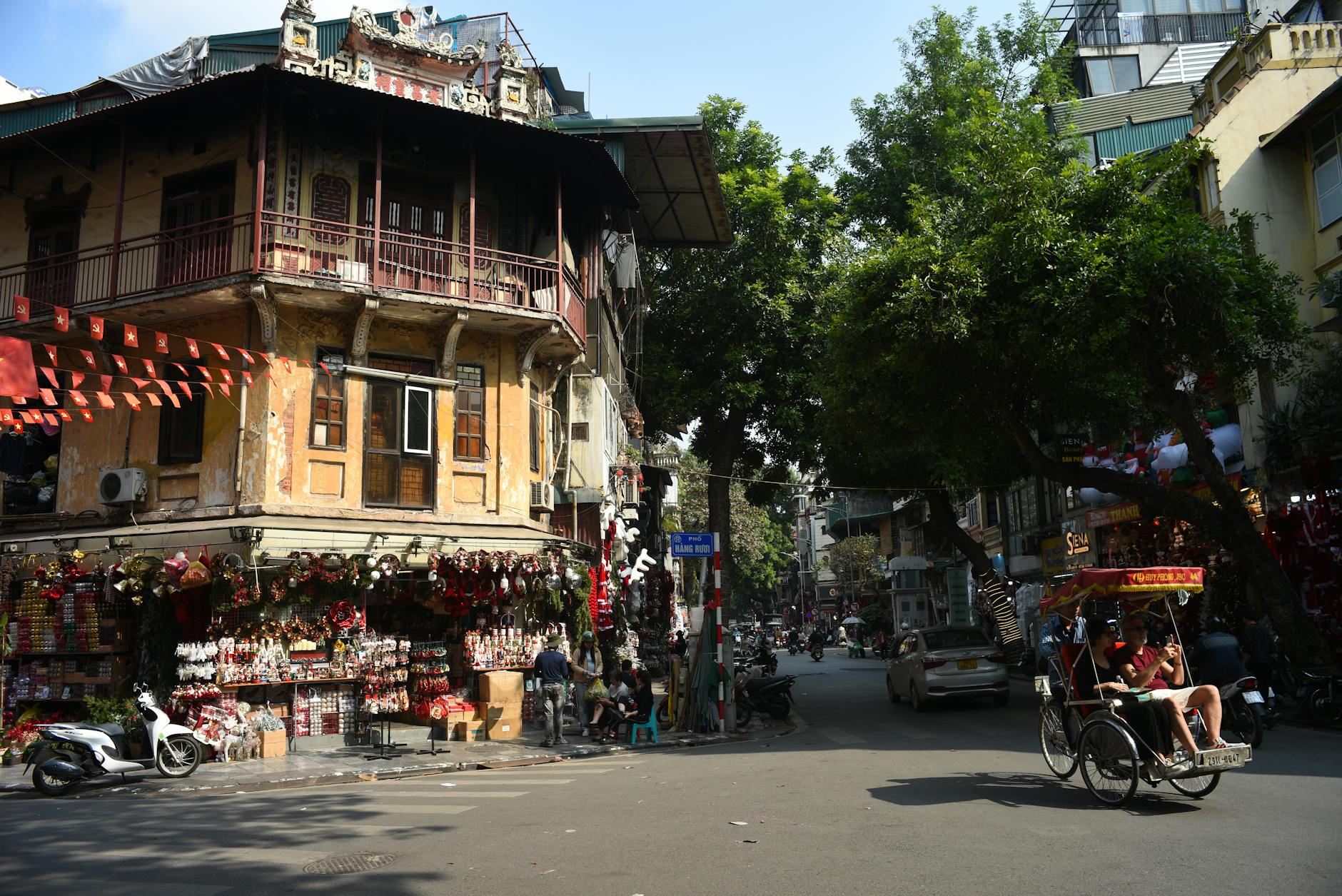
Day one is the public landmark day: Hoan Kiem Lake at sunrise (fewer crowds before 7 a.m.), breakfast at a small pho stall where locals eat, morning at the Temple of Literature or Tran Quoc Pagoda. Lunch, then wander the Old Quarter on foot—no tour group noise, just you discovering a lacquerware lane or a flower vendor's corner. Evening stroll, light dinner. Day two: book a Vietnamese cooking class that runs 3–4 hours, starting with a market walk. You'll learn to shop like a cook, taste ingredients, then prep and eat lunch together. The afternoon is free for a nap (you've earned it) or a Vietnamese coffee workshop to learn how single-origin beans and brewing method shape flavor. Day three: either join a horse riding session in the hills outside town (book this in advance; it fills quickly), or spend a full day on a farm and countryside experience—picking vegetables, talking with growers, eating what you've helped harvest. Each day has a rhythm: public + sensory, skill-building + rest, movement + countryside air.
What should you actually do if weather turns rainy?
Hanoi's three-day weather gamble: rain is possible October–March, rare but possible April–September. If it rains hard, cooking classes and coffee workshops run indoors and often improve—intimate group feeling, nobody rushing. Tea experiences are designed for quiet, rainy afternoons; a covered pavilion, proper steeping, conversation. Art and culture classes shift indoors seamlessly. Horse riding and farm visits do postpone if heavy rain makes trails unsafe; we'll reschedule same week or offer an alternative session (city-based craft workshops, for example). Markets and lake walks are still possible in light rain—bring a compact umbrella, wear shoes with grip. Real Hanoi happens in all weather; tourists pretend rain is a disaster.
See how a session runs
Which experience works best for your group—kids, couples, or solo travelers?
| Experience Type | Who it suits | Best timing | Why it works |
|---|---|---|---|
| Cooking class | Families, groups, couples | Morning or afternoon | Kids aged 6+ chop vegetables; no hierarchy; everyone eats lunch together. |
| Coffee workshop | Solo, couples, small groups | Early morning | Quiet, intimate; you learn at your own pace; easy to chat with the host. |
| Horse riding | Couples, experienced riders, families (10+) | Early morning, late afternoon | Fresh air, animals teach you patience; no skill needed for beginner-safe terrain. |
| Farm experience | Families, groups, wellness-seekers | Full day | Kids see where food comes from; seniors appreciate slow pace and sitting time; anyone can participate. |
| Flower arranging | Couples, groups, solo artists | Afternoon | Meditative, no experience needed, take your work home; great for a solo traveler seeking calm. |
| Craft workshops | Kids, families, creative adults | Afternoon | Hands-on, screen-free; you make a keepsake to take home or gift. |
The common thread: small group (usually 4–8 people, sometimes private) and English-speaking hosts who adapt pacing and difficulty.
What are the non-negotiable items to pack and prepare before you arrive?
Before you book: Check your dates against Hanoi's experience calendar—some sessions fill weeks ahead, especially cooking classes and horse riding in cooler months. Confirm dietary needs (allergies, vegetarian, halal) when you book; kitchens adapt easily if you tell us in advance. What to bring: Comfortable walking shoes (three days = 15,000–25,000 steps); a light rain jacket or compact umbrella (one per person); a small notebook (to jot ingredient notes from the market walk or coffee session). Wear clothes that let you move—cooking classes involve standing and stirring; horse riding needs long pants and closed shoes. Bring a charged phone for photos and WhatsApp updates with your host. Sunscreen (even on cloudy days). A reusable water bottle (refill at your accommodation or any café). What not to: Avoid booking two major hands-on experiences (e.g., cooking + horse riding) on the same day—you'll be sore and hungry. Don't expect to see every temple in Hanoi in one trip; choose two or three and go deep. Don't wear perfume to a cooking class; it competes with aromas and offends nothing, but it's unnecessary. Don't show up hungry for a coffee workshop—coffee on an empty stomach makes some people dizzy.
How do Hanoi's neighborhoods shape what you do each day?
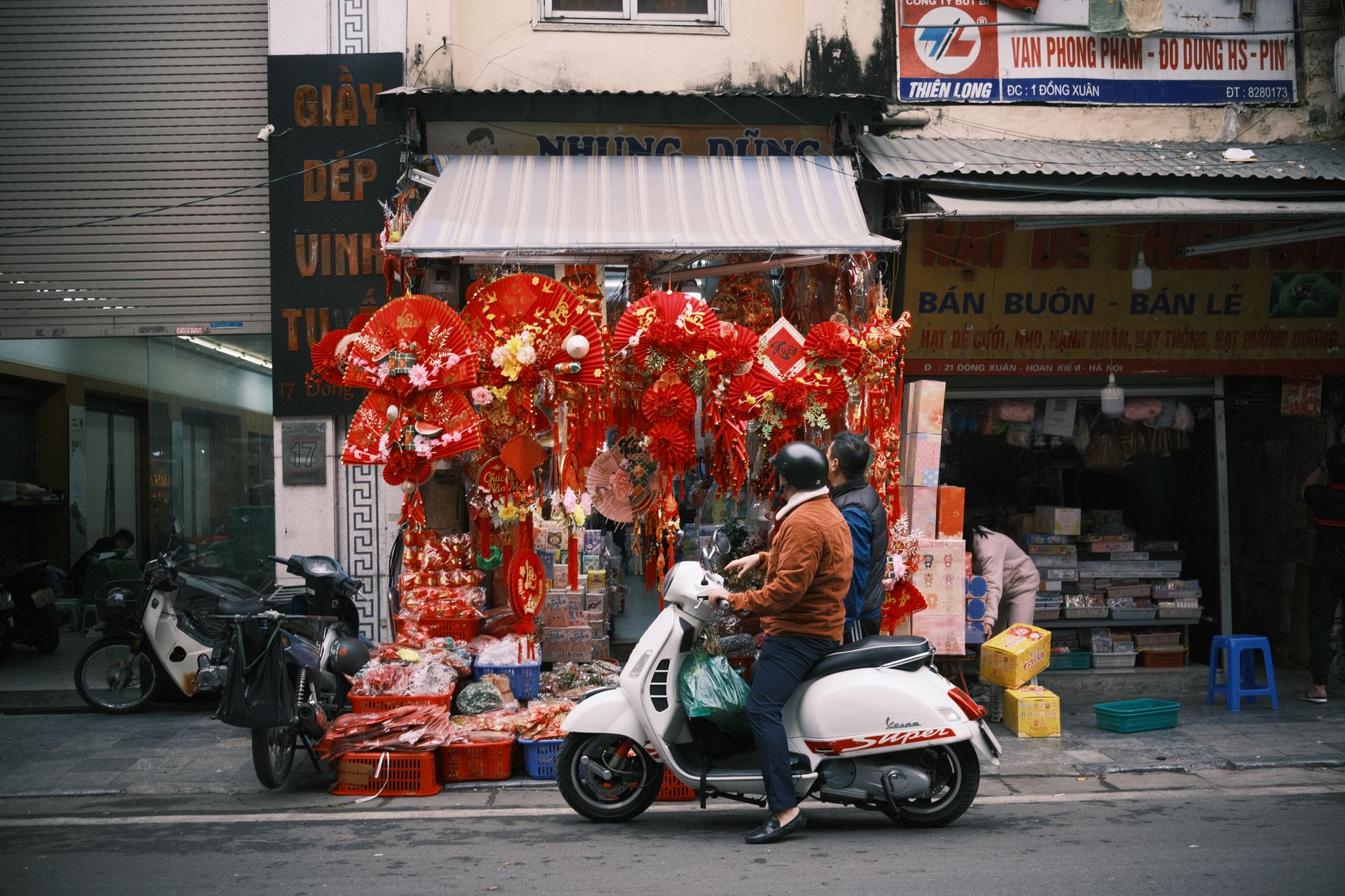
The Old Quarter (around Hoan Kiem Lake) is where most visitors stay—chaotic, loud, dense with restaurants and shops. A street food and market tour here teaches you to navigate the noise and eat where locals queue. Just south, the French Quarter feels calmer; temples like Tran Quoc Pagoda sit in quiet, green spaces. West of the city, countryside starts within 30–40 minutes by car or motorbike—that's where farm experiences and horse riding happen. For a three-day itinerary, spend nights in or near the Old Quarter (central, walkable) but dedicate one full day to leaving it—a farm or countryside session teaches you that Hanoi isn't just the tourist hub. Markets (Quang Ba flower market, Ben Thanh for produce) operate early; visiting before 8 a.m. is a real experience. By 9 a.m., it's thick with tour groups. If you join a cooking class, the host usually picks you up from your hotel; you walk the market with a local eye, not a tourist one. That difference—knowing why someone picks one fish stall over another—is what three days builds.
What to check before you book your Hanoi experiences
- Is the experience hands-on or observational? You should be doing the work, not watching. Cooking: you chop and stir. Horse riding: you sit in the saddle, not in a carriage. Coffee workshop: you roast and brew.
- What's included in the quoted time? A three-hour cooking class usually includes market walk (30 min), prep and cooking (90 min), eating and cleanup (60 min). Don't assume it's all kitchen time.
- How many other people? Small groups (4–6) mean more personal attention and easier conversation. Larger groups (8+) are cheaper but noisier.
- Is transport included? Most sessions include pickup from central hotels or a meeting point; confirm this when you ask about dates.
- Weather backup plan? Cooking, coffee, tea, and crafts run rain or shine. Outdoor activities (horse riding, farm work, countryside walks) may reschedule.
- Dietary or mobility needs? Tell us upfront. We adapt for vegetarian, allergies, vegan, halal, and adjust pacing for seniors or anyone with mobility concerns.

FAQ
Is three days enough to "feel" Hanoi, or will I feel rushed?
Three days is enough if you're selective. See Hoan Kiem Lake and one or two temples, eat at a market or local pho stall, and book one hands-on experience (cooking, coffee, or farm visit). You won't see everything, but you'll understand Hanoi's rhythm—that's the opposite of rushed.
Can I do a cooking class and a horse ride on the same day?
Technically yes, but not recommended. Cooking classes run 3–4 hours; horse riding another 2–3 hours. You'd be tired, sore, and miss the meditative part of both. Better to do one per day and leave time for aimless walking or rest.
What if I arrive with food allergies?
Tell us when you book. Kitchen hosts (especially in cooking classes) always ask about allergies and adapt menus easily—they've cooked for international groups for years. We can accommodate vegetarian, vegan, halal, shellfish-free, and most others with a day's notice.
Do I need prior experience for horse riding or farm work?
No. Both sessions are beginner-friendly. Horse riding happens at a walk on quiet trails, and hosts start by teaching you how to sit and hold the reins. Farm work is straightforward—picking vegetables, weeding—and the host explains each step.
When should I book these experiences, and will three days in advance be too late?
Book as early as possible (2–4 weeks ahead is ideal), especially for cooking classes and horse riding in October–March. Three days before may still work for smaller groups or coffee workshops, but availability is tighter. Ask us for dates on WhatsApp with your preferred dates; we'll tell you what's open.
Should I hire a private tour guide for those three days, or book individual experiences?
Individual experiences (with Cáo Experiences) let you move at your own pace and go deep into one skill per day. A private guide is good for covering many landmarks quickly, but you won't learn to cook or roast coffee. Mix both: use your free mornings for guided sightseeing, afternoons for a hands-on class.
Can I combine a cooking class with a market tour, or are they separate?
Most cooking classes include a market walk (30 minutes) to shop for ingredients with the host. A dedicated street food and market tour is longer, deeper, and focuses on eating and learning food history. Choose one based on your appetite: cooking = make lunch; market tour = taste many small bites.
Ask about dates
Tell us the city, your dates and what you would like to try. We reply on WhatsApp in English with options and availability.
FAQ
Is three days enough to "feel" Hanoi, or will I feel rushed?
Three days is enough if you're selective. See Hoan Kiem Lake and one or two temples, eat at a market or local pho stall, and book one hands-on experience (cooking, coffee, or farm visit). You won't see everything, but you'll understand Hanoi's rhythm—that's the opposite of rushed.
Can I do a cooking class and a horse ride on the same day?
Technically yes, but not recommended. Cooking classes run 3–4 hours; horse riding another 2–3 hours. You'd be tired, sore, and miss the meditative part of both. Better to do one per day and leave time for aimless walking or rest.
What if I arrive with food allergies?
Tell us when you book. Kitchen hosts (especially in cooking classes) always ask about allergies and adapt menus easily—they've cooked for international groups for years. We can accommodate vegetarian, vegan, halal, shellfish-free, and most others with a day's notice.
Do I need prior experience for horse riding or farm work?
No. Both sessions are beginner-friendly. Horse riding happens at a walk on quiet trails, and hosts start by teaching you how to sit and hold the reins. Farm work is straightforward—picking vegetables, weeding—and the host explains each step.
When should I book these experiences, and will three days in advance be too late?
Book as early as possible (2–4 weeks ahead is ideal), especially for cooking classes and horse riding in October–March. Three days before may still work for smaller groups or coffee workshops, but availability is tighter. [Ask us for dates on WhatsApp](https://wa.me/84338762340) with your preferred dates; we'll tell you what's open.
Should I hire a private tour guide for those three days, or book individual experiences?
Individual experiences (with Cáo Experiences) let you move at your own pace and go deep into one skill per day. A private guide is good for covering many landmarks quickly, but you won't learn to cook or roast coffee. Mix both: use your free mornings for guided sightseeing, afternoons for a hands-on class.
Can I combine a cooking class with a market tour, or are they separate?
Most [cooking classes](/cooking-class) include a market walk (30 minutes) to shop for ingredients with the host. A dedicated [street food and market tour](/street-food-tour) is longer, deeper, and focuses on eating and learning food history. Choose one based on your appetite: cooking = make lunch; market tour = taste many small bites.
More like this
Da Lat
Da Lat local experiences with locals: what to expect
Da Lat's misty mountains and year-round spring weather draw travelers seeking escape from the lowlands. Real local experiences—not tours—happen in family kitchens, forest gardens, and craft workshops where you work alongside people who live here.
Da Lat
Da Lat experiences with hotel pickup: day trips and classes
Da Lat's cool mountain air, flower farms, and craft culture draw visitors year-round. We arrange hands-on experiences with hotel pickup so you skip transport logistics and focus on learning.
Da Lat
Da Lat workshops and classes: hands-on learning in the highlands
Da Lat's cool mountain air and creative community make it ideal for intimate workshops. We run hands-on classes in cooking, coffee, crafts and more—learn a real skill, not a tourist tick.