
Home › Blog › Ho Chi Minh City
Ho Chi Minh City: What to Do in 2 Days
By the Cáo Experiences team · 2026-11-06
A 2-day Ho Chi Minh City trip works best when you mix walking, eating, and one deeper experience—a cooking class, coffee workshop, or market tour that slows you down. Day one: explore Ben Thanh Market in the early morning (6–8 a.m., before heat), then a street food and market tour in District 1 or the old quarter (2–3 hours; guides handle language at stalls). Lunch at a family place off the main lanes. Day two: morning Vietnamese coffee workshop at a local roastery, then Hoan Kiem Lake at sunset, or a half-day ride into the countryside with Cáo Experiences horse riding if you want to leave the city. Budget 4–6 hours for eating and walking daily. Avoid midday heat (11 a.m.–3 p.m.); book experiences early—hosts fill weekends fast. Rain in summer doesn't cancel tours; we reschedule or adapt to indoor workshops. Ask about dates on WhatsApp
What does a real first day in Ho Chi Minh City look like?
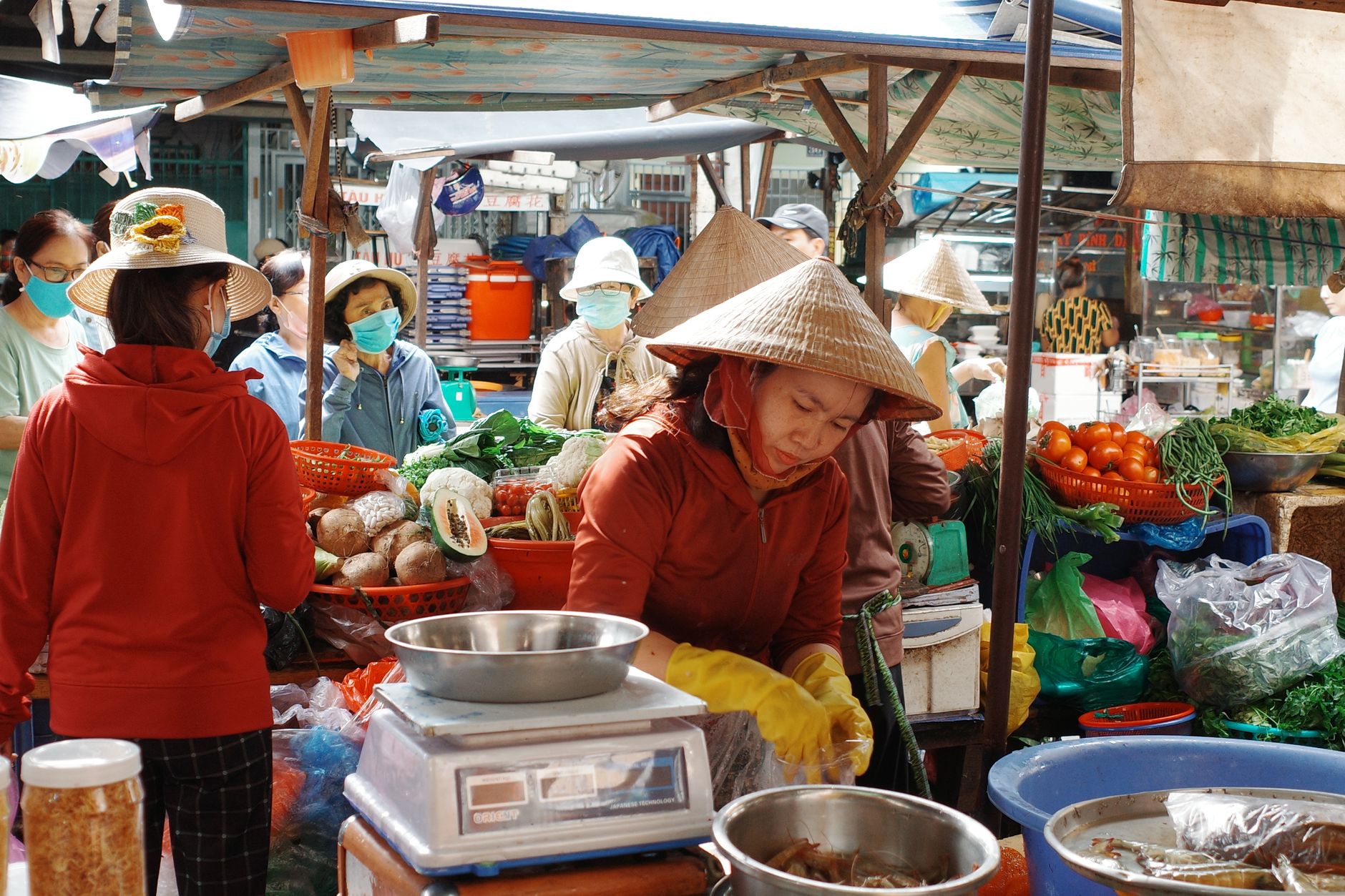
Start before 6 a.m. at Ben Thanh Market: vendors arrange produce, flowers, and meat by 5:30 a.m.; by 8 a.m., tourist crowds arrive and haggling gets harder. Walk the narrow lanes north of the market where locals buy rice, tofu, fresh herbs. Then join our street food and market tour—you'll eat bánh mì at a cart owner's stall (not a restaurant), learn why one vendor's pho tastes different from the next, and understand how a single lane can host six generations of the same trade. Tours run 8 a.m. to noon or 2 to 5 p.m., depending on heat and hunger. Lunch happens with the tour, not after; you sit at low plastic stools, eat what the guide orders, pay per dish (our current quote–3 per item). Afternoon: rest or explore the War Remnants Museum or old-quarter lanes on foot. Dinner: return to the old quarter around 6 p.m., when street stalls set up; eat corn, grilled squid, or iced coffee at sidewalk tables.
Why should you book a hands-on experience instead of a walking tour?
A walking tour moves you through landmarks; a hands-on workshop sits you inside local life. When you join a Vietnamese cooking class or coffee workshop, you learn why recipes change block by block, how to choose fish at market, or how water temperature shifts the taste of robusta beans. A cooking class runs 3–4 hours: you shop (with your host) at a neighborhood market, return to a family kitchen in a lane off the old quarter, chop vegetables, and cook 3–4 dishes on a home stove—then eat what you made, surrounded by family photos and the smell of lemongrass. Afterward, you recognize the same dishes in street stalls and understand the effort behind them. Walking tours point; workshops teach. If you're short on time, a 2-hour coffee workshop fits between breakfast and lunch: you roast green beans, taste three single-origin Vietnamese coffees, and learn the one filter technique most cafes use. Both adapt for beginners—no knife skills or coffee knowledge required.
Can you fit culture and food into just 48 hours?
Yes, if you skip trying to see everything. Choose one cultural anchor—market, cooking, coffee, or flower arranging—and build the rest of day two around it. Example: Day 1 = market tour + street food lunch + Hoan Kiem Lake sunset. Day 2 = morning Vietnamese coffee workshop, then lunch, then a 2-hour walk through the old quarter's French colonial buildings (or visit a local art gallery or craft workshop). Skip Ben Thanh Market a second time; go deeper into one district instead. If rain hits (June–September), we move indoor sessions like cooking or coffee workshops to family kitchens; outdoor food tours become short walking routes under awnings. You'll taste the same food, same neighborhood—rain changes only the angle, not the experience. Many guests ask if two days is "enough." It is, if you stop chasing landmarks and sit with one person or family long enough to ask questions.
What should your actual 48-hour itinerary look like?
| Time | Day 1 | Day 2 |
|---|---|---|
| 5:30–7:00 a.m. | Ben Thanh Market alone (coffee + snack) | Coffee workshop (roasting, tasting, brewing) |
| 8:00 a.m.–12:00 p.m. | Street food tour + market (stall breakfast, local guide) | Coffee workshop ends; walk old quarter or rest |
| 12:30–2:00 p.m. | Lunch at family restaurant (tour guide's pick, or guide's friend) | Lunch at a neighborhood pho or bánh mì spot |
| 2:00–4:00 p.m. | Rest, museum, or random-lane walk | Flower arranging or craft workshop (optional) |
| 4:00–6:00 p.m. | Hoan Kiem Lake walk, tea at lakeside café | Explore one neighborhood deeply on foot |
| 6:00 p.m.+ | Dinner at street stall; walk old quarter in cooler evening | Sunset dinner near Saigon River; early rest |
This schedule keeps you moving without rushing, includes one deep experience (cooking, coffee, or food tour), and leaves room for rain, fatigue, or a discovery that makes you want to stay longer in one place.
Who should book experiences, and who should just walk?
Book an experience if you want to understand Ho Chi Minh City, not just see it. Cooking classes suit couples, solo travelers over 50, and families with kids aged 10+; no knife skills needed, and kids love shopping and stirring. Street food tours work for any age or diet (vegetarian, halal, allergies all accommodated with advance notice). Coffee workshops suit early risers, anyone curious about specialty coffee, and those who drink instant coffee at home and want to try the real thing. Flower arranging classes attract people who like slowness, small groups (we run 2–8 people), and making something to take home. Craft workshops (silk, lacquer, ceramics) suit travelers interested in artisan lives—you'll meet the maker, see their tools, and understand why a hand-painted bowl costs more than a factory version. Solo travelers often feel awkward; we pair you with one or two other guests, and you leave as friends. Families should ask about family-specific sessions; kids aged 5–8 do shorter, messier versions of cooking and arranging. Seniors find street food tours physically demanding in heat; we arrange early morning or early evening slots and take 10-minute rest breaks in air-conditioned cafés.

What to check before you book
- Ask about the weather forecast the week of your visit. Rain (June–September) doesn't cancel; we reschedule or move indoors. Heat above 35°C means earlier start times (5:30 a.m. markets instead of 8 a.m.).
- Tell us about allergies or diet when you message. Peanut allergies are common in Asian kitchens; we use separate utensils and oil. Vegetarian cooking is standard; halal or kosher requires advance notice (2–3 days).
- Check how many people are booked. Small groups (2–6) feel intimate and slow; larger groups (8–12) for corporate team experiences move faster and are cheaper per person.
- Confirm the host's language level. All our hosts speak English fluently. Some are fluent in French, Mandarin, or Japanese—ask.
- Ask what to wear. Cooking = apron provided, wear closed shoes (bare feet in Vietnamese kitchens are not welcome). Market tours = comfortable walking shoes, light layers (we're in air-con cafés, then hot streets). Coffee workshop = no dress code; sit on small stools.
- Ask us when you message; weather and personal emergencies are covered differently.
Which Cáo Experiences fit best into a 48-hour trip?
The street food and market tour is the most popular 2-day choice: it anchors both days (you discover neighborhoods you'll return to for dinner), costs less than a multi-course restaurant meal, and teaches more than a museum. The Vietnamese cooking class takes 3–4 hours and needs rest time after; pair it with one café walk and one early dinner. A Vietnamese coffee workshop (2 hours) leaves most of day two open for wandering. Combine coffee + flower arranging for a calm, creative day 2. Visitors staying beyond 2 days add tea experiences, art classes, or a farm and countryside half-day outside the city—the farm trip includes a horse-riding option if you're interested in riding outside the urban sprawl.
See how a session runs
Real reasons not to do 48 hours in Ho Chi Minh City
Two days is not enough to relax. You'll spend 6–8 hours walking, eating, or in a workshop; 8 hours sleeping; and only 2–4 hours genuinely slow. If you're jet-lagged, ill, or over 70, two days will exhaust you. Consider extending to 3 days, or booking only one experience (a cooking class or a coffee workshop) and leaving the rest open for rest, your own pace, and spontaneous meals. If you dislike crowds, heat, or traffic noise, Ho Chi Minh City may disappoint you, even with our best experiences—the city is chaotic by design. Some guests find the energy thrilling; others find it exhausting. Spend half a day walking alone before booking group experiences; you'll know if the city suits your travel style.
How to extend beyond 2 days
Three days lets you add a day trip. Book a farm and countryside experience (1.5–2 hours outside the city by motorbike or car), which includes visiting a family home, tasting local dishes, and sometimes horse riding or fishing. Or take a slow train or bus to Hoi An (3 hours), Da Lat (6 hours, but worth the journey for cooler air and culture), or Da Nang (2.5 hours, beaches and nearby mountains). Each has its own market, cooking class, and coffee culture. Four days in Ho Chi Minh City + day trip = the sweet spot for travelers who want depth without rushing. Five days lets you explore two neighborhoods deeply and rest properly.
FAQ
Is two days in Ho Chi Minh City enough?
Yes, if you pick one deep experience (cooking, coffee, or market tour) and walk one neighborhood slowly. Two days is not enough to relax—expect 6–8 hours of activity, heat, and learning. Three days is more comfortable.
What's the best time of year to visit?
November–February (cool, dry, 20–25°C). June–September brings heat and rain; we reschedule indoor workshops or tour early mornings. April–May is hottest (35–38°C) but less crowded.
Do I need a guide for street food, or can I eat alone?
You can eat alone at stalls and negotiate price. A guide teaches why a dish tastes different here vs. two blocks away, orders food that tourists don't usually find, and handles language. First-time visitors benefit most from a guide; solo travelers who've been to Asia may prefer self-guided eating.
Can kids join cooking classes or market tours?
Yes. Cooking classes work for ages 5+; kids chop, stir, and taste under supervision. Market tours suit kids 8+ who can walk 2 hours and sit through breakfast. We offer family-specific sessions with shorter durations and more play time.
What if I'm allergic to peanuts or fish sauce?
Tell us before booking (via WhatsApp). Vietnamese cooking relies on fish sauce, shrimp paste, and peanut oil, but we can teach vegetarian cooking, use separate equipment, and substitute oils. Seafood allergies are the most restrictive—some dishes will be off limits.
How much does a street food tour or cooking class cost?
Ask us for dates and a quote on WhatsApp. Prices depend on group size, experience type, and date.
Can I book a private experience for my group?
Yes. Private groups (2–12 people) book a dedicated host for a longer or custom itinerary. Contact us to request.
What if it rains during my tour?
We reschedule outdoor tours (street food, countryside) or move them indoors and shorten them. Cooking classes and coffee workshops happen in covered kitchens and roasteries, so rain doesn't affect them.
Do I need to speak Vietnamese?
No. All our hosts speak English. Market tours include the host translating at stalls so you understand prices and can ask questions. Many stall vendors speak a little English or use hand signals.
Ask about dates
Tell us the city, your dates and what you would like to try. We reply on WhatsApp in English with options and availability.
FAQ
Is two days in Ho Chi Minh City enough?
Yes, if you pick one deep experience (cooking, coffee, or market tour) and walk one neighborhood slowly. Two days is not enough to relax—expect 6–8 hours of activity, heat, and learning. Three days is more comfortable.
What's the best time of year to visit?
November–February (cool, dry, 20–25°C). June–September brings heat and rain; we reschedule indoor workshops or tour early mornings. April–May is hottest (35–38°C) but less crowded.
Do I need a guide for street food, or can I eat alone?
You can eat alone at stalls and negotiate price. A guide teaches *why* a dish tastes different here vs. two blocks away, orders food that tourists don't usually find, and handles language. First-time visitors benefit most from a guide; solo travelers who've been to Asia may prefer self-guided eating.
Can kids join cooking classes or market tours?
Yes. Cooking classes work for ages 5+; kids chop, stir, and taste under supervision. Market tours suit kids 8+ who can walk 2 hours and sit through breakfast. We offer [family-specific sessions](/family-experiences) with shorter durations and more play time.
What if I'm allergic to peanuts or fish sauce?
Tell us before booking (via WhatsApp). Vietnamese cooking relies on fish sauce, shrimp paste, and peanut oil, but we can teach vegetarian cooking, use separate equipment, and substitute oils. Seafood allergies are the most restrictive—some dishes will be off limits.
How much does a street food tour or cooking class cost?
Ask us for dates and a quote on WhatsApp. Prices depend on group size, experience type, and date.
Can I book a private experience for my group?
Yes. Private groups (2–12 people) book a dedicated host for a longer or custom itinerary. [Contact us](/contact) to request.
What if it rains during my tour?
We reschedule outdoor tours (street food, countryside) or move them indoors and shorten them. [Cooking classes](/cooking-class) and [coffee workshops](/coffee-workshop) happen in covered kitchens and roasteries, so rain doesn't affect them.
Do I need to speak Vietnamese?
No. All our hosts speak English. Market tours include the host translating at stalls so you understand prices and can ask questions. Many stall vendors speak a little English or use hand signals.
More like this
Da Lat
Da Lat local experiences with locals: what to expect
Da Lat's misty mountains and year-round spring weather draw travelers seeking escape from the lowlands. Real local experiences—not tours—happen in family kitchens, forest gardens, and craft workshops where you work alongside people who live here.
Da Lat
Da Lat experiences with hotel pickup: day trips and classes
Da Lat's cool mountain air, flower farms, and craft culture draw visitors year-round. We arrange hands-on experiences with hotel pickup so you skip transport logistics and focus on learning.
Da Lat
Da Lat workshops and classes: hands-on learning in the highlands
Da Lat's cool mountain air and creative community make it ideal for intimate workshops. We run hands-on classes in cooking, coffee, crafts and more—learn a real skill, not a tourist tick.