
Home › Blog › Ho Chi Minh City
Ho Chi Minh City: What to Do in 3 Days (Local Experiences)
By the Cáo Experiences team · 2026-11-06
A realistic 3-day Ho Chi Minh City itinerary covers the city's three main layers: French colonial heritage (War Remnants Museum, Independence Palace, Saigon River walks), working street food culture (early-morning Ben Thanh Market, pho vendors in Binh Tay), and contemporary craft neighborhoods (District 2, District 7 cafes). Days 1–2 focus on museums and markets; Day 3 pivots to neighborhood walks and hands-on activities—a cooking class, coffee workshop, or flower arranging session run by local hosts in residential areas, where you'll cook or learn alongside a small group in English. Allow 2–3 hours per activity, budget half-days for museums, eat early (restaurants fill by 11 a.m.). Rain is common; most experiences run regardless, indoors or adapted. Cáo Experiences' small-group and private workshops fit naturally between sightseeing—book a few days ahead via WhatsApp. Read about our Saigon experiences here. Ask about dates on WhatsApp
What's actually worth seeing on Day 1?
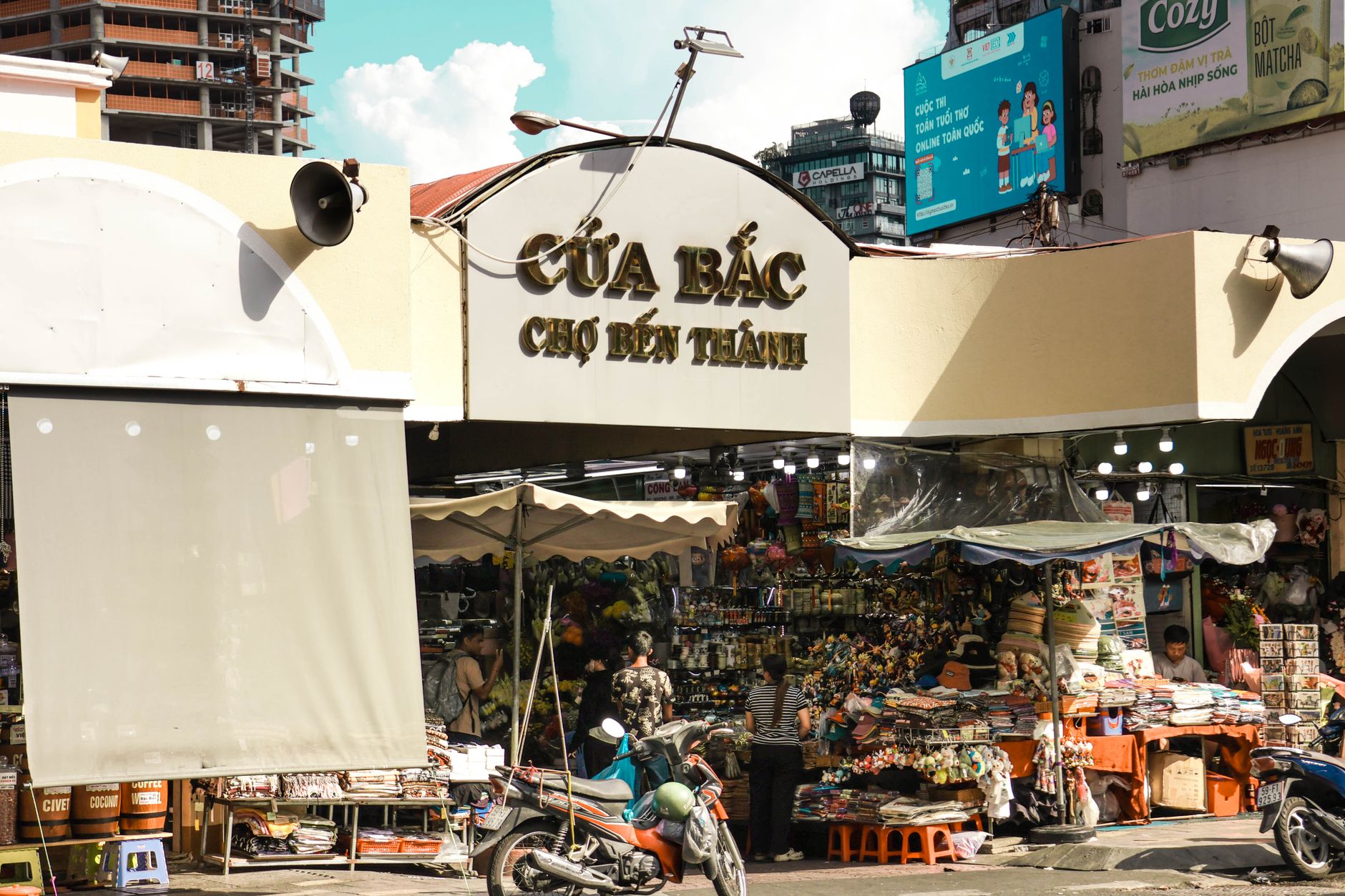
Start at the War Remnants Museum (10 a.m., beat crowds, 2–3 hours; honesty: confronting but essential context). Walk south to Independence Palace, then stroll to Saigon River's Bitexco area for lunch by water. Afternoon: duck into the Opera House courtyard (free), wander Ben Thanh Market's ground floor (textiles, souvenirs; not for tourists alone—locals shop here daily). Avoid midday heat (noon–3 p.m.); rest at a local café. Evening: walk around Hoan Kiem or sit in a lane café in District 1. Real detail: street vendors reset at 5 p.m.—this is when the city's energy shifts. The sightseeing day works best when you pace yourself: one museum, one market, one walk.
Where does the real food culture happen?
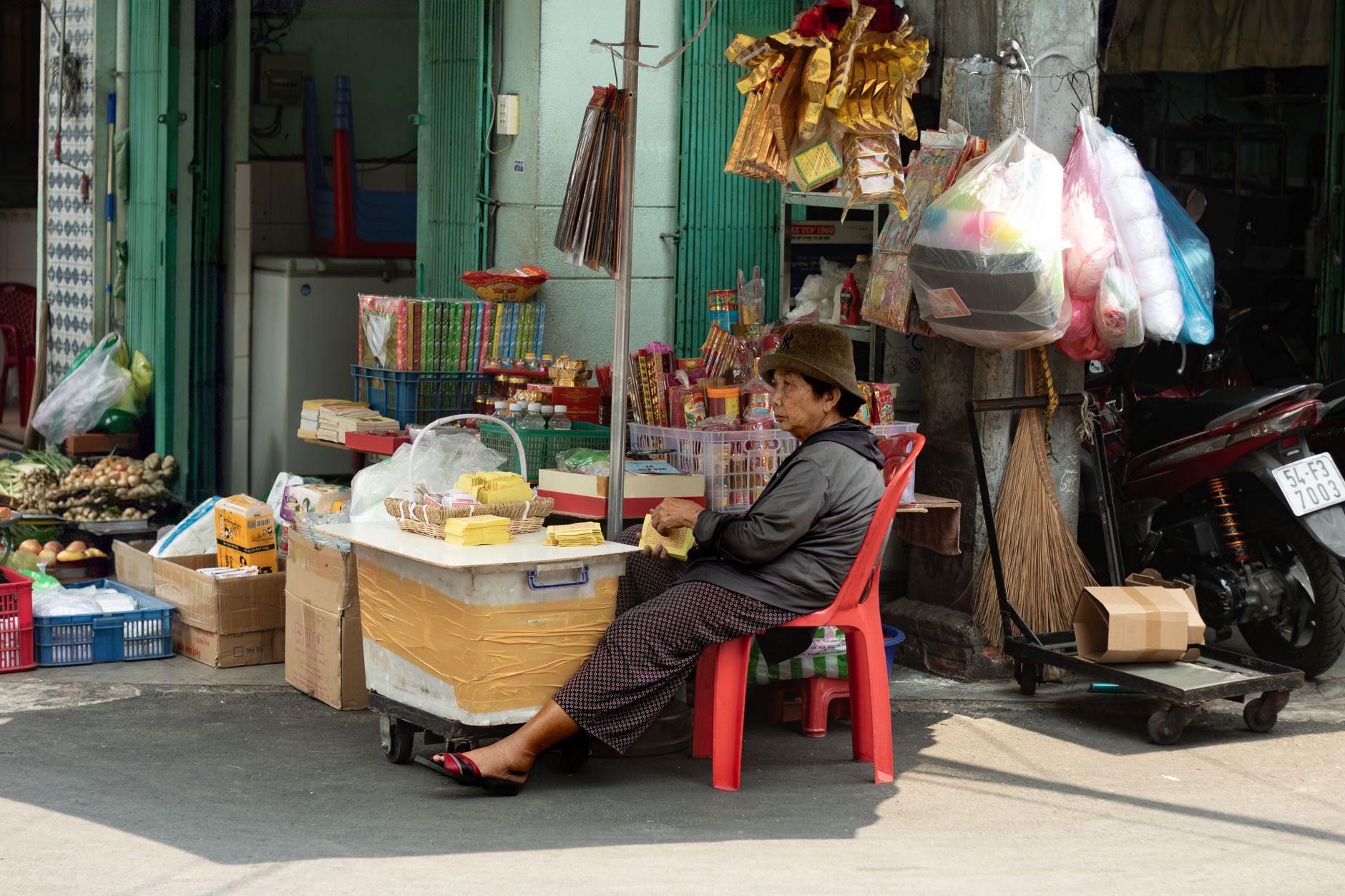
Ben Thanh Market opens at 6 a.m.; locals buy breakfast there. A street food and market tour with us starts early to see how vendors prep bánh mì, phở, and bánh mì trứng—you eat what they eat, not what's on a tourist menu. Day 2 morning: join a Vietnamese cooking class in a family kitchen in a residential lane. You'll shop a neighborhood market with your host, then cook 3–4 dishes (spring rolls, a curry, stir-fry, soup) in a real home—not a school kitchen. Lunch is what you made. Afternoon: visit a pine-forest-style café district or take a Vietnamese coffee workshop where you learn to use a traditional phin filter and taste single-origin robusta and arabica. This rhythm—market, cook, coffee—shows you how Ho Chi Minh City residents actually eat and spend time.
How do you fit culture and crafts into 3 days?
Day 3 morning: flower arranging workshop or a craft workshop (calligraphy, watercolor, weaving) in a studio near the old quarter. Two hours; no experience needed; you make something small to keep. Late morning: walk through an art gallery or a neighborhood like Nguyen Hue pedestrian street (closed to traffic, lined with cafes and small shops). Lunch in District 2 or 7 (newer areas with local restaurants). Afternoon: tea experience or a slow-paced wellness session—Vietnamese tea ritual, herbal knowledge, breathing space before departure. End with a sunset walk or riverside dinner. The rhythm matters: one structured workshop per day leaves room for meandering, eating at off-peak times, and noticing details (scooter choreography, shrine flowers, how shopkeepers greet regulars).
What should you pack and what will go wrong?
Packing reality: lightweight cotton layers (humidity 70–90%), good walking shoes (uneven pavements), a small backpack, sunscreen, a light rain jacket (afternoon showers are brief but sudden). Leave the suitcase at your hotel; walk with day bags only.
Common hiccups and fixes:
- Museum crowds: arrive 15 min after opening or after 3 p.m.
- Stomach upset: eat where you see locals eating and drinking, avoid ice at street stalls (use bottled water instead), and always have oral rehydration salts on hand.
- Scooter chaos: cross streets with locals, not alone; use zebra crossings; accept that it looks wilder than it is.
- Language: most signage is in English in District 1; book experiences via WhatsApp so hosts meet you with clear instructions.
- Rain: rain doesn't cancel cooking classes, markets, or workshops—it just clears tourists and cools things down.
What to avoid: don't pack a rigid itinerary (flexibility lets you linger and discover); don't eat lunch noon–2 p.m. (you'll sit alone in restaurants); don't miss dinner before 7 p.m. (restaurants close early); don't skip breakfast (it's the best meal and costs under our current quote).

A 3-day day-by-day breakdown (with timing)
| Time | Day 1: Colonial & Markets | Day 2: Food & Craft | Day 3: Slow & Departure |
|---|---|---|---|
| 6–8 a.m. | Sleep in; walk to café | Street food tour or market with host | Early breakfast |
| 8 a.m.–1 p.m. | War Remnants Museum | Market shopping + cooking class | Flower arranging or craft workshop |
| 1–3 p.m. | Lunch + rest | Eat lunch you cooked | Lunch + walk |
| 3–6 p.m. | Independence Palace + river walk | Coffee workshop or café research | Tea experience or shopping |
| 6 p.m.+ | Dinner on Saigon River or District 1 lane | Casual dinner + neighborhood walk | Final dinner + travel |
This isn't rigid—swap Day 2 and Day 3 activities if flights land midday. The key: one museum-heavy day, one food-heavy day, one craft-and-slow day. Rain doesn't derail it; just move activities indoors (cooking and workshops always run).
How do you know what experiences suit you?
If you're solo and want structure and friends: join group and corporate experiences—market tours and cooking classes run almost every week with 2–8 people; you meet others in the same boat.
If you're traveling with a partner or small group: book a private cooking class or coffee workshop. Same content, your pace, your schedule, no strangers.
If you're traveling with kids (ages 7+): family experiences exist—flower arranging, farm days, craft workshops adapt for younger hands; cooking classes reduce spice levels and let kids help roll things.
If you're 65+ or have mobility concerns: Tell us on WhatsApp. We host in ground-floor family kitchens; walking tours are short (2–3 km max); we pause often. Cooking classes involve sitting and chopping, not standing for hours.
If you have food allergies: Mention them when you book. You choose what to cook; hosts have peanut-free, vegetarian, and gluten-free options; markets sell labeled ingredients.
If rain or humidity spooks you: All workshops run indoors. Street food tours pivot to covered markets. Bring a light rain jacket and accept that sweat is part of the experience—locals don't apologize for climate.
What to check before you book
- Dates: Workshops run Tue–Sat year-round; some close Tet (lunar new year, late Jan–early Feb). Ask us for availability.
- Group size: Private sessions (1–6 people) start anytime; group sessions (5–10 people) run fixed dates. Private is more flexible.
- Food & allergies: Mention all of them upfront. Hosts adapt; we don't guess.
- Arrival time: If you land midday, join a late-afternoon coffee workshop or evening tea experience. Don't try a full cooking class if you're jet-lagged.
- Language: All sessions run in English. Hosts are bilingual or trilingual; WhatsApp coordination is in English.
- Cancellation: Ask us—life happens. We work with you on rescheduling.
- What to wear: Comfortable clothes you can move in; closed-toe shoes for markets and farms; an apron is provided for cooking classes.
FAQ
Is 3 days enough to see Ho Chi Minh City properly?
Yes, if you skip the standard "must-see" checklist and instead do one museum, one market, one neighborhood per day, plus a hands-on workshop. You'll understand the city's rhythms better than someone who spends a week rushing.
When is the best time to visit Ho Chi Minh City?
November–February (cooler, drier). Avoid May–September (40 °C heat, heavy rain). April and October are shoulder months—quieter, still manageable. Workshops run year-round.
How much does a cooking class or workshop cost?
Ask us for dates and a quote on WhatsApp. Prices vary by group size, location, and session length; private sessions cost more than group sessions, but you choose the menu.
Do I need to book experiences in advance?
Yes, 3–7 days ahead if possible. Group sessions fill quickly. Private sessions can sometimes start 24 hours' notice, but early booking ensures better scheduling and lets hosts shop for fresh ingredients.
What if I have dietary restrictions or allergies?
Tell us when you ask for a date. You choose what to cook in class; we buy allergy-safe ingredients. Street food tours can focus on vegetarian or seafood-free stalls. No surprises.
Can I do a cooking class or workshop if I've never cooked before?
Yes. Most guests are beginners. Hosts teach you knife skills, timing, and flavor-building step-by-step. You'll finish with dishes you can actually cook at home.
What happens if it rains during a market tour or outdoor experience?
Rain is common but brief (15–30 min showers). Markets have roofs. Street food tours move to covered food courts. We don't cancel; we adapt. Bring a light jacket.
Ask about dates
Tell us the city, your dates and what you would like to try. We reply on WhatsApp in English with options and availability.
FAQ
Is 3 days enough to see Ho Chi Minh City properly?
Yes, if you skip the standard "must-see" checklist and instead do one museum, one market, one neighborhood per day, plus a hands-on workshop. You'll understand the city's rhythms better than someone who spends a week rushing.
When is the best time to visit Ho Chi Minh City?
November–February (cooler, drier). Avoid May–September (40 °C heat, heavy rain). April and October are shoulder months—quieter, still manageable. Workshops run year-round.
How much does a cooking class or workshop cost?
Ask us for dates and a quote on WhatsApp. Prices vary by group size, location, and session length; private sessions cost more than group sessions, but you choose the menu.
Do I need to book experiences in advance?
Yes, 3–7 days ahead if possible. Group sessions fill quickly. Private sessions can sometimes start 24 hours' notice, but early booking ensures better scheduling and lets hosts shop for fresh ingredients.
What if I have dietary restrictions or allergies?
Tell us when you ask for a date. You choose what to cook in class; we buy allergy-safe ingredients. Street food tours can focus on vegetarian or seafood-free stalls. No surprises.
Can I do a cooking class or workshop if I've never cooked before?
Yes. Most guests are beginners. Hosts teach you knife skills, timing, and flavor-building step-by-step. You'll finish with dishes you can actually cook at home.
What happens if it rains during a market tour or outdoor experience?
Rain is common but brief (15–30 min showers). Markets have roofs. Street food tours move to covered food courts. We don't cancel; we adapt. Bring a light jacket.
More like this
Da Lat
Da Lat local experiences with locals: what to expect
Da Lat's misty mountains and year-round spring weather draw travelers seeking escape from the lowlands. Real local experiences—not tours—happen in family kitchens, forest gardens, and craft workshops where you work alongside people who live here.
Da Lat
Da Lat experiences with hotel pickup: day trips and classes
Da Lat's cool mountain air, flower farms, and craft culture draw visitors year-round. We arrange hands-on experiences with hotel pickup so you skip transport logistics and focus on learning.
Da Lat
Da Lat workshops and classes: hands-on learning in the highlands
Da Lat's cool mountain air and creative community make it ideal for intimate workshops. We run hands-on classes in cooking, coffee, crafts and more—learn a real skill, not a tourist tick.