
Hoi An non-touristy things to do: Local crafts, countryside, real food
By the Cáo Experiences team · 2026-11-06
Hoi An's non-touristy side means stepping away from the lantern-lit main streets to learn hands-on skills in real homes and countryside. You can join a small-group Vietnamese cooking class in a family kitchen in a lane off the old quarter, ride horses through village fields with our horse riding experience, arrange fresh flowers the way local florists do in their studios, or spend a morning at a rice farm learning how farmers work the land—all with English-speaking hosts who know the quiet corners locals protect. Most sessions run 3–4 hours, include direct instruction and conversation, and cost far less than the tourist-trap dinner shows. The key: book small groups or private, travel outside peak hours (early morning or late afternoon), and avoid the big markets on weekend nights. Cáo Experiences coordinates everything by WhatsApp so you spend less time planning and more time in real moments.
Why do most visitors miss the real Hoi An?
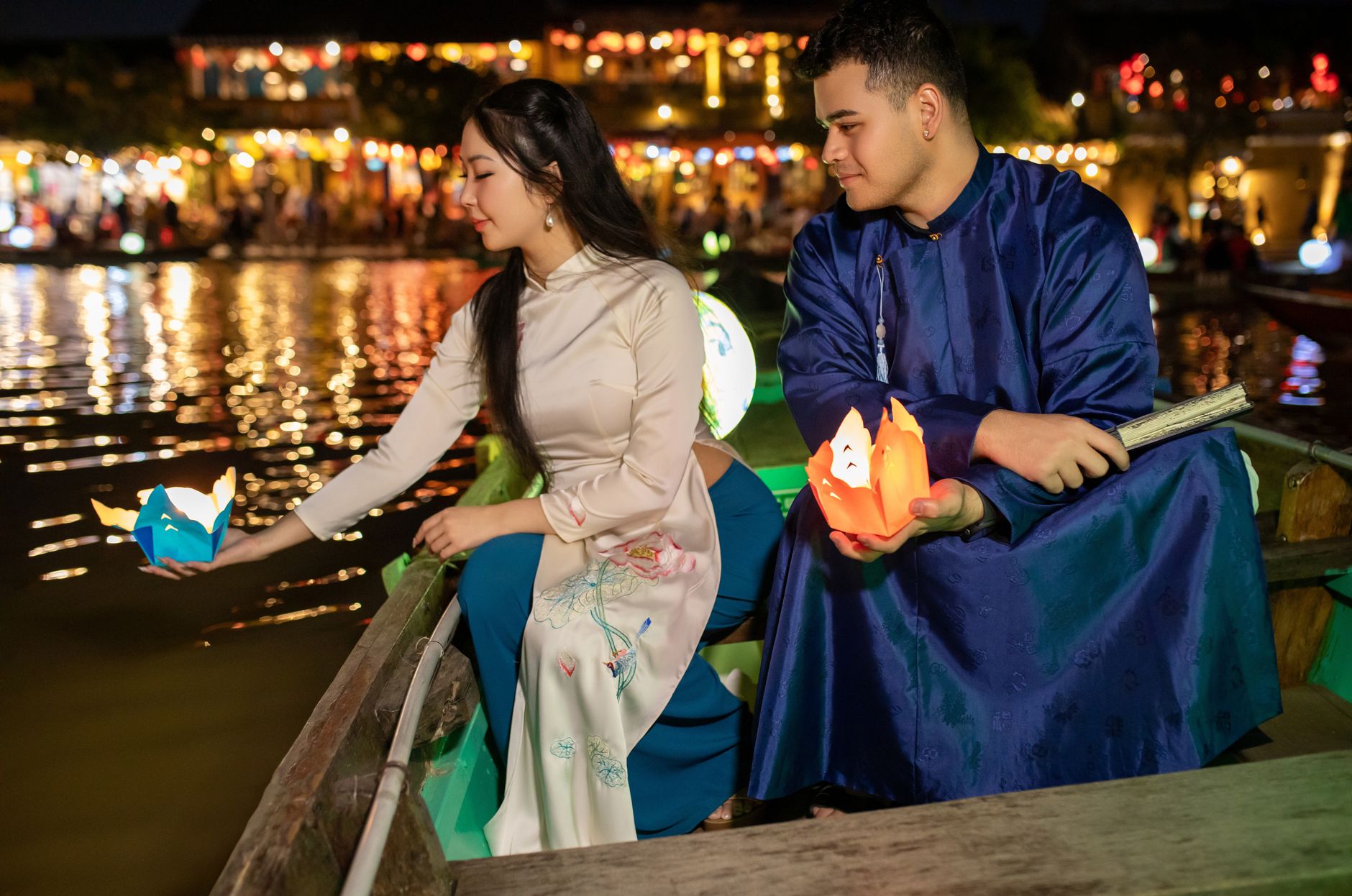
The ancient town's beauty is genuine, but 2–3 million annual visitors concentrate in 600 meters of narrow streets after dark. Most tourists eat at the same 20 restaurants, buy the same tailored clothes, ride the same tour boats, and leave without speaking to a single local. The result: you see Hoi An's exterior but not its rhythm. Real locals—craftspeople, farmers, home cooks—live and work in the surrounding lanes and villages, often just 15 minutes' walk or a short motorbike ride from the famous places. They run workshops, tend gardens, and teach from genuine skill, not a script. Non-touristy Hoi An is not hidden; it's just requires intentionality and a local guide who trusts you.
What can you learn that tourists usually skip?
Non-touristy learning happens in craft studios, kitchens, and fields. Our flower arranging workshop takes place in a working florist's studio where you learn to wire, condition, and compose seasonal blooms the way local families and weddings demand them—not the Instagram-friendly tourist version. You go home with two or three arrangements and muscle memory for the technique. A Vietnamese cooking class in a family home means shopping at the neighborhood market with your host, learning why certain herbs go into certain dishes (often tied to family history or regional tradition), tasting as you cook, and eating what you made at a family table—no show kitchen, no 20 strangers. Craft workshops might include woodblock printing, lantern-making, or ceramic hand-building in small studios where the artisan still takes commissions. The point is direct transfer of knowledge from someone who does it for real, not for a photo. You'll struggle at first—rolling spring rolls, holding a brush, riding a horse—and that's the whole value. Discomfort is where learning lives.
How can you get into the countryside without a big tour group?
Hoi An's countryside is rice paddies, coconut groves, and small villages 5–15 km away. Horse riding experiences let you move through these landscapes at a pace that lets you notice details: the water buffalo resting in a canal, the smell of wet earth, the hand gestures farmers use to greet each other. You don't need riding experience; our guides teach absolute beginners how to sit, hold the reins, and trust the horse. A farm and countryside experience puts you in work clothes doing real tasks alongside farmers—planting seedlings, harvesting, learning irrigation—and then sharing a simple meal. These sessions run 3–4 hours in the morning or late afternoon, when the light is soft and the heat is less intense. You're never alone; a local host is with you, translating and sharing stories. The non-touristy element is that you're not observing from a minibus; you're standing in the water with your pants rolled up.
What's the best time to do these activities, and why does timing matter?
| Activity | Best time | Why | Crowd level |
|---|---|---|---|
| Cooking class | 8–10 a.m., 4–6 p.m. | Market is fresh; cooler for cooking | 2–4 guests |
| Flower arranging | Any morning | Studio light is best; florists less busy | 2–3 guests |
| Horse riding | 6–7 a.m., 4:30–6 p.m. | Cooler, horses fresher, light is golden | 2–6 guests |
| Farm day | 6–9 a.m. | Work happens early; heat peaks by noon | 3–8 guests |
| Craft workshop | 2–5 p.m. | Tourist boats leave; artisans have space | 2–8 guests |
Timing also affects who you meet. A 7 a.m. farm day means you work alongside actual farmers, not a second or third group of tourists that day. Early morning in the old quarter is mostly locals doing errands, not picture-takers. Avoid weekends and Vietnamese holidays when possible; the crowds are 3–4 times denser. Rainy-season mornings (May–September) have their own beauty—fewer tourists, softer light, fresher air—though activities move indoors if rain is heavy. We adapt all sessions for weather; a cooking class moves to the host family's kitchen anyway, and flower arranging happens inside studios. Horse riding or farm work may be rescheduled if paths are unsafe.
How do you actually book something real instead of ending up on another tour bus?
The mechanism matters. Most travel websites funnel you into pre-set group tours with fixed departure times and large groups. Instead, reach out to us directly via WhatsApp with your dates, group size, and interests—whether you want to learn a craft, taste local coffee, or spend time on a farm. We ask about dietary needs, fitness level, languages you speak, and what you want to avoid (crowds, heat, heights). Then we build a session: a specific date, a specific small group (or private), a specific host in a specific place, and exact logistics. You're not picking from a menu; you're commissioning an experience. This takes a few messages over a day or two, but the result is a session that fits you, not a generic itinerary that fits 40 people. Ask questions in WhatsApp; we answer them honestly. If horse riding sounds good but you've never ridden, we tell you what to expect and what might be uncomfortable. If you have a severe allergy, we confirm the host can accommodate it. Non-touristy Hoi An exists because local hosts are willing to adjust for real people. The tour-bus model doesn't allow that.
How do you know which experience actually matches your energy level and interests?
A checklist before you book:
- Physical demands: Are you comfortable sitting on a horse for 1–2 hours, standing in water and mud for a farm morning, or spending 3 hours on your feet in a market and kitchen? Be honest.
- Heat tolerance: Early morning and late afternoon are 5–10°C cooler than midday. If heat exhausts you, book early.
- Group size: Do you want to meet other guests (small group, 2–6 people) or keep it private (you and perhaps a partner or family)? Solo travelers often enjoy small groups; couples and families often prefer private.
- Skill level: Have you cooked Vietnamese food, ridden a horse, or done floristry before? Tell us. Beginners are welcome; we adapt all sessions.
- Language: Our hosts speak English. If you speak Vietnamese, even a little, mention it; some conversations go deeper.
- Dietary restrictions or allergies: Celiac, shellfish allergy, vegetarian, vegan—confirm before you book. Farm mornings and cooking classes adapt easily.
- Pace: Do you want to learn in detail and take time, or move quickly through multiple activities? Single-focus sessions (one craft, one meal) go deeper than "Hoi An in a day."
- Photo or presence: Are you here to document or to experience? We welcome both, but the atmosphere shifts when everyone's on their phone.
Use these criteria to email or WhatsApp us a few details, and we'll suggest the right fit. Mismatches—booking a 3-hour cooking class when you hate standing in heat, or a farm morning when you're not a morning person—are the main reason experiences feel flat.
What's the actual day-to-day difference between a standard tour and a non-touristy experience?
Standard tour: You're picked up at a hotel, driven in a minibus with 15–30 people, shown sights narrated through a microphone, given 45 minutes at each stop, fed at a restaurant with a set menu, and returned by evening. You follow a route planned for efficiency and repeat footsteps of a thousand others each week.
Non-touristy Hoi An with Cáo Experiences: You arrange a time; a host meets you at a quiet location or picks you up. You're in a small group (2–6 people) or private. You move at conversation pace—stopping to talk to the flower vendor, watching how the farm dog herds ducks, asking why a particular herb matters. Meals are eaten with the people who prepared them, not served on a plate after a monologue. You might feel clumsy, uncertain, or dirty. That's real. You'll leave with a skill, a story with a person's name attached, and a sense of why Hoi An and its people matter beyond the postcard.
What to check before you commit
- Group size and privacy: Ask whether the session is small-group (you meet other guests) or private (just you, family, or close friends). Both are valid; know which you prefer.
- Duration and end time: Cooking classes, craft workshops, and farm mornings are usually 3–4 hours. Check the actual start and end times so you're not late for a flight or evening plan.
- What to wear and bring: Ask for specifics. Craft workshops mean clothes that don't matter if they get stained. Horse riding means closed-toe shoes. Farm mornings mean waterproof shoes. We send a list in WhatsApp.
- Inclusions: Does the cost cover materials, lunch, drinks, instruction, transport to the site? We clarify this upfront.
- Dietary needs: Tell us early if you're vegetarian, vegan, have allergies, or avoid certain ingredients. Small-group sessions adapt easily; confirm at booking.
- Rainy-day plan: What happens if it rains? Indoor activities (cooking, craft, flower arranging) continue. Farm days may move to the next available date. Horse riding is rescheduled if paths are unsafe. We decide together based on weather forecasts.
Ask us for dates and a quote on WhatsApp. Include your arrival date, departure date, group size, and top 3 interests from our destinations in Hoi An page. We'll suggest sessions that fit your time and energy.

FAQ
Do I need experience to join a cooking class or craft workshop?
No. All our sessions teach beginners step by step. You'll feel awkward at first (everyone does); that's how you learn. We adjust pace and difficulty for your level.
What if I'm traveling solo? Will I feel left out in a small group?
Solo travelers often bond quickly with other guests in small groups. You'll be 2–4 people, not 20. If you prefer absolute privacy, book a private session; we'll pair you with a host one-on-one.
How long is each experience, and can I combine multiple on one day?
Most sessions run 3–4 hours. You can combine two in a day (e.g., morning cooking class, late-afternoon craft workshop), but we don't recommend back-to-back sessions; pacing matters. Tell us your interests, and we'll design a good day.
What happens if it rains?
Cooking, craft, and flower arranging happen indoors in studios and kitchens. Farm work and horse riding are rescheduled if paths are slippery or unsafe. We check weather with you 48 hours before and adjust in real time.
Do you accommodate vegans, allergies, and dietary restrictions?
Yes. Tell us at booking. Cooking classes, farm meals, and group dinners adapt easily. We've hosted celiac, shellfish allergy, vegan, and other dietary needs without issue.
Can I take photos during the experience?
Yes. We welcome photos and videos for your own use. We ask that you're present enough to actually learn, not filming the whole time. Some moments are better experienced than documented.
Ask about dates
Tell us the city, your dates and what you would like to try. We reply on WhatsApp in English with options and availability.
FAQ
Do I need experience to join a cooking class or craft workshop?
No. All our sessions teach beginners step by step. You'll feel awkward at first (everyone does); that's how you learn. We adjust pace and difficulty for your level.
What if I'm traveling solo? Will I feel left out in a small group?
Solo travelers often bond quickly with other guests in small groups. You'll be 2–4 people, not 20. If you prefer absolute privacy, book a private session; we'll pair you with a host one-on-one.
How long is each experience, and can I combine multiple on one day?
Most sessions run 3–4 hours. You can combine two in a day (e.g., morning cooking class, late-afternoon craft workshop), but we don't recommend back-to-back sessions; pacing matters. Tell us your interests, and we'll design a good day.
What happens if it rains?
Cooking, craft, and flower arranging happen indoors in studios and kitchens. Farm work and horse riding are rescheduled if paths are slippery or unsafe. We check weather with you 48 hours before and adjust in real time.
Do you accommodate vegans, allergies, and dietary restrictions?
Yes. Tell us at booking. Cooking classes, farm meals, and group dinners adapt easily. We've hosted celiac, shellfish allergy, vegan, and other dietary needs without issue.
Can I take photos during the experience?
Yes. We welcome photos and videos for your own use. We ask that you're present enough to actually learn, not filming the whole time. Some moments are better experienced than documented.
More like this
Da Lat
Da Lat local experiences with locals: what to expect
Da Lat's misty mountains and year-round spring weather draw travelers seeking escape from the lowlands. Real local experiences—not tours—happen in family kitchens, forest gardens, and craft workshops where you work alongside people who live here.
Da Lat
Da Lat experiences with hotel pickup: day trips and classes
Da Lat's cool mountain air, flower farms, and craft culture draw visitors year-round. We arrange hands-on experiences with hotel pickup so you skip transport logistics and focus on learning.
Da Lat
Da Lat workshops and classes: hands-on learning in the highlands
Da Lat's cool mountain air and creative community make it ideal for intimate workshops. We run hands-on classes in cooking, coffee, crafts and more—learn a real skill, not a tourist tick.