
Hoi An: What to Do in 3 Days (Insider Itinerary)
By the Cáo Experiences team · 2026-11-06
Hoi An is a UNESCO-listed riverside trading port in central Vietnam, a 90-minute drive south of Da Nang. Three days gives you time to drift through the car-free Ancient Town at dawn, eat your way through street markets, sit with a tailor or silk weaver, and spend a morning or afternoon outside the tourist core—in orchards, on horseback, or in a family kitchen learning to roll spring rolls. Cáo Experiences runs small-group and private Vietnamese cooking classes, street food tours, and farm and countryside experiences where you work alongside locals rather than photograph from a distance. Budget one day for the Ancient Town, one for markets and craft workshops, one for the countryside or a specialized skill class (coffee, flower arranging, art). Most visitors come November to February when the weather is dry and cool; March to May is hot and humid; June to October brings rain. Ask us for dates and availability on WhatsApp—we'll build a private or group itinerary around what pulls you most. Ask about dates on WhatsApp
Day 1: Are the lanterns and Ancient Town worth the crowds?
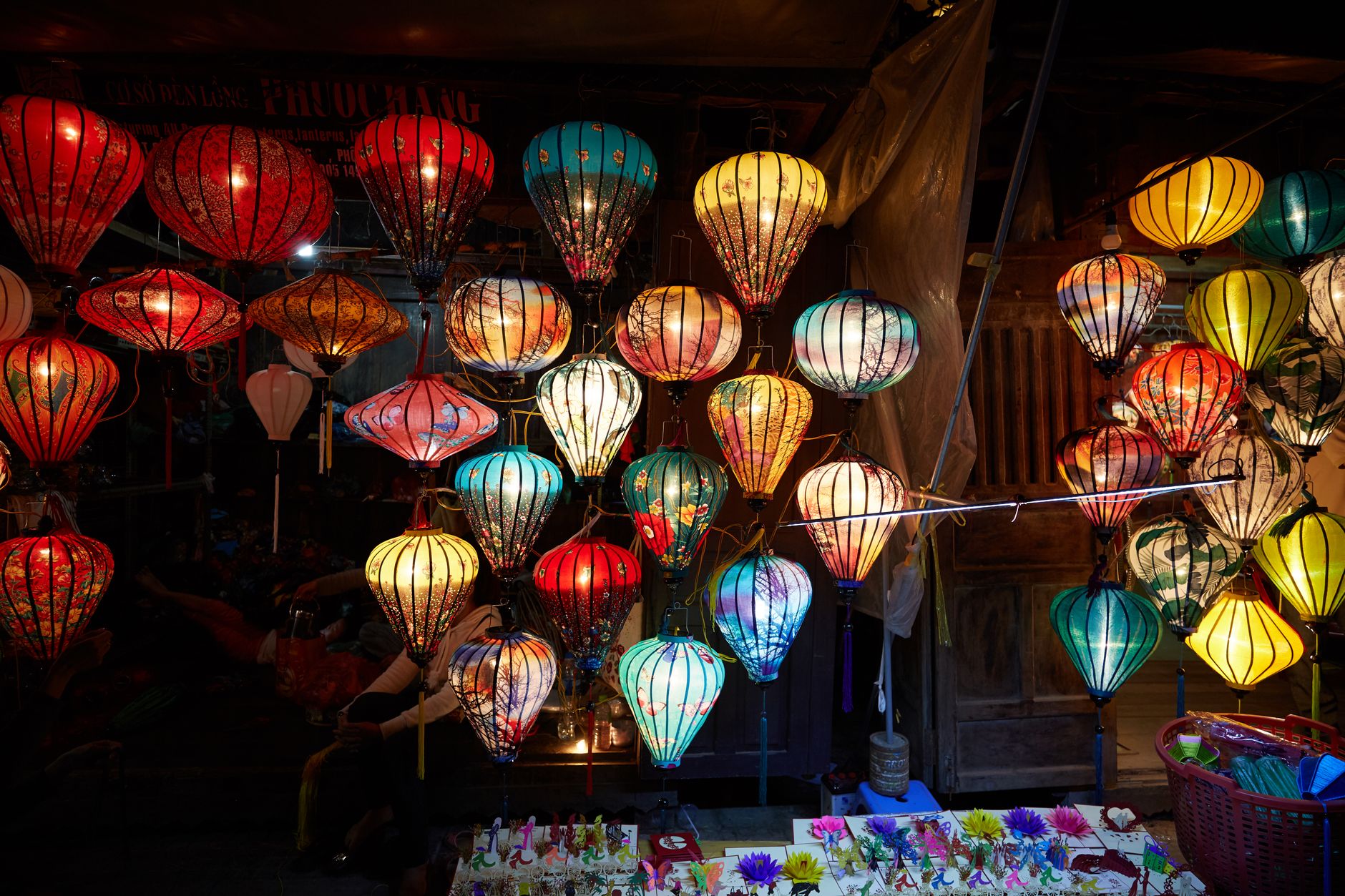
Yes, but go at 6 a.m. before tour groups arrive. The Ancient Town is a preserved 15th-century merchant quarter with mustard-yellow French colonial shopfronts, wooden tube houses, and the iconic Japanese-style bridge over the Thu Bon River. Walk the main lanes—Tran Phu, Bach Dang, Cam Pho—alone at sunrise, then explore side alleys where craftspeople still work. Stop at the local morning market (along the riverside) where vendors sell live fish, greens, and freshly made pork sausage. Eat bánh mì, noodle soup, or sticky rice at a family stall. By 10 a.m., return to your hotel; the streets fill with organized groups by then. Spend the afternoon learning from locals: join a tailor fitting for a custom áo dài (a Vietnamese silk tunic), visit a silk weaving family workshop, or sit in on a flower-arranging class to see how locals interpret the lantern colors that define Hoi An's visual identity.

Day 2: How do you learn to cook Hoi An's signature dishes?
Book a hands-on Vietnamese cooking class in a family kitchen off the main tourist streets—in a lane in the old quarter, with a host who cooks daily for her own family. You'll start by walking to a nearby wet market together (the same one where your host shops), learning the names and uses of herbs, fish sauce, fresh turmeric, and regional specialty greens. Back in the kitchen, you'll prepare Hoi An's signature white rose dumplings (bánh nõn), wet cake (bánh hoai), and a cà chua nướng (tomato charred with herbs) that tastes nothing like tomato elsewhere. You knead dough, fold, fry, and taste as you cook. By lunch, you eat what you've made, usually with a cold beer and house-made pickle. Most classes run 3 hours and include an English-speaking host who adapts for vegetarians, allergies, and kids who want to skip chopping. Bring an apron or wear clothes you don't mind getting flour on. If rain comes during a morning session, the kitchen is indoors and the lesson actually deepens—you'll make caramelized pork or braised fish instead, something less weather-dependent.
| Experience | What you make | Duration | Best for | Key detail |
|---|---|---|---|---|
| Cooking class | Hoi An white rose, wet cake, grilled tomato | 3 hours | Families, couples, food lovers | Learn the market first |
| Street food tour | Bánh mì, noodle soup, regional sweets | 2.5 hours | Groups, photographers, curious eaters | Eat at family stalls, not restaurants |
| Coffee workshop | Filter-brew technique, tasting, history | 2 hours | Coffee enthusiasts, breakfast lovers | Taste three regional styles side-by-side |
| Farm experience | Pick vegetables, feed animals, cook at farmhouse | 4 hours | Families with kids, slow travelers | Seasonal crops; bring sunscreen and water |
Day 3: Should you stay in town or venture out?
Split the day. Spend the morning in Hoi An proper at a craft workshop—lantern-making, wood carving, or painting—where artisans teach in their own studios (not tourist centers). By noon, hire a motorbike or driver to reach the countryside: horse riding through villages and rice paddies at a family-run stable outside town, or a farm and countryside experience where you harvest with locals, learn about irrigation, and eat lunch cooked over a wood fire in a farmer's home. If you have kids, a farm morning is easier than a cooking class because they can run freely, pick fruit, and eat without sitting still. If it rains on Day 3, choose the indoor craft workshop in town instead—lantern-making and wood-block printing run rain or shine. Expect the countryside experience to take a full 4–5 hours with transport, so start early (before 7 a.m.) to be back by late afternoon for a sunset walk or a final meal overlooking the river.
What's the best rhythm if you only have 48 hours?
Compress Day 1 and 2: Ancient Town sunrise walk (6–9 a.m.), breakfast at a local stall, then straight into a Vietnamese cooking class that same morning (10 a.m.–1 p.m.). In the afternoon, nap or walk the riverside at leisure. Day 2, choose one deep experience: either a full countryside farm and horseback morning or a street food and market tour that takes you into backstreet eateries and small-family vendors. Eat a final dinner at a family-run restaurant (not a hotel), then leave. Two days won't show you everything, but with one hands-on class and one immersive tour, you'll taste and make Hoi An food, hear how locals actually live, and leave with skills and stories—not just photos of lanterns.
How do you avoid the tourist trap feeling?
Book private or small-group classes through Cáo Experiences, not walk-in street courses. Go to the markets where locals buy, at 6–7 a.m., not at midday. Eat at family kitchens and street stalls (ask your host for names, not TripAdvisor). Skip the "tailor demo" shows marketed to tour groups; visit a working tailor's shop where people actually order clothes. If you're in town for a festival, like the Lunar New Year or Mid-Autumn Festival season, embrace it—the town is festive for locals, not just tourists, and cooking and craft classes often shift to festival foods and traditions. Finally, leave the Ancient Town by 2 p.m. most days. The river, side gardens, and quiet temple compounds are where Hoi An lives; the crowded main lane is where it performs.
What about weather, allergies, and kids' pacing?
November to February is ideal: 20–25°C, dry, and clear. March to May gets hot (35°C+) and humid; June to October is rainy but less crowded. For cooking classes, tell your host about allergies, religious restrictions, and vegetarian preferences when you book—every host we work with adapts without fuss. Kids under 8 often struggle with a 3-hour cooking class (standing, knives, heat); a 2-hour family experience or farm morning works better. Seniors enjoy cooking classes and craft studios (sitting-friendly) more than horse riding or all-day farm work, though we've hosted 70-year-olds on gentle countryside rides. If it rains, indoor workshops (lantern-making, cooking, painting) run as planned; outdoor farm mornings shift to a covered cookhouse or a craft studio in town instead. Always bring a light rain jacket and closed shoes—the Ancient Town gets slippery, and countryside tracks can be muddy even in dry season.
What to check before you book
- Season: Ask which months have the best weather and smallest crowds for what you want to do.
- Private vs. group: Private classes cost more but let you set the pace and menu; group classes are social and cheaper but follow a fixed itinerary.
- Transport: Confirm whether your host provides motorbike pickup or you need your own wheels; some experiences include it, others don't.
- Dietary needs: Always mention allergies, vegetarian, vegan, or halal requirements at the time of booking—hosts adapt easily.
- Rainy-day plan: Ask what happens if the weather is bad on the day you book; good hosts swap indoor activities without extra cost.
- Language: All Cáo Experiences sessions run in English; confirm your host speaks clearly if you need subtitles or slower pacing.
- Duration and end time: Check exactly when the experience ends so you can plan your next meal or transport without stress.
See how a session runs
More experiences nearby
If you extend to 4 or 5 days, take a morning trip north to experiences in Da Nang (45 minutes away)—beaches, Marble Mountain temples, and a different market culture. Or go south to Da Lat for cooler hills, flower farms, and coffee plantations. If you're returning to Hanoi, our Hanoi experiences run year-round and let you dive deep into street food, coffee, and traditional arts.

FAQ
Is three days in Hoi An enough, or should I stay longer?
Three days is enough to taste the town, cook a meal, and visit the countryside. Longer stays let you revisit favorite stalls, take multiple craft classes, or relax. Two days feels rushed unless you skip either food or countryside; four days is ideal if you love to linger.
What's the difference between the Ancient Town and the rest of Hoi An?
The Ancient Town (the preserved merchant quarter along Bach Dang and Tran Phu streets) is where tourists cluster, lanterns hang thick, and most guides point cameras. The rest of Hoi An—rice fields, villages, family kitchens, markets—is where locals live and work. Both matter; the trick is spending mornings in one, afternoons in the other.
Can you visit Hoi An as a day trip from Da Nang?
Yes, but you'll only see the Ancient Town's main streets and maybe one meal. A day trip works if you've visited Hoi An before and want to revisit a favorite stall or buy fabric. For a first visit or any hands-on class, stay overnight so you can do a market walk at dawn and a longer experience (cooking, farm, horseback) without rushing.
Do I need to book experiences in advance, or can I show up and join?
Book in advance—we schedule small groups and private sessions, and walk-ins almost never find a spot, especially in peak season (November–February). Message us on WhatsApp at least one week ahead to confirm dates and choose between a private session or a group class.
What should I wear and bring for a cooking class, farm visit, or horseback ride?
Cooking: closed shoes, apron or old clothes, no perfume (spices are sensitive). Farm: sunscreen, hat, closed shoes, water, small backpack. Horseback: long trousers, closed shoes, helmet provided, no flip-flops. All: check the rainy-day forecast and bring a light jacket; Hoi An humidity is high year-round.
Can families with young kids do these experiences?
Yes. Cooking classes suit ages 6+; farm visits work for 4+; horseback riding for 7+ (depending on the child and horse). Always mention your child's age when you book so the host prepares activities—shorter recipes, lower shelves, gentler horses, frequent breaks.
Ask about dates
Tell us the city, your dates and what you would like to try. We reply on WhatsApp in English with options and availability.
FAQ
Is three days in Hoi An enough, or should I stay longer?
Three days is enough to taste the town, cook a meal, and visit the countryside. Longer stays let you revisit favorite stalls, take multiple craft classes, or relax. Two days feels rushed unless you skip either food or countryside; four days is ideal if you love to linger.
What's the difference between the Ancient Town and the rest of Hoi An?
The Ancient Town (the preserved merchant quarter along Bach Dang and Tran Phu streets) is where tourists cluster, lanterns hang thick, and most guides point cameras. The rest of Hoi An—rice fields, villages, family kitchens, markets—is where locals live and work. Both matter; the trick is spending mornings in one, afternoons in the other.
Can you visit Hoi An as a day trip from Da Nang?
Yes, but you'll only see the Ancient Town's main streets and maybe one meal. A day trip works if you've visited Hoi An before and want to revisit a favorite stall or buy fabric. For a first visit or any hands-on class, stay overnight so you can do a market walk at dawn and a longer experience (cooking, farm, horseback) without rushing.
Do I need to book experiences in advance, or can I show up and join?
Book in advance—we schedule small groups and private sessions, and walk-ins almost never find a spot, especially in peak season (November–February). Message us on WhatsApp at least one week ahead to confirm dates and choose between a private session or a group class.
What should I wear and bring for a cooking class, farm visit, or horseback ride?
Cooking: closed shoes, apron or old clothes, no perfume (spices are sensitive). Farm: sunscreen, hat, closed shoes, water, small backpack. Horseback: long trousers, closed shoes, helmet provided, no flip-flops. All: check the rainy-day forecast and bring a light jacket; Hoi An humidity is high year-round.
Can families with young kids do these experiences?
Yes. Cooking classes suit ages 6+; farm visits work for 4+; horseback riding for 7+ (depending on the child and horse). Always mention your child's age when you book so the host prepares activities—shorter recipes, lower shelves, gentler horses, frequent breaks.
More like this
Da Lat
Da Lat local experiences with locals: what to expect
Da Lat's misty mountains and year-round spring weather draw travelers seeking escape from the lowlands. Real local experiences—not tours—happen in family kitchens, forest gardens, and craft workshops where you work alongside people who live here.
Da Lat
Da Lat experiences with hotel pickup: day trips and classes
Da Lat's cool mountain air, flower farms, and craft culture draw visitors year-round. We arrange hands-on experiences with hotel pickup so you skip transport logistics and focus on learning.
Da Lat
Da Lat workshops and classes: hands-on learning in the highlands
Da Lat's cool mountain air and creative community make it ideal for intimate workshops. We run hands-on classes in cooking, coffee, crafts and more—learn a real skill, not a tourist tick.