 Cáo Experiences
Home › Blog › Flower arranging workshops
Ikebana Class Vietnam for Indian Travelers: A Hands-On Guide
By the Cáo Experiences team · 2026-11-01
Ikebana classes in Vietnam are hosted by Cáo Experiences in Hanoi and Hoi An as small-group or private workshops, typically 2–3 hours long. You'll learn the three fundamental elements (shin, soe, hikae—representing heaven, earth, and humanity), practice cutting and positioning fresh stems, and create a finished arrangement to take home. Classes run in English with zero prior experience needed; we adapt for left-handers, joint stiffness, and cultural preferences. Indian travelers often appreciate the meditative pace and the philosophical parallels to Indian art traditions. Sessions suit solo travelers, couples, and groups. Ask us for dates and a quote on WhatsApp for your preferred location and group size. Ask about dates on WhatsApp
What Is Ikebana, and Why Do Indian Travelers Choose It?
Ikebana is a 600-year-old Japanese discipline, not casual flower arrangement. It emphasizes emptiness, asymmetry, and the plant's natural form—opposite to the dense, symmetrical arrangements common in Western floristry. Indian travelers tell us they recognize a spiritual philosophy similar to classical Indian aesthetics: the idea that what you leave out matters as much as what you include. The process is meditative, like yoga or pranayama, and takes about two hours to complete one arrangement. You walk away with a deeper respect for plants and a piece you've made yourself—not a souvenir bought in a shop.
How Does a Typical Ikebana Session Actually Unfold?
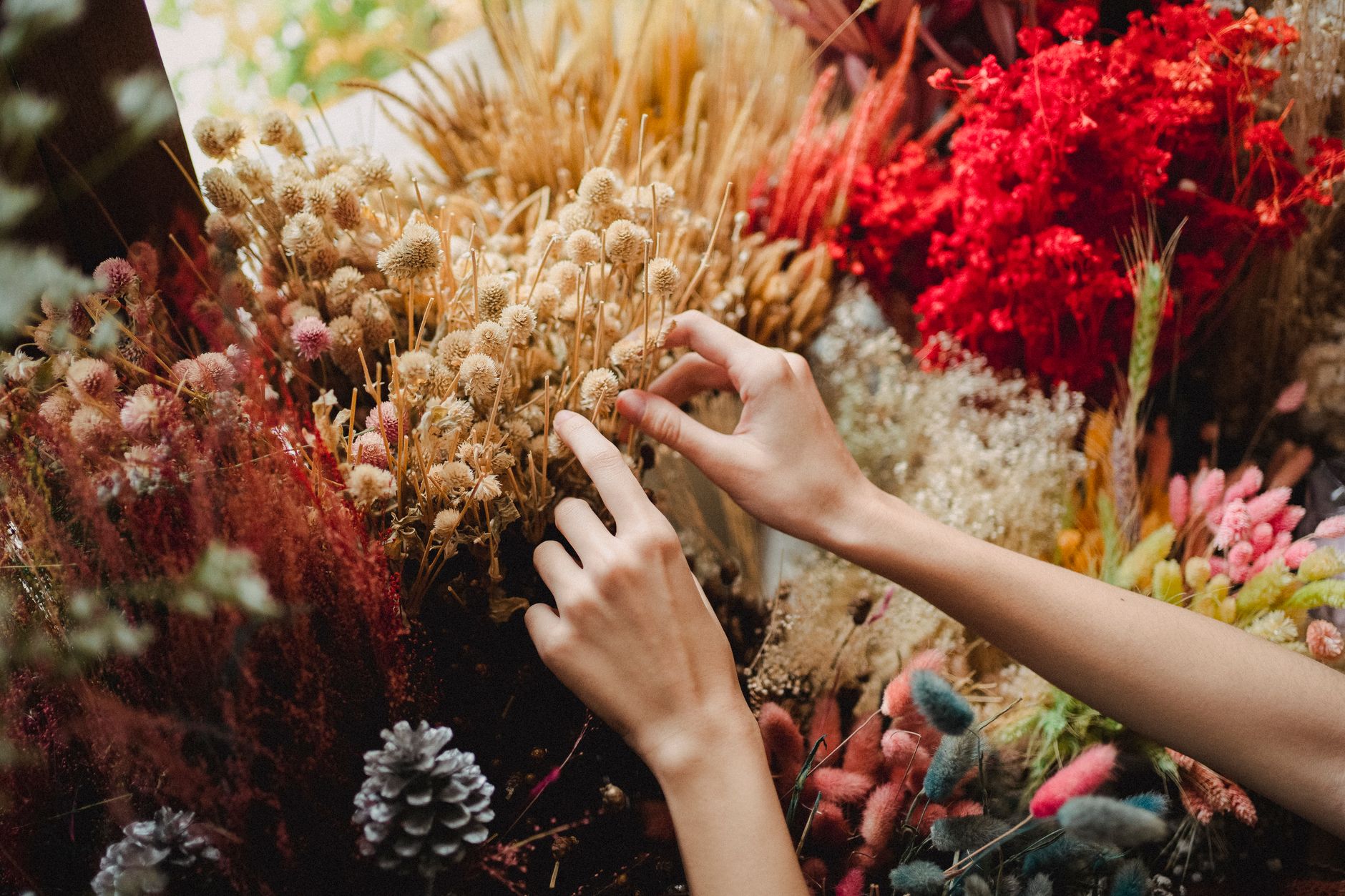
We start in a quiet studio space—a room off a lane in the old quarter or a calm garden room in the countryside, depending on location—with tea or water and a brief explanation of ikebana philosophy in English. You'll see examples of the three main schools (Ikenobo, Ohara, Sogetsu) so you understand the range. Then we move to your workstation: you'll receive a ceramic or bamboo vase, fresh flowers (seasonal stems, branches, and foliage selected that morning), and scissors. A host walks you through cutting angle, stem length, and the rule of thirds—how to position shin (tallest), soe (medium), and hikae (shortest) to create visual flow. You work at your own pace; beginners spend 60–90 minutes arranging. We step in only to adjust your grip or suggest a angle, never directing your design. At the end, you photograph your work, and we pack it safely so you can carry it back or display it in your room.
What Should Indian Travelers Expect: Beginner Worries and How We Adapt
Many Indian travelers worry they'll "get it wrong"—that there's a single correct answer. Ikebana has rules, yes, but the real skill is making intentional choices. We frame it as learning a language, not copying a template. If you have arthritis or limited hand strength, we use lighter stems, pre-cut some material, and adjust vase height so you're not hunching. Left-handers get scissors and full space on their side. If you're used to bright, dense flower arrangements, don't expect Instagram-style color—ikebana often uses one or two blooms plus branch work, and the vase emptiness is the point. Guests nervous about "wasting" flowers see firsthand that each stem has a role; nothing is excess.
We also adapt for allergies: if you're sensitive to certain pollen, tell us on WhatsApp, and we'll source alternatives. Sessions work equally well solo, as a couple, or in a small group—though groups of more than five benefit from a second host to give individual feedback.
Ikebana vs. Other Flower Arranging: Which Fits Your Travel Style?
| Style | What You Learn | Time | Best For | Takeaway |
|---|---|---|---|---|
| Ikebana | Balance, asymmetry, negative space, plant anatomy | 2–3 hours | Meditative, philosophical travelers | One finished arrangement |
| Western floral design | Color theory, density, commercial floristry | 2–3 hours | Collectors who love color and volume | One large bouquet |
| Seasonal Vietnamese arrangement | Local flowers, market sourcing, quick techniques | 2 hours | Practical, market-curious visitors | Market knowledge + arrangement |
Ikebana suits you if you want slowness and philosophy. If you love bright color and abundance, you might prefer other flower arranging workshops in Vietnam that blend local and Western techniques. Many travelers do both in one trip.

When and Where Can You Take Ikebana in Vietnam?
Ikebana classes run year-round in Hanoi and Hoi An. Hanoi sessions are often based in a family kitchen or garden room in the old quarter or western lake area; Hoi An classes run in a peaceful space near the ancient town but away from crowds. Spring (Feb–April) offers the widest flower variety; autumn (Sept–Nov) brings cool weather and beautiful branch work. Rainy season (May–Sept) doesn't cancel classes—we simply source flowers that morning and work indoors. If you're traveling with family, family-friendly experiences like ikebana work for kids aged 10+ (though they may finish in 90 minutes rather than three hours).
We also offer group and corporate sessions—several couples or a small team can do a shared class, which deepens the learning through gentle peer observation.
How to Prepare: What to Wear, Bring, and Know Beforehand
Wear comfortable clothes with sleeves you can roll up—water and plant sap occasionally splash. Closed shoes are safer than sandals (dropped stems). Bring nothing; we provide all materials. Tell us on WhatsApp beforehand if you have hand or wrist pain, flower allergies, or specific flower preferences (some travelers ask for no white blooms, for example, due to cultural associations). Arrive 10 minutes early so we can settle and answer quick questions about the school style or philosophy. Bring a small bag or ask us to wrap your finished arrangement in paper so it travels safely in a suitcase or daypack.
If you're in Vietnam for longer, consider pairing ikebana with Vietnamese tea experiences or art and culture classes—many travelers find they complement each other well, both emphasizing presence and craft.
A Decision Framework: Is Ikebana Right for You?
Ask yourself these three questions:
- Do you want to slow down? Ikebana takes 2–3 hours and rewards patience. If you're rushing between ten attractions a day, book it for a quieter afternoon.
- Are you curious about Japanese philosophy or aesthetics? If yes, ikebana will feel meaningful. If you're purely looking for a pretty photo, Western floral design might feel more rewarding.
- Can you handle a little uncertainty? There's no single "correct" answer in ikebana—only intentional choices. Some learners find that liberating; others want clearer rules.
If you said yes to at least two, book a session. If you're unsure, ask us on WhatsApp—we can explain the philosophy and help you decide whether ikebana or another flower arranging workshop suits your style.
What to Check Before You Book
- Confirm the location (Hanoi or Hoi An) and travel time from your accommodation. Sessions are walkable from the old quarters but take 10–20 minutes from major hotels.
- State any flower allergies or hand issues so we source and prep materials safely.
- Ask whether the session includes tea or refreshments. Many do, but clarify on WhatsApp.
- Check cancellation policy if rain is a concern (it's not—we run indoors—but confirm in advance).
- Verify group size if you're booking for multiple people; private sessions and small groups have different flows.
Ask us for dates and a quote on WhatsApp to confirm all details.
See how a session runs

FAQ
Do I need any experience with flowers or plants to join an ikebana class?
No. Every learner starts at zero. Ikebana teaches you how to see and cut plants—not assume you already know. We adapt each step for beginners, and the philosophy is more important than technique.
How long does the arrangement I make last once I take it home?
With proper care—water changed daily, stems re-cut every two days, kept out of direct sun—a freshwater ikebana arrangement lasts 7–10 days. We'll show you the care routine before you leave.
Is ikebana the same as the flower arranging I see in Vietnamese markets?
No. Vietnamese market flowers are sold for daily use, often densely packed. Ikebana is a disciplined art form with 600 years of philosophy behind it. We offer both flower arranging experiences, so you can compare and choose.
Can I do an ikebana class if I have limited hand strength or arthritis?
Yes. We adapt scissors, vase height, stem weight, and pre-cut material as needed. Tell us on WhatsApp beforehand so we prepare properly.
What happens if I don't like my arrangement at the end—can I redo it?
You can make small adjustments within the last 20 minutes. Ikebana teaches intentional choice, not perfection. Many learners say their "imperfect" arrangements feel more personal and memorable than they expected.
Is there a private option if I'm traveling alone and prefer not to join a group?
Yes. Private one-on-one ikebana classes run at the same price as group classes; ask us for dates and a quote on WhatsApp to confirm scheduling and location options.
Ask about dates
Tell us the city, your dates and what you would like to try. We reply on WhatsApp in English with options and availability.
FAQ
Do I need any experience with flowers or plants to join an ikebana class?
No. Every learner starts at zero. Ikebana teaches you how to *see* and *cut* plants—not assume you already know. We adapt each step for beginners, and the philosophy is more important than technique.
How long does the arrangement I make last once I take it home?
With proper care—water changed daily, stems re-cut every two days, kept out of direct sun—a freshwater ikebana arrangement lasts 7–10 days. We'll show you the care routine before you leave.
Is ikebana the same as the flower arranging I see in Vietnamese markets?
No. Vietnamese market flowers are sold for daily use, often densely packed. Ikebana is a disciplined art form with 600 years of philosophy behind it. We offer both [flower arranging experiences](/flower-arranging), so you can compare and choose.
Can I do an ikebana class if I have limited hand strength or arthritis?
Yes. We adapt scissors, vase height, stem weight, and pre-cut material as needed. Tell us on WhatsApp beforehand so we prepare properly.
What happens if I don't like my arrangement at the end—can I redo it?
You can make small adjustments within the last 20 minutes. Ikebana teaches intentional choice, not perfection. Many learners say their "imperfect" arrangements feel more personal and memorable than they expected.
Is there a private option if I'm traveling alone and prefer not to join a group?
Yes. Private one-on-one ikebana classes run at the same price as group classes; ask us for dates and a quote on WhatsApp to confirm scheduling and location options.
More like this
Flower arranging workshops
Flower Arranging Workshop Ho Chi Minh City: How to Book
A flower arranging workshop in Ho Chi Minh City teaches you to design seasonal arrangements in a calm studio setting. We run small-group and private sessions with English-speaking hosts who walk you through technique, flower choice, and how to make arrangements last.
Flower arranging workshops
Flower arranging workshop in Ninh Binh for couples
A flower arranging workshop in Ninh Binh lets couples create an arrangement together in a calm setting, learning Vietnamese design principles while working with seasonal blooms.
Flower arranging workshops
Flower Arranging Workshop in Mekong Delta for Foreigners
We run intimate flower arranging workshops in family-owned gardens and workshops across the Mekong Delta, where you'll learn seasonal design by practicing alongside our hosts. Pick your own blooms, arrange three pieces, and take them home.