
Home › Blog › Experiences for families and kids
Kids cooking class in Ho Chi Minh City: hands-on learning
By the Cáo Experiences team · 2026-11-06
A kids cooking class in Ho Chi Minh City with Cáo Experiences is a 2.5-hour small-group session where children aged 6–14 learn to prepare, cook, and eat real Vietnamese dishes in a real home kitchen in a quiet lane off the old quarter. Each child rolls spring rolls by hand, stirs wok vegetables, and learns basic knife skills suited to their age. We include all ingredients, English-speaking guidance, water and fruit, and they eat everything they've made. Classes run mornings or afternoons on flexible dates; we accommodate allergies, dietary needs, and different skill levels—beginners feel as welcome as confident young cooks. Ask us for dates and a quote on WhatsApp to check availability and fit your family's schedule. Ask about dates on WhatsApp
What does a children's cooking class actually include?
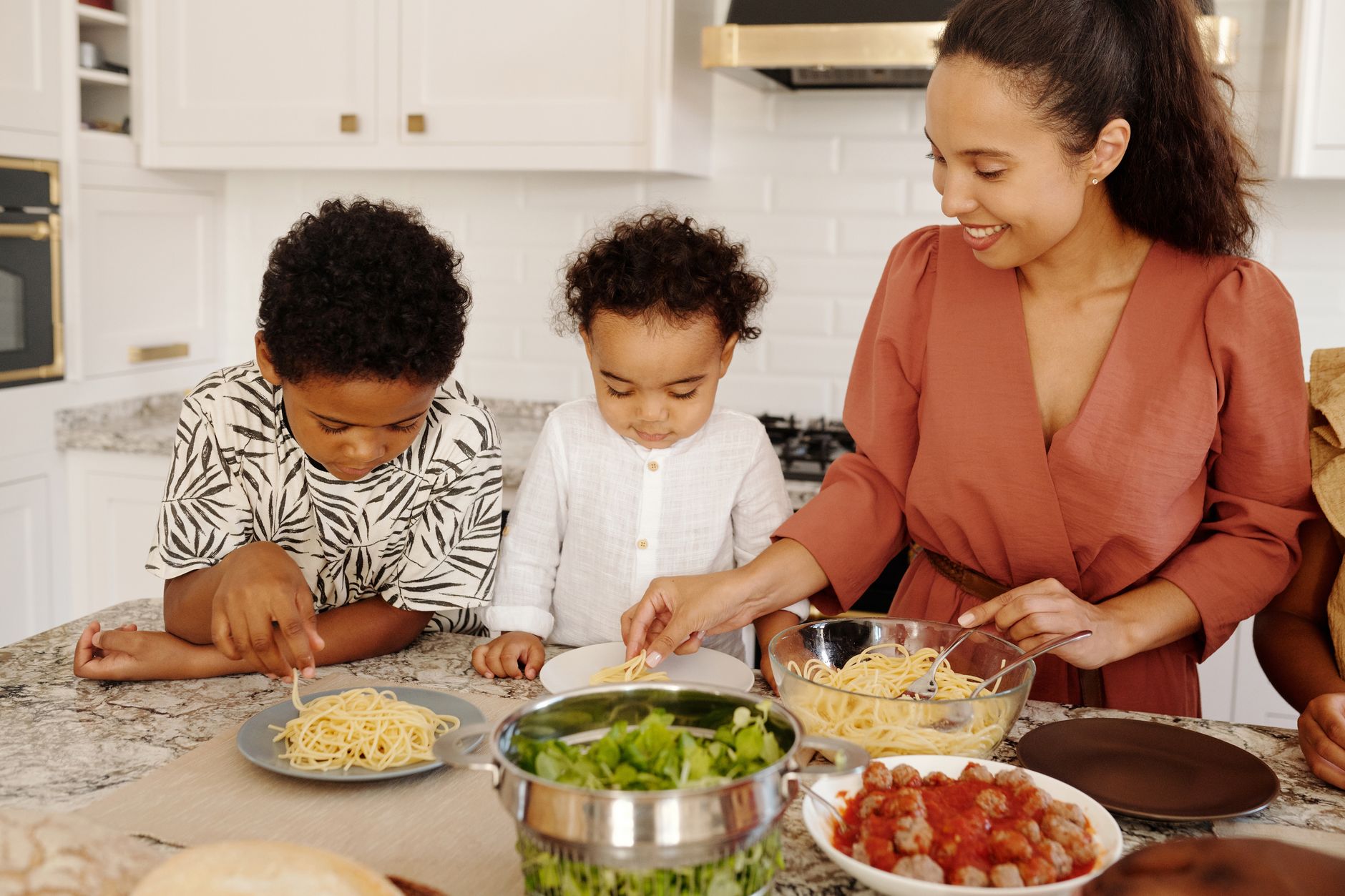
We meet families at a family kitchen in a residential lane off the old quarter around 9 a.m. or 2 p.m. depending on what suits you. Your child receives an apron, a small cutting board, and a knife scaled to their hand size—not a full-size knife. We set up a low work counter so children can see and reach comfortably. Over 2.5 hours, they prepare a spring roll station (rolling by hand, learning the wrap-fold technique), a stir-fry course where they stand on a sturdy step stool to reach the wok safely, and a soup or simple sauce element. At the end, they sit down and eat a full meal together with other children and us. We provide water, fresh fruit, and napkins. Allergies, vegetarian needs, and ingredient dislikes are handled when you message us—we swap ingredients without fuss.
Which age group learns best, and who should skip it?
Children aged 6–9 excel at rolling, tearing herbs, and stirring under hand-over-hand guidance; they tire around hour two, so shorter focus tasks help. Ages 10–14 tackle knife skills faster, ask more questions about flavors, and enjoy the full cooking arc. Children under 5 find the heat, height, and timing frustrating—we've seen more tears than smiles below that age, so we're honest about the fit. If your child has severe sensory sensitivities to heat, noise, or unexpected splashes, a cooking class may feel overwhelming; a flower arranging workshop or art class often suits them better. Parents can observe or step out; many choose to sit nearby with a coffee and chat with us between tasks.
What cooking skills will my child actually master?
Rolling a spring roll—the hand motion, the fold, the seal—becomes automatic after making four or five by touch. Many children feel proud rolling their tenth and keeping it neat. Stir-frying teaches them to listen for the sizzle, feel the heat on their face, and move a spatula in a figure-eight pattern without dropping food. They learn that garlic smells one way raw and another way cooked, and that vegetables change color and texture. We don't aim for restaurant-grade results; we aim for them to understand that their hands can make something edible and that flavors come from technique, not magic. Most children leave knowing they can roll, chop softly (not finely), stir without fear, and taste the salt and heat in a finished dish.
How do we adapt for beginners versus confident kids?
A nervous six-year-old gets to stand next to us while we guide their hands through rolling, and they make one perfect roll they're proud of. A confident ten-year-old rolls three by themselves with light feedback, and if they finish early, they help roll for younger children or practice knife technique on soft vegetables. We never rush anyone or compare kids to each other. If a child struggles with scissors, we hand them a knife instead—or vice versa. If they hate cilantro, we show them where it goes and let them skip it. If they want to taste the fish sauce and make a face, that's the whole lesson right there: they've learned what fish sauce is. We mix ages in the same class; older children often naturally help younger ones, which builds confidence for both.
What if my child has allergies or won't eat certain things?
Message us before booking with any allergies or strong dislikes. We source fresh ingredients and can swap or omit almost everything except the core cooking technique. A child allergic to shellfish learns the same stir-fry using chicken or tofu. One who won't eat cilantro simply doesn't add it to their bowl. A peanut allergy means we use a different oil or protein base. We keep our kitchen free of cross-contamination risk by using separate cutting boards, and we read labels on all packaged items. No child has ever left hungry because we couldn't accommodate them—we adapt the meal, not the experience.
What's the real difference between cooking with a parent and a cooking class?
At home, a parent often takes over when things get slow—they chop, you watch, then you eat. In a class, your child is always the one doing. They chop (slowly), they pour (carefully), they taste and decide if it needs salt. There's no rush, and three other children are doing the same thing at the same time, so waiting feels normal. A trained host guides them without jumping in; you see where they're uncertain and where they're confident. By the end, they've cooked a real meal in a real kitchen with real heat, not a demo. They talk about it for days because they made it themselves, and they did it around other kids, which changes how they remember it.

How do we handle rainy days or scheduling changes?
Ho Chi Minh City's rain is heavy and sudden. If a class day looks impassable by morning, we message to reschedule—we've never had to cancel; we just shift the date. The kitchen stays dry, and we keep classes small, so moving a group is easy. If your family needs to move a booking forward or back, tell us via WhatsApp; we work around school calendars, travel plans, and unexpected illness without penalties.
Comparison: Kids cooking class, farm experience, and art workshop
| Option | Best for | Duration | Skill level | Why choose it |
|---|---|---|---|---|
| Kids cooking class | Ages 6–14, food-curious, learning by doing | 2.5 hours | Beginner to intermediate | Hands-on, eat what they make, builds confidence |
| Farm experience | Ages 5+, nature lovers, outdoors families | 3–4 hours | All levels | Space to run, fresh air, meet animals, harvest |
| Art class | Ages 6+, creative, low sensory thresholds | 2–3 hours | All levels | Calmer pace, take-home art, no heat or splashing |
What should you check before booking a cooking class?
Do this:
- Ask how many children per class (we keep it small—typically 4–6—so every child gets hands-on time).
- Confirm the kitchen is in a home or family space, not a commercial dining room (comfort matters for kids).
- Tell us about allergies, dislikes, and any mobility or anxiety concerns when you first message.
- Ask what they eat at the end; some classes teach cooking but serve a separate meal (we serve what they cooked).
- Check that an English-speaking host is there the entire time, not a translator passing messages (direct guidance is safer for kids).
- Confirm dates fit your schedule before payment; we adjust freely if plans change.
Don't assume:
- That your child will enjoy it if they won't eat what they cook (cooking skill ≠ appetite change, and that's fine).
- That younger siblings can tag along silently (we need to know all children attending so we scale instruction and portions).
- That a class fixes picky eating (it sometimes opens a door; it never forces a child to eat).
What kind of child thrives in a cooking class?
They usually:
- Like getting messy or don't mind it once they start.
- Want to help in the kitchen at home (even if they're not great at it yet).
- Are curious about where food comes from or how it tastes different in Vietnam.
- Enjoy standing still for 20–30 minutes but need movement between tasks.
They don't have to be:
- Confident cooks—most are trying cooking for the first time.
- Adventurous eaters—they learn to taste what they make, and that's enough.
- Fluent in English—we speak slowly and repeat, and other children help translate action.
- Organized or "well-behaved" in a formal sense—a little chaos is normal when four kids roll spring rolls at once.
How does a typical 2.5-hour morning session flow?
9:00–9:15. Arrival. We meet in a quiet residential kitchen. Children get an apron, wash hands, meet the host and each other. No PowerPoint, no prep talk—straight to the counter.
9:15–9:45. Spring roll station. Each child assembles a wet rice paper, fills it with lettuce, herbs, and cooked protein, and rolls it closed. We show the motion once; they do it five times. Their hands teach them the fold better than words.
9:45–10:15. Prep work and tasting. While rolls rest, children chop soft vegetables (tomato, cucumber) with butter knives or small blades. They taste raw garlic, raw ginger, and a leaf of basil to learn flavors. They ask questions: "Why is ginger hot? Why is cilantro so strong?" We answer honestly.
10:15–10:45. Wok cooking. One at a time, each child stands on a step stool at a hot wok, pours oil carefully, waits for the sizzle, and stirs vegetables or protein with a metal spatula. The host's hands guide their wrist the first time; the second time, they do it alone. They learn the sound of "ready."
10:45–11:00. Taste and eat. Everything lands on individual bowls or plates. They sit together, eat what they made, pour themselves water, and compare notes. "Mine's saltier—did I shake it more?" Real talk.
11:00–11:15. Pack-up and goodbye. We take a group photo if you want one. Children get a small printout of the recipes we used (simplified, with pictures) to show parents at home.
We run classes year-round in Ho Chi Minh City. Contact us to confirm dates that work for your family, check what ingredients we source that week, and discuss any concerns—allergies, anxiety, mobility, or siblings who want to join.
For a broader family experience overview, or to explore other options like a Vietnamese coffee workshop or street food tour that older kids enjoy, browse our full range. Every class is built around small groups and real learning, not performing.

FAQ
What if my child won't eat what they cook?
That's common and we expect it. The goal is learning to cook, not forcing them to eat. Many children taste it, decide they like it, and eat a full bowl. Others cook with pride and share with a sibling later. We never pressure kids to finish or try a bite.
How many children are in one class?
We keep classes small—usually 4–6 children—so every child gets hands-on time and doesn't feel rushed or watched by too many eyes. Per our standard ratio, no more than two children per host.
Do parents stay in the room?
Yes, you're welcome to watch from a chair in the corner, or you can step outside for a coffee and check in via WhatsApp. We encourage parents to observe at least the first 15 minutes so you see the pace and your child's confidence.
What if my child is shy or has never cooked before?
Most children in our classes have never cooked. Shyness is normal at first; by the spring roll station, they're focused on the task and forget to be self-conscious. We pair shy children with confident ones sometimes, or give them a quieter moment to roll alone first. No pressure.
Can we book a private class just for our family?
Yes. Private classes are more flexible on dates, timing, and menu—you can request specific dishes or ingredients. Ask us for a quote and availability on WhatsApp.
What should my child wear?
Comfortable clothes they don't mind getting splashed—water, oil, and spices happen. No flowing sleeves that catch on the stove. We provide aprons. Closed-toe shoes are safe around the hot wok; flip-flops are fine for sitting down to eat.
Ask about dates
Tell us the city, your dates and what you would like to try. We reply on WhatsApp in English with options and availability.
FAQ
What if my child won't eat what they cook?
That's common and we expect it. The goal is learning to cook, not forcing them to eat. Many children taste it, decide they like it, and eat a full bowl. Others cook with pride and share with a sibling later. We never pressure kids to finish or try a bite.
How many children are in one class?
We keep classes small—usually 4–6 children—so every child gets hands-on time and doesn't feel rushed or watched by too many eyes. Per our standard ratio, no more than two children per host.
Do parents stay in the room?
Yes, you're welcome to watch from a chair in the corner, or you can step outside for a coffee and check in via WhatsApp. We encourage parents to observe at least the first 15 minutes so you see the pace and your child's confidence.
What if my child is shy or has never cooked before?
Most children in our classes have never cooked. Shyness is normal at first; by the spring roll station, they're focused on the task and forget to be self-conscious. We pair shy children with confident ones sometimes, or give them a quieter moment to roll alone first. No pressure.
Can we book a private class just for our family?
Yes. Private classes are more flexible on dates, timing, and menu—you can request specific dishes or ingredients. Ask us for a quote and availability on WhatsApp.
What should my child wear?
Comfortable clothes they don't mind getting splashed—water, oil, and spices happen. No flowing sleeves that catch on the stove. We provide aprons. Closed-toe shoes are safe around the hot wok; flip-flops are fine for sitting down to eat.
More like this
Experiences for families and kids
Family workshop Vietnam vs Thailand: where to take kids in 2026
Vietnam and Thailand both offer immersive family workshops, but the pace, cost structure, and focus differ significantly. We run both types of sessions at Cáo Experiences and can help you choose.
Experiences for families and kids
Family Workshop Vietnam Gift Voucher: What Works Best
A family workshop gift voucher in Vietnam lets relatives experience cooking, craft, horse riding or tea together—no tickets, no queues, real hands-on time. We help you pick the right session type and duration for the ages and interests in your group.
Experiences for families and kids
Family workshops in Vietnam for Indian travelers: what to expect
Indian families visiting Vietnam often wonder how to keep children engaged and learn something authentic together. Cáo Experiences runs small-group and private workshops—cooking, coffee, flower arranging, craft, and farm days—designed for kids, parents, and grandparents, hosted in English with real