
Home › Blog › Experiences for families and kids
Kids cooking class in Hoi An for foreigners: what to book
By the Cáo Experiences team · 2026-11-06
A kids' cooking class with Cáo Experiences is a 3–4 hour small-group session where children aged 5–16 learn to prepare 3–4 classic Vietnamese dishes in a family kitchen in a laneway near Hoi An's old quarter, in English. We meet around 8:30 a.m. or 2 p.m., start with market chat or kitchen prep, then work through recipes together—chopping herbs, mixing sauces, tasting as we go—and eat what everyone cooked. No experience needed. Kids sit at the counter or stand on stools to reach; we adapt recipes for allergies and picky eaters. We handle safety (sharp knives stay with us or are child-safe); you bring enthusiasm. Beginner families worry they'll slow the class down or kids will get bored—we design each dish to match attention spans and give younger kids the fun jobs (rolling, stirring, tasting). Rain moves us inside the same kitchen; nothing changes except the view. Ask us for dates and a quote on WhatsApp.
What does a kids' cooking class actually look like, hour by hour?
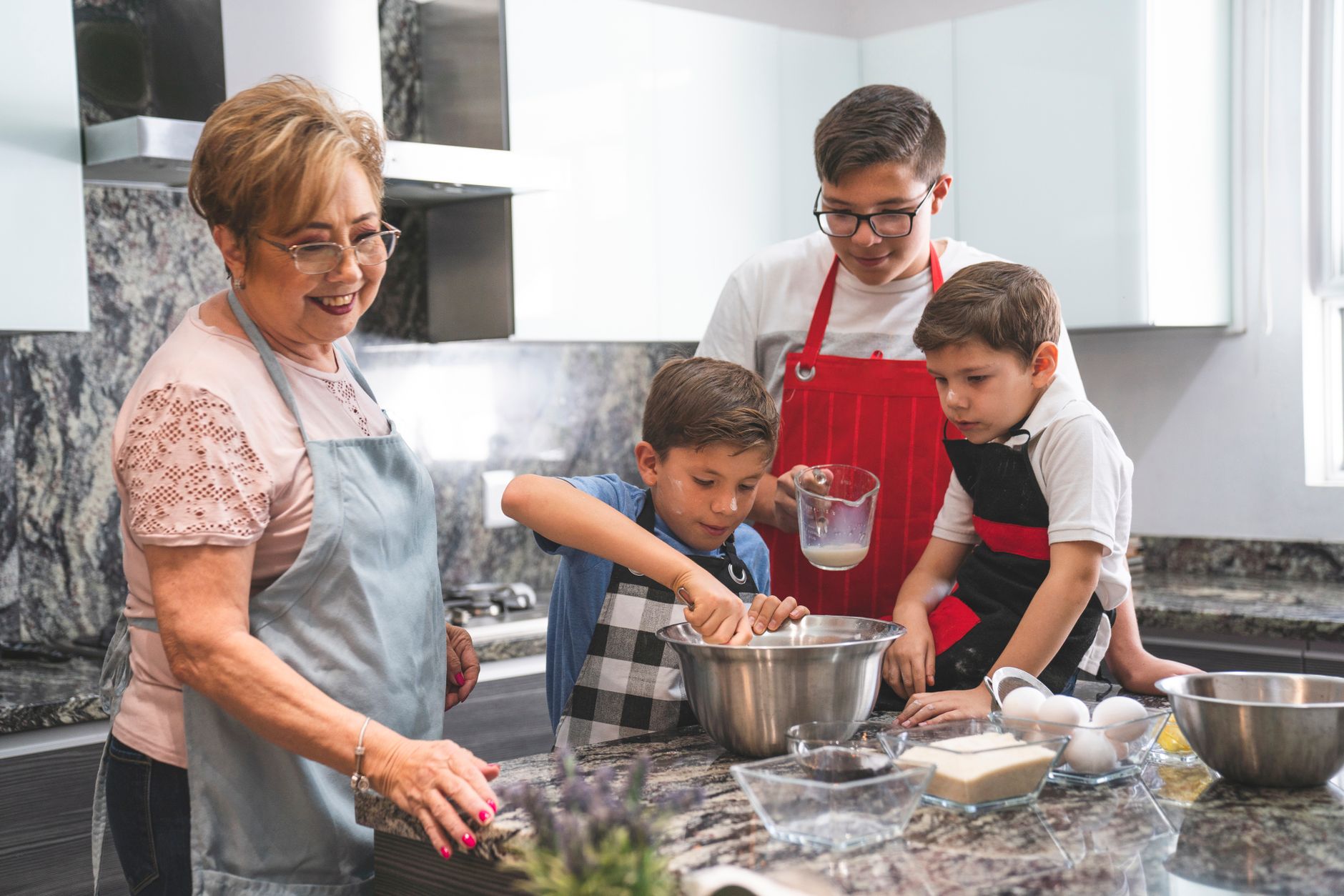
You arrive 10 minutes early (family kitchen in a side lane; we text the exact location on WhatsApp). Kids wash hands. We sit down with a cup of water or juice and talk about what we'll cook today—maybe spring rolls, a soup, stir-fried greens, and a simple dessert. Then we move to the counter. One adult or older child might begin rolling spring rolls while another learns to julienne vegetables under our guidance. We stay close, watch hand placement, and swap tasks every 10–15 minutes so no one gets frustrated or bored. By 11:30 or 3:30, the first dishes are nearly done; we set the table, plate everything up, and eat together. We chat about flavors, ingredients, and how Vietnamese families cook at home. You go home fed, with photos, and a sense of what your kid can now actually do in the kitchen.

Who is a kids' cooking class best for, and who should consider something else?
Kids aged 5–8 love the sensory parts—cracking eggs, tearing herbs, tasting sauces. Kids 9–14 want to feel competent; they'll remember the recipe and the feeling of having cooked a real meal. Teens (15–16) often enjoy learning technique and understanding food culture; some take photos for social media or come back with siblings. Single kids, family groups, multigenerational groups, and homeschool trips all fit here. Parents or grandparents usually watch from the kitchen counter, learning alongside or just enjoying the energy. If your child is very anxious about new adults, has severe allergies we can't accommodate, or has mobility needs, tell us before you book so we can prepare or suggest an alternative like a private family cooking session or a slower-paced coffee workshop for your group. If your kid is picky about food, a cooking class often flips that—they try their own dish because they made it.
How do we handle allergies, picky eaters, and kids with different confidence levels?
We ask for allergies and dietary needs when you message us on WhatsApp. Peanut allergies, nut allergies, and shellfish restrictions are the most common; we source ingredients to suit and substitute without drama. Vegetarian and vegan kids cook the same classes—we swap fish sauce or shrimp paste for soy-based versions. Soy or gluten allergies are harder but possible; we can adapt a dish or replace it. Kids who don't eat spicy food get milder sauces to taste; kids who eat everything add extra chili. Beginners get the safest, most forgiving tasks first (tearing basil, mixing a sauce). Kids who've cooked before get to try the knife work or lead a team rolling dumplings. We've run sessions with kids who'd never held a knife and kids who'd cooked with grandparents at home. The meal at the end normalizes trying something new; peer pressure helps—if the 7-year-old next to you loved the dish, you often will too.
What should you bring, wear, and prepare before the class?
Kids should wear clothes they don't mind getting splashed—oil, turmeric, and soy sauce stain. No loose sleeves or long necklaces (safety around heat and chopping). Closed-toe shoes are safest. Bring a small bag for takeaway containers (if kids want to take home leftovers). You don't need to bring ingredients, pots, or knives—we have everything. A camera or phone to take photos is common. If your child takes medication or has any behavioral needs we should know about, tell us on WhatsApp. For young kids (under 8), one adult per 1–2 children works best; we manage a whole group, but a parent in the kitchen makes kids feel safer. Plan to arrive 15 minutes early so kids can use the bathroom and settle. We finish around 11:45 a.m. (morning class) or 4:30 p.m. (afternoon). Transport yourself back to your hotel; we don't arrange pickups.
How does a kids' cooking class differ from a family cooking experience or a street food tour?
| Experience | Best for | Focus | Why choose it |
|---|---|---|---|
| Kids cooking class | Kids 5–16, families | Learning one or two dishes deeply, technique, tasting | Kids lead; hands-on; takes home a skill and memory |
| Family cooking session | Adults + kids, slow pace | One dish, more relaxed storytelling, longer chat | No pressure; flexibility; adults learn as much as kids |
| Street food + market tour | Kids 8+, adventurous eaters | Tasting 6–8 dishes across Hoi An, meeting vendors, walking | Quick variety; outdoor; cultural immersion; less active cooking |
A kids' cooking class puts the child in charge—they stir, roll, and taste. A family session is slower and often includes a parent cooking alongside. A street food tour is about eating and exploring, not cooking. If you want your kid to build kitchen confidence, choose the class. If you want to relax and taste food without much activity, choose the tour. If you want the whole family learning together calmly, pick the family session.
What to check before you book a kids' cooking class
1. Age and skill match: Is your child excited about food or curious about it? Kids as young as 5 can roll spring rolls with help; kids 13+ can handle more knife work. Ask yourself: will my kid be bored watching others, or will they enjoy the sensory play and the meal?
2. Allergy and dietary needs: List every allergy, aversion, and preference on WhatsApp. Don't assume we know. Common questions: Can we do this without seafood? (Yes, easily.) Without garlic? (Harder, but yes.) Vegan? (Yes.) Gluten-free? (We can adapt most dishes.)
3. Group size and personality: Small groups (4–8 kids) run smoother. Large groups (10+) split attention. If your child is shy around strangers, mention it; a private class ask us on WhatsApp might suit better.
4. Transportation and timing: Morning (8:30 a.m.) vs. afternoon (2 p.m.)—which fits your hotel schedule and when your kid is alert? We don't provide transport; book a taxi or hotel car.
5. Language: We teach in English, speaking slowly and checking understanding often. Kids pick up Vietnamese dish names and a few cooking verbs. Not a language class, but language-friendly.
6. Weather and backup plan: Rain doesn't cancel. The kitchen is indoors, roofed, and warm. We'll have tissues and towels. No outdoor component gets wet.
7. Photos and social media: We take photos during the class. You can ask us not to, or not to post them. Let us know on WhatsApp.

FAQ
What age is too young to cook in a kids' cooking class?
Five-year-olds can join if an adult sits beside them. They won't use knives but can tear herbs, stir gently, taste, and roll spring rolls. Kids under 5 often find 3 hours boring; we suggest waiting or booking a private adult-led session instead.
Can we book a private class instead of joining a group?
Yes. Private classes run the same way but suit your schedule and allergies exactly. WhatsApp us your dates, group size, and dietary needs; we'll quote you.
What if my child doesn't like to eat?
Cooking often changes that because they're invested in the dish. We taste throughout, not just at the end. If your child refuses to try anything, that's okay—we won't force it. Many kids surprise themselves.
Do parents or grandparents cook too, or just watch?
Either. Most sit at the kitchen counter, chatting with us and each other, and try everything at lunch. Some jump in and help if their kid needs encouragement. Your call.
What happens if my child has a peanut allergy? Do you cook with peanuts?
We cook without peanuts if you tell us in advance. We check every ingredient and keep peanut-free tools separate. Peanut allergies are manageable; other allergies, ask on WhatsApp so we can confirm.
Can we do this in the afternoon instead of morning?
Yes. We run afternoon classes at 2 p.m. Some families prefer this because kids are awake later in the day, or your hotel schedule is easier. Ask us for afternoon dates.
Do we take home the food we cook?
You eat it fresh in the kitchen with us. We give takeaway containers if there's leftovers and kids want to take them back. Most food is eaten during the class.
Is this class available year-round, or only in certain seasons?
We run classes most weeks, subject to demand and holidays. December–February and September–October are busiest. Summer can be hot; some families prefer spring or fall. Message us your preferred dates and we'll find the nearest one.
Ask about dates
Tell us the city, your dates and what you would like to try. We reply on WhatsApp in English with options and availability.
FAQ
What age is too young to cook in a kids' cooking class?
Five-year-olds can join if an adult sits beside them. They won't use knives but can tear herbs, stir gently, taste, and roll spring rolls. Kids under 5 often find 3 hours boring; we suggest waiting or booking a private adult-led session instead.
Can we book a private class instead of joining a group?
Yes. Private classes run the same way but suit your schedule and allergies exactly. WhatsApp us your dates, group size, and dietary needs; we'll quote you.
What if my child doesn't like to eat?
Cooking often changes that because they're invested in the dish. We taste throughout, not just at the end. If your child refuses to try anything, that's okay—we won't force it. Many kids surprise themselves.
Do parents or grandparents cook too, or just watch?
Either. Most sit at the kitchen counter, chatting with us and each other, and try everything at lunch. Some jump in and help if their kid needs encouragement. Your call.
What happens if my child has a peanut allergy? Do you cook with peanuts?
We cook without peanuts if you tell us in advance. We check every ingredient and keep peanut-free tools separate. Peanut allergies are manageable; other allergies, ask on WhatsApp so we can confirm.
Can we do this in the afternoon instead of morning?
Yes. We run afternoon classes at 2 p.m. Some families prefer this because kids are awake later in the day, or your hotel schedule is easier. Ask us for afternoon dates.
Do we take home the food we cook?
You eat it fresh in the kitchen with us. We give takeaway containers if there's leftovers and kids want to take them back. Most food is eaten during the class.
Is this class available year-round, or only in certain seasons?
We run classes most weeks, subject to demand and holidays. December–February and September–October are busiest. Summer can be hot; some families prefer spring or fall. Message us your preferred dates and we'll find the nearest one.
More like this
Experiences for families and kids
Family workshop Vietnam vs Thailand: where to take kids in 2026
Vietnam and Thailand both offer immersive family workshops, but the pace, cost structure, and focus differ significantly. We run both types of sessions at Cáo Experiences and can help you choose.
Experiences for families and kids
Family Workshop Vietnam Gift Voucher: What Works Best
A family workshop gift voucher in Vietnam lets relatives experience cooking, craft, horse riding or tea together—no tickets, no queues, real hands-on time. We help you pick the right session type and duration for the ages and interests in your group.
Experiences for families and kids
Family workshops in Vietnam for Indian travelers: what to expect
Indian families visiting Vietnam often wonder how to keep children engaged and learn something authentic together. Cáo Experiences runs small-group and private workshops—cooking, coffee, flower arranging, craft, and farm days—designed for kids, parents, and grandparents, hosted in English with real