
Home › Blog › Experiences for families and kids
Kids cooking class in Hue: hands-on sessions for families
By the Cáo Experiences team · 2026-11-06
At Cáo Experiences, we host small-group cooking classes for kids and families in Hue, typically running 2.5 to 3 hours in a real family kitchen in the old quarter or near the riverside. Children aged 6 and up work at child-height tables, learn to prepare two to three dishes (spring rolls, noodle soups, stir-fries), and eat together at the end. We adapt recipes for allergies, shorter attention spans, and skill levels—younger kids focus on rolling and stirring while older ones handle more knife work under close supervision. Groups stay small (4–8 children per session) so every child gets hands-on time, not just watching. Beginners and picky eaters are welcome; we've found that kids who wouldn't touch a vegetable at home often taste-test when they've made it themselves. Ask about dates on WhatsApp to check availability and get a quote tailored to group size and dietary needs.
What does a kids cooking class in Hue actually look like hour by hour?
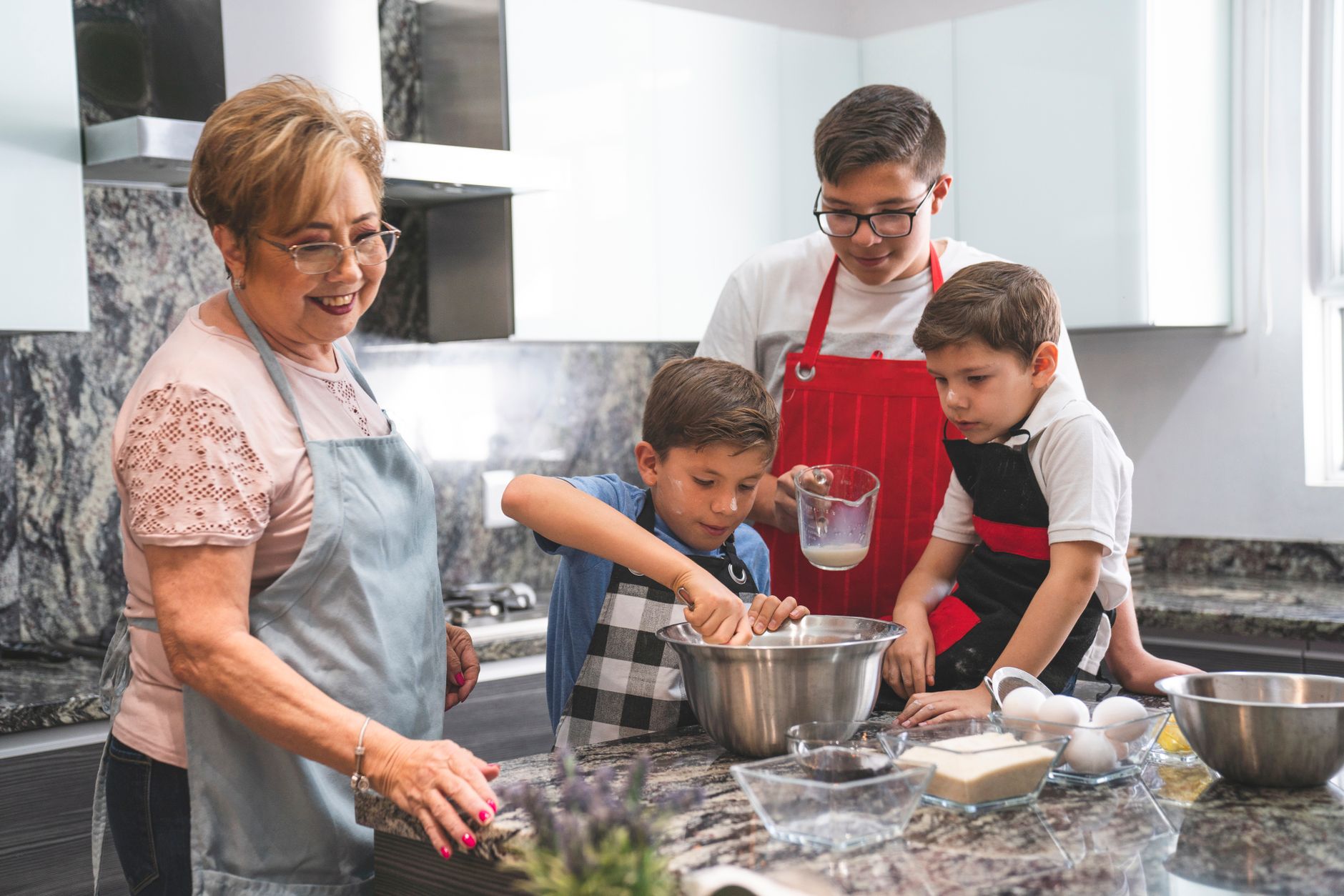
We start with a brief welcome and hand-washing at the sink, then move straight to prep: kids gather ingredients, smell the herbs, and touch the vegetables before cooking. For the first dish (usually spring rolls), they learn the fold, then roll 3–4 each while we circulate and fix tears without fussing. Halfway through, we take a water and snack break—especially important for children under 8. The second dish happens faster because confidence grows; kids are laughing, comparing their rolls, competing gently. We finish by setting the table together, plating, and eating in a relaxed, social way. No lecturing, no PowerPoint. Just real cooking, real mess, real food.

Why do parents choose a cooking class over other kids' activities in Hue?
Parents tell us they want their kids to taste authentic Vietnamese food, not restaurant versions, and to see how a home kitchen works. A cooking class is slower and less stimulating than a day trip to a crowded market—it's about focus, patience, and the satisfaction of making something edible. Kids remember the food they cooked for months afterward. Many parents also use it to get picky eaters interested in vegetables and fish. Unlike a one-off performance or craft session, cooking builds a real skill and confidence: the child walks away knowing they can make dinner, not just having made a souvenir.
How do we handle different ages and skill levels in one group?
We separate tasks by ability without making it obvious. A 6-year-old rolls spring rolls; an 11-year-old learns basic knife technique on soft vegetables. Both are working on the same dish, both feel included. We pair older kids with younger ones sometimes—peer teaching is powerful, and the older child feels responsible and proud. For very mixed groups, we run two slightly different recipes side by side, or adjust the cooking method: the younger group might tear herbs by hand while the older group minces them. Our hosts read the room and shift on the fly; we've done this enough to know when a child is losing focus and needs a different task, not more time on the same thing.
What if a child has a food allergy or doesn't eat meat?
We ask about allergies and dietary preferences during booking via WhatsApp. We then redesign the menu before you arrive—not as an afterthought, but as the plan. A vegetarian child makes a vegetable-focused noodle dish while others add fish sauce; a child allergic to peanuts works on the same spring rolls as everyone else but uses a peanut-free dipping sauce. We keep ingredients separated and use different cutting boards. Hue's cuisine has many meat-free or easily adapted dishes, so no one feels left out. We've never had a child go hungry or sit on the sideline.
How do we keep kids engaged and safe with sharp tools and hot surfaces?
Every child who uses a knife gets a demo and one-on-one supervision at the start. We use child-friendly knives (sharp enough to work, not sharp enough to slip easily) for softer vegetables. Hot wok work happens on our side; kids watch closely, ask questions, then handle tasting and plating once it's cooled slightly. We teach respect for heat and blades through calm repetition, not fear. Accidents in kids' cooking are rare because we don't rush, we stay close, and we've set up the kitchen to make mistakes low-stakes—a dropped roll is funny, not a disaster. Parents see us work and trust the setup within minutes.
What should families check before booking a kids cooking class in Hue?
Before you commit, confirm: (1) The age range. Is your child too young (under 6) or the group skewed much older or younger? Ask us to match ages or run a private session. (2) Dietary needs. Do you need vegetarian, gluten-free, or allergen-free versions? Tell us early; we adapt, but we need lead time to source or adjust. (3) Language. Our hosts speak English; kids follow by watching and doing as much as by listening. (4) Duration and time. Will your child hold focus for 2.5 hours, or do you need a shorter 1.5-hour session? We can adjust. (5) Messiness. Kids will get flour on their clothes and herbs under their nails. Bring something washable or old. (6) Group size. Private sessions suit very young kids (5–6) or nervous eaters; small groups (4–6) are ideal for confident kids. (7) What they take home. Kids eat the food at the end; there are no leftovers to pack or cook to take away. Manage expectations so there's no disappointment.
How does a kids cooking class in Hue differ from a family meal experience?
Family experiences in Hue range from market tours to shared meals to overnight farm stays. A cooking class is hands-on and active—your child is making the meal, not just eating it. A family meal experience might include a host's story, a wider tour of ingredients, or a longer table conversation. A Vietnamese cooking class for adults is deeper and slower; a kids' version moves faster, uses simpler techniques, and focuses on joy and confidence, not technique mastery. If you want your child to learn cooking skills, choose a class. If you want a broader cultural immersion or a multi-generational experience, consider a family-style meal or a farm and countryside experience where kids help pick vegetables and then eat them. Some families do both: they take a cooking class one day and a market tour the next.
What's the difference between a private kids cooking class and a small-group session?
| Setup | Group size | Best for | Pace | Feel |
|---|---|---|---|---|
| Small-group class | 4–8 kids | Confident kids, siblings, friends | Structured, demo then cook | Social, peer energy |
| Private session | 1–3 kids or 1 family | Very young kids, nervous eaters, special needs | Flexible, stops when the child stops | Intimate, one-on-one teaching |
Small-group classes are livelier and cheaper (ask us for a quote on WhatsApp); kids feed off each other's energy and eat more because their friends are eating. Private sessions let your host slow down for a shy child, adapt the menu in real time, and go deeper if a child is fascinated by one technique. Both happen in the same kitchen with the same host quality. Choose private if your child is under 6, has severe anxiety around food, or you want a family bonding day. Choose small-group if your child is social and you want them to meet other kids who cook.
What do kids say about a cooking class in Hue after it's over?
Kids remember the smell of fresh dill and fish sauce, the taste of their own spring roll, the moment they flipped the noodles in the wok (or tried to, and we caught the pan). They tell their parents, "I made this," with genuine pride. Some kids ask to cook the same dish at home for weeks. A few ask if they can come back for another class. We've had picky eaters taste a vegetable for the first time because they cooked it. We've seen shy kids open up in a kitchen because they're doing something, not being watched. Cooking is language-free, age-blind confidence-building. It's not a class that produces a certificate or a skill for a resume; it's a class that shifts how a kid feels about food and their own capability.
What if the weather is rainy during a kids cooking class in Hue?
Rain doesn't stop us; we're indoors in a kitchen. If the session was meant to include a market walk or garden visit beforehand, we adapt: we start with cooking instead, or source the ingredients ourselves and focus on the cooking. Hue's humidity and occasional rain don't close kitchens. The only rare disruption would be severe flooding (not typical during tourist season), in which case we'd reschedule via WhatsApp with no penalty. Otherwise, rainy weather makes the kitchen feel even cozier—the smell of cooking, the warmth, the sound of rain outside.
How does a kids cooking class connect to other Cáo Experiences in Hue?
Group and corporate experiences include team-building cooking challenges; a kids class is similar in structure but focused on joy and learning, not competition. Some families combine a cooking class with a street food tour to see where ingredients come from before cooking them. Others pair it with a Vietnamese coffee workshop for older kids (8+) who are curious about local culture. We also run craft workshops and flower arranging sessions; families sometimes book a cooking class one day and a craft the next. For a longer visit, a farm and countryside experience near Hue lets kids pick herbs and vegetables in the morning, then cook them for lunch—that's the full circle from soil to plate.
See how a session runs

FAQ
What's the youngest age for a kids cooking class in Hue?
We welcome children from age 6. Younger kids can join a private family session where they help with simple tasks (stirring, tasting, arranging on a plate) and parents supervise closely. For a small-group class, 6+ is the sweet spot because kids can follow multi-step instructions and use child-safe knives.
Do kids with no cooking experience at home need to prepare?
No. We assume zero experience and teach everything hands-on. Kids who've never rolled a spring roll in their life do it just fine because we demo slowly and stay close. Experience doesn't matter; willingness and curiosity do.
Can we request specific dishes or Vietnamese regions?
Yes. During WhatsApp booking, tell us your child's favorites or regions you're curious about. We can build a class around pho, banh mi, or southern-style curries. Hue itself is known for imperial cuisine, so we often lean into that, but we adapt based on interest and allergies.
Will my child actually eat what they cook?
Most kids do, especially if they're hungry and the food smells good. Some are cautious on the first taste. We don't force it; tasting is optional. Many kids who won't eat a dish at a restaurant will taste it after making it because they feel ownership. If a child refuses to eat, they still had the experience of making it, which is the real win.
How far in advance do we need to book?
We prefer 5–7 days' notice so we can confirm the host, reserve the kitchen, and plan for dietary needs. Shorter notice is possible if we have availability; ask us on WhatsApp. Last-minute bookings (1–2 days) might not work during high season but sometimes do in shoulder months.
Do parents stay in the kitchen during the class?
Yes, but we ask parents to step back and let their child lead. You're welcome to watch, take photos, and help if the host asks. Some parents sit at a side table and chat; others stand close and encourage. We manage the energy so it feels like the child's space, not the parent's, even though you're present for safety.
Ask about dates
Tell us the city, your dates and what you would like to try. We reply on WhatsApp in English with options and availability.
FAQ
What's the youngest age for a kids cooking class in Hue?
We welcome children from age 6. Younger kids can join a private family session where they help with simple tasks (stirring, tasting, arranging on a plate) and parents supervise closely. For a small-group class, 6+ is the sweet spot because kids can follow multi-step instructions and use child-safe knives.
Do kids with no cooking experience at home need to prepare?
No. We assume zero experience and teach everything hands-on. Kids who've never rolled a spring roll in their life do it just fine because we demo slowly and stay close. Experience doesn't matter; willingness and curiosity do.
Can we request specific dishes or Vietnamese regions?
Yes. During WhatsApp booking, tell us your child's favorites or regions you're curious about. We can build a class around pho, banh mi, or southern-style curries. Hue itself is known for imperial cuisine, so we often lean into that, but we adapt based on interest and allergies.
Will my child actually eat what they cook?
Most kids do, especially if they're hungry and the food smells good. Some are cautious on the first taste. We don't force it; tasting is optional. Many kids who won't eat a dish at a restaurant will taste it after making it because they feel ownership. If a child refuses to eat, they still had the experience of making it, which is the real win.
How far in advance do we need to book?
We prefer 5–7 days' notice so we can confirm the host, reserve the kitchen, and plan for dietary needs. Shorter notice is possible if we have availability; ask us on WhatsApp. Last-minute bookings (1–2 days) might not work during high season but sometimes do in shoulder months.
Do parents stay in the kitchen during the class?
Yes, but we ask parents to step back and let their child lead. You're welcome to watch, take photos, and help if the host asks. Some parents sit at a side table and chat; others stand close and encourage. We manage the energy so it feels like the child's space, not the parent's, even though you're present for safety.
More like this
Experiences for families and kids
Family workshop Vietnam vs Thailand: where to take kids in 2026
Vietnam and Thailand both offer immersive family workshops, but the pace, cost structure, and focus differ significantly. We run both types of sessions at Cáo Experiences and can help you choose.
Experiences for families and kids
Family Workshop Vietnam Gift Voucher: What Works Best
A family workshop gift voucher in Vietnam lets relatives experience cooking, craft, horse riding or tea together—no tickets, no queues, real hands-on time. We help you pick the right session type and duration for the ages and interests in your group.
Experiences for families and kids
Family workshops in Vietnam for Indian travelers: what to expect
Indian families visiting Vietnam often wonder how to keep children engaged and learn something authentic together. Cáo Experiences runs small-group and private workshops—cooking, coffee, flower arranging, craft, and farm days—designed for kids, parents, and grandparents, hosted in English with real