
Home › Blog › Experiences for families and kids
Kids Cooking Class in Mekong Delta: Hands-on Family Days
By the Cáo Experiences team · 2026-11-06
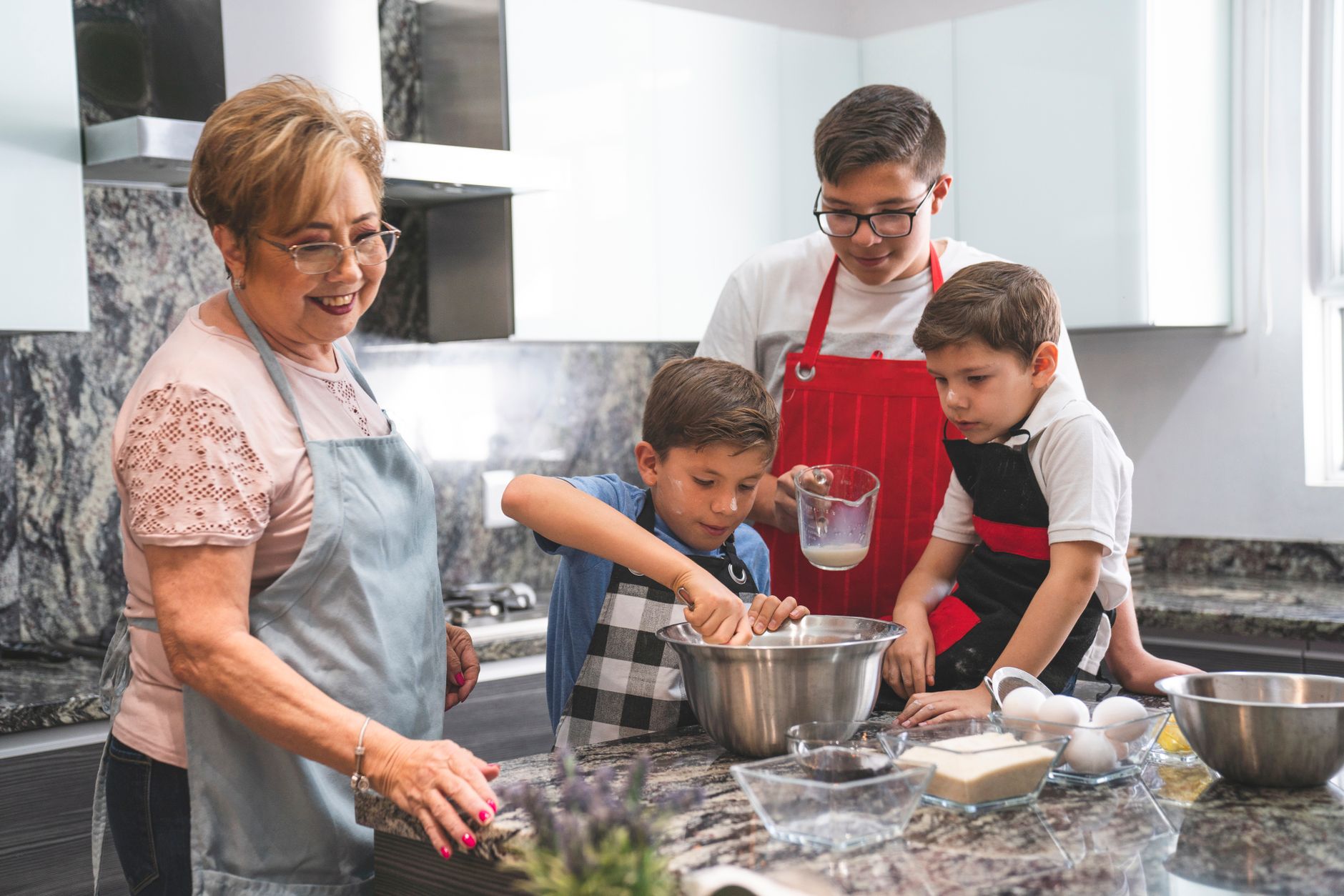
Children (ages 6–16 typically, though younger siblings come with adults) prepare 2–3 simple dishes—often fresh spring rolls, a stir-fry, and soup or dessert—with a local cook and an English-speaking guide. Groups are 4–8 people per session. Kids handle knife work (with guidance), stirring, tasting, and plating; no prior skill needed. You eat everything together at the family table. We adapt for dietary needs, left-handedness, and energy levels. Rainy days shift indoors or reschedule. Ask us for dates and a quote on WhatsApp—cost depends on group size and menu. --- Ask about dates on WhatsApp
What does a typical kids cooking session actually look like, hour by hour?
We meet families around 9 a.m. or 2 p.m. at a meeting point—usually a market or landing near the river. A short motorbike taxi or car ride (10–20 minutes) takes everyone to the family kitchen in the lanes behind the village. Kids arrive curious and a bit nervous; we settle them immediately by showing the ingredients spread on the counter. The first hour is ingredient intro and prep: we point out which herbs are which, let children smell lemongrass and touch fresh turmeric, and show them how the cook's knife works. No rushing; we talk about why each ingredient matters. By hour two, each child is holding a knife (dull practice knives first, then sharper ones with close support) and cutting vegetables. Parents or guides stand beside them. We prep spring rolls together: rolling, folding, tasting the filling raw—kids always want to taste. Hour three is the stove work. We do a shared stir-fry (one child at a time, adult right there holding the wok handle too) and a quick soup. The cook explains heat, timing, salt-tasting. Final 45 minutes: we set the family table, plate the food, and everyone eats together—this is the part kids remember most. No rushing, no plating for show; real family-style eating.

How do we adapt for kids who've never held a kitchen knife?
Beginners worry they'll be unsafe or slow the group down; both fears are backwards. We use soft-vegetable practice first—a onion or cucumber is easier to cut than carrot because it doesn't roll. A guide's hands are always nearby, never hovering uselessly but ready to steady the vegetable or guide the blade angle. We show the "claw grip" (fingers tucked, knuckles leading) and let kids practice on a cutting board with no audience pressure. Most 8-year-olds cut vegetables competently by hour two. We also give each child a specific job: one rolls spring rolls, one stirs, one tastes and reports back, one arranges the plates. Rotation happens naturally, so no one is bored or panicking. If a child is genuinely uncomfortable with knives, we shift them to rolling, whisking, or talking with the cook about where ingredients came from. We've never had a child leave without holding a tool. The real secret: a real cook teaching (not a class instructor performing), a 4–8 person group (not 20), and time. Rushing kills confidence.
Should your child go on this instead of a restaurant kids' cooking class?
| Factor | Family kitchen session | Restaurant cooking class | Village demo visit |
|---|---|---|---|
| Group size | 4–8, mixed ages | Often 12–20, same age | 10–30, passive |
| Actual cooking | Kids handle every step | Demo + tasting | Watch only |
| Eating together | Family table, real meal | Plated takeout box | Light sample |
| English guide | Yes, always | Sometimes | Depends |
| Rainy day backup | Indoors or reschedule | Usually proceeds | Cancelled often |
| Dietary changes | Easy, cook adapts | Harder, pre-set menu | Not possible |
| Time | 3–4 hours, no rush | 2 hours, timed | 1–2 hours |
| Fits kids age 5–8 | Yes, with adult help | Rarely | Yes, but passive |
A family kitchen session works best if your child wants to actually do cooking, eat at a real table, and spend time with a working cook—not a tourism performance. Restaurant classes suit older kids who want a polished dish to take home. Demo visits suit groups who are tired, busy, or want a quick look without the time commitment.
What do we change for younger siblings, picky eaters, and dietary needs?
Younger siblings (age 5–7) come along and participate at their level: they can roll spring rolls without cutting, stir under supervision, and taste everything. We don't exclude them; the cook is used to mixed-age families. Picky eaters are common; we ask about this before booking. The cook always has plain rice and an extra broth-only soup option. We don't force taste-testing, but we've found that kids who made something almost always try it—pride works better than pressure. For allergies (peanut, shellfish, dairy, gluten) we ask in detail before the session and adapt the menu entirely. If a child is vegan or cannot eat fish sauce, we source different proteins and a side-dish alternative. The cook has cooked for families with these needs before; it's never awkward. We've also had kids who are reluctant talkers or have sensory sensitivities—the one-on-one time in a small group with no performance pressure actually helps them relax. Rainy days: the kitchen has a roof and strong walls, so we cook indoors without changing the menu. If it's a flash flood or the family feels unsafe, we reschedule for the next available date.

Which dishes work best for kids, and how do they vary by location?
In the Mekong Delta, menus follow the seasons and what the family grows or catches. Spring (Jan–April): fresh herbs are abundant, so we make herb-heavy rolls, a green curry with chicken, and a chilled herb broth. Summer (May–Aug): we do more stir-fries with yard vegetables, fresh papaya salads, and ice-cream (kids love using a hand-churn in the heat). Autumn–winter: root vegetables, squashes, and longer-cooking soups become the focus. We always ask families what they actually cook at home—not what they think tourists want. A family that raises ducks makes duck soup; one that grows eggplant does an eggplant stir-fry. Kids learn real cooking, not a manufactured lesson. The cook also teaches why: "We don't have ovens here, so we use the wok for almost everything" or "Fish sauce is cheap and lasts, so every family has it." This context turns a cooking class into a window onto how people actually eat. Dishes are always mild enough for children (we adjust chilli separately), but not dumbed-down. A 10-year-old who makes a real Vietnamese soup feels competent, not patronized.
How do you choose between Delta, Hanoi, and Saigon kids classes?
The Mekong Delta class (our focus here) suits families who want rural, slow, and village-based—a morning or afternoon away from city noise. The landscape is flat, the pace is calm, and kids often see boats, fields, and animals along the way. Cooking happens in actual homes, not training centers. Best for ages 6–16, groups of 3–8, and families with 4+ hours to spend.
Hanoi and Saigon classes (run separately on our Hanoi and Ho Chi Minh City pages) are closer if you're based in a city, faster (often 2–3 hours), and sometimes happen in market-adjacent kitchens or small training spaces. They're good for kids who are tired, busy families, or travelers with a tight schedule. Saigon classes sometimes include a quick market walk before cooking.
The Da Lat class is mountain-based; kids cook with different produce (leafy greens, strawberries, cool-season herbs) in a similar home-kitchen style but with a colder climate feel.
Which to choose: if you have time and want the most immersive, low-pressure experience, choose the Delta. If you're in Hanoi or Saigon and have 2–3 hours, choose the city option. If your child loves flowers or wants a multi-activity day, pair a cooking class with a flower arranging workshop in Hanoi or a farm visit near Da Lat.
What to check before you book a kids cooking class
Confirm the group size and who else is coming. Ask if it's just families or mixed groups. Small (4–8) is better than large (15+) for hands-on learning.
Clarify the child's age and skill level. Tell us if your child has never held a knife, is very shy, or has severe food restrictions. We adapt; no surprises on the day.
Ask about the location and travel time. Is it a 10-minute drive or 45? Is the kitchen accessible (no steep stairs for younger kids)? Can you park near the family home?
Check the rainy-day plan. Is the kitchen indoors? Will the session reschedule or proceed no matter what? This matters in June–October when rain is heavy.
Confirm menu and dietary needs in writing. WhatsApp back-and-forth is fine, but get it in one message so nothing is forgotten. If the child is allergic, list all allergens and ask the cook to confirm.
Ask about photos and what to bring. Can you take pictures? Should the child wear old clothes (yes—stir-fries splash)? What about aprons or special shoes? Bring sunscreen, a hat, and water.
Know the group composition beforehand. Will it be family groups, or a tour group of adults? This changes the vibe. A family group is quieter and more flexible; a tour group is livelier but less personalized.
Clarify what the child takes home. Some classes send kids away with leftover dishes, a recipe card, or photos. Ask what to expect.
Pages from our team you may need
FAQ
What's the minimum age for a kids cooking class?
We welcome children from age 5, though a parent or guide sits next to them for knife work and stove time. Ages 6–16 work best for hands-on participation. Younger siblings under 5 can attend with a caregiver but won't cook.
Do kids have to eat everything they cook?
No pressure. Most kids want to taste what they made. If a child is picky, we always have plain rice and mild broth as backups. The cook is used to this.
How far from town is the family kitchen?
Usually 10–20 minutes by car or motorbike taxi from the meeting point. We choose kitchens on accessible roads, not deep in fields. Families with mobility concerns should ask in advance.
What if my child gets bored or wants to leave early?
We've rarely had this happen because kids are doing real work, not sitting in a classroom. If a child is genuinely unwell or overwhelmed, we can cut the session short. Always let us know beforehand if your child has short attention span.
Can I book a private class just for my family?
Yes. Private groups (just your family, 3–6 people) work well. The cook teaches the same way; the pace is entirely yours. Ask us for a private quote on WhatsApp.
What language do the guides and cooks speak?
Our guides speak fluent English. The cook speaks Vietnamese and some English words. Our guide translates everything—cooking tips, family stories, ingredient names.
Will my child learn enough to cook at home afterward?
Yes. We teach technique, not just recipes. Kids learn knife grip, heat control, seasoning by taste, and how to think about ingredients. Many go home and cook one of the dishes again with a parent.
Ask about dates
Tell us the city, your dates and what you would like to try. We reply on WhatsApp in English with options and availability.
FAQ
What's the minimum age for a kids cooking class?
We welcome children from age 5, though a parent or guide sits next to them for knife work and stove time. Ages 6–16 work best for hands-on participation. Younger siblings under 5 can attend with a caregiver but won't cook.
Do kids have to eat everything they cook?
No pressure. Most kids want to taste what they made. If a child is picky, we always have plain rice and mild broth as backups. The cook is used to this.
How far from town is the family kitchen?
Usually 10–20 minutes by car or motorbike taxi from the meeting point. We choose kitchens on accessible roads, not deep in fields. Families with mobility concerns should ask in advance.
What if my child gets bored or wants to leave early?
We've rarely had this happen because kids are doing real work, not sitting in a classroom. If a child is genuinely unwell or overwhelmed, we can cut the session short. Always let us know beforehand if your child has short attention span.
Can I book a private class just for my family?
Yes. Private groups (just your family, 3–6 people) work well. The cook teaches the same way; the pace is entirely yours. Ask us for a private quote on WhatsApp.
What language do the guides and cooks speak?
Our guides speak fluent English. The cook speaks Vietnamese and some English words. Our guide translates everything—cooking tips, family stories, ingredient names.
Will my child learn enough to cook at home afterward?
Yes. We teach technique, not just recipes. Kids learn knife grip, heat control, seasoning by taste, and how to think about ingredients. Many go home and cook one of the dishes again with a parent.
More like this
Experiences for families and kids
Family workshop Vietnam vs Thailand: where to take kids in 2026
Vietnam and Thailand both offer immersive family workshops, but the pace, cost structure, and focus differ significantly. We run both types of sessions at Cáo Experiences and can help you choose.
Experiences for families and kids
Family Workshop Vietnam Gift Voucher: What Works Best
A family workshop gift voucher in Vietnam lets relatives experience cooking, craft, horse riding or tea together—no tickets, no queues, real hands-on time. We help you pick the right session type and duration for the ages and interests in your group.
Experiences for families and kids
Family workshops in Vietnam for Indian travelers: what to expect
Indian families visiting Vietnam often wonder how to keep children engaged and learn something authentic together. Cáo Experiences runs small-group and private workshops—cooking, coffee, flower arranging, craft, and farm days—designed for kids, parents, and grandparents, hosted in English with real