
Home › Blog › Experiences for families and kids
Kids Cooking Class in Saigon for Foreigners: What to Choose
By the Cáo Experiences team · 2026-11-06
Cáo Experiences runs small-group and private Vietnamese cooking classes where kids (typically aged 6+) cook real dishes in a family kitchen in an inner-city lane, guided step-by-step in English by our hosts. Sessions last 2.5 to 3 hours and include shopping at a wet market, prep work, cooking two to three dishes (usually a soup, a stir-fry, and a fresh spring roll or dessert), and eating what they've made. Kids do the knife work, stirring, and seasoning themselves—we adapt tasks so younger children chop softer vegetables or manage heat while older ones handle precision cuts. No prior cooking experience needed. We work around allergies, vegetarian diets, and individual pace. Ask us for dates and a quote on WhatsApp to confirm timing and group size, as each session is tailored to the kids' ages and interests. Ask about dates on WhatsApp
Why does my 7-year-old worry about using a knife?
Most kids that age are nervous their first time holding a chef's knife. We give them a smaller, duller blade designed for children, and stand right beside them—not watching from a distance. They practice on vegetables that don't fight back: sweet potato, cucumber, cabbage. Within 10 minutes of the lesson, they're surprised at how steady their hands are. By the time they're rolling spring rolls or stirring a hot wok (with us controlling the flame), confidence replaces fear.
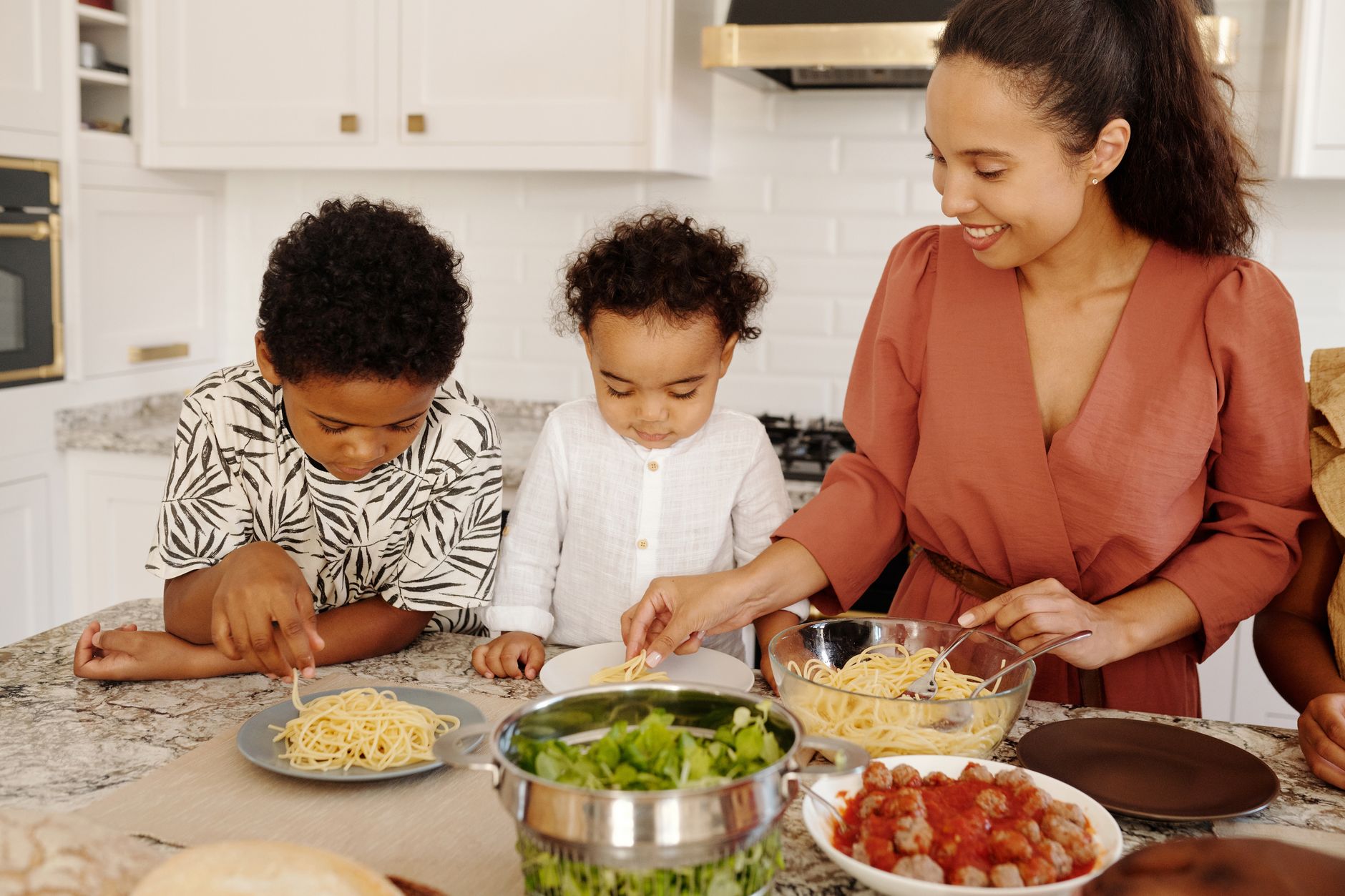
What's the real difference between private and small-group classes?
| Setting | Best for | Pace | Conversation | Flexibility |
|---|---|---|---|---|
| Small group (3–6 kids) | Siblings, cousins, mixed ages | Shared—one dish per group | Kids chat, learn from peers | Fixed menu, set time |
| Private session (1 family, up to 4 kids) | Shy children, tight siblings, dietary needs | Child-led—can slow down or repeat steps | One-on-one teaching moments | Custom dish requests, rescheduling easier |
Private sessions cost more but let us spend 15 minutes teaching your 5-year-old to roll while your 10-year-old masters a stir-fry technique. Small groups keep energy high and often cost less per child. Both include the same kitchen, market trip, and takeaway tubs for leftovers.
Which dishes work best for young hands?
Kids cook dishes that match their coordination and patience. Ages 6–8 typically make: fresh spring rolls (wrapping is forgiving; filling is premade), a simple clear broth with greens and tofu, and maybe a sweet dessert like banana in coconut sauce. Ages 9–12 progress to stir-fried chicken with cashews, a fish sauce–based dipping sauce they mix themselves, and a slightly spiced noodle soup. Teenagers often ask for pho or a layered caramel fish dish—both teach classical technique: building stock flavors, timing raw proteins, tempering heat. We never force a dish; if a child hates cilantro or fish sauce, we swap for a parallel recipe without losing the lesson. Vegetarian and egg-free diets are the default for some groups, and we adjust without fuss.
How do we handle allergies and dietary rules?
Before booking, tell us on WhatsApp about nuts, shellfish, soy, gluten, eggs, dairy, or any aversion. We then source ingredients accordingly—the same fish sauce base can become a soy-free version, or we substitute tofu for shrimp. Our kitchen has separate cutting boards and utensils to avoid cross-contact. We've hosted kids with severe peanut allergies and vegan families; we don't treat it as a problem. If a child has a food phobia, we often use the class as a low-pressure way to be around that ingredient (smelling, touching) without pressure to taste. Many kids who said "no cilantro" at sign-up are chewing it by the end.

What should I pack, and what happens if it rains?
Bring: an apron or old clothes (soy sauce and turmeric stain), a small backpack for leftover containers, and water. We supply everything else—knives, bowls, ingredients, towels. Shoes with a grip (the kitchen can be slick) are safer than sandals.
If heavy rain hits, we move the market walk indoors (we take a covered route to a nearby market) or pre-shop and focus the session on technique and cooking at the stove. The kitchen stays dry and warm. Cold weather (rare in Saigon) doesn't affect us—if anything, kids focus better. We reschedule only if a typhoon closes streets or a host falls ill; tell us within 24 hours to shift dates with no penalty.
How do we adapt for mixed ages in a family?
A single session with a 6-year-old and a 12-year-old can work. We give the younger child a simpler task—rolling spring rolls, cracking eggs into a bowl, decorating a plate—while the older one tackles knife skills or seasoning. The older child often becomes the younger sibling's cheerleader, and we're free to move between them. If the gap feels too wide (e.g., 5 and 15), we sometimes suggest a private session or two separate small-group time slots; ask us, as each family is different.
What to check before you book
Confirm with us first:
- Does the date work for your family? (Sessions fill quickly.)
- How many kids? Ages? Any allergies or strong dislikes?
- Do you want the full market experience, or would you prefer a shorter session?
- Private or group? (We'll quote both.)
- Can anyone in the family manage stairs and stand for 3 hours?
What we handle: We source all ingredients, arrange the kitchen, teach every step, and pack leftovers. You don't need to buy groceries or prep. We speak English fluently and work with kids' pace—no rushing, no judgment.
What to avoid:
- Don't skip the market walk if you want kids to understand where food comes from (it's the heart of the class).
- Don't assume your child can't cook because they're picky at home—the hands-on approach often breaks that cycle.
- Don't arrive on an empty stomach; kids cook better when they've eaten breakfast.
Beyond cooking, we run family-friendly experiences across Saigon: street food and market tours (where kids navigate stalls and try snacks), flower arranging workshops (calming, colorful, no mess), and craft workshops (pottery, lantern-making). Many families stack two experiences in a week—a cooking class on Monday, a flower session on Friday, for example.
If your family is in Saigon for a few weeks or you're visiting with older kids (teenagers), consider a private coffee workshop paired with a short cooking demo, or a farm and countryside experience outside the city where kids see where ingredients grow. Each is designed to let kids' hands do the work, not just watch.

FAQ
Can a 5-year-old join, or is 6 the real minimum?
Five-year-olds can join private sessions if they're comfortable around a stove and knife work nearby. They'll peel garlic, stir, and taste more than cook. Small-group classes work better from age 6 onward. Tell us your child's personality on WhatsApp; we'll advise honestly.
Do kids eat the food they cook, or does it just sit there?
Kids eat it. We serve lunch in the kitchen right after cooking finishes—they're hungry and proud. Many families say their child tries vegetables or fish for the first time because they made it themselves. Leftovers go home in containers; parents often report kids reheating and eating again that evening.
How messy does the kitchen get, and who cleans up?
Expect flour, splashes, and dropped herbs. We clean as we go—kids help wipe counters and rinse bowls as part of learning. By the end, the kitchen is tidied by us; you leave with clean hands and full containers. Your clothes might have a turmeric stain if aprons slip, so wear old layers.
What if my kid gets bored or wants to leave early?
Rare, but we've had a 7-year-old lose focus halfway through. We shift to tasting, plating practice, or sitting with a snack. We don't force engagement. If a child is truly upset, we pause and talk—sometimes they just need water or a bathroom break. We've never had a family ask to leave; kids usually end up in the kitchen longer than planned because they want to finish.
Is there a vegetarian or vegan version of a typical session?
Yes. Tofu, mushroom, and egg-based dishes are just as engaging to cook. A vegan spring roll class is common; kids make a clear vegetable broth, stir-fry morning glory with garlic, and assemble rolls with herbs. Taste and technique stay the same. Tell us when booking so we plan the menu in advance.
Do I have to go to the market, or can we start at the kitchen?
The market is part of the experience—kids see vendors, smell spices, learn why an ingredient costs what it does. If you're exhausted or it's pouring, we can start in the kitchen with pre-sourced ingredients and skip the walk. It changes the vibe a little (less discovery), but the cooking lesson is identical.
Ask about dates
Tell us the city, your dates and what you would like to try. We reply on WhatsApp in English with options and availability.
FAQ
Can a 5-year-old join, or is 6 the real minimum?
Five-year-olds can join private sessions if they're comfortable around a stove and knife work nearby. They'll peel garlic, stir, and taste more than cook. Small-group classes work better from age 6 onward. Tell us your child's personality on WhatsApp; we'll advise honestly.
Do kids eat the food they cook, or does it just sit there?
Kids eat it. We serve lunch in the kitchen right after cooking finishes—they're hungry and proud. Many families say their child tries vegetables or fish for the first time because they made it themselves. Leftovers go home in containers; parents often report kids reheating and eating again that evening.
How messy does the kitchen get, and who cleans up?
Expect flour, splashes, and dropped herbs. We clean as we go—kids help wipe counters and rinse bowls as part of learning. By the end, the kitchen is tidied by us; you leave with clean hands and full containers. Your clothes might have a turmeric stain if aprons slip, so wear old layers.
What if my kid gets bored or wants to leave early?
Rare, but we've had a 7-year-old lose focus halfway through. We shift to tasting, plating practice, or sitting with a snack. We don't force engagement. If a child is truly upset, we pause and talk—sometimes they just need water or a bathroom break. We've never had a family ask to leave; kids usually end up in the kitchen longer than planned because they want to finish.
Is there a vegetarian or vegan version of a typical session?
Yes. Tofu, mushroom, and egg-based dishes are just as engaging to cook. A vegan spring roll class is common; kids make a clear vegetable broth, stir-fry morning glory with garlic, and assemble rolls with herbs. Taste and technique stay the same. Tell us when booking so we plan the menu in advance.
Do I have to go to the market, or can we start at the kitchen?
The market is part of the experience—kids see vendors, smell spices, learn why an ingredient costs what it does. If you're exhausted or it's pouring, we can start in the kitchen with pre-sourced ingredients and skip the walk. It changes the vibe a little (less discovery), but the cooking lesson is identical.
More like this
Experiences for families and kids
Family workshop Vietnam vs Thailand: where to take kids in 2026
Vietnam and Thailand both offer immersive family workshops, but the pace, cost structure, and focus differ significantly. We run both types of sessions at Cáo Experiences and can help you choose.
Experiences for families and kids
Family Workshop Vietnam Gift Voucher: What Works Best
A family workshop gift voucher in Vietnam lets relatives experience cooking, craft, horse riding or tea together—no tickets, no queues, real hands-on time. We help you pick the right session type and duration for the ages and interests in your group.
Experiences for families and kids
Family workshops in Vietnam for Indian travelers: what to expect
Indian families visiting Vietnam often wonder how to keep children engaged and learn something authentic together. Cáo Experiences runs small-group and private workshops—cooking, coffee, flower arranging, craft, and farm days—designed for kids, parents, and grandparents, hosted in English with real