
Home › Blog › Experiences for families and kids
Kids cooking class in Saigon: how to pick the right one
By the Cáo Experiences team · 2026-11-06
We run small-group and private Vietnamese cooking class sessions for kids in home kitchens and teaching spaces across Ho Chi Minh City. Kids work hands-on with a host, typically learning 2–4 simple dishes—spring rolls, pho broth, bánh mì prep—in 2–3 hours. We adapt knife skills, heat exposure, and ingredient lists for beginners and allergies. Private groups give families more flexibility and customization; small groups let kids cook alongside other children. There's no single "price list" here—each session is quoted based on group size, age range, cooking focus, and dietary needs. What matters most: choosing between hands-on skill-building (knife work, stove time) or lighter craft-style cooking; picking a host whose experience with your child's age fits; confirming allergy and ingredient adjustments upfront. Cáo Experiences hosts coordinate everything on WhatsApp and show up ready to teach, not perform.
What actually happens in a kids' cooking session?
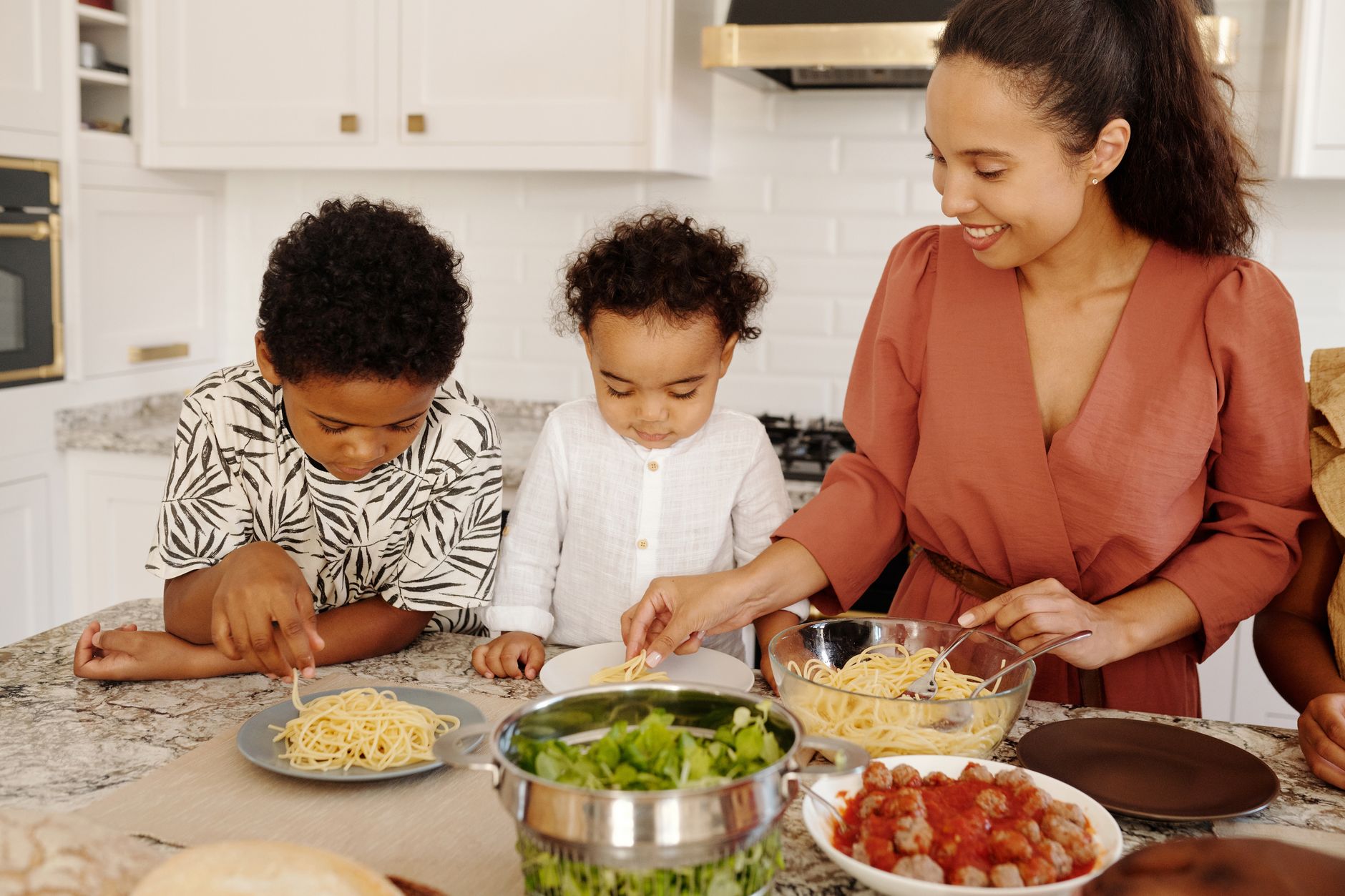
We start by introducing ourselves and the kitchen, letting kids touch the tools and smell the ingredients. One host usually leads technique—say, how to grip a knife safely or fold a spring roll—while another watches closely and helps individuals. Kids prep ingredients under our eyes (we handle heat and heavy pans), then taste what they've made. We break for a snack or juice, chat about food culture, and finish with cleanup and photos. Total time on your feet: about 2.5 hours. The kitchen stays calm—no rush, no judgment if a roll tears.
The real outcome is twofold: muscle memory (rolling, chopping, tasting) and the confidence that comes from making food that's actually eaten at family tables in Vietnam. Kids ask questions like "Why do we add fish sauce?" and "Can I make this at home?" Both are yes—that's the point.

Should we book a private class or join a small group?
Private classes work better if your child has strong food allergies, learns differently, or you want a specific dish focus. You'll have both hosts' full attention, zero waiting, and we can adjust pace moment-to-moment. Best for kids aged 5–7, siblings cooking together, or families new to Asian food. Small-group sessions (4–6 kids) cost less per person, let kids work alongside peers, and create a lighter social energy. Better for kids 8+ who enjoy cooking with strangers. Rain doesn't cancel either format—we're indoors in a family kitchen.
Which dishes work for kids who've never cooked before?
Spring rolls are the gateway: high success rate, forgiving folds, and kids eat them immediately. We prep herbs and vermicelli; kids assemble and roll in rice paper. Bánh mì fillings (pickled vegetables, pâté spread, cilantro) teach knife safety and flavor layering. Fresh pho broth tastes different when kids have tended it themselves—they notice the anise and cinnamon. Avoid anything requiring sustained high heat (stir-fry) or complex timing with young learners. We always ask about dislikes upfront and build a menu around what the child will actually eat at the end. Fish sauce and shrimp paste are optional add-ins, not barriers.
How do we handle allergies, vegetarian diets, and ingredient swaps?
Tell us before you confirm. Peanut, shellfish, dairy—we know the staples and adjust recipes without fuss. Vegetarian spring rolls and bánh mì are standard; we skip fish sauce or use soy-based alternatives. Gluten-free rice noodles or wrappers? We source them. Egg-free pho? Done. The kitchen is ours, not a restaurant, so we're not fighting cross-contamination in a busy line. We also ask kids themselves what they dislike—some kids hate cilantro, some won't eat anything pink—and we listen. Allergies are serious; preferences are real. Both matter to us.
What should kids wear and bring?
Closed-toe shoes (kitchens are wet), clothes they don't mind staining (turmeric and fresh herbs leave marks), and nothing loose that dangles near a stove. We provide aprons, but bring a change of shirt if you're anxious. Kids often bring enthusiasm and curiosity—that's what matters. A camera or phone for photos is good. We'll send you WhatsApp updates during the session, so you see what they made before you pick them up.
Age, skill, and fitness: who's this right for?
Ages 6–14 work well. Under 6, we can teach, but attention span and knife grip become limiting. 6–9-year-olds thrive with lighter tasks and shorter sessions. 10+ can handle more heat and detail. Older teens (14–17) often prefer team group and corporate experiences or street food and market tour where they're treated like adults. Kids with physical differences (fine motor delays, height variation) are welcome—we adapt tool size, counter height, and sitting vs. standing. No experience needed; we assume zero cooking knowledge and build from there.
How does rain or heat affect a session?
Both sessions happen indoors in a family kitchen, so rain doesn't reschedule. Extreme heat—over 38°C—does matter for comfort, not safety. We have fans, serve cold water, take longer breaks, and avoid extended oven time. Typhoon season (May–September) rarely cancels anything; we just shift timing or offer a different date. If a child feels unwell the morning of, let us know on WhatsApp and we'll reschedule. We're flexible because kids' moods and bodies aren't predictable.
Comparison: what to check before you book
| Factor | Private class | Small group | Best for |
|---|---|---|---|
| Cost per child | Higher total, split cost varies | Lower per person | Budget-conscious families |
| Attention & pace | Both hosts focus on one group | Shared with 3–5 others | Kids who learn best one-on-one |
| Social energy | Quiet, focused, slower rhythm | Peer interaction, light chatter | Outgoing kids, social learners |
| Allergy/diet options | Full customization | Core menu + swaps | Multiple or complex allergies |
| Schedule flexibility | More dates/times available | Fixed group dates | Tight family calendars |
| Sibling pairing | Easy (one session) | Only if both apply together | Families with multiple kids |
Real checklist: what to confirm before you hit "book"
- Ages & count: Exact ages, number of kids, any mixed-age groups?
- Allergies & dislikes: Fish sauce, spicy heat, nuts, dairy, gluten—ask us to list our staple ingredients.
- Cooking level: Has your child used a knife? Cooked with heat? Be honest.
- Duration preference: 2 hours vs. 3 hours? Morning vs. afternoon?
- Private or group?: And if group, are there other kids already enrolled?
- Dishes: Any Vietnamese foods the child already loves or refuses?
- Photos: Is it okay to take pictures during the session?
- Pickup time & location: Confirm the exact kitchen address and pickup time on WhatsApp once dates are set.
Other experiences that pair well with cooking classes
Kids who love Vietnamese cooking class often enjoy our flower arranging workshop (ages 8+, fresher pacing, beautiful take-home) or a farm and countryside experience (ages 5+, meet animals, understand where food grows). Some families book both cooking and a street food and market tour for kids aged 10+ (walking, snacking, cultural learning). Younger siblings sometimes tag along on a tea experience—sipping, smelling, learning taste—while the older child cooks. Check family experiences for a full picture of what we offer kids across Ho Chi Minh City and other destinations in Vietnam.

FAQ
Can a 5-year-old join, or is 6 the minimum?
Five-year-olds can attend if they're confident around an adult and can hold attention for 1.5 hours. We adapt heavily—smaller tools, sitting-down prep tasks, no heat handling. Let us know their confidence level and cooking interest when you WhatsApp.
Do we have to eat the food they make, or can we take it home?
Kids eat what they cook during the session (that's the joy). Any leftovers—usually small—you can pack home. We don't wrap it to travel far; best eaten fresh that day in the family kitchen.
What if a child gets scared of the stove or loses interest halfway?
Happens sometimes. We pivot immediately—the other host offers a quieter task, we step back to prep-only work, or we shift to tasting and learning instead of cooking. No judgment. Sessions are meant to be fun, not stressful.
Is there a minimum group size or can we do a private class just for one child?
Private classes for one child are fine and common. Price scales differently; ask us for a quote on WhatsApp. Some families do one-on-one; others prefer two siblings or a friend tag along.
How far in advance should we book, and what happens if we need to reschedule?
Ask about dates and availability 2–3 weeks ahead if possible, but we often fit groups in sooner. Reschedule on WhatsApp anytime—we're flexible. Last-minute cancellations (same-day) we understand; just let us know early enough for us to offer another slot.
Can adults (grandparents, nannies) cook alongside or just watch?
Both happen. If a grandparent wants to cook too, we can adapt the session for mixed ages and skill. If they're supervising, they can sit in the kitchen, chat, and take photos. No separate "adult cooking class" needed.
Ask about dates
Tell us the city, your dates and what you would like to try. We reply on WhatsApp in English with options and availability.
FAQ
Can a 5-year-old join, or is 6 the minimum?
Five-year-olds can attend if they're confident around an adult and can hold attention for 1.5 hours. We adapt heavily—smaller tools, sitting-down prep tasks, no heat handling. Let us know their confidence level and cooking interest when you WhatsApp.
Do we have to eat the food they make, or can we take it home?
Kids eat what they cook during the session (that's the joy). Any leftovers—usually small—you can pack home. We don't wrap it to travel far; best eaten fresh that day in the family kitchen.
What if a child gets scared of the stove or loses interest halfway?
Happens sometimes. We pivot immediately—the other host offers a quieter task, we step back to prep-only work, or we shift to tasting and learning instead of cooking. No judgment. Sessions are meant to be fun, not stressful.
Is there a minimum group size or can we do a private class just for one child?
Private classes for one child are fine and common. Price scales differently; ask us for a quote on WhatsApp. Some families do one-on-one; others prefer two siblings or a friend tag along.
How far in advance should we book, and what happens if we need to reschedule?
Ask about dates and availability 2–3 weeks ahead if possible, but we often fit groups in sooner. Reschedule on WhatsApp anytime—we're flexible. Last-minute cancellations (same-day) we understand; just let us know early enough for us to offer another slot.
Can adults (grandparents, nannies) cook alongside or just watch?
Both happen. If a grandparent wants to cook too, we can adapt the session for mixed ages and skill. If they're supervising, they can sit in the kitchen, chat, and take photos. No separate "adult cooking class" needed.
More like this
Experiences for families and kids
Family workshop Vietnam vs Thailand: where to take kids in 2026
Vietnam and Thailand both offer immersive family workshops, but the pace, cost structure, and focus differ significantly. We run both types of sessions at Cáo Experiences and can help you choose.
Experiences for families and kids
Family Workshop Vietnam Gift Voucher: What Works Best
A family workshop gift voucher in Vietnam lets relatives experience cooking, craft, horse riding or tea together—no tickets, no queues, real hands-on time. We help you pick the right session type and duration for the ages and interests in your group.
Experiences for families and kids
Family workshops in Vietnam for Indian travelers: what to expect
Indian families visiting Vietnam often wonder how to keep children engaged and learn something authentic together. Cáo Experiences runs small-group and private workshops—cooking, coffee, flower arranging, craft, and farm days—designed for kids, parents, and grandparents, hosted in English with real