
Home › Blog › Experiences for families and kids
Kids cooking class in Sapa: what families choose in 2026
By the Cáo Experiences team · 2026-11-06
A kids cooking class in Sapa is a 3–4 hour session where children (ages 6–16) learn to prepare 2–3 Vietnamese dishes in a family kitchen in or near Sapa town, working alongside our hosts in English. We source ingredients from local markets, teach basic knife and wok skills, and let kids taste what they cook. Younger children (6–10) do simpler tasks—rolling, mixing, tasting—while teens handle more heat and technique. The session suits families on a 2–3 day Sapa trip, rainy-day groups, or mixed-age siblings. We adapt for allergies, vegetarian diets, and picky eaters. Cáo Experiences runs these as private or small-group bookings; ask us for dates and a quote on WhatsApp. No prior cooking skill needed.
Do kids actually want to cook, or will mine get bored?
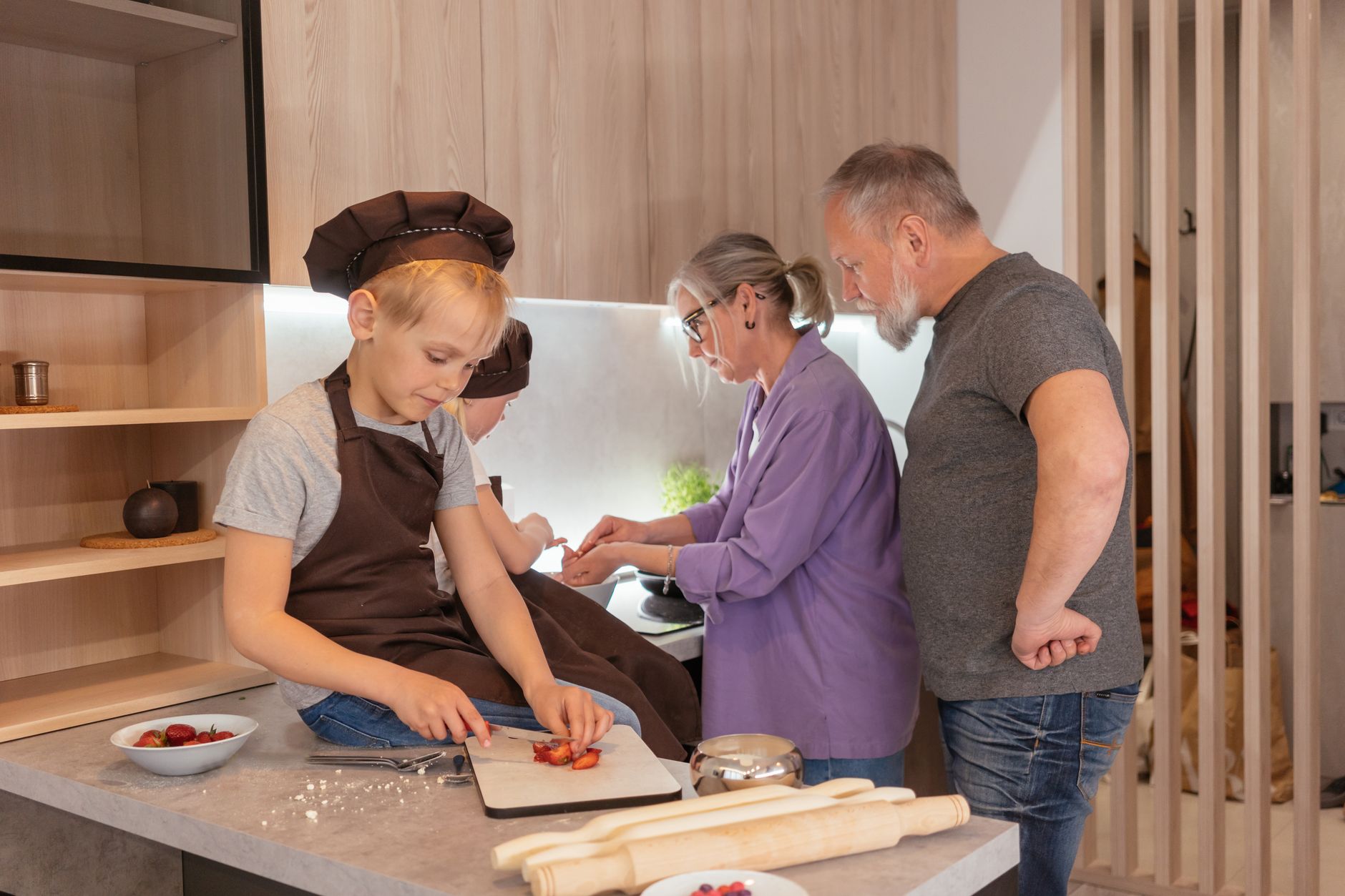
Most children surprise their parents. The appeal isn't a formal lesson—it's the permission to touch a real wok, smell fish sauce, roll spring rolls by hand, and eat something they made. Younger kids (6–10) stay engaged if you give them tasks with quick results: mixing dipping sauce, tearing herbs, stirring noodles. Teens often discover they can handle a hot pan and feel proud. Boredom happens when a child sits idle watching adults cook; we avoid that by rotating stations and giving every child a job.
Which age group fits best in a Sapa cooking class?
Ages 6–10 thrive on hands-on, messy tasks and immediate tasting; they need close supervision and shorter focus spans (our sessions flex to 2.5 hours if needed). Ages 10–13 can handle basic knife work (with guidance), follow multi-step recipes, and take pride in plating. Ages 14–16 treat it like a real skill-building workshop, ask questions about technique, and often want to cook again at home. Mixed-age siblings work well because older kids help younger ones, and we scaffold tasks so each feels challenged. Solo children, parent-child pairs, and groups of 3–4 kids all work equally well.
What dishes do kids cook in a typical Sapa session?
We keep dishes simple but real: usually a vegetable stir-fry (children practice heat control and timing), fresh spring rolls with herbs and shrimp or tofu (fun to roll, instant gratification), and a soup or noodle dish. Sometimes a dipping sauce (nuoc cham) instead of the soup. We choose based on the season—spring rolls feel fresh in warm months, beef-noodle soups suit cooler weather. Kids taste each dish warm, right after cooking. We never use pre-made ingredients; children see the raw herbs, learn to smell the difference between fish and soy sauce, and understand why Vietnamese cooking tastes fresh. Allergies or no-meat requests shape the menu—tell us when you book.
How do we handle allergies, vegetarian kids, and picky eaters?
When you book, tell us every restriction and preference upfront. We adapt the entire session: no fish sauce for a vegetarian? We use soy-based dipping sauce. Shellfish allergy? Tofu or chicken replaces shrimp. A child who won't eat certain herbs? We teach them anyway (learning comes first) and don't force tasting. Most kids are less picky once they've cooked—they're proud and curious. We've had children who "don't like vegetables" chop and stir-fry bok choy, then ask for seconds. It's the ownership that shifts their minds, not pressure.
What about rainy weather—is the class indoors or outside?
All our cooking classes happen indoors in a family kitchen, so rain doesn't cancel or delay a session. Kitchens in Sapa are warm, well-lit, and used to cooking for groups. We avoid the coldest months (Dec–Feb) not because of rain, but because unheated kitchens feel harsh for small hands and learning pace slows. The best seasons are Sept–Nov (warm, clear, crisp) and March–May (warm, fewer clouds, local market variety peaks). Booking outside peak times (like June–Aug or Feb) often means fewer other groups and more of the host's attention.
How does a 3-hour session actually flow, hour by hour?
Hour 1: arrival, quick hello, walk to a local market or kitchen garden (15 min), kids point out ingredients, choose herbs, ask why we buy what. Back to the kitchen, kids wash hands, get aprons; host shows knives and cutting boards; first dish prep begins. Hour 2: kids chop, stir, taste raw ingredients. First dish (usually spring rolls) gets rolled or assembled. Stove use, watching heat, learning timing. Hour 3: remaining dishes come together; tasting and eating family-style; cleanup (kids help). We photograph the finished plates, chat about what kids felt, Q&A about cooking at home. Some families linger over tea. We pack any leftovers in containers for the hotel.

What should kids wear, bring, and avoid?
Wear: old clothes or a top you don't mind splashing. Closed shoes (kitchens have wet floors, hot water). Avoid: long sleeves (tangle in heat) or dangly jewelry. Bring: curiosity and appetite. We provide aprons. If a child has a specific food fear (raw garlic, strong spice smell), mention it—we can manage the experience. Some kids bring a small notebook to sketch dishes or write notes about flavors; we've had 10-year-olds do that and ask to cook the same dish at home. It's lovely.
| Age group | Best suited for | Typical session length | Task complexity | Why it works |
|---|---|---|---|---|
| 6–10 | First cooking experience, sensory play | 2.5–3 hours | Rolling, mixing, tasting | Quick wins, big pride |
| 10–13 | Skill-building, independent learners | 3 hours | Knife work, stir-frying, timing | Challenge + control |
| 14–16 | Serious cooking interest, technique focus | 3–3.5 hours | Pan temperature, sauce balance, plating | Real culinary learning |
| Mixed-age siblings | Bonding, peer teaching | 3 hours (flexible) | Staggered—older helps younger | Inclusive, fun social dynamic |
| Picky eaters | Curiosity reset, ownership shift | 3 hours | Prep work (no forced tasting) | Kids cook → kids eat |
What makes Sapa a good location for a kids cooking class?
Sapa sits in the northern mountains where seasonal vegetables, fresh herbs, and rice noodles are made daily in family kitchens and local markets. Kids see where food actually comes from—not a supermarket, but a neighbor's garden or a market stall run by the same family for decades. The town is compact enough that families don't need transport logistics for a 3-hour session. It's also quieter than Hanoi, so kids aren't overwhelmed by noise or traffic. Family experiences in Sapa often pair cooking with a countryside walk or farm visit the next day, turning a cooking class into part of a bigger learning trip. Ask us about combining a class with other activities.
How does a private class differ from a small-group one?
A private class (your family only, 1–4 kids) means the host shapes the entire pace and menu to your child—no waiting for others, no rushing through favorites. Cost per person is higher, but you get full attention and can linger on one dish if your child is absorbed. A small-group class (typically 2–3 other children) costs less per head, gives kids peers to cook alongside (many enjoy that social element), but the host balances everyone's pace. We prefer small groups of 4–6 kids max; anything bigger and the youngest kids feel lost. Choose private if your child is shy, has complex allergies, or learns best one-on-one. Choose small-group if your child loves working with other kids and you want to meet another family.
What happens after the class—can we cook this at home?
Yes. We give you (on WhatsApp, after the session) a simple recipe sheet with ingredient lists, timing notes, and photos of each step. Kids often ask to cook the same dish at home within a week—while their hands remember the motion. Parents sometimes feel nervous ("I don't have a wok," "I can't find fish sauce"), so we keep the sheet realistic: the same spring rolls work in a regular pan, and we suggest grocery stores in your home city that stock the herbs. Many families do cook one dish at home within a month, and we've had kids' parents send us photos. It's a nice reminder that the class wasn't just a tourist moment—it opened a kitchen door.
What to check before you book a kids cooking class in Sapa
Ask these questions:
- Minimum age and ratio: Do they have a lower age limit? How many kids per host?
- Allergies and diet: Can they adapt for vegetarian, shellfish-free, or nut-free without extra cost?
- Session length and timing: Does 3 hours suit your schedule, or can it be shorter? Morning or afternoon?
- What you taste: Do kids eat what they cook, or just prep? (We cook and eat family-style.)
- Private vs. small-group: Which suits your child's learning style?
- Rainy-day policy: Is it indoor and weather-proof?
- Language: Is the host fluent in English, or relying on translation?
- Hands-on percentage: Does every child actually touch the stove and knife, or watch mostly?
- Recipe/photos: Do you get a takeaway recipe and photos to cook again at home?
- Cancellation: What's the notice required if plans change?
Cáo Experiences answers all of these clearly on WhatsApp. We don't overbook, we flex session length for kids' focus, and we've adapted for every allergy we've encountered.
How does a kids cooking class pair with other family activities in Sapa?
Many families combine a cooking class with a farm and countryside experience—a half-day visit to a family farm where kids help harvest vegetables, feed animals, or learn about rice terraces. Cooking what you picked that morning feels connected and memorable. Some pairs book a cooking class, then a quiet tea experience the next day (kids learn to steep and taste local oolong or green tea from Sapa's hills). Others add a flower arranging workshop if they have older kids interested in craft. A 3-day Sapa family trip might include a cooking class (Day 1), a countryside walk (Day 2 morning), and a market tour (Day 2 afternoon), leaving Day 3 flexible. Ask us about bundling—we can suggest sequences and help you space activities so kids don't feel rushed.

FAQ
What if my child has never cooked before?
Perfect—that's who we teach. We show knife grip, wok safety, and heat control from scratch. Kids learn fastest when they're curious, not worried about "doing it right." We've taught absolute beginners who then cook dinner for their family the night after class.
Can adults cook alongside kids, or do I just watch?
Either way works. Some parents want to step back and watch their child lead; others join at the same station. It's your choice. Mixed parent-kid sessions feel special because kids often want to teach you what they learned. Tell us your preference when booking.
What if my child doesn't like spicy food?
Vietnamese cooking isn't inherently spicy—it's balanced, fresh, and customizable. We teach kids to taste raw ingredients, understand flavor (salty, sour, sweet, umami), and control heat. A child who fears spice can make the same dishes without chili, and learn why chili is optional in Vietnamese food, not essential.
How much do we expect kids to eat afterward, and will they be hungry afterward?
Kids eat what they cook—usually 1–2 portions per child. It's lunch-sized, not snack-sized. Most kids leave satisfied but not stuffed. Some return to their hotels and eat a light dinner; others snack. Bring a light breakfast so they arrive with appetite but not ravenous.
What if the group has vegetarians and meat-eaters?
We split the protein component or swap it entirely. Vegetarian kids roll spring rolls with herbs and tofu; meat-eaters use shrimp or chicken. One sauce, one stir-fry base—just different proteins in the pan. It's normal for us and adds no complexity.
Do you teach kids formal Vietnamese table manners or etiquette?
Lightly. We mention family-style eating (shared bowls, using rice as a base), why communal cooking matters in Vietnamese culture, and how to use chopsticks comfortably if they want to learn. It's cultural context, not strict rules—the goal is kids feeling included and curious, not anxious about manners.
Ask about dates
Tell us the city, your dates and what you would like to try. We reply on WhatsApp in English with options and availability.
FAQ
What if my child has never cooked before?
Perfect—that's who we teach. We show knife grip, wok safety, and heat control from scratch. Kids learn fastest when they're curious, not worried about "doing it right." We've taught absolute beginners who then cook dinner for their family the night after class.
Can adults cook alongside kids, or do I just watch?
Either way works. Some parents want to step back and watch their child lead; others join at the same station. It's your choice. Mixed parent-kid sessions feel special because kids often want to teach *you* what they learned. Tell us your preference when booking.
What if my child doesn't like spicy food?
Vietnamese cooking isn't inherently spicy—it's balanced, fresh, and customizable. We teach kids to taste raw ingredients, understand flavor (salty, sour, sweet, umami), and control heat. A child who fears spice can make the same dishes without chili, and learn why chili is optional in Vietnamese food, not essential.
How much do we expect kids to eat afterward, and will they be hungry afterward?
Kids eat what they cook—usually 1–2 portions per child. It's lunch-sized, not snack-sized. Most kids leave satisfied but not stuffed. Some return to their hotels and eat a light dinner; others snack. Bring a light breakfast so they arrive with appetite but not ravenous.
What if the group has vegetarians and meat-eaters?
We split the protein component or swap it entirely. Vegetarian kids roll spring rolls with herbs and tofu; meat-eaters use shrimp or chicken. One sauce, one stir-fry base—just different proteins in the pan. It's normal for us and adds no complexity.
Do you teach kids formal Vietnamese table manners or etiquette?
Lightly. We mention family-style eating (shared bowls, using rice as a base), why communal cooking matters in Vietnamese culture, and how to use chopsticks comfortably if they want to learn. It's cultural context, not strict rules—the goal is kids feeling included and curious, not anxious about manners.
More like this
Experiences for families and kids
Family workshop Vietnam vs Thailand: where to take kids in 2026
Vietnam and Thailand both offer immersive family workshops, but the pace, cost structure, and focus differ significantly. We run both types of sessions at Cáo Experiences and can help you choose.
Experiences for families and kids
Family Workshop Vietnam Gift Voucher: What Works Best
A family workshop gift voucher in Vietnam lets relatives experience cooking, craft, horse riding or tea together—no tickets, no queues, real hands-on time. We help you pick the right session type and duration for the ages and interests in your group.
Experiences for families and kids
Family workshops in Vietnam for Indian travelers: what to expect
Indian families visiting Vietnam often wonder how to keep children engaged and learn something authentic together. Cáo Experiences runs small-group and private workshops—cooking, coffee, flower arranging, craft, and farm days—designed for kids, parents, and grandparents, hosted in English with real