
Home › Blog › Experiences for families and kids
Kids Cooking Class in Vietnam During Tet: A Family Guide
By the Cáo Experiences team · 2026-11-06
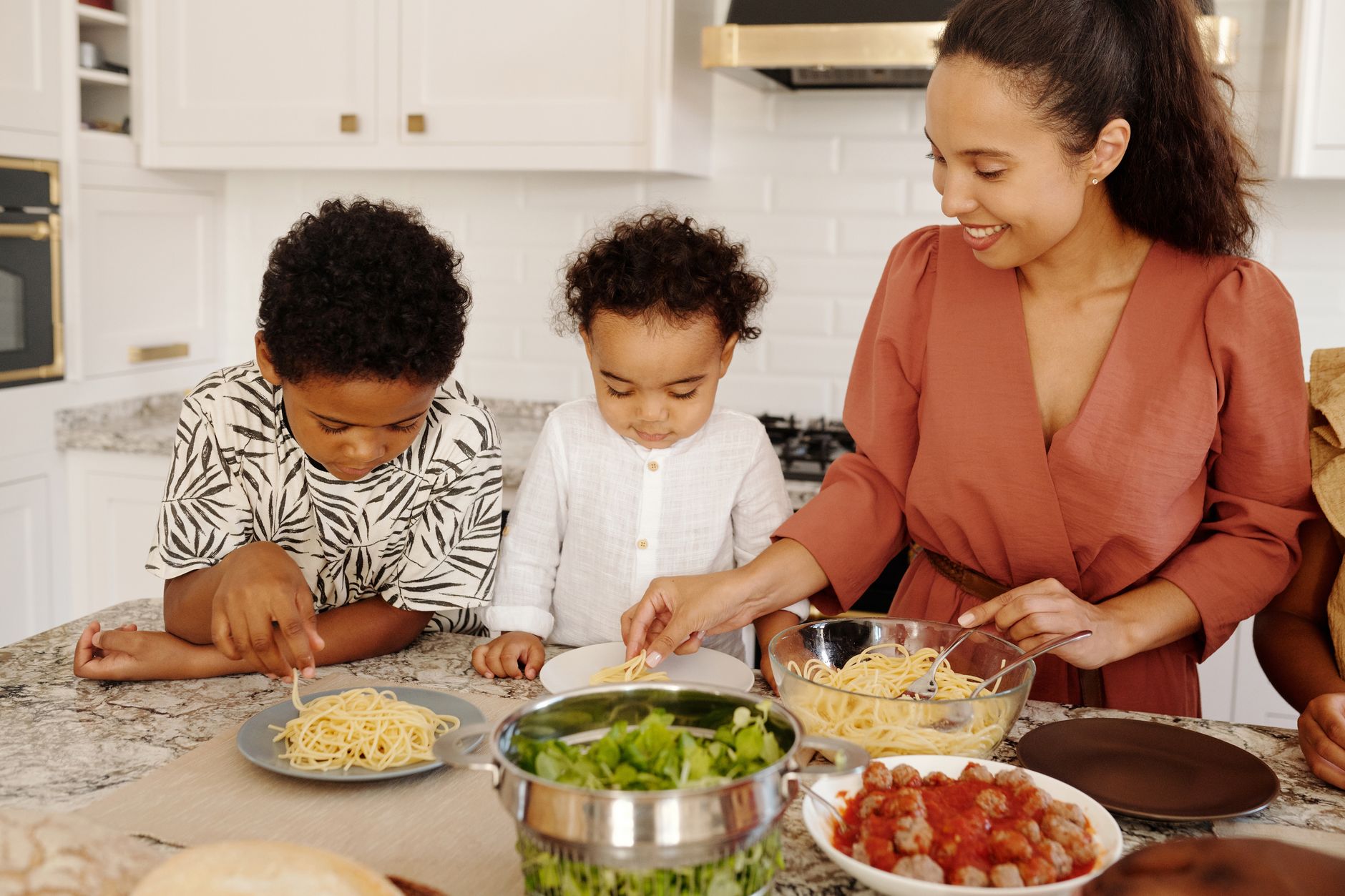
Tet cooking classes for kids at Cáo Experiences are 2.5- to 3-hour hands-on sessions in a family kitchen in Hanoi or Hoi An, where children aged 5–15 learn to prepare two to three traditional Tet dishes alongside a host and 2–4 other families. Kids roll spring rolls by hand, mix and knead sticky rice cake dough, learn the stories behind each dish, and taste what they've cooked. We adapt for dietary needs (no peanuts, vegetarian, gluten-free), offer step-by-step guidance for beginners, and seat younger children on stools so they can reach the counter safely. Sessions run mornings or early afternoons during Tet week, with WhatsApp coordination for exact dates and group size. Ask us for dates and a quote on WhatsApp—we schedule based on family bookings and school holidays. Ask about dates on WhatsApp
Why Tet is the perfect time to cook with kids in Vietnam?
Tet is when Vietnamese families cook together for the first time in the year—it's both practical and deeply symbolic. Children see why certain dishes appear on the altar and table, why grandmothers spend hours kneading rice cake dough, and why food preparation is a way to honor ancestors. A cooking class during Tet lets kids absorb these meanings while their hands learn the techniques. The energy in the kitchen is celebratory, not rushed.

What do kids actually make in a Tet cooking session?
We typically cover three dishes: spring rolls (filled with pork, prawn, and herbs), sticky rice cakes (square or round, steamed in banana leaves), and fresh herb plates with dipping sauce. Younger kids (5–9) focus on rolling and folding; older kids (10–15) help with chopping under supervision, mixing fillings, and learning knife skills. Everyone tastes the finished food and often takes home a portion wrapped in foil. Some sessions add a visit to a local market in the early morning so families see how vendors select herbs, pork, and rice for Tet—but we confirm weather and group interest first.
How do we adapt for different ages and dietary needs?
| Age group | Role in the kitchen | Adaptation | What works best |
|---|---|---|---|
| 5–7 | Rolling, arranging, decorating | Stools, pre-cut ingredients, hand-washing stations | Shorter session (2 hours); visual rewards |
| 8–11 | Mixing, folding, light prep | Butter knife for soft ingredients; one-on-one guidance; pre-portioned bowls | Full 2.5-hour session; learning the "why" |
| 12–15 | Chopping, kneading, flavor tasting | Adult-supervised knife work; discussion of regional variations; taste feedback | Full 3-hour session; take-home recipe cards |
Allergies are non-negotiable. Tell us ahead: peanut or shellfish allergy → we use separate prep bowls and utensils. Vegetarian → we make a filling with mushroom, tofu, and herbs instead of pork. Gluten-free → we source rice paper if needed (confirm a week in advance). We always have drinking water, wet towels for sticky hands, and a small snack if a session runs long.
What do beginners and nervous parents worry about—and how do we handle it?
"My child has never cooked before." We don't assume any skill. The host demonstrates each step slowly, then stands beside your child while they try. Nobody fails at rolling a spring roll—the filling might peek out, the edges might be uneven, but it's edible and it's theirs. We celebrate messy results.
"Will my child sit still for 3 hours?" Honestly, no—and that's fine. We build in a tasting break halfway through, a moment to wash hands and walk to the window. If a 6-year-old gets tired, the host suggests they take a photo of their work, help sprinkle herbs, or just watch their parent cook. Siblings can pair up.
"What if a dish looks like a disaster?" It happens. A spring roll tears, sticky rice cake dough is too wet. The host shows how to fix it (add a bit of cornstarch, rewrap gently) or how to repurpose it (broken pieces become a rice-cake dessert soup). Kids learn that cooking is problem-solving, not perfection.
"Is the kitchen hygienic?" Yes. We work in family kitchens that are actively used for home cooking, not commercial spaces. Surfaces are cleaned before your session. Each child gets their own cutting board or prep area. We have hand soap, separate towels, and no cross-contamination between allergen-free and regular ingredients.
How does a typical Tet cooking session actually unfold, hour by hour?
0:00–0:15: Welcome and demo. Families arrive, we chat about the day's plan. The host shows the first dish (usually spring rolls) step by step—filling, folding technique, where the seal goes. Kids watch and ask questions.
0:15–1:00: Spring rolls. Your child starts rolling. The host and any assistants circulate, offering gentle corrections: "A bit more filling here," or "Fold this corner first." Finished rolls go onto a plate. Kids often make 4–6 rolls each.
1:00–1:15: Taste and rest. We fry or steam the spring rolls. Everyone sits, eats, drinks water. This is when kids talk about what they made and why it tastes good.
1:15–2:15: Sticky rice cake. The host explains the dough—why it's sticky, why it needs kneading. Kids help mix, knead (very tactile), and shape dough into molds or by hand. Dough goes into a steamer.
2:15–2:45: Herb plates, stories, wrap-up. While the cake steams, we arrange fresh herbs on a plate—mint, perilla, basil—and prepare the dipping sauce. The host tells a short story about why families eat these foods on Tet. We unwrap the finished cake, slice it, taste it.
2:45–3:00: Pack and goodbye. Each child takes home their spring rolls or a portion of cake in a foil packet or a small box. We take a group photo (optional). Families leave with recipes printed in English or Vietnamese.

What to check before you book a kids' Tet cooking class?
- Dates and school holidays. Tet week is busy. Book 1–2 weeks ahead if you want a confirmed morning or early afternoon slot. We work with families who have flexible schedules during Tet break.
- Group size. We limit sessions to 2–4 families (6–12 people total, including kids and adults). Larger groups → book a private session; we'll coordinate with you on WhatsApp.
- Dietary needs. Tell us now: allergies, vegetarian, gluten-free, or any other restriction. We source ingredients accordingly, and it takes us 3–5 days' notice.
- Language. Sessions are in English. Kids pick up a few Vietnamese food words (cuốn = roll, bánh = cake) but don't worry about fluency.
- Physical space. Kitchens can be warm, especially with a steamer or stovetop running. Dress kids in breathable clothes and sandals. We have aprons and towels.
- What to bring. Water bottle, a small appetite (you'll eat a lot), and willingness to get sticky. Kids often wear the dough on their clothes—totally normal.
Is a Tet cooking class a good gift, or should we just experience it as a family?
Both work. If you're visiting Vietnam during Tet and want to teach kids about the holiday and food culture together, this is a hands-on way to do it—more interactive than a market tour or a museum. If you're a grandparent, aunt, or family friend visiting Hanoi or Hoi An, booking a session gives kids a memory they'll talk about for months. And if your child loves food or wants to try cooking, Tet gives it cultural weight.
We also run cooking classes for adults and family experiences outside Tet if you want to practice these dishes at other times of year.
Where do we run kids' Tet cooking classes in Vietnam?
We host sessions in Hanoi and Hoi An during Tet week, working from family kitchens in residential areas. Hanoi sessions tend to be in the old quarter or nearby family homes; Hoi An sessions are in family kitchens within walking distance of the Ancient Town. Ask us for exact locations and neighborhood details when you confirm your booking.
See how a session runs
What happens if the weather is bad on Tet?
Tet is during winter in northern Vietnam (cool and sometimes drizzly), and the rainy season in the south. We don't cancel for rain—we just stay in the kitchen. If the session involves a market visit, we confirm with you the night before. Most families are happy to skip the market and focus on the cooking if it's pouring; it also makes the indoor session cozier. Bring a small umbrella or rain jacket if you're walking to the kitchen, but once you're inside, you're dry and cooking.
Pages from our team you may need
FAQ
How old do kids need to be to join a Tet cooking class?
We welcome kids from age 5. Under 5, kids can sit with a parent and help with very simple tasks (sprinkling herbs, tasting), but the session is geared toward older children. There's no upper age limit—teenagers often enjoy learning technique and trying unfamiliar ingredients.
Can kids who are picky eaters join?
Yes. Many kids are nervous about herbs or unfamiliar textures. Cooking the food themselves often builds curiosity. We don't force tasting, but kids usually try a bite of what they made. If your child has strong dislikes, tell us—we can adjust fillings or side dishes so they feel included.
Do we need to bring anything to a Tet cooking class?
No. We provide aprons, utensils, ingredients, and water. Bring a water bottle if you prefer your own, and wear comfortable clothes that can get sticky or stained. Kids often take home a portion of food in foil or a box.
Can we do a private cooking class for our family instead of joining a group?
Yes. Private sessions work well for families with very young kids, dietary restrictions, or a language preference. Ask us for dates and a quote on WhatsApp—we'll schedule around your availability.
What if my child gets bored or tired during the session?
We build in breaks, tasting pauses, and a mix of hands-on and watching time. If a child is genuinely tired, the host can suggest a shorter role (arranging herbs, taking photos, or sitting with a parent). We've never had a child ask to leave early.
Will kids learn enough to cook these dishes at home afterward?
Possibly, with a parent's help. We send home a recipe card in English or Vietnamese with photos. Many kids want to repeat the dish at home—which is the point. Some families ask their host for video guidance by WhatsApp if they forget a step.
Ask about dates
Tell us the city, your dates and what you would like to try. We reply on WhatsApp in English with options and availability.
FAQ
How old do kids need to be to join a Tet cooking class?
We welcome kids from age 5. Under 5, kids can sit with a parent and help with very simple tasks (sprinkling herbs, tasting), but the session is geared toward older children. There's no upper age limit—teenagers often enjoy learning technique and trying unfamiliar ingredients.
Can kids who are picky eaters join?
Yes. Many kids are nervous about herbs or unfamiliar textures. Cooking the food themselves often builds curiosity. We don't force tasting, but kids usually try a bite of what they made. If your child has strong dislikes, tell us—we can adjust fillings or side dishes so they feel included.
Do we need to bring anything to a Tet cooking class?
No. We provide aprons, utensils, ingredients, and water. Bring a water bottle if you prefer your own, and wear comfortable clothes that can get sticky or stained. Kids often take home a portion of food in foil or a box.
Can we do a private cooking class for our family instead of joining a group?
Yes. Private sessions work well for families with very young kids, dietary restrictions, or a language preference. Ask us for dates and a quote on WhatsApp—we'll schedule around your availability.
What if my child gets bored or tired during the session?
We build in breaks, tasting pauses, and a mix of hands-on and watching time. If a child is genuinely tired, the host can suggest a shorter role (arranging herbs, taking photos, or sitting with a parent). We've never had a child ask to leave early.
Will kids learn enough to cook these dishes at home afterward?
Possibly, with a parent's help. We send home a recipe card in English or Vietnamese with photos. Many kids want to repeat the dish at home—which is the point. Some families ask their host for video guidance by WhatsApp if they forget a step.
More like this
Experiences for families and kids
Family workshop Vietnam vs Thailand: where to take kids in 2026
Vietnam and Thailand both offer immersive family workshops, but the pace, cost structure, and focus differ significantly. We run both types of sessions at Cáo Experiences and can help you choose.
Experiences for families and kids
Family Workshop Vietnam Gift Voucher: What Works Best
A family workshop gift voucher in Vietnam lets relatives experience cooking, craft, horse riding or tea together—no tickets, no queues, real hands-on time. We help you pick the right session type and duration for the ages and interests in your group.
Experiences for families and kids
Family workshops in Vietnam for Indian travelers: what to expect
Indian families visiting Vietnam often wonder how to keep children engaged and learn something authentic together. Cáo Experiences runs small-group and private workshops—cooking, coffee, flower arranging, craft, and farm days—designed for kids, parents, and grandparents, hosted in English with real