
Home › Blog › Experiences for families and kids
Kids Cooking Class in Vietnam for Couples: What to Expect
By the Cáo Experiences team · 2026-11-06
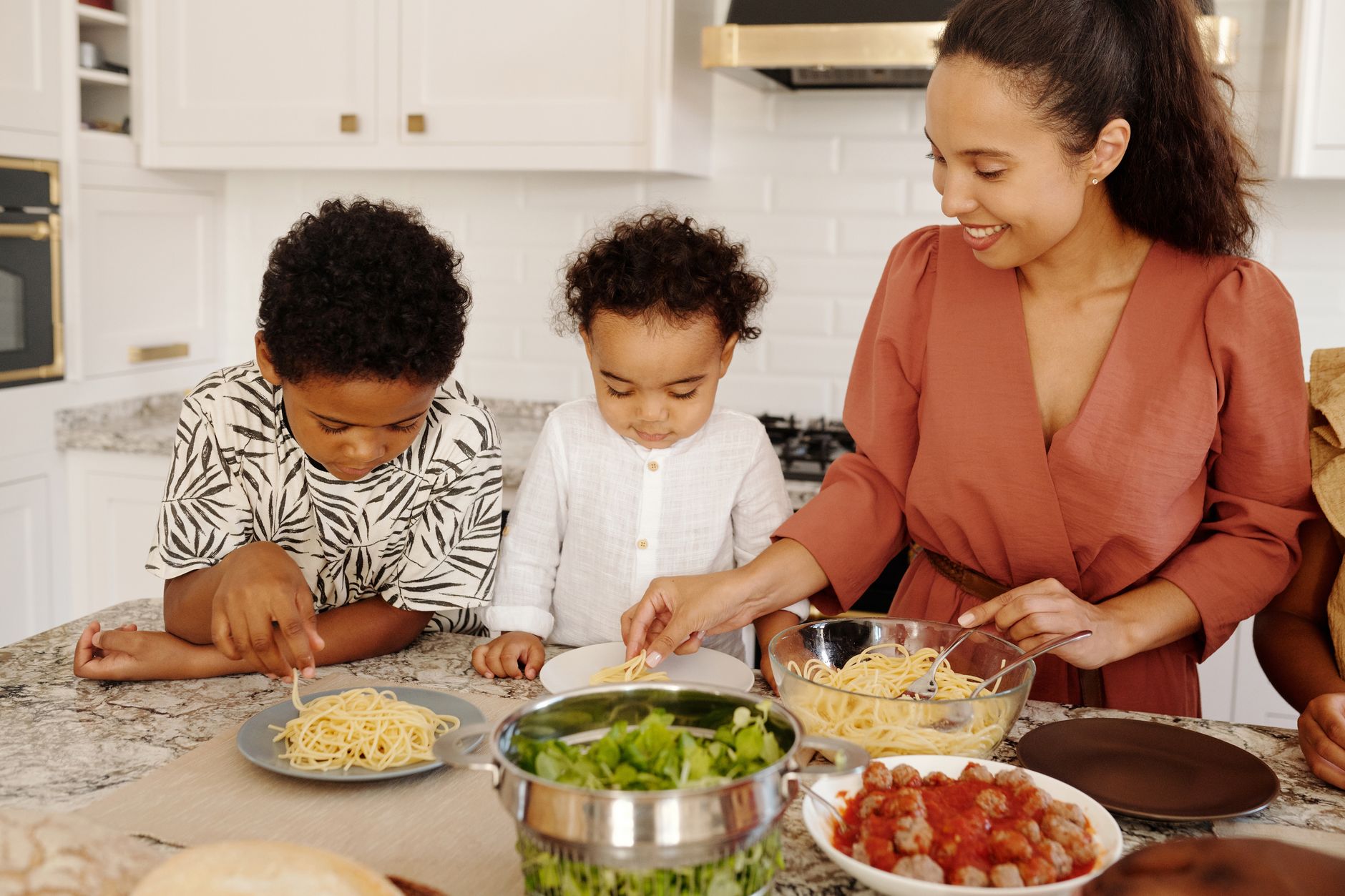
At Cáo Experiences, a kids cooking class for couples is a 3–4 hour hands-on session where parents and children (ages 6+) cook 3–4 traditional Vietnamese dishes together in a family kitchen, led by a host who speaks English and adapts each recipe for young hands. You'll prep, cook, plate and eat your own food, learning knife skills, flavor balancing, and the stories behind each dish. Classes run in Hanoi, Ho Chi Minh City, Hoi An, Da Nang and Da Lat; we match your dietary needs (allergies, vegetarian, no fish sauce) and adjust complexity for kids' abilities. Ask us for dates and a quote on WhatsApp—small groups mean we personalize every session. Ask about dates on WhatsApp
Why couples cook with kids in Vietnam instead of eating out?
Restaurant meals are fast and passive. A shared cooking class builds memory, teaches kids where food comes from, and gives you real skills to use at home. We find parents want to slow down together—phones away, hands busy, one meal taking the whole morning. Kids remember making pho more than eating it.

What dishes do kids actually manage to cook?
Kids handle spring rolls (rolling practice, no heat), simple stir-fries (with parent guidance on the stove), fresh herb salads, and basic noodle soups. We avoid anything requiring fast wok work or long standing. Most children 8+ can pound paste for caramel sauce or whisk a dipping fish sauce under supervision. Younger ones (6–7) focus on rolling, tearing herbs, and mixing bowls. We teach, not perform—your child's choppy spring roll teaches more than a perfect one would.
How do we adapt for mixed skill levels and allergies?
One parent might cook confidently; the other nervous. We run the same recipe at two speeds—the experienced partner tackles the harder steps (stir-frying protein, tempering heat) while the beginner and child work prep and assembly. If anyone has a nut allergy, shellfish sensitivity, or dislikes fish sauce, we swap ingredients before you arrive* and practice the whole recipe that way. Vegetarian families cook the same meals, just without meat or anchovy paste. We never hide substitutions or assume.
What happens if the weather turns rainy?
Rain doesn't cancel a kitchen class—we're indoors the whole time. Humidity is higher (kitchens steam more), and fresh herbs wilt slightly faster, but the cooking goes unchanged. We've never had a session actually stop mid-meal.
How do timing and energy work for young kids and senior parents?
A 3-hour class can feel long for a 6-year-old, so we build in 2–3 breaks: a herb-smelling pause, a taste of raw ingredients, a snack. Kids tire faster in heat; we keep them hydrated and seated for chopping. If a grandparent joins (and kids often cook better with grandma present), we make sure they sit for prep work and stand only when they choose. The host moves at your family's pace—no rushing. Families with toddlers should ask: we've hosted kids as young as 4 with a non-cooking adult nearby.
What do you actually take home after a kids cooking class?
Skills, photos, and appetites. We don't send you home with packed food or recipe cards (that would feel like restaurant service). You eat everything you cook together at the family kitchen table, and you leave knowing how to make that meal again. Some families photograph their child holding a completed dish; others just enjoy the memory. The real takeaway is your child saying "I made that" and meaning it. See how a session runs.
See how a session runs

Is this different from a regular Vietnamese cooking class?
Yes—dramatically. Regular cooking classes are adult-focused, run 3–4 hours, teach 4–5 dishes and assume no childcare. A kids' version (this one) runs slightly shorter, focuses on 3 dishes, includes children as actual cooks, and builds in breaks and patience. If you have kids but want an adult experience, we offer both separately; many couples come back for each.
Which Vietnamese cities run kids cooking classes?
Cáo Experiences hosts kids cooking classes in Hanoi, Ho Chi Minh City, Hoi An, Da Nang, and Da Lat. Each city's kitchen is a family home in a residential lane—never a commercial cooking school. Hanoi kitchens are in the old quarter or Tay Ho; Hoi An is near the Ancient Town; Ho Chi Minh kitchens are in District 1 or District 3. Da Lat kitchens often feature garden herbs the family grows. All are walkable from central hotels.
Comparison: Kids cooking class vs. other family experiences
| Experience | Duration | Kids age | What they do | Best for |
|---|---|---|---|---|
| Kids cooking class | 3–4 hrs | 6+ | Cook 3–4 dishes, eat, learn technique | Couples learning together with kids |
| Farm and countryside day | 4–5 hrs | 4+ | Pick vegetables, feed animals, walk fields | Families who want outdoor movement |
| Flower arranging workshop | 2–3 hrs | 7+ | Arrange one bouquet, take it home | Kids who like sitting crafts |
| Coffee workshop | 2 hrs | 8+ | Roast, grind, brew (adults taste; kids learn process) | Older kids + caffeine-free parents |
| Group family day | Full day | All ages | Mix of activities (cooking + market + craft) | Families wanting variety |
What to check before booking a kids cooking class
- Ages of your children: Classes work best 6+. Younger kids can come but may lose focus after 90 minutes; ask us first.
- Dietary needs: Tell us allergies, vegetarian choices, and dislikes before the session date. We shop accordingly.
- Mobility: Can everyone walk 10–15 minutes to the kitchen? Are stairs an issue for a senior parent?
- Language: The host speaks English; kids don't need to. Shy children warm up once cooking starts.
- Time of day: Morning classes (8:00–11:30 am) suit kids better than afternoon (2–5 pm), which fights nap time or energy crash.
- Weather: Rain doesn't stop a kitchen session. Very hot days can make standing at the stove tiring for kids; we adjust breaks.
What happens hour by hour?
Hour 1: Arrive, meet the host, walk through the kitchen, smell fresh herbs. Host shows your child where things are. You taste a raw ingredient—maybe green mango or fish sauce. Everyone chooses a dish to lead (even the shy child picks one).
Hour 2: Active cooking. Parents handle heat and knives; kids prep, mix, roll. Host talks through flavors—salty, sour, sweet, bitter—as you taste sauces. Your child may taste three versions of a dipping sauce and decide which one is "right."
Hour 3: Finish cooking, plate up, sit and eat together. Host eats with you. No performance, no photos unless you want them. Real conversation about the food, the ingredients, what was hard, what surprised them.
Hour 4 (if booked): Tea or coffee for parents, water and herb tea for kids. Casual questions, tips for cooking at home, stories about Vietnamese family meals. Photo time if you ask.
Real questions parents ask
"Will my picky eater actually try something new?" Sometimes. Kids are braver about food they've cooked themselves. We don't force tasting, but many children who refuse herbs at home will taste a spring roll they rolled. The host normalizes trying—she eats everything, talks about flavors openly. No pressure.
"Can we do this if one parent speaks no English?" Yes. The host speaks English; she explains to the non-English parent directly in simple sentences or gestures. Your English-speaking partner can translate. Kids pick up words by doing, not listening.
"What if my child gets bored or tired?" The host watches for it and adapts. A tired child can sit and be the "taster" while others cook. A bored child might jump to the next dish or take a break. We've never had a session fall apart; we just slow down or pause.
"Do we buy ingredients, or is everything included?" Everything is included. The host shops for your group before you arrive. You bring yourselves and appetites.
FAQ
What age can kids start cooking in your classes?
Six years old is our typical starting point. Kids younger than 6 can attend if a non-cooking adult stays with them, but they won't actively cook. We've hosted 4-year-olds as observers who watched a parent cook; it worked well with low expectations.
Do you run classes specifically for couples with kids, or is it a mixed-age group?
We run both private (just your family) and small group sessions (2–3 families max). Private classes let us focus entirely on your kids' pace and your needs. Ask us which suits you best.
Can grandparents join a kids cooking class with us?
Absolutely. Grandparents often cook best with grandchildren—less pressure, more patience. If mobility is an issue, the host works around it; grandma can sit and supervise while kids and parents cook, then taste everything together.
What if my child has a severe food allergy?
Tell us before we book. The host will source allergen-free versions of every ingredient—no shared utensils, no cross-contamination in the kitchen. We've run nut-free, shellfish-free, and egg-free sessions without any issues.
Do you teach Vietnamese language or just cooking?
Just cooking. Kids pick up 5–10 Vietnamese food words (like "rau" for herb, "nước mắm" for fish sauce) naturally, but the class isn't language lessons. The host speaks English the whole time.
Can we book a kids cooking class in multiple cities during a trip?
Yes. If you're visiting Hanoi then Hoi An, we can arrange classes in both. Each city's kitchen and host are different, so the experience stays fresh. Ask us for multi-city availability.
Ask about dates
Tell us the city, your dates and what you would like to try. We reply on WhatsApp in English with options and availability.
FAQ
What age can kids start cooking in your classes?
Six years old is our typical starting point. Kids younger than 6 can attend if a non-cooking adult stays with them, but they won't actively cook. We've hosted 4-year-olds as observers who watched a parent cook; it worked well with low expectations.
Do you run classes specifically for couples with kids, or is it a mixed-age group?
We run both private (just your family) and small group sessions (2–3 families max). Private classes let us focus entirely on your kids' pace and your needs. Ask us which suits you best.
Can grandparents join a kids cooking class with us?
Absolutely. Grandparents often cook best with grandchildren—less pressure, more patience. If mobility is an issue, the host works around it; grandma can sit and supervise while kids and parents cook, then taste everything together.
What if my child has a severe food allergy?
Tell us before we book. The host will source allergen-free versions of every ingredient—no shared utensils, no cross-contamination in the kitchen. We've run nut-free, shellfish-free, and egg-free sessions without any issues.
Do you teach Vietnamese language or just cooking?
Just cooking. Kids pick up 5–10 Vietnamese food words (like "rau" for herb, "nước mắm" for fish sauce) naturally, but the class isn't language lessons. The host speaks English the whole time.
Can we book a kids cooking class in multiple cities during a trip?
Yes. If you're visiting Hanoi then Hoi An, we can arrange classes in both. Each city's kitchen and host are different, so the experience stays fresh. Ask us for multi-city availability.
More like this
Experiences for families and kids
Family workshop Vietnam vs Thailand: where to take kids in 2026
Vietnam and Thailand both offer immersive family workshops, but the pace, cost structure, and focus differ significantly. We run both types of sessions at Cáo Experiences and can help you choose.
Experiences for families and kids
Family Workshop Vietnam Gift Voucher: What Works Best
A family workshop gift voucher in Vietnam lets relatives experience cooking, craft, horse riding or tea together—no tickets, no queues, real hands-on time. We help you pick the right session type and duration for the ages and interests in your group.
Experiences for families and kids
Family workshops in Vietnam for Indian travelers: what to expect
Indian families visiting Vietnam often wonder how to keep children engaged and learn something authentic together. Cáo Experiences runs small-group and private workshops—cooking, coffee, flower arranging, craft, and farm days—designed for kids, parents, and grandparents, hosted in English with real