
Home › Blog › Experiences for families and kids
Kids Cooking Class in Vietnam in January: What to Book
By the Cáo Experiences team · 2026-11-06
A kids cooking class in Vietnam with Cáo Experiences is a 2–3 hour hands-on session where children (ages 5+) learn to prepare 3–4 Vietnamese dishes alongside a host in a family kitchen. Sessions run year-round; January is ideal because the weather is cool and many families have holiday time. We adapt every class to the group's age, dietary needs, and language level. Children work in small groups (usually 2–8 kids) and take home the food they cook. No prior cooking experience is needed. We've hosted kindergarteners learning to fold dumplings and teenagers mastering fish sauce balance. Cost depends on group size, location, and dietary requirements—ask us for dates and a quote on WhatsApp. Avoid booking during extreme heat (May–September) if outdoor market walks are part of your plan; January requires only light layers.
Why January is peak season for kids cooking in Vietnam
January falls after Christmas holidays and during Tet school breaks across Vietnam, so families have flexible schedules. The weather is cool—daytime temps hover around 15–20°C in the north and 25–28°C in the south—meaning kids won't overheat while standing over a stove or walking to a market. Humidity is low, ingredients are fresh, and kitchens feel comfortable for a 2–3 hour session. Rainy days are rare, so outdoor market walks (if included) rarely need rescheduling. We've noticed kids learn better when they're not sweating; they focus on technique and taste instead of being tired. This is also when Vietnamese families celebrate Tet, so hosts sometimes teach kids how to make traditional dishes their own families prepare—a deeper cultural moment than other seasons offer.
What kids actually cook in a typical session
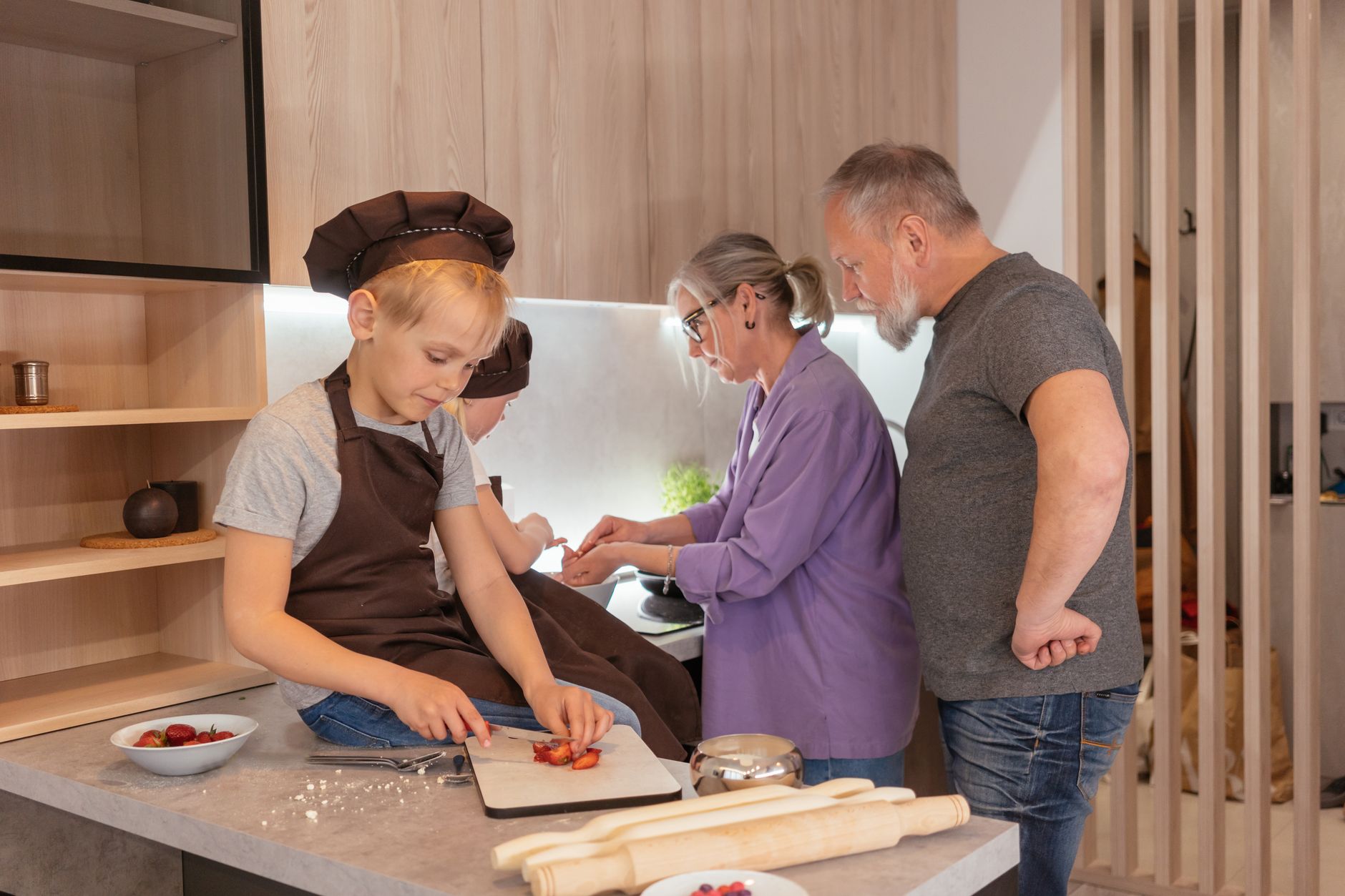
We always start with spring rolls because they're forgiving and visually impressive. Kids tear lettuce, learn to roll rice paper without tearing it, and fill rolls with herbs, noodles, and protein (tofu, shrimp, or pork depending on diet). Some kids finish their first roll in 10 minutes; others take 20—we never rush. Next is often a stir-fry: we teach kids to prep vegetables (slice, dice, rough chop), understand heat levels, and add ingredients in the right order. They taste the difference between raw garlic and cooked garlic. For the third dish, we might teach dumpling folding, soup-making, or a simple curry. Every class ends with eating together at the kitchen table. We never skip washing hands, touching hot surfaces safely, or letting kids hold a knife appropriately for their age. Our Vietnamese cooking class page shows the types of dishes adults learn; kids' versions are simpler but the same fundamentals apply.
How we adapt for different ages and skill levels
A 5-year-old and a 14-year-old learn side by side but with different jobs. The younger child might tear herbs or arrange plate components while the older one minces garlic or flips a stir-fry. We pre-cut some ingredients for safety and speed; kids still see and taste every step. Beginners often worry they'll "ruin" the food—we teach them that seasoning and retasting are how cooks learn, not how they fail. Kids with nut allergies, vegetarian diets, or religious food rules are catered to from the booking message onwards; we adapt recipes, not compromise safety. We've taught kids who speak only English, only Vietnamese, and mixed languages—our hosts are bilingual and patient with the pace. Shy kids often open up once they're holding a wooden spoon. Hyperactive kids calm down when they're doing something with their hands. We don't use this time to "tire them out"; we use it to let them discover their own rhythm in a kitchen.
Choosing between a market walk, kitchen-only, or full-day farm experience
Some families ask: should we add a morning market visit? Here's how to decide.
| Experience type | Best for | Duration | What you learn | Weather risk |
|---|---|---|---|---|
| Kitchen-only class | 5–10 year-olds, picky eaters, shorter attention spans, first-time cooks | 2 hours | Knife skills, heat control, seasoning, plating | None—indoors |
| Market + cooking | 8+ year-olds, curious kids, families wanting cultural context | 3–4 hours | Where ingredients come from, how to choose quality, then cook with them | Rare in Jan; crowds mid-morning |
| Farm day + cooking | 6+, nature-loving families, half-day commitment, groups of 4+ | 4–5 hours | Seasonal crops, farm animals, cooking with fresh-picked vegetables | Low; Jan weather is ideal |
| Street food and market tour variation | Teenagers, food-adventurous kids, tasting-focused | 3 hours | Street food culture, vendor stories; minimal cooking | None—walking only |
January weather makes farm visits especially pleasant—farm and countryside experiences run smoothly with clear skies and no afternoon storms.
Allergies, dietary rules, and ingredient sourcing
Tell us about allergies and diets the moment you book. We source ingredients from neighborhood markets and trusted suppliers a day or two before your session. If a child is allergic to peanuts, we use sesame oil instead and check every spice jar. If dairy-free, we cook with coconut milk. If halal, we source accordingly. We've never had a cross-contamination incident because we treat every restriction as non-negotiable, not inconvenient. One family arrived with a child allergic to shellfish; we taught them a vegetable-based version of spring rolls and a tofu stir-fry instead. Another group had a vegetarian and a meat-eater; they cooked both proteins separately and mixed garnishes and rice. This flexibility is why many families book repeat sessions—they trust that we listen and adapt without fuss.

What to bring, wear, and prepare before your session
Wear something you don't mind getting splashed. Aprons are provided, but fish sauce and turmeric stain. Bring a phone or camera if you want photos—many kids love documenting what they've made. Tell kids in advance: "You'll be cooking, not watching a cooking show." That sets the right expectation. Bring any medications or snacks for blood-sugar crashes (we offer water and sometimes tea, but not a full snack spread). If anyone has motion sickness or sensitivity to strong smells, let us know—we open windows and work at a slower pace. For family experiences that include siblings of very different ages, expect to stagger tasks—a toddler and a 12-year-old won't do the same job, and that's fine. Arrive 10 minutes early so kids can meet the host and settle into the space.
Rainy-day plans and what happens if January is wet
January rain in Vietnam is rare but possible, especially in the north (Hanoi, northern coast). If we're doing an outdoor market walk, we reschedule to a kitchen-only session or a covered market visit instead. We don't cancel; we adapt. A rainy day actually makes for a cozier, more focused cooking session—fewer distractions, more time for technique. Kids who are anxious about crowds often prefer rainy-day alternatives. We've never had a session where weather ruined the experience; we've only had sessions where weather changed the shape of it.
How to book: the WhatsApp workflow
Message us with: child's age(s), dietary needs, number of kids, your preferred city (Hanoi, Ho Chi Minh City, Hoi An, Da Nang, or Da Lat), and whether you want a market visit included. Once confirmed, we send a WhatsApp reminder a week before with parking info, what to wear, and the host's name. On the day, the host greets you at the kitchen entrance and starts with a short chat to learn if anyone is nervous or allergic to something not mentioned yet. Photos are yours to keep; we don't upload them unless you ask. After the session, you have time to eat together and pack up any leftovers.
What to check before you book
- Confirm the session is in a family kitchen, not a commercial cooking school. We run classes in actual working kitchens where hosts live or regularly teach—not in hotels or tourist centers. Ask the host's name and location type.
- Clarify the age range in your group. A 4-year-old and an 8-year-old learn very differently. Be honest about energy levels and dietary restrictions.
- Ask if ingredients are included in the quote. They always are. Nothing extra to buy.
- Confirm the cancellation and rescheduling policy via WhatsApp. January books fast; know how much notice you need to move a date.
- Check whether the session includes a market walk or stays in the kitchen. Don't assume—ask during booking.
Next steps
Explore our family experiences to see other age-appropriate activities: flower arranging, art classes, tea sessions, and more.
If your family also wants to explore Vietnamese culture beyond cooking, ask us about days that combine cooking with coffee workshops, craft workshops, or art and culture classes.

FAQ
What is the youngest age we accept?
We've taught kids as young as 5 in group sessions. Younger siblings (3–4) can sit and taste but not cook. One-on-one private sessions sometimes work for confident 4-year-olds. Ask us—we'll assess based on attention span and kitchen safety comfort.
Do kids need to speak Vietnamese?
No. Our hosts are bilingual in English and Vietnamese. We teach cooking terms in both languages. Kids pick up food words naturally (tỏi = garlic, nước mắm = fish sauce) without pressure.
What if a child is picky or refuses to eat what they cooked?
It happens. Cooking something yourself often breaks down resistance, but not always. We never force tasting. Kids get to eat bread, rice, or a simpler dish alongside. The real win is watching them make food with their own hands.
Can a parent stay and watch, or should we leave?
Either is fine. Many parents hover anxiously at first; we gently suggest they sit at the table with tea or coffee. Some parents cook alongside their child—this often deepens the bonding. Ask your host on the day what feels right.
How much food do kids actually eat, and do we take leftovers home?
Kids usually eat 50–70% of what they cook (they're full or tired by the end). Yes, you take home sealed containers of any remainder. Pack a cool bag if you're eating it later that day.
Is January the only good month, or can we book other times?
January is ideal for comfort and availability. December, February, and March are also pleasant. Avoid May–September (heat and humidity make kids uncomfortable and markets are crowded). Ask us for dates and we'll suggest the best window for your family.
Ask about dates
Tell us the city, your dates and what you would like to try. We reply on WhatsApp in English with options and availability.
FAQ
What is the youngest age we accept?
We've taught kids as young as 5 in group sessions. Younger siblings (3–4) can sit and taste but not cook. One-on-one private sessions sometimes work for confident 4-year-olds. Ask us—we'll assess based on attention span and kitchen safety comfort.
Do kids need to speak Vietnamese?
No. Our hosts are bilingual in English and Vietnamese. We teach cooking terms in both languages. Kids pick up food words naturally (tỏi = garlic, nước mắm = fish sauce) without pressure.
What if a child is picky or refuses to eat what they cooked?
It happens. Cooking something yourself often breaks down resistance, but not always. We never force tasting. Kids get to eat bread, rice, or a simpler dish alongside. The real win is watching them make food with their own hands.
Can a parent stay and watch, or should we leave?
Either is fine. Many parents hover anxiously at first; we gently suggest they sit at the table with tea or coffee. Some parents cook alongside their child—this often deepens the bonding. Ask your host on the day what feels right.
How much food do kids actually eat, and do we take leftovers home?
Kids usually eat 50–70% of what they cook (they're full or tired by the end). Yes, you take home sealed containers of any remainder. Pack a cool bag if you're eating it later that day.
Is January the only good month, or can we book other times?
January is ideal for comfort and availability. December, February, and March are also pleasant. Avoid May–September (heat and humidity make kids uncomfortable and markets are crowded). Ask us for dates and we'll suggest the best window for your family.
More like this
Experiences for families and kids
Family workshop Vietnam vs Thailand: where to take kids in 2026
Vietnam and Thailand both offer immersive family workshops, but the pace, cost structure, and focus differ significantly. We run both types of sessions at Cáo Experiences and can help you choose.
Experiences for families and kids
Family Workshop Vietnam Gift Voucher: What Works Best
A family workshop gift voucher in Vietnam lets relatives experience cooking, craft, horse riding or tea together—no tickets, no queues, real hands-on time. We help you pick the right session type and duration for the ages and interests in your group.
Experiences for families and kids
Family workshops in Vietnam for Indian travelers: what to expect
Indian families visiting Vietnam often wonder how to keep children engaged and learn something authentic together. Cáo Experiences runs small-group and private workshops—cooking, coffee, flower arranging, craft, and farm days—designed for kids, parents, and grandparents, hosted in English with real