
Home › Blog › Experiences for families and kids
Kids cooking class in Vietnam: questions to ask before you book
By the Cáo Experiences team · 2026-11-06
A kids' cooking class in Vietnam is a 2–3 hour hands-on workshop where children aged 4–16 learn to prepare authentic Vietnamese dishes under close supervision in a home kitchen or teaching space. At Cáo Experiences, we work in small groups (usually 2–6 kids per session) with English-speaking hosts who adapt recipes and knife work to each child's age and confidence. Kids cook real food they eat at the end—not a lecture or tourist show. The session includes shopping at a local market (or we provide ingredients), prep work, cooking, and a shared meal. We manage allergies, dietary needs, and kids who've never cooked before; we also scale back knife work for younger children and add technique depth for teenagers. Ask us for dates and a quote on WhatsApp to discuss your child's age and any dietary or skill concerns before booking. Ask about dates on WhatsApp
Do kids really cook, or just watch?
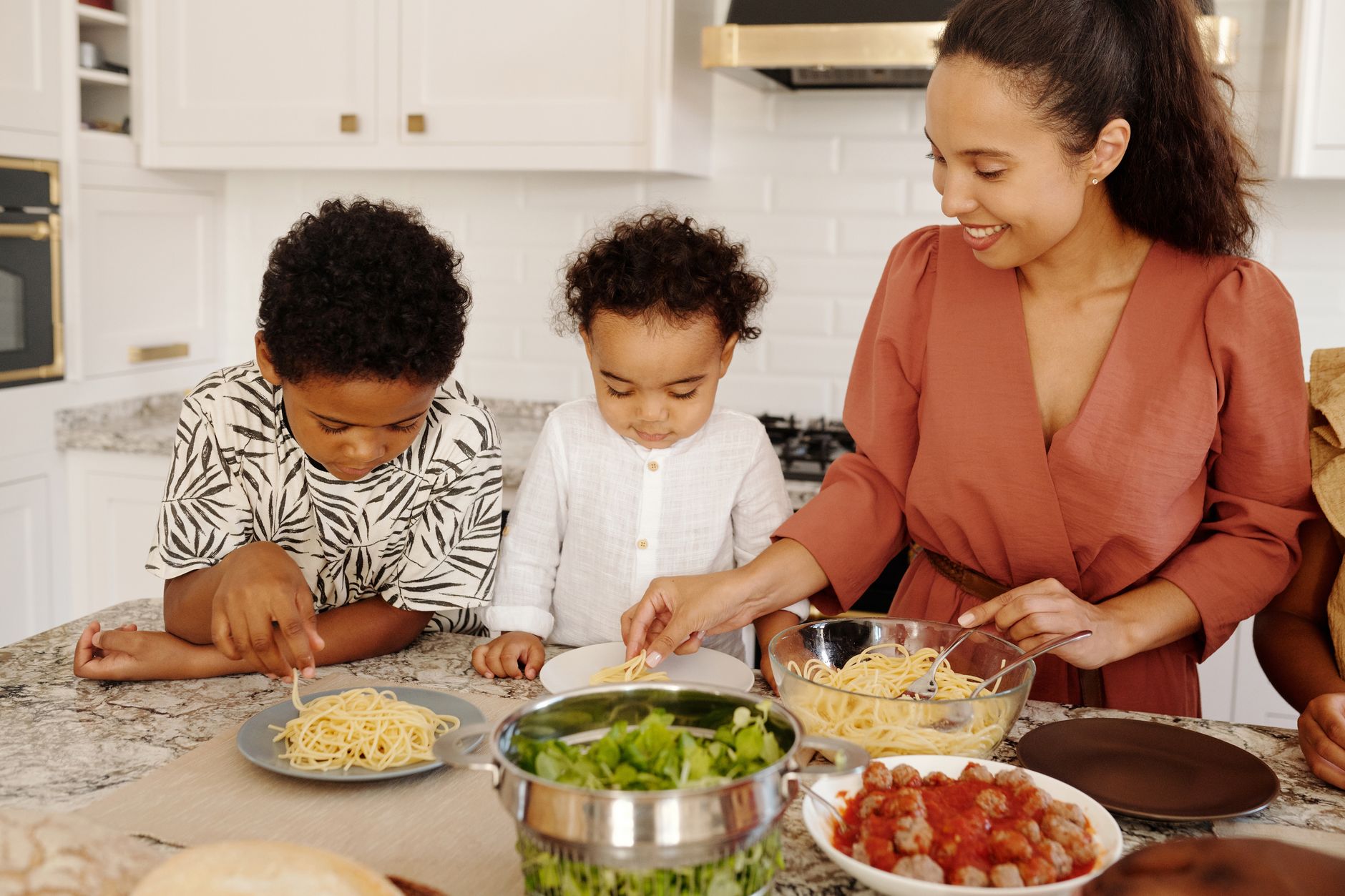
Kids do the cooking themselves—with our hands nearby. A 6-year-old will roll spring rolls, stir a pot, and arrange herbs; a 12-year-old will learn knife skills, balance flavours, and plate a dish; a teenager might handle more complex techniques like a stir-fry timing or sauce emulsification. We don't let anyone stand idle. Each child works on a station or shares one with a sibling. We guide, demo, step in if a knife slips, but the child's hands do the work. That's what makes it real—and why they actually eat what they cooked with pride.

What age can start, and what if my child has never cooked?
Kids aged 4–5 can join if a parent co-participates and they're comfortable with water and soft ingredients (herbs, noodles, wrapping). Ages 6–9 are our sweet spot for independence: they can follow steps, hold utensils safely with guidance, and taste success. Ages 10+ rarely need hand-holding. Total cooking greenhorns—at any age—are fine. We slow down, explain each step in plain English, and start with tasks like tearing herbs or whisking before moving to knives. Nervous kids often relax once they see the first ingredient go into a bowl. If your child has never cooked, tell us; we'll pick gentler recipes and spend extra time on fundamentals.
How do allergies, vegetarian, and dietary restrictions work?
We ask about allergies and diets at booking and adapt the menu before the session. If your child is vegetarian, we swap meat for tofu or extra vegetables without fuss. Nut allergies? We avoid the recipe or use a safe substitute. Shellfish sensitivity? We pick a different dish. We don't serve a separate, inferior version—we cook the adapted dish as the main class recipe so your child learns the same skill and eats the same meal as others. If a child has a severe or complex allergy (e.g., multiple cross-contamination risks), we discuss it on WhatsApp first and may suggest a private session so we can control every ingredient. Tell us early so we're not improvising on the day.
What if it rains or the market is closed?
Rain doesn't stop us. If we were planning an outdoor market walk, we either shift to an indoor market or move straight to the kitchen (we'll have sourced ingredients in advance as backup). The cooking—the main event—happens indoors either way. If a local market is unexpectedly closed on the day, we have relationships with nearby vendors who can help, or we use pre-sourced ingredients. You won't arrive and find the class cancelled. We plan for Vietnam's weather and holidays; if a change is needed, we message you via WhatsApp at least a day ahead and offer to reschedule or adjust the plan.
How do we pick a location, and what's the space really like?
We host in family kitchens in residential lanes, local cooking schools, or our teaching spaces—nowhere touristy or staged. The kitchen has a stove, counter space, running water, and room for kids to move around safely. It's real, modest, and clean; expect tiles, a small fridge, maybe hanging herbs or family photos. There's no Instagram backdrop, but there's genuine character and working conditions. For a group of 4–6 kids, a family kitchen works; for 8+, we use a larger teaching space. We'll describe the exact location and send photos via WhatsApp before you book so you know what to expect. Accessibility: if mobility is a concern, let us know and we'll find a ground-floor space.
See how a session runs
How long is a session, and what time of day works best?
Most sessions run 2–3 hours. Morning (9 a.m.–12 p.m.) is good for energy; early afternoon (2–4 p.m.) works if your child has had lunch. We avoid late evening because kids get tired and hungry. The flow is: arrival + intro (10 min), market walk or ingredient prep (20–40 min), cooking (60–90 min), eating and chat (20–30 min). If your child has a school schedule or afternoon nap, tell us and we'll fit a shorter 1.5-hour version focusing on one dish. Teenage groups sometimes want a deeper, longer class (3–4 hours) with more technique; we can arrange that too.
What should kids wear and bring?
Wear comfortable clothes—nothing white or precious because food splatters happen. Long hair tied back (heat and pots). Closed-toe shoes (hot water, dropped ingredients). An apron helps but isn't essential. Bring a small notebook if your child wants to jot down steps or recipes (we'll provide a printout too). No phone or tablet needed; this is hands-on, not a photo session. If your child has a favourite knife at home and wants to bring it, that's fine—tell us so we know what you're learning with. Sunscreen if the market walk is mid-morning. A refillable water bottle.
How does the food work—do we eat it, or take it home?
We sit down and eat together at the end of the session. This is the reward and the teaching moment: "You made this, and here's how it tastes." You eat in the kitchen or a nearby dining space. Portions are real (enough to fill a hungry 8-year-old), and there's usually rice, protein, and greens. If your child has a strong dislike of something they cooked (rare, but happens), we have backup options. You don't take food home in containers; it's a shared meal right there. If you want to extend and eat somewhere nearby after, that's your choice—we won't organise it, but it's nice if you want to decompress as a family.
Comparison: booking a kids' cooking class vs. alternatives
| Option | Time | Skill level | Cost basis | Why choose cooking |
|---|---|---|---|---|
| Kids cooking class (Cáo) | 2–3 hours | Beginner to intermediate | Ask on WhatsApp | Real food, real skills, parent-free independence, English host |
| Food tour with kids | 2–3 hours | Passive (tasting only) | Ask on WhatsApp | Good intro to flavours, less hands-on |
| Hotel kids' club activity | Varies | Often supervised play | Included in resort | Convenient, but no real learning |
| Street food market walk alone | 1–2 hours | Educational tasting | Ask on WhatsApp | Broader food exposure, not cooking |
| Private family cooking session | 2–3 hours | Beginner to advanced | Ask on WhatsApp | Customised to your child's pace, parent can join or observe |
A cooking class stands out because your child leaves with a real skill, confidence, and a meal they made themselves—not just a memory of eating something someone else prepared.
What about language—will my child understand everything?
Our hosts speak English clearly and use simple language with younger kids. We demo first, then let them try. Cooking has a rhythm: measure, mix, taste, adjust. Lots of it is visual and hands-on, so non-English kids often keep up fine. If your child speaks some Vietnamese, that's a bonus (locals in the market will love it), but it's not needed. If your child is anxious about language, a parent can sit nearby and translate, or we can arrange a quieter, more one-on-one pace. Just tell us beforehand.
Group vs. private: which suits my family?
Group sessions (4–6 kids, strangers or friends together) bring energy, peer learning, and a lower cost basis. Kids watch each other, share stations, and chat while eating. Good for confident kids, or a sibling pair. Private sessions (your kids only, maybe a friend or two) let us slow down for younger ages, adapt more aggressively for allergies or anxiety, and focus on your child's questions. More expensive, but totally worth it if your child is nervous, needs extra attention, or you want to include a grandparent. Both are hands-on; the difference is pace and personalisation.
Cooking classes across Vietnam: are they different by region?
Yes. In Hanoi, we focus on Northern classics: pho broth prep, spring rolls, egg coffee curiosities (though that last one is more adult-fun). In Hoi An, the emphasis shifts to Central dishes: cao lau noodles, white rose dumplings, local fish. In Ho Chi Minh City, you'll learn Southern staples: bánh mì assembly, Southern caramel pork, fresh herbs galore. Da Lat has a farm angle—you might pick vegetables first, then cook with them. We adapt to the region. If you're travelling to multiple cities and want to try different cuisines, we can coordinate across our team. Tell us where you're going and we'll suggest the best class for each stop.
Explore family experiences we run year-round, or check what sessions look like with more specifics.
A decision checklist before you book
- [ ] Child's age (4–16) and cooking experience (zero to experienced)
- [ ] Any allergies, dietary restrictions, or strong dislikes
- [ ] Preferred city/region and travel dates (flexible window helps)
- [ ] Group size (your kids only, or join others)
- [ ] Language comfort (does your child speak English, or is translation needed?)
- [ ] Mobility or accessibility needs
- [ ] Preferred time of day (morning, early afternoon)
- [ ] Do you want to watch, participate, or drop off?
- [ ] Any specific Vietnamese dishes your child wants to learn?
- [ ] Photos/video for memory (we're happy to take them, not a filmed production)
Once you have these clear in your head, message us on WhatsApp with your child's age and any dietary notes, and we'll suggest dates and walk you through the rest.
What actually goes wrong, and how to avoid it
- Child gets tired mid-class. We always have snacks and water on hand. If your child is not a morning person, book afternoon. A 1.5-hour short class beats a dragging 3-hour slog.
- Expectation mismatch (kid thinks it's a field trip, not cooking). Show your child photos beforehand and explain they'll be cooking, not just tasting. This curiosity makes a huge difference.
- Someone's allergic to garlic or fish sauce. We handle this, but you have to tell us early. Don't surprise us on the day.
- Child forgets they're hungry and crashes. We eat right after cooking (not hours later), and the meal is real and filling. Avoid a heavy breakfast if the class is mid-morning.
- Siblings or friends arguing over who does what. We assign stations or rotate tasks. In private sessions, we coach siblings to take turns. It rarely blows up because everyone gets a turn.
- Kitchen feels too hot or crowded. It's a real working kitchen, not air-conditioned studio space. Wear light clothes and bring water. A smaller group or earlier booking helps.
Why book with Cáo Experiences?
We're hosts, not a booking platform reselling classes. We run the sessions ourselves, adapt on the fly, and know every kitchen, market, and local vendor. We speak to your child's age and anxiety level without faking enthusiasm or hidden upsells. You message us directly on WhatsApp, we respond within hours, and you get a real person—not an automated reply. We've designed these classes for families who want their kids to actually do something, not sit and observe. That honesty and hands-on ethos is what parents tell us they value.
If you'd like to see a class in action or have questions we haven't covered, get in touch. We're happy to chat through your child's needs and find the right fit.
Pages from our team you may need
- Vietnamese cooking class
- street food and market tour
- Vietnamese coffee workshop
- flower arranging workshop

FAQ
What if my child refuses to eat what they cooked?
Rare, but it happens. We have backup rice, eggs, or fruit on hand. No shame—some kids are anxious about new flavours. We don't force it. Next time, they often taste it. The cooking skill is what they take home, not forced eating.
Can a parent watch or help during the class?
Yes. Some parents sit nearby and translate or reassure; others drop off completely. Tell us your preference. A parent's presence can help a shy child; absence gives an older kid independence. We adapt either way.
Do you offer classes in other cities like Da Lat or Da Nang?
Yes. We run family experiences in Hanoi, Ho Chi Minh City, Hoi An, Da Nang, and Da Lat. Regional dishes vary. Ask which city you're in and we'll suggest what's available.
How far in advance should I book?
1–2 weeks is comfortable, but we can often fit you in sooner if someone cancels. Longer trips (3+ weeks out) mean more scheduling flexibility. Message us your preferred dates and we'll check availability.
Can we combine a cooking class with another activity, like a market tour or craft workshop?
Absolutely. Many families pair a street food and market tour in the morning with a cooking class in the afternoon, or add a flower arranging workshop or craft workshops on another day. We'll coordinate timing and locations.
What if the class is rained out?
We shift to an indoor market or skip the market walk and cook indoors with pre-sourced ingredients. The core cooking happens either way. You won't lose your session.
Ask about dates
Tell us the city, your dates and what you would like to try. We reply on WhatsApp in English with options and availability.
FAQ
What if my child refuses to eat what they cooked?
Rare, but it happens. We have backup rice, eggs, or fruit on hand. No shame—some kids are anxious about new flavours. We don't force it. Next time, they often taste it. The cooking skill is what they take home, not forced eating.
Can a parent watch or help during the class?
Yes. Some parents sit nearby and translate or reassure; others drop off completely. Tell us your preference. A parent's presence can help a shy child; absence gives an older kid independence. We adapt either way.
Do you offer classes in other cities like Da Lat or Da Nang?
Yes. We run [family experiences](/family-experiences) in Hanoi, Ho Chi Minh City, Hoi An, Da Nang, and Da Lat. Regional dishes vary. Ask which city you're in and we'll suggest what's available.
How far in advance should I book?
1–2 weeks is comfortable, but we can often fit you in sooner if someone cancels. Longer trips (3+ weeks out) mean more scheduling flexibility. Message us your preferred dates and we'll check availability.
Can we combine a cooking class with another activity, like a market tour or craft workshop?
Absolutely. Many families pair a [street food and market tour](/street-food-tour) in the morning with a cooking class in the afternoon, or add a [flower arranging workshop](/flower-arranging) or [craft workshops](/craft-workshops) on another day. We'll coordinate timing and locations.
What if the class is rained out?
We shift to an indoor market or skip the market walk and cook indoors with pre-sourced ingredients. The core cooking happens either way. You won't lose your session.
More like this
Experiences for families and kids
Family workshop Vietnam vs Thailand: where to take kids in 2026
Vietnam and Thailand both offer immersive family workshops, but the pace, cost structure, and focus differ significantly. We run both types of sessions at Cáo Experiences and can help you choose.
Experiences for families and kids
Family Workshop Vietnam Gift Voucher: What Works Best
A family workshop gift voucher in Vietnam lets relatives experience cooking, craft, horse riding or tea together—no tickets, no queues, real hands-on time. We help you pick the right session type and duration for the ages and interests in your group.
Experiences for families and kids
Family workshops in Vietnam for Indian travelers: what to expect
Indian families visiting Vietnam often wonder how to keep children engaged and learn something authentic together. Cáo Experiences runs small-group and private workshops—cooking, coffee, flower arranging, craft, and farm days—designed for kids, parents, and grandparents, hosted in English with real