
Home › Blog › Experiences for families and kids
Kids cooking class in Vietnam: what to expect
By the Cáo Experiences team · 2026-11-06
At Cáo Experiences, a kids cooking class in Vietnam runs for 2–3 hours in a family kitchen—not a formal school. Children aged 6–16 work in small groups (usually 2–6 kids) to prepare 2–3 dishes: spring rolls, a noodle or rice dish, and dessert. Younger kids (6–10) focus on rolling, folding and cold prep; older children handle woks and heat under close supervision. We source ingredients at a local market beforehand so sessions start with fresh herbs and proteins ready. Parents can join or drop off. Cost varies by group size and location—ask us for a quote on WhatsApp. Plan for messy hands, real hunger after cooking, and a child who wants to cook at home afterward.
A kids cooking class in Vietnam is a half-day workshop where children aged 6–16 learn to roll, chop, and cook authentic Vietnamese dishes alongside a host in a home kitchen. We adapt recipes, pacing and heat exposure to age and skill.
What do kids actually cook in these sessions?
Most sessions focus on spring rolls, noodle dishes, and one simple dessert. Younger children (6–10) start with cold rolls—layering rice paper, herbs, vermicelli and cooked shrimp or tofu without heat risk. Older kids (11–16) learn to stir-fry vegetables, manage wok heat, and season broths. We never teach complex knife work to young hands; instead, we pre-slice or have kids snap herbs by hand. A typical rhythm: market walk (30 min, optional), prep and rolling (45 min), cooking at the stove (30–40 min), eating together (20–30 min). Dessert is often something cold—mango sticky rice, or shaved ice with fruit—so kids leave the kitchen before fatigue sets in.
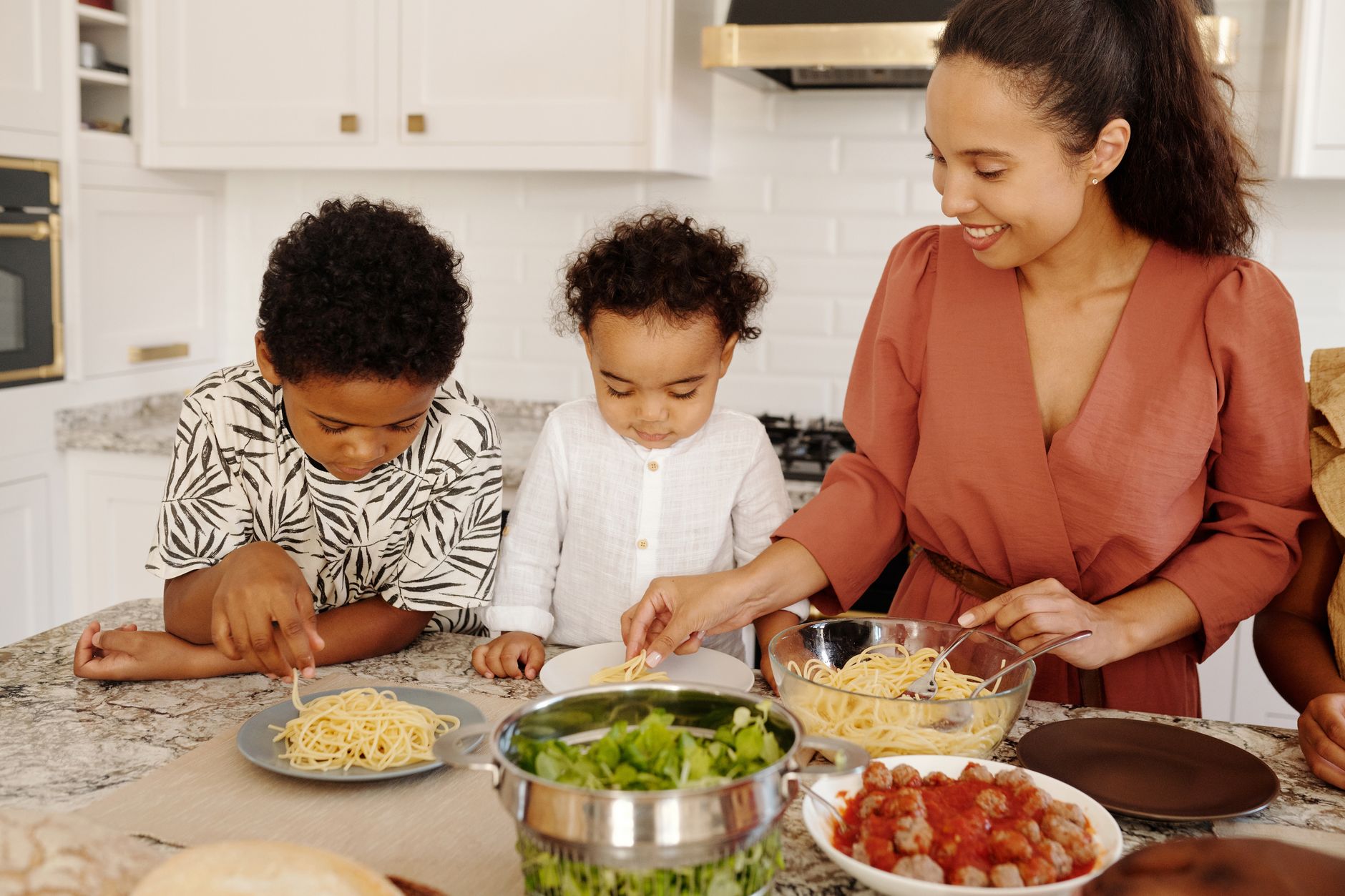
How do we keep young cooks safe around heat and knives?
Safety is non-negotiable. Children under 12 do not handle sharp knives or stand directly at the wok; instead, they tear mint and basil by hand, snap long beans into pieces, and drop ingredients into pots we hold steady. A host always stands between the child and the stove burner. We use child-height work tables and aprons with pockets so kids aren't reaching up to adult counter height. Younger siblings under 6 can sit in a corner with a grown-up (not our role) and taste as we cook, but they don't actively participate—the experience is designed for ages 6+. If a child is nervous around heat, we shift them entirely to cold prep and assembly; they still eat and feel accomplished. No child has ever been rushed or made to feel unsafe in a session we've run.
What if my child is a picky eater or has allergies?
We adapt every session. Before booking, tell us about dietary restrictions—nut allergies, vegetarian, shellfish aversion—and we'll redesign the shopping list and recipes. A child allergic to fish sauce can learn the same stir-fry technique using soy sauce instead; a vegetarian can cook tofu and vegetables while siblings cook pork. We source ingredients from suppliers we know, so we can guarantee what's in a dish. Parents should disclose allergies honestly—we take them seriously and won't surprise a child with an ingredient they fear. If a child refuses to taste what they've cooked, that's fine; the learning happens in the making, not the eating.
What's the real difference between age groups (6–10 vs. 11–16)?
| Age Group | What They Lead | Heat Role | Focus | Leaves With |
|---|---|---|---|---|
| 6–10 | Rolling, tearing, folding | Watches only | Sensory, teamwork | Spring rolls they made |
| 11–16 | Stir-frying, seasoning, plating | Handles wok, supervised | Technique, taste balance | A dish they cooked start-to-finish |
Younger kids thrive on repetition and pride—they'll roll 20 spring rolls because each one feels like a win. Older kids want to understand why: why does high heat make vegetables brown? Why does fish sauce smell but taste good? We pitch explanations to match. A 14-year-old and a 7-year-old can attend the same session; the 14-year-old handles the wok while the 7-year-old rolls, and both feel challenged. Mixed-age siblings work well if the older one is patient and the younger one isn't learning-anxious.

What should families bring or wear to a kids cooking class?
Wear closed-toe shoes and clothes that can get stained—turmeric and fish sauce don't wash out easily, and oil splashes happen. Bring nothing; we provide aprons, towels, and all ingredients. If your child has sensory sensitivities (dislikes getting hands wet, won't touch raw herbs), let us know beforehand. We'll have dry gloves and a separate prep area. Kids who love getting messy thrive; kids who are hesitant usually relax once they see other children rolling happily and taste the result. Younger kids sometimes get tired in the last 20 minutes—we always have water and a quiet corner. No phone time needed; the kitchen itself is the entertainment.
What happens if it rains or the session feels too long?
Rain doesn't cancel a cooking class—we're indoors in a home kitchen, not a market stall. If a child is overwhelmed or tired (common in younger 6–8-year-olds after 90 minutes), we shorten the cooking step and move straight to eating together. We never push a child to stay longer than they can focus. If you book a 2-hour session and your child is spent at 90 minutes, that's normal—we wrap early, pack ingredients for the parents to cook at home, and call it a success. Families sometimes rebook with a shorter duration next time, and that works equally well.
Book your family session now
What to check before you book
- Ages of attending children and any dietary needs (we adapt recipes, not sessions).
- Language: Sessions run in English; children 11+ usually engage more with explanations, but younger kids learn by watching and doing.
- Timing: Morning sessions (9–11 a.m.) suit younger children; afternoon works for older kids and families with school schedules.
- Group size: Private sessions (1–2 kids) go deeper; small-group sessions (3–6 kids) add peer energy but move faster.
- Proximity: We run sessions in family kitchens in Hanoi, Ho Chi Minh City, Hoi An and Da Nang. Check which city and ask about neighborhood.
Ask us for available dates and to discuss your family's needs on WhatsApp.
Pages from our team you may need
- Vietnamese cooking class
- street food and market tour
- Vietnamese coffee workshop
- flower arranging workshop

FAQ
Can a parent stay and watch or help?
Yes. Some parents sit in the corner; others step out for coffee nearby. If you stay, we ask you not to direct or correct—kids learn faster from us, and parents often want a break. Either way works.
What if my child has never cooked before?
Perfect. Most kids in our sessions haven't. We teach from zero. If your child can stir and tear herbs, they can participate fully.
How much of the food do kids actually eat?
All of it, usually. They're proud and hungry after cooking. Bring small appetites home, or plan a light dinner.
Is this a tourist activity or a real cooking skill?
Both. Kids learn techniques they can use at home—how to roll, when to add salt, how to manage heat. It's not restaurant training, but it's genuine cooking.
Do you teach vegetarian or vegan dishes?
Yes. We adapt all menus. Tell us in advance and we'll build a session around tofu, vegetables, and plant-based broths without compromise.
Ask about dates
Tell us the city, your dates and what you would like to try. We reply on WhatsApp in English with options and availability.
FAQ
Can a parent stay and watch or help?
Yes. Some parents sit in the corner; others step out for coffee nearby. If you stay, we ask you not to direct or correct—kids learn faster from us, and parents often want a break. Either way works.
What if my child has never cooked before?
Perfect. Most kids in our sessions haven't. We teach from zero. If your child can stir and tear herbs, they can participate fully.
How much of the food do kids actually eat?
All of it, usually. They're proud and hungry after cooking. Bring small appetites home, or plan a light dinner.
Is this a tourist activity or a real cooking skill?
Both. Kids learn techniques they can use at home—how to roll, when to add salt, how to manage heat. It's not restaurant training, but it's genuine cooking.
Do you teach vegetarian or vegan dishes?
Yes. We adapt all menus. Tell us in advance and we'll build a session around tofu, vegetables, and plant-based broths without compromise.
More like this
Experiences for families and kids
Family workshop Vietnam vs Thailand: where to take kids in 2026
Vietnam and Thailand both offer immersive family workshops, but the pace, cost structure, and focus differ significantly. We run both types of sessions at Cáo Experiences and can help you choose.
Experiences for families and kids
Family Workshop Vietnam Gift Voucher: What Works Best
A family workshop gift voucher in Vietnam lets relatives experience cooking, craft, horse riding or tea together—no tickets, no queues, real hands-on time. We help you pick the right session type and duration for the ages and interests in your group.
Experiences for families and kids
Family workshops in Vietnam for Indian travelers: what to expect
Indian families visiting Vietnam often wonder how to keep children engaged and learn something authentic together. Cáo Experiences runs small-group and private workshops—cooking, coffee, flower arranging, craft, and farm days—designed for kids, parents, and grandparents, hosted in English with real