
Home › Blog › Experiences for families and kids
Kids cooking class in Vietnam: what to expect and how to book
By the Cáo Experiences team · 2026-11-06
A kids cooking class in Vietnam through Cáo Experiences is a 2–3 hour hands-on session where children (ages 6–16, though we adapt for younger or older groups) learn to prepare 2–3 Vietnamese dishes from scratch in a family kitchen or small cooking space. Classes happen in Hanoi, Ho Chi Minh City, Hoi An and Da Nang in English, with a host who teaches knife technique, ingredient selection and flavour balance. Kids chop, mix, taste and cook—not watch. You all eat the finished dishes together. No cooking experience needed. We adjust recipes and knife work for each child's age and ability, work around food allergies, and reschedule if weather is severe. Ask us for dates and a quote on WhatsApp to check availability and discuss your group's age range, dietary needs and any kitchen anxieties. Ask about dates on WhatsApp
What age can kids actually join, and what do they really do?
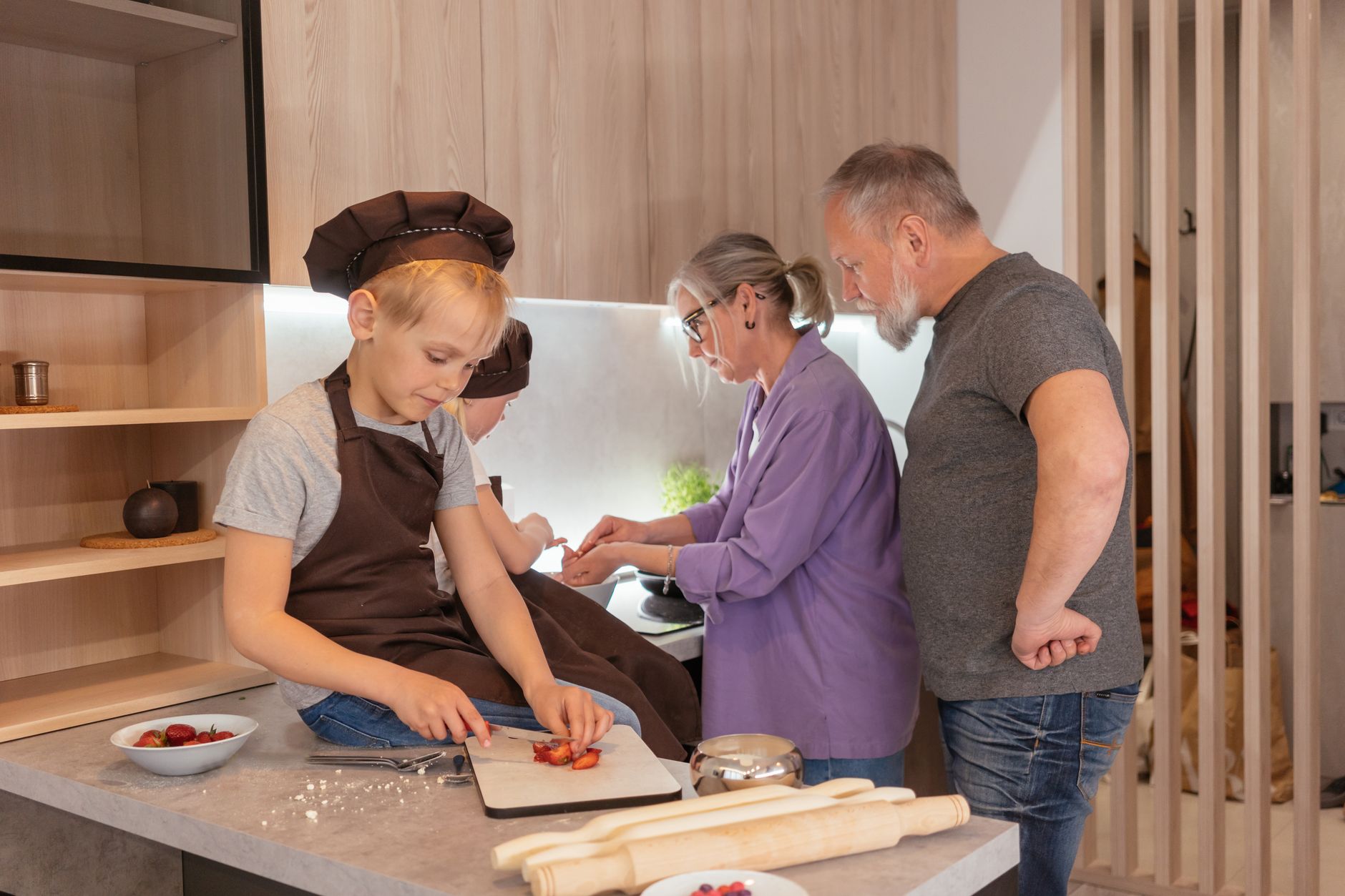
We welcome kids from around age 6, though younger siblings (4–5) can attend if a parent shadows them closely. From age 10 onwards, most kids work independently; younger ones pair with a parent or older sibling, or we assign a buddy role so they're fully involved, not sidelined. A typical session: kids wash herbs, measure fish sauce, tear lettuce, roll spring rolls (the most popular moment), dice vegetables with a child-safe knife or we supervise the sharp blade, stir soups, taste at each stage and plate their own bowl. We keep hands busy and minds engaged, not lecturing. Beginner worries we hear often—"my child won't touch vegetables," "they're picky with Asian food," "I'm nervous they'll cut themselves"—dissolve quickly because kids eat what they've seasoned and cooked themselves, small knife tasks build real confidence, and we stand right there.

Why do kids remember a cooking class longer than other activities?
A cooking class isn't passive entertainment. Kids touch, smell, taste and create something edible in 2–3 hours—a concrete win they carry home in their belly and memory. They learn that Vietnamese food isn't mysterious: it's herbs, fish sauce, lime juice and technique they can replicate. Many kids ask their parents for these ingredients weeks later. The social aspect matters too: small groups (usually 4–8 kids, or private for families) mean no chaos, real conversation with the host and other kids, and time to breathe between tasks. We've noticed that kids who claimed not to like Vietnamese food at the start will eat three bowls of pho they've helped make. That shift—from "I don't like it" to "I made this and it's good"—is the real takeaway, not just a skill.
How do we adapt for picky eaters, allergies and dietary limits?
Tell us upfront about allergies, dislikes or dietary rules (vegetarian, pescatarian, no shellfish, nut-free, gluten concerns). We adjust the menu before you arrive. A vegetarian group might make vegetable spring rolls and herb-forward soups instead of shrimp paste dishes; a kid with a shellfish allergy focuses on chicken or beef recipes instead. We keep substitutes on hand and explain each swap so the child understands they're not missing out—just cooking differently. Picky eaters often relax once they're in charge: if a child won't eat tomato, they skip it in their bowl, but watch others prepare the same dish. Peer influence and ownership work better than pressure. We ask parents not to announce "they don't like this" before the class; let kids discover their own tastes.
What's the difference between group and private sessions?
A group class (4–8 kids, usually from different families) costs less per person and brings social energy: kids chat, share knife duties, encourage each other and make friends while cooking. A private session (just your family or a close group) is longer, slower and more personalised—we can linger on one dish, tell your family's stories, adapt every single step to your kids' ages and interests, and perhaps include a market walk first. Private sessions suit kids nervous around strangers, very young children, families wanting to spend quality time together, or groups with mixed ages (a 7-year-old and a 14-year-old learn together, each with different responsibilities). Group classes suit kids who enjoy new friends, families wanting a shorter experience, and those on a tighter schedule. Weather doesn't stop us: we cook indoors in small, well-ventilated kitchens, and we reschedule only if there's a flood or extreme warning.
How does this fit into a family trip or expat's weekly routine?
Most families book a kids cooking class as part of their family experiences during a 3–5 day visit to one city. A morning class (9 a.m.–12 p.m., often the best light and coolest time) leaves the afternoon free for a market walk, rest or another activity. Working parents and expat families sometimes book recurring private classes—once a month or fortnightly—to build skills over time and give kids a regular creative outlet. We coordinate entirely by WhatsApp: you choose dates and times, tell us the ages and any dietary info, and we confirm a kitchen location, what ingredients to expect and what to bring (none, usually—we provide aprons and tools). On the day, arrive 10 minutes early, kids wear clothes they don't mind getting wet, and bring a small container if they want to take home leftover herbs or sauce.
| What kids learn | Solo or group? | How long | Why it works |
|---|---|---|---|
| Knife grip, vegetable cuts, herb recognition | Both | 2–3 hours | Hands-on repetition builds muscle memory |
| Flavour balance (sweet, salty, sour, spicy) | Both | Same session | Kids taste, adjust and taste again—no theory |
| Confidence around new foods | Group | Best in groups | Peer curiosity overcomes individual hesitation |
| Family cooking traditions | Private | 2.5–3 hours | Host can share stories, adapt to your family's pace |
| Independence in the kitchen | Private for repeat visits | Multiple sessions | Building on previous skills deepens mastery |
What should you check before you book?
Confirm the age range of your group. Classes for 6–9 year-olds focus on rolling, mixing and tasting; sessions with teens (12+) include knife skills and sauce-making. Mixed-age groups work, but tell us so we can assign tasks fairly.
Mention food fears or allergies immediately. There's no shame in a child who won't eat coriander or has a sesame allergy. We adapt the menu, but we need notice.
Ask about the kitchen location. Is it in the old city, a residential lane, a cooking school or a family home? Each has a different feel. We describe it so you know what to expect.
Check the menu options. Will kids learn spring rolls, pho, stir-fried noodles or soup? Can you request a particular dish? We usually offer a choice.
Plan the schedule around meal times. A morning class (kids eat what they cook for a late breakfast or lunch) works better than an evening one; nobody's hangry or rushed.
Bring water and a camera. We provide aprons and tools. Kids love photos of their finished plates.
Real reasons this matters beyond cooking
Kids who spend a morning chopping and tasting Vietnamese herbs develop palates that stick with them. They see food—their own food—as something they control, not something served to them. In a country where food culture is inseparable from identity, a cooking class gives kids a doorway into Vietnamese life that a museum or market tour alone cannot. They meet a local host, ask questions (why does this dish need lime? what is this leaf?), and leave with a real skill and a full stomach. For expat kids in Vietnam, it's a way to feel less foreign and more curious. For visitors, it's a memory of doing something, not just seeing something.
Pages from our team you may need
- Vietnamese cooking class
- street food and market tour
- Vietnamese coffee workshop
- flower arranging workshop

FAQ
Do kids need to know how to use chopsticks or speak Vietnamese?
No. We teach eating and cooking in English. Chopstick skills develop naturally if kids want to try; we have forks available. Vietnamese words for ingredients come up, but it's never a requirement.
What if a child gets bored or tired during the class?
A 2–3 hour session is designed to keep hands busy, so boredom is rare. We pace it so there's a break, a tasting moment or a transition every 15–20 minutes. If a child is genuinely tired or overwhelmed, we pause, they rest, and we adjust the remaining tasks. Tell us beforehand if your child has a short attention span; we can shorten to 90 minutes.
Can parents cook too, or do we just watch?
Parents cook alongside their kids, or supervise and help as needed. There's no "parent zone"—you're all hands-on. If you're nervous about cooking, the host guides everyone equally. Many parents say they learned as much as the kids.
What if my child has never tried Vietnamese food?
Perfect. That's the whole point. We start with familiar flavours (like a clear broth or mild stir-fry) and build from there. By the end of the class, most kids who were hesitant eat seconds. The flavours they've assembled taste better to them because they made them.
Can we book a private class for just our family?
Yes. Ask us for dates and a quote on WhatsApp. Private sessions are longer (often 3 hours), more personalised, and you can choose the exact menu and starting time.
What happens if it rains on the day?
We cook indoors in a covered, well-ventilated kitchen. Rain doesn't cancel us unless there's a severe weather warning or flooding. We've never had to cancel for light rain or heat.
Ask about dates
Tell us the city, your dates and what you would like to try. We reply on WhatsApp in English with options and availability.
FAQ
Do kids need to know how to use chopsticks or speak Vietnamese?
No. We teach eating and cooking in English. Chopstick skills develop naturally if kids want to try; we have forks available. Vietnamese words for ingredients come up, but it's never a requirement.
What if a child gets bored or tired during the class?
A 2–3 hour session is designed to keep hands busy, so boredom is rare. We pace it so there's a break, a tasting moment or a transition every 15–20 minutes. If a child is genuinely tired or overwhelmed, we pause, they rest, and we adjust the remaining tasks. Tell us beforehand if your child has a short attention span; we can shorten to 90 minutes.
Can parents cook too, or do we just watch?
Parents cook alongside their kids, or supervise and help as needed. There's no "parent zone"—you're all hands-on. If you're nervous about cooking, the host guides everyone equally. Many parents say they learned as much as the kids.
What if my child has never tried Vietnamese food?
Perfect. That's the whole point. We start with familiar flavours (like a clear broth or mild stir-fry) and build from there. By the end of the class, most kids who were hesitant eat seconds. The flavours they've assembled taste better to them because they made them.
Can we book a private class for just our family?
Yes. Ask us for dates and a quote on WhatsApp. Private sessions are longer (often 3 hours), more personalised, and you can choose the exact menu and starting time.
What happens if it rains on the day?
We cook indoors in a covered, well-ventilated kitchen. Rain doesn't cancel us unless there's a severe weather warning or flooding. We've never had to cancel for light rain or heat.
More like this
Experiences for families and kids
Family workshop Vietnam vs Thailand: where to take kids in 2026
Vietnam and Thailand both offer immersive family workshops, but the pace, cost structure, and focus differ significantly. We run both types of sessions at Cáo Experiences and can help you choose.
Experiences for families and kids
Family Workshop Vietnam Gift Voucher: What Works Best
A family workshop gift voucher in Vietnam lets relatives experience cooking, craft, horse riding or tea together—no tickets, no queues, real hands-on time. We help you pick the right session type and duration for the ages and interests in your group.
Experiences for families and kids
Family workshops in Vietnam for Indian travelers: what to expect
Indian families visiting Vietnam often wonder how to keep children engaged and learn something authentic together. Cáo Experiences runs small-group and private workshops—cooking, coffee, flower arranging, craft, and farm days—designed for kids, parents, and grandparents, hosted in English with real