
Home › Blog › Experiences for families and kids
Kids Cooking Class Vietnam for Indian Travelers
By the Cáo Experiences team · 2026-11-06
At Cáo Experiences, we host kids cooking classes in family kitchens across Hanoi, Ho Chi Minh City, Hoi An, and Da Lat, typically 2.5 to 3 hours long. Children as young as 5 participate; those 8+ often handle most tasks independently. Each session includes market context (which herbs, why), hands-on prep of 3–4 dishes (fresh spring rolls, stir-fries, a soup or caramel), and eating together at the end. We adapt portions, heat levels, and tasks for skill—kids peel and tear while adults knife; Indian guests often request no fish sauce or reduced chili, which we do without fuss. Ask us for dates and a quote on WhatsApp, and tell us about dietary needs and ages when you book.
Why do Indian families choose Vietnamese cooking over Thai or other options?
Vietnamese food shares more with Indian home cooking than most assume: both rely on fresh herbs as flavor, not cream; both balance salty, sour, and a light heat; neither cooks meat to ash. Indian children often find spring rolls and stir-fries less intimidating than curries—rolling teaches technique without the long spice-blooming you need for a proper masala. No ghee or yogurt dominates; the base is fish stock or light broth, which feels cleaner to some palates. The class itself is slower than restaurant service—kids see that bánh chưng (sticky rice cake) takes real patience, that a good dipping sauce is three ingredients, not five—which mirrors how many Indian homes cook.
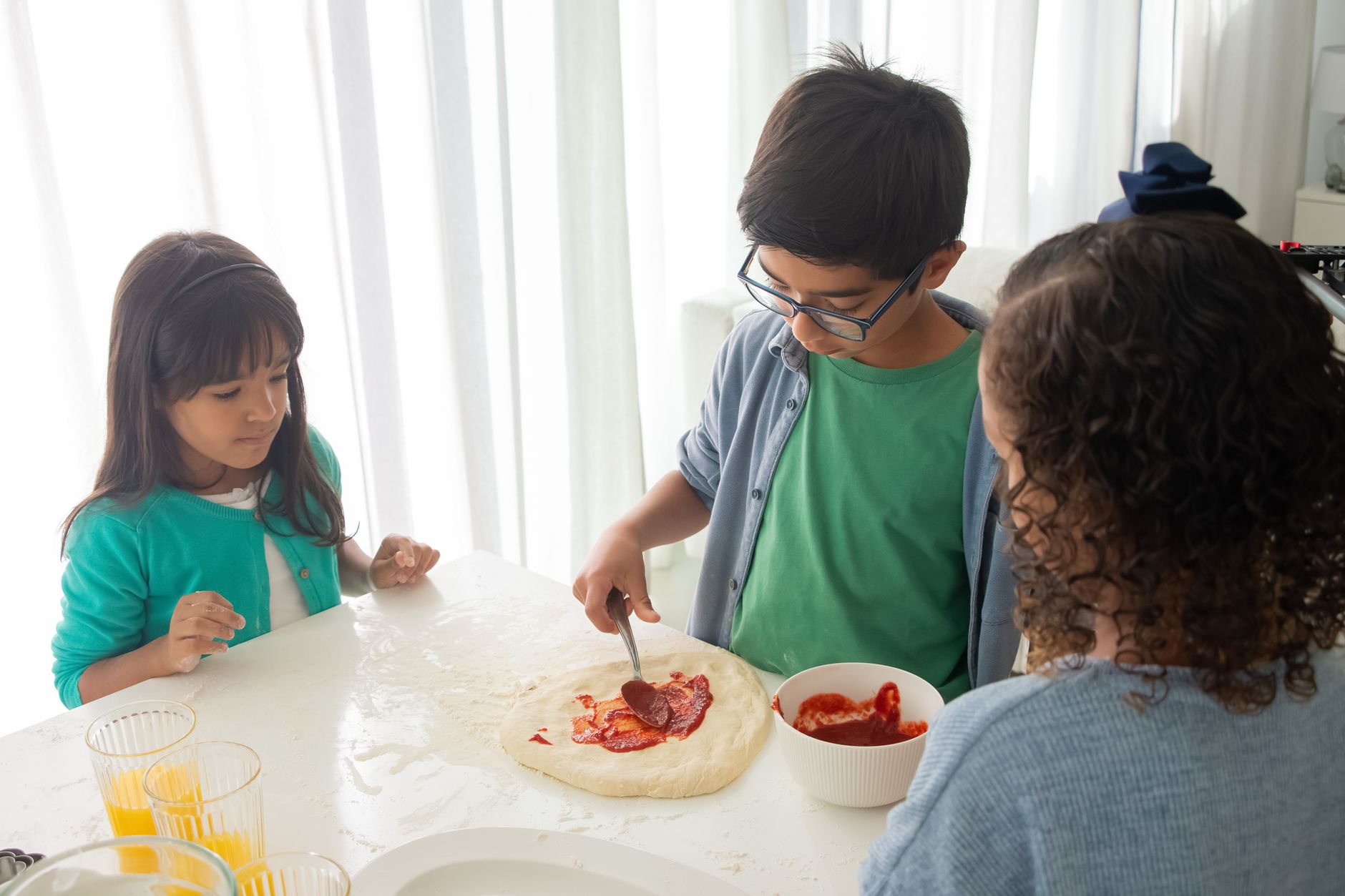
What do we cook, and can it be adapted for vegetarian or fish-sauce-free diets?
We build each menu around what's fresh and what we know your family eats at home. A typical session might include:
- Fresh spring rolls (the rolling itself is the skill—kids love the texture and see how rice paper works).
- A stir-fried green vegetable (water spinach, bok choy, or morning glory, depending on season and allergies).
- A light soup or caramel (often chicken or shrimp, but we do tofu and vegetable broth versions—no upselling, just what fits).
- Dipping sauce (fish sauce is traditional, but Indian guests often ask for soy-vinegar or lime-herb alternatives, which taste completely different but are genuine Vietnamese options).
Indian families frequently request no fish sauce, reduced or no shrimp paste, and palm sugar or rock sugar instead of dark caramel (if someone has a refined-sugar sensitivity). We don't treat these as compromises—vegetarian spring rolls are just as much work, and a soy-based dip teaches kids that salt, acid, and umami matter more than any single ingredient. Kids with nut allergies find this class easier than many Thai options because peanuts aren't in the core dishes.
How do we handle spice levels when kids have never eaten chili?
This is the most common worry from Indian parents bringing younger children, and it's easier to solve than you'd think. Vietnamese cooking uses fresh chili, not dried heat built into a spice blend—so a 6-year-old can taste a pinch of fresh red chili without it coating their mouth for 10 minutes. We teach kids to seed and slice chili, then offer it as an optional condiment on the side, like how you'd serve a small chutney. Adults control the heat; kids decide if they want any. Many Indian families are surprised to learn that Vietnamese cooking doesn't stack heat—a stir-fry is relatively mild, and you add kick at the table.
If a child has eaten Indian food their whole life but isn't a spice eater, Vietnamese cuisine often suits them better: less layered intensity, more fresh-herb brightness. We don't hide chili in dishes. If someone wants to avoid it entirely, we make their portions without it and no one notices or comments.

Which cities and seasons work best for a family session?
We run sessions year-round in Hanoi, Ho Chi Minh City, Hoi An, Da Nang, and Da Lat. Hanoi and Ho Chi Minh City have sessions almost every week; Hoi An and Da Lat are quieter but offer a slower pace and smaller groups. Rainy season (May–September) doesn't cancel a class—kitchens are indoors—but we skip street-market components and use pre-selected herbs if a morning trip isn't safe. Cool-season (November–February) is easiest with young kids, since you're not cooking in humid heat and children concentrate better.
Many Indian families time visits around school holidays; we coordinate group bookings for 4–6 families. Booking 2–3 weeks ahead gives us time to source ingredients and hear your family's needs.
What should we wear, bring, and expect on the day?
Wear comfortable clothes you don't mind a splash of turmeric or soy sauce on; closed-toe shoes are safest around a hot stove. Bring a phone for photos and a small notebook if you want to jot down herb names in Vietnamese (many Indian travelers do, for future cooking at home). Plan to arrive 15 minutes early; we'll show you the kitchen, introduce you to your host, and chat about any last allergies or worries.
A typical 3-hour session runs like this:
- Intro and prep (20 min): Meet your host, wash hands, taste fresh ingredients.
- Knife and prep work (40 min): Kids roll or tear; adults slice. Lots of tasting.
- Cooking (50 min): Two dishes on the stove or steamer at once. Kids rotate tasks.
- Final touches and eating (30 min): Plating, sauce assembly, sitting together to eat.
Kids get tired toward hour 2.5, so we build in snack breaks and let younger ones sit out once they've cooked. Indian families appreciate that we don't rush—this isn't a performance, it's a long, messy, real cooking morning.
| Aspect | What to know | Why it matters |
|---|---|---|
| Ages | 5+ (adult support needed below 8) | Younger kids need close supervision near heat. |
| Group size | 2–6 people per session | Feels family-like, not chaotic. |
| Duration | 2.5–3 hours | Long enough to cook properly, not so long kids zone out. |
| Vegetarian option | Full menu available | No fish sauce unless you ask; tofu/veg always in stock. |
| Allergy prep | Tell us when you book | We source accordingly, no last-minute swaps. |
| Rainy day | Class continues (we skip market walks) | Kitchen work is unaffected; we adapt activities. |
| Cost basis | Private group or small-group rates | Ask us for dates and a quote on WhatsApp |
What do Indian parents say they wish they'd known before the class?
The biggest surprise is how quiet and focused kids become. Many parents expect chaos—kids running around a kitchen—but the opposite happens: there's something about actually cooking a meal that grounds them. Knife work and rolling draw total focus. Second surprise: how much they remember. A 7-year-old will come back to the hotel kitchen two days later and want to make spring rolls again.
Indian families also mention that the pace is slower than they expected in a good way. We're not rushing through six dishes. We make three or four really well. One mother from Delhi told us afterward, "I thought my daughter would be bored, but she asked to come back every day. She's now asking me questions about Vietnamese herbs." That's the goal.
One thing to check before you book: if a child has texture issues or is a very selective eater, a cooking class isn't a panacea. They might love the process but refuse to eat what they've made. That's okay—we've seen it—but it's worth knowing going in. A class teaches cooking, not instant palate expansion.
For deeper context on how we structure family experiences, see our overview. If you'd like to combine cooking with other activities—such as street food and market tours, coffee workshops, or farm visits—we can build a multi-day itinerary.
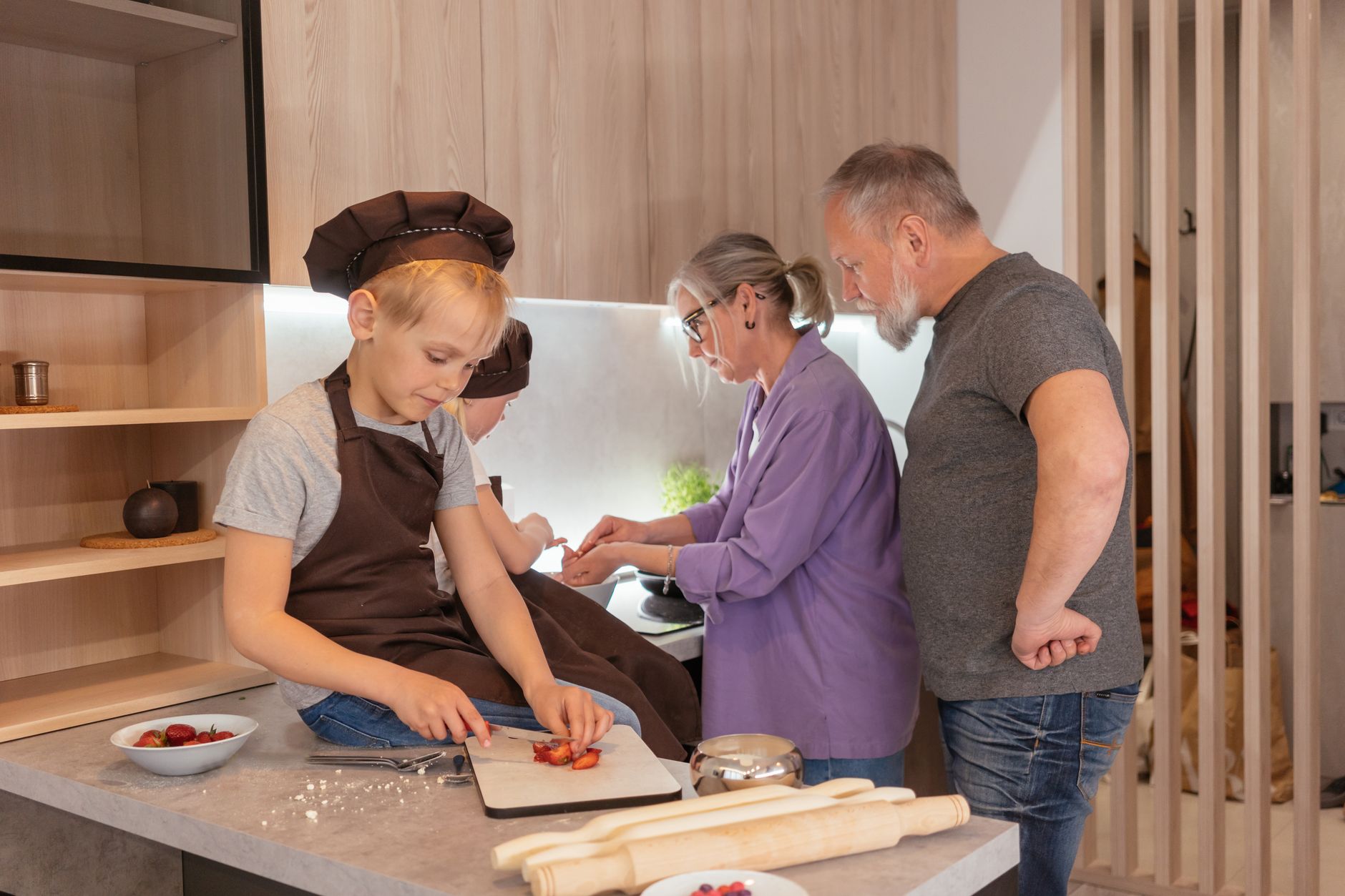
FAQ
Do we need to book a private session, or can we join a group with other families?
Both work. We run open small-group sessions (usually 2–4 families, mixed nationalities) most weeks; we also do private sessions for a single family or group of friends. Small-group is often more fun for kids because they cook alongside other children. Private is better if you have many dietary needs or strong preferences on timing. Tell us which appeals when you message.
My child has never held a knife. Will they be safe?
Yes. We start kids on soft herbs and vegetables (lettuce, cilantro), not hard ones. A host will stand next to them, guide their hand on the knife, and never leave them unattended near heat. Kids 8+ often surprise parents with their focus and precision. Younger kids do more tearing and rolling; still real cooking, just lower-risk tasks.
Are fish and seafood in every dish?
No. We usually include one seafood dish (shrimp or fish) as a teaching point, but spring rolls, stir-fries, and soups come in vegetarian or meat versions. Fish sauce is in many sauces unless you ask us to skip it. Tell us upfront if your family avoids seafood, and we'll build a meat-free or meat-based menu from the start.
What if my child gets sick or we need to cancel?
Tell us as soon as you know. We're flexible with rescheduling if there's a genuine conflict or illness. Weather doesn't cancel a class (we cook indoors), but if you're unwell, we'll sort another date. Ask about our exact cancellation terms when you book.
Will there be street-market time, or is it just kitchen-based?
It depends on the city and season. In Hanoi or Ho Chi Minh City during cool months, we sometimes walk a nearby market for 20 minutes to pick fresh herbs and chat about vendors. In rainy season or smaller towns, we focus on the kitchen—the cooking is the heart of it. We'll tell you the plan when you confirm your dates.
Ask about dates
Tell us the city, your dates and what you would like to try. We reply on WhatsApp in English with options and availability.
FAQ
Do we need to book a private session, or can we join a group with other families?
Both work. We run open small-group sessions (usually 2–4 families, mixed nationalities) most weeks; we also do private sessions for a single family or group of friends. Small-group is often more fun for kids because they cook alongside other children. Private is better if you have many dietary needs or strong preferences on timing. Tell us which appeals when you message.
My child has never held a knife. Will they be safe?
Yes. We start kids on soft herbs and vegetables (lettuce, cilantro), not hard ones. A host will stand next to them, guide their hand on the knife, and never leave them unattended near heat. Kids 8+ often surprise parents with their focus and precision. Younger kids do more tearing and rolling; still real cooking, just lower-risk tasks.
Are fish and seafood in every dish?
No. We usually include one seafood dish (shrimp or fish) as a teaching point, but spring rolls, stir-fries, and soups come in vegetarian or meat versions. Fish sauce is in many sauces unless you ask us to skip it. Tell us upfront if your family avoids seafood, and we'll build a meat-free or meat-based menu from the start.
What if my child gets sick or we need to cancel?
Tell us as soon as you know. We're flexible with rescheduling if there's a genuine conflict or illness. Weather doesn't cancel a class (we cook indoors), but if you're unwell, we'll sort another date. Ask about our exact cancellation terms when you book.
Will there be street-market time, or is it just kitchen-based?
It depends on the city and season. In Hanoi or Ho Chi Minh City during cool months, we sometimes walk a nearby market for 20 minutes to pick fresh herbs and chat about vendors. In rainy season or smaller towns, we focus on the kitchen—the cooking is the heart of it. We'll tell you the plan when you confirm your dates.
More like this
Experiences for families and kids
Family workshop Vietnam vs Thailand: where to take kids in 2026
Vietnam and Thailand both offer immersive family workshops, but the pace, cost structure, and focus differ significantly. We run both types of sessions at Cáo Experiences and can help you choose.
Experiences for families and kids
Family Workshop Vietnam Gift Voucher: What Works Best
A family workshop gift voucher in Vietnam lets relatives experience cooking, craft, horse riding or tea together—no tickets, no queues, real hands-on time. We help you pick the right session type and duration for the ages and interests in your group.
Experiences for families and kids
Family workshops in Vietnam for Indian travelers: what to expect
Indian families visiting Vietnam often wonder how to keep children engaged and learn something authentic together. Cáo Experiences runs small-group and private workshops—cooking, coffee, flower arranging, craft, and farm days—designed for kids, parents, and grandparents, hosted in English with real