
Home › Blog › Experiences for families and kids
Luxury Kids Cooking Class Vietnam: Hands-On Learning in Family Kitchens
By the Cáo Experiences team · 2026-11-06
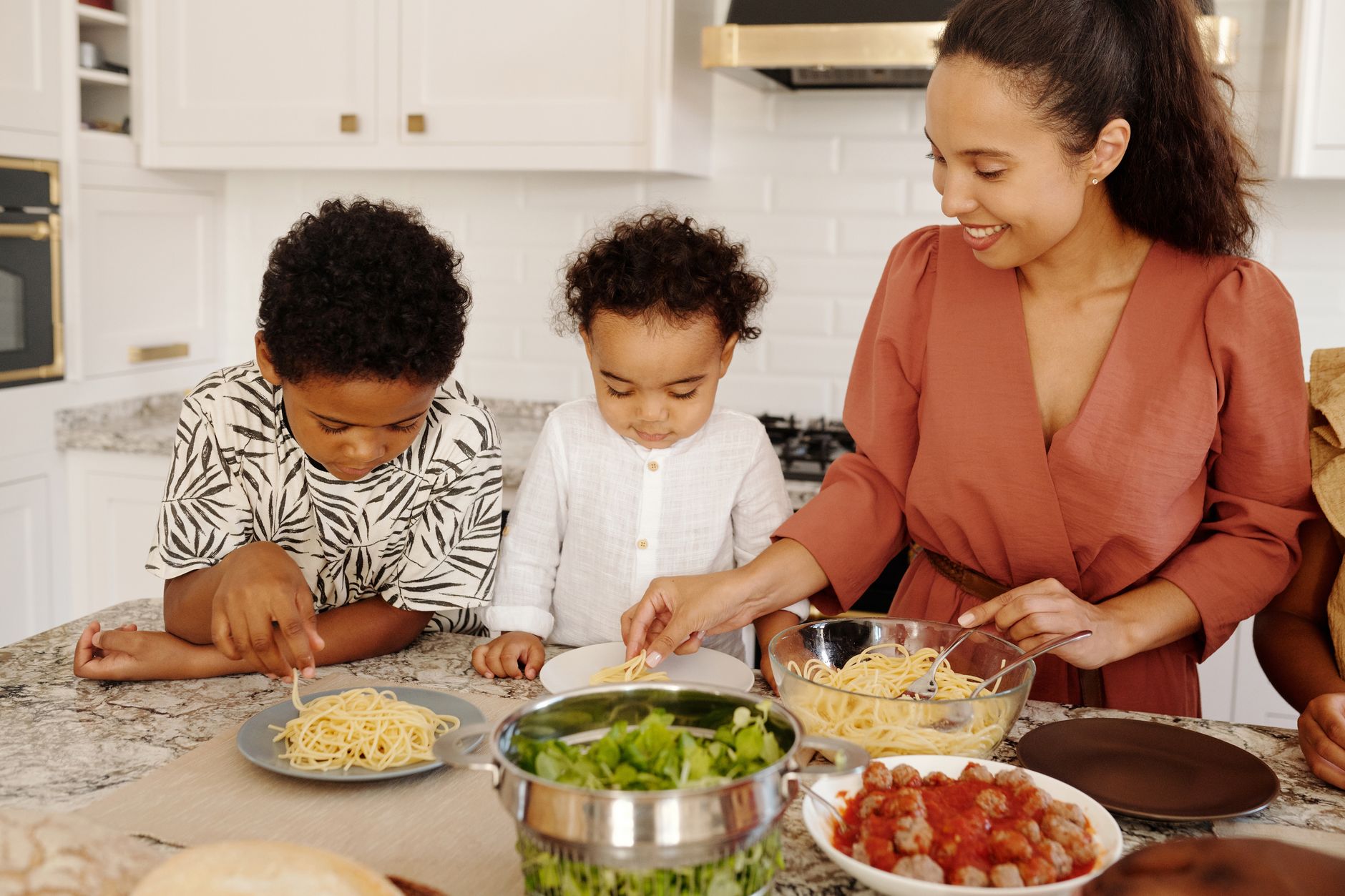
A luxury kids cooking class in Vietnam is a half-day or full-day hands-on session where children (ages 5–18) learn to prepare and cook authentic Vietnamese dishes in a family kitchen or dedicated teaching space, guided by our hosts in English. Classes run in Hanoi, Hoi An, Saigon and smaller towns; sessions typically last 3–4 hours and include market or pantry prep, knife skills adapted to age, cooking at the stove or over charcoal, and eating what you've made together. Cáo Experiences structures each class around beginner confidence: younger kids knead dough, tear herbs, stir pots; older teens handle wok work and plating. We accommodate allergies, vegetarian diets and cultural preferences upfront via WhatsApp. Groups stay small (2–8 children, or family-only bookings). Cost varies by location and group size—ask us for dates and a quote on WhatsApp. What to avoid: booking a class in peak summer heat without confirming the kitchen's airflow, or assuming your child's picky eating will change in one session (we work with preferences, not against them). Ask about dates on WhatsApp
Why Do Parents Choose Family Cooking Over Tourist Restaurant Visits?
Cooking classes embed learning into doing, not watching. A child who stirs a pot of phở broth or wraps spring rolls by hand remembers the technique, the ingredient texture, the smell. Restaurant visits are passive; a family kitchen—especially one in a neighbourhood where locals live—teaches how Vietnamese families actually cook: with improvisation, shared knives, stories about why turmeric goes into certain dishes. Our family experiences prioritize that immersion. Kids aged 8–18 often ask fewer questions about "why eat that?" when they've rolled it themselves. Younger ones (5–7) develop fine-motor confidence and lose fear of the stove under close, patient guidance. Parents report children trying vegetables at home afterwards because they grew curious during class.

What Skills Does Your Child Actually Learn in a Half-Day Session?
In a typical 3-hour morning class, we start with ingredient prep: washing herbs, cracking eggs, measuring rice. Kids aged 6–10 handle soft tasks (tearing mint, arranging lettuce leaves, mashing garlic with a mortar and pestle); 10+ take knife work—slicing cucumbers, julienning carrots, mincing scallions under supervision. Then we move to hot cooking: stirring a caramelized pork dish, ladling noodles into boiling broth, managing heat on a gas burner with our hands nearby. Plating and table setting come next. By the end, every child has owned at least one full dish from raw ingredients to plate. We teach no fancy knife techniques—we teach safety, patience and the rhythm of Vietnamese home cooking. Older groups sometimes handle wok work or charcoal-grilled items if the kitchen permits.
Should You Choose a Full Day or Half Day for Different Ages?
| Age Group | Recommended Length | Why It Works | Typical Dishes |
|---|---|---|---|
| 5–7 years | 2–3 hours (morning) | Shorter attention span; morning energy peak; no heavy knife work | Spring rolls, simple soups, herb prep, rice cakes |
| 8–12 years | 3–4 hours (half day) | Can follow sequential steps; handles basic cutting; stays engaged through cooking and eating | Phở, stir-fried veg, caramelized meat, noodle dishes |
| 13–18 years | 4–5 hours or full day | Can work independently; interested in flavour layering; capable of wok work and market shopping | Complex curries, fish dishes, dipping sauces, plating |
| Mixed family | Half day (3–4 hours) | Parents often join; breaks allow younger kids to rest; one meal cooked together | 2–3 dishes; focused on shared cooking not skill depth |
A full day (6–7 hours) includes market shopping in the morning, prep work, multiple dishes and lunch; it suits 10+ age groups or motivated families. Half days compress the experience but fit tight schedules. Rainy-day plan: we stay in the kitchen with no market component; prep becomes more detailed, indoor activities like sauce-making or dough kneading fill extra time. Ask us about which fits your group's energy and patience.
What Happens if Your Child Has Allergies or Won't Eat Meat?
We adapt every menu before booking. When you contact us on WhatsApp, tell us: nut allergies, shellfish, dairy, vegetarian or vegan preference, religious dietary rules. We source alternatives—coconut milk instead of fish sauce bases, tofu substituting pork, nut-free dipping sauces—and the child cooks the same dishes as peers but with their safe ingredients. We've never had a child feel left out because we integrate the accommodation seamlessly. A vegetarian 10-year-old cooking alongside omnivorous cousins both make a "same" noodle dish; hers has extra tofu and mushroom, theirs has shrimp. The cooking method, the kitchen rhythm, the learning is identical. Allergies are handled with extra attention: we keep allergens in separate prep bowls, use dedicated cutting boards if needed, and brief all hosts on cross-contamination risks. A shellfish-allergic child still learns fish sauce (by smell) and can handle dishes with it once we've prepared their ingredient set separately.

How Do Hosts Adjust Teaching for Kids Who Are Anxious Around Fire or Knives?
Anxiety is normal; we never force a child to hold a knife or stand at a hot stove. For knife-nervous kids, we start them on soft ingredients (basil leaves, tofu) with a blunt knife or kitchen scissors. Once confidence grows—usually within 30 minutes—they graduate to a small sharp knife with close supervision. Some kids watch the first stir-fry without touching the wok, then use a wooden spoon to stir at a cooler moment. Fire anxiety often vanishes once a child sees a host calmly cooking; we narrate every move ("I'm turning the heat down now", "smell that? It's the garlic browning"), and let the child watch from a safe distance before offering a turn. A 7-year-old who refused to go near the stove often becomes eager after seeing an older sibling cook confidently. We never rush. If a child prefers prep work only, we lean into that—rolling spring rolls, arranging platters, mixing dipping sauces are equally valuable skills and equally celebratory at meal time.
Which Vietnamese Regions Offer the Best Kids Cooking Experiences?
Hanoi (the capital) hosts classes in family kitchens across the old quarter and newer neighborhoods; access to wet markets means we can add a brief shopping component. Sessions often focus on phở, slow-cooked dishes and vegetable sides. Hoi An (the ancient trading town) centers on lighter, seafood-forward cooking with fresh herbs; the town's walkable scale lets families explore between sessions. Saigon (Ho Chi Minh City) offers diverse regional Vietnamese cuisines—South Vietnamese caramelized dishes, tropical fruit prep—and modern teaching kitchens; groups here often want faster-paced, wok-heavy sessions. Da Lat (a cooler highland town) teaches with local produce and farm ingredients; full-day classes often include a farm visit. Da Nang (a coastal city) focuses on fresh fish and grilled cooking. Each location's food culture shapes what your child learns. Ask us which region matches your trip dates and your group's interests. For deeper cultural immersion, consider combining a cooking class with our street food and market tour (adult-led, but some families integrate kids into the food storytelling).
What to Check Before You Book
- Age suitability: Confirm the host's comfort level with your child's age (we work with 5+, but some sessions suit older kids best).
- Kitchen setup: Ask whether the space has a gas stove, charcoal grill, or both; if your child is anxious, knowing the environment helps.
- Group size: Smaller is more attentive; a private family class (4–6 people) gives more one-on-one guidance than a mixed group of 8.
- Dietary needs: Tell us upfront via WhatsApp; last-minute allergen requests strain prep.
- Weather: In monsoon seasons, confirm the kitchen's rain plan (some lack strong ventilation if windows are shut).
- Length commitment: Hungry kids flag after 3 hours; full-day classes suit motivated, older groups.
- Leftovers or takeaway: Ask if you can pack cooked dishes to eat later (most kitchens allow small containers; we don't guarantee restaurant-standard plating for takeout).
- Photos and stories: Mention if you want candid photos; we keep sessions relaxed and won't pose children for promotional use.
See how a session runs
For a deeper look at how we run all family experiences, or to book a kids cooking class, reach out. We also offer art and culture classes, flower arranging, farm days and group and corporate team-building sessions if your family is interested in mixing skills. Check out what we do in Hanoi, Hoi An, Saigon, Da Nang and Da Lat. Contact us for dates on WhatsApp.
FAQ
What's the minimum age for a cooking class?
We welcome children from age 5 upwards. Under 5, we recommend a parent-child experience with lighter prep work; older siblings can be more independent. Each session scales to the group's mix of ages.
Do kids need cooking experience beforehand?
No. We start every child at "never held a knife" and teach from there. Confidence grows faster in a small group with a patient host than most parents expect.
Can parents join the cooking class?
Yes. Family sessions (parents + kids cooking together) are popular and often more relaxed. We adapt the pace and difficulty to the mixed group. Let us know via WhatsApp if you'd like a family-only session.
How is a class different from a cooking school or resort workshop?
We teach in family kitchens or small teaching spaces, not commercial schools or resort kitchens. The host is usually a home cook or small-business owner, not a chef. The dishes are everyday Vietnamese food, the groups are tiny, and the pace is conversational. Your child learns how Vietnamese families actually cook, not a "designed course."
What if my child dislikes the food halfway through?
We taste as we cook, so your child will know early if a dish isn't their flavour. We can pivot to a safer alternative (more noodles, simpler sauce, different protein) or let them focus on prep and plating while others eat. We never pressure kids to eat unfamiliar tastes; the goal is cooking skill and confidence, not force-feeding.
Is there a refund or reschedule option if my child gets sick?
Ask us for our booking terms via WhatsApp. We're flexible with date changes for illness; full refunds depend on notice given and our ability to rebook the host.
Ask about dates
Tell us the city, your dates and what you would like to try. We reply on WhatsApp in English with options and availability.
FAQ
What's the minimum age for a cooking class?
We welcome children from age 5 upwards. Under 5, we recommend a parent-child experience with lighter prep work; older siblings can be more independent. Each session scales to the group's mix of ages.
Do kids need cooking experience beforehand?
No. We start every child at "never held a knife" and teach from there. Confidence grows faster in a small group with a patient host than most parents expect.
Can parents join the cooking class?
Yes. Family sessions (parents + kids cooking together) are popular and often more relaxed. We adapt the pace and difficulty to the mixed group. Let us know via WhatsApp if you'd like a family-only session.
How is a class different from a cooking school or resort workshop?
We teach in family kitchens or small teaching spaces, not commercial schools or resort kitchens. The host is usually a home cook or small-business owner, not a chef. The dishes are everyday Vietnamese food, the groups are tiny, and the pace is conversational. Your child learns how Vietnamese families actually cook, not a "designed course."
What if my child dislikes the food halfway through?
We taste as we cook, so your child will know early if a dish isn't their flavour. We can pivot to a safer alternative (more noodles, simpler sauce, different protein) or let them focus on prep and plating while others eat. We never pressure kids to eat unfamiliar tastes; the goal is cooking skill and confidence, not force-feeding.
Is there a refund or reschedule option if my child gets sick?
Ask us for our booking terms via WhatsApp. We're flexible with date changes for illness; full refunds depend on notice given and our ability to rebook the host.
More like this
Experiences for families and kids
Family workshop Vietnam vs Thailand: where to take kids in 2026
Vietnam and Thailand both offer immersive family workshops, but the pace, cost structure, and focus differ significantly. We run both types of sessions at Cáo Experiences and can help you choose.
Experiences for families and kids
Family Workshop Vietnam Gift Voucher: What Works Best
A family workshop gift voucher in Vietnam lets relatives experience cooking, craft, horse riding or tea together—no tickets, no queues, real hands-on time. We help you pick the right session type and duration for the ages and interests in your group.
Experiences for families and kids
Family workshops in Vietnam for Indian travelers: what to expect
Indian families visiting Vietnam often wonder how to keep children engaged and learn something authentic together. Cáo Experiences runs small-group and private workshops—cooking, coffee, flower arranging, craft, and farm days—designed for kids, parents, and grandparents, hosted in English with real