
Home › Blog › Street food and market tours
Street Food Tour in Hanoi: What to Expect & How to Choose
By the Cáo Experiences team · 2026-11-06
A street food tour in Hanoi with Cáo Experiences is a 3–4 hour guided walk through narrow lanes and markets in the old quarter, stopping at 4–6 family-run stalls and street vendors to taste dishes like bún chả, phở, bánh mì, and egg coffee. You eat directly at the vendor's counter or a nearby low plastic stool—this is authentic, not sanitized. We host small groups (4–8 people) or private parties; our hosts are local, bilingual, and coordinate timing on WhatsApp before the session. We adjust pace for seniors, dietary needs (vegetarian, gluten-free, allergies), and rain (covered markets and nearby indoor lanes). Ask us for dates and a quote on WhatsApp—cost and group size shape the experience. Beginners worry about hygiene and spice level; we explain each dish, warn you beforehand if it's hot, and choose stalls where turnover is visibly high and the food is freshly made in front of you.
What makes a Hanoi street food tour different from a restaurant meal?
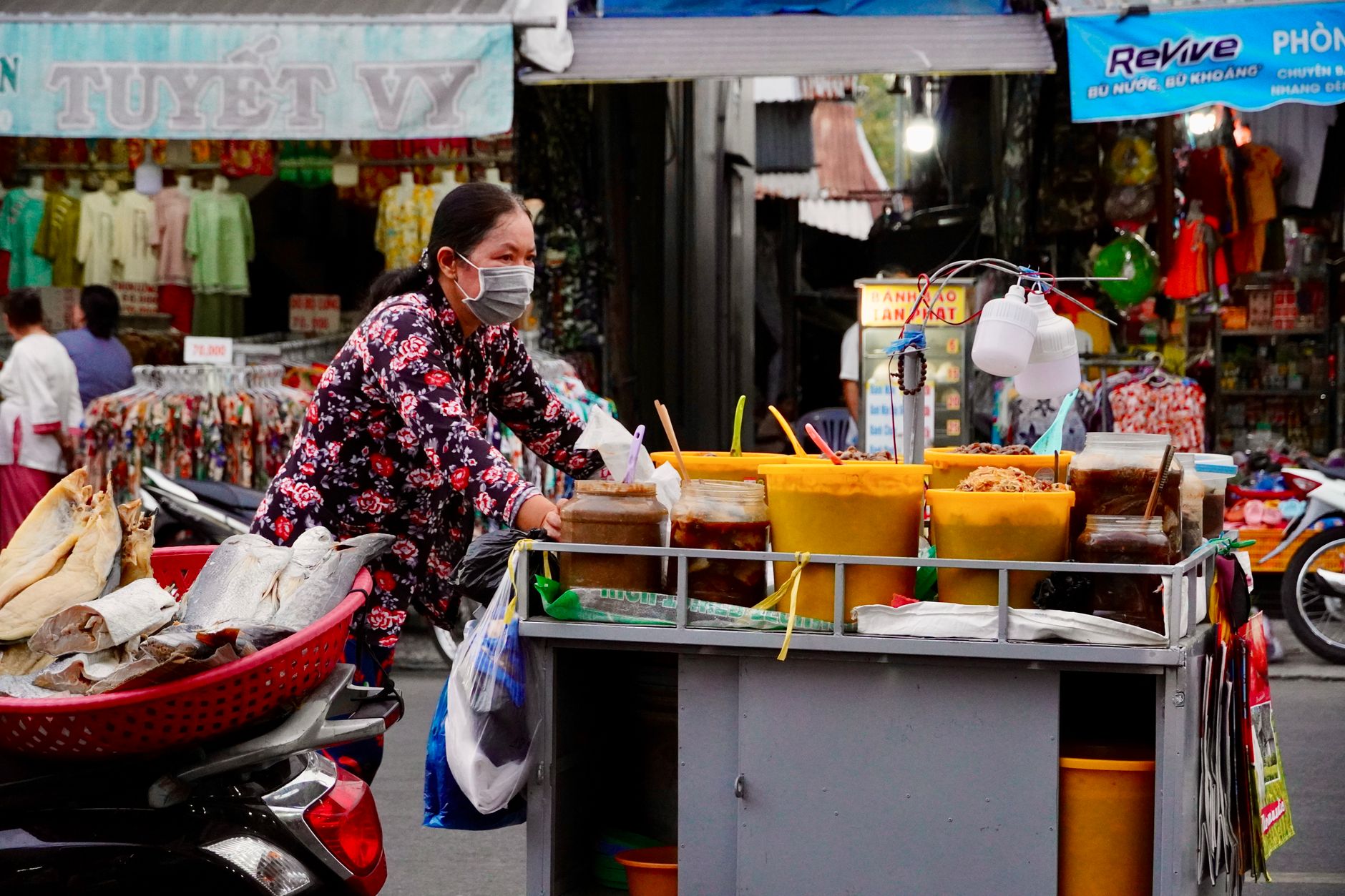
A street food tour puts you in the vendor's environment—you taste food made within arm's reach on a charcoal stove or hand-cranked mixer, not in a professional kitchen. The owner eats there too, usually standing nearby. Price is lower (a bowl of phở costs what a coffee does in a Western café), and the pressure to move through tables fast means quality and speed matter equally. This is how Hanoi eats, not a curated version for tourists. You learn the unwritten rules: which stalls are best at dawn, why vendors set up in the same spot every morning, how to signal you want more broth or less spice by gesturing, not words. A restaurant hides the cook; a street stall makes them your teacher.

How do we handle dietary restrictions and allergies?
We ask about all allergies and preferences when you WhatsApp to book—vegan, gluten-free, nut allergies, shellfish aversion, spice sensitivity. On the day, we scout the stalls in advance and steer you toward dishes that fit. If a vendor can't accommodate (say, a fried tofu place where cross-contamination is unavoidable), we skip it or find an alternative nearby. For vegetarians, Hanoi's morning markets have egg dishes, tofu vendors, and sticky-rice stalls that are naturally meat-free. Vegan guests sometimes face a harder time—egg coffee, fish sauce, and pork broth appear in unexpected places—but we can build a session around plant-based bánh mì, fresh rolls with tofu, and vermicelli salads. We always carry hand sanitizer and identify stalls with sealed water or tea. If you have a severe allergy, tell us at booking so we can plan differently. Rain doesn't stop us; it moves us indoors to covered wet markets, where the atmosphere is even more intense and the fish vendors' stalls smell unmistakable.
What should you wear and bring on a food tour?
Wear loose clothes—you'll be full by the end and moving between tight lanes where your shoulders may brush doorframes. Slip-on shoes (flip-flops are fine) work best because you'll step over puddles, wet market drains, and uneven tiles. Bring a small crossbody bag with a water bottle (or we can point you to a vendor selling cold water); a phone or camera; and wet wipes, because eating with your hands—a bánh mì, a skewer—is part of it. Don't wear perfume or strong deodorant; the vendor's spice and fish sauce will overpower it, and it can distract from tasting. A light rain jacket or umbrella is smart in the monsoon months (May to September; October to April is drier but still possible). Wear sunscreen; the old-quarter lanes have shade, but you'll spend 30 minutes in the open market. Bring cash in Vietnamese đồng; most vendors don't accept cards, and we can't buy a phở with a Visa.
Why do beginners feel nervous about street food safety?
First-time visitors often worry the stalls look "dirty" or that unfamiliar ingredients will upset their stomach. What looks chaotic—fish guts on a marble slab, raw meat next to a pile of herbs—is actually fast turnover and muscle memory. Vendors who've made egg phở every morning for 20 years have invisible systems: they know exactly how long stock simmers, when to add seasoning, and how to spot spoiled eggs. High volume = freshness. Hygiene failures happen in restaurants too; the difference is visibility. We choose stalls where we can see the cook's hands, the water source, and the ingredients arrive during your visit. We ask vendors questions on your behalf: "How old is that broth?" "When did you buy the crab?" and read their answers (not defensive evasion, but pride in the answer) as our signal to stay or leave. If you do feel unwell, it's usually spice or richness, not food-borne illness. Eating slowly, drinking water, and stopping after 5 dishes instead of 7 helps. We brief you beforehand on what's hot, fishy, or heavy.
Should you book a group tour or a private session?
| Option | Who it's for | Pacing | Cost basis | Why it works |
|---|---|---|---|---|
| Small group (4–8 guests) | First-time visitors, solos, couples | Faster; vendor waits less | Lower per person | Meet other travelers; shared energy; vendor time isn't stretched |
| Private session (2–6 you choose) | Families, friends, dietary variety, kids | Slower; your pace | Higher total, same per-person if 4+ | Full vendor attention; no waiting for strangers; easier to adapt mid-session |
Ask us for dates and a quote on WhatsApp—group dates run monthly; private bookings fit your schedule. A private session lets you linger longer at a vendor you love or skip one you don't. Groups build momentum; you pick up local eating etiquette faster by watching others.
How long does a typical street food tour take, and what do you actually eat?
We run sessions from 8–10 AM (breakfast and early lunch) or 4–6 PM (late lunch and dinner prep). Four hours is standard: 30 minutes of briefing and walking to the first stall, then 45 minutes per stall on average—you order, eat, chat with the owner, move on. You'll taste 4–6 dishes. A typical morning might be egg phở at a curbside stall, bánh mì at a 50-year-old bakery counter, a bowl of bún chả with grilled pork at a lane vendor, sticky rice with mango or savory egg, and egg coffee at a café tucked into an old-quarter side street. A dinner session might start with fresh spring rolls at a night-market stall, move to a crab or fish noodle vendor, then fried tofu and a meat skewer. We adjust portion sizes if you're small-framed or vegetarian; vendors are used to custom requests. Kids (8+) do well if they like noodles or meat; younger ones struggle with long walks and unfamiliar textures. Seniors appreciate the slower pace of a private session and the option to sit longer at each stall. Rain moves you indoors—wet markets are messier but thrilling, with fish vendors and meat sellers shouting prices and haggling.
What's the difference between morning and evening street food tours?
Morning (7–10 AM) is when vendors set up fresh stock: phở broth has been simmering since 4 AM, bánh mì bread came out of the oven at dawn, and egg is at its peak. The energy is pure vendor-to-customer, no tourists. You eat with locals queuing behind you. Evenings (4–7 PM) flip the scene: grilled meat takes over, rice paper and fresh herbs are at their best, and the market transitions from wholesale to social—families eat together, workers stop by after their shift. Egg coffee, a rich egg-yolk foam drink, is an evening or afternoon ritual. Morning tours are chaotic and fast (you stand, eat, leave); evening tours are slower, more social, better for groups. Morning suits adventurous eaters; evening is more relaxed and photo-friendly. Both are authentic. Ask us which fits your energy level and stomach. Rainy mornings shift you to the covered Quang Ba flower market or a wet market—still excellent, different vendors, same quality.
How do we keep the group together and adapt if someone struggles?
We stay as a cluster, not a line. You walk in pairs or threes; we lead from the front and check back every minute to ensure no one's lost. At each stall, we order for the group (unless you prefer to pick your own), so the vendor isn't confused by nine separate orders. If someone feels full or overwhelmed, they can skip a stall or order a small taste instead of a full bowl. If your feet hurt, we pause at a shaded corner or offer a short rest. Kids get half portions and we explain each dish so they know what's coming. Seniors with mobility concerns benefit from a private afternoon tour with fewer stalls and more sitting time. If someone dislikes a dish, we don't force a second taste; move on to the next vendor. Weather changes are built in: if rain starts, we shift indoors to a covered market or a nearby lane kitchen, sometimes even better than the original plan. We check in via WhatsApp the day before to confirm numbers and any last-minute concerns.
What to check before you book a street food tour
- Dietary requirements: Tell us all allergies and preferences at WhatsApp booking. "I don't like fish sauce" is fine; "I'm vegan and gluten-free" shapes which stalls we visit.
- Mobility and pace: If stairs or long walks are hard, mention it. We adapt to slow pace for seniors or offer a shorter route.
- Group size and schedule: Small groups (4–8) cost less per person; private sessions (2–6) fit your calendar. Ask for dates.
- Season and weather: November–April is dry and comfortable. May–September is hot and rainy; we move indoors but still run tours.
- Kids or babies: Kids 8+ walk well. Under 8, the 3–4 hour walk and unfamiliar food challenge them; ask us about a shorter family version.
- We coordinate everything via WhatsApp, so confirm your number before booking.
How does a street food tour fit into a bigger Hanoi visit?
A food tour is 3–4 hours and gives you a local lens on the city. Pair it with a Vietnamese cooking class if you want to learn technique and bring home recipes. Combine it with a tea experience in an old-quarter café for a slower, seated contrast. If you're staying longer, a farm and countryside experience outside Hanoi shows where ingredients come from. A group and corporate session works for teams building rapport. For kids, a family and kids experience like cooking or a craft workshop can follow the food tour. Solo travelers often join a small-group tour; couples book private sessions. First-timers should do the food tour early in their stay to get bearings and meet locals—everything else builds on that foundation.
See how a session runs

FAQ
Is street food in Hanoi actually safe to eat?
Yes, if you choose vendors with high turnover and visible freshness. We select stalls where food is cooked in front of you, ingredients are recognizable, and locals eat there daily. Upset stomachs are rare and usually from spice or richness, not contamination. Stay hydrated and don't eat more than 5–6 dishes in one tour.
Do I need to speak Vietnamese to enjoy a street food tour?
No. We translate all vendor conversations, explain each dish, and handle ordering. Vendors appreciate your presence and curiosity, even in silence. You'll pick up a few words by tour's end.
What if I'm vegetarian or vegan?
Hanoi's morning markets have egg dishes, tofu stalls, and plant-based bánh mì and noodles. Vegan is trickier because fish sauce and egg appear often. Tell us at booking; we'll design a tour around vegetable vendors and tofu makers.
How much does a street food tour cost?
Ask us for dates and a quote on WhatsApp. Group tours (4–8 people) cost less per person; private sessions (2–6) are higher total but flexible on date and pace.
What if it rains during the tour?
We move indoors to covered wet markets or old-quarter lane kitchens. Wet markets are intense and smell strong, but vendors and food quality are the same. Bring a light rain jacket and slip-on shoes.
Can I book a private tour for just two people?
Yes. Private sessions work for couples, small families, or a pair of friends. Ask us on WhatsApp for dates and pricing.
Ask about dates
Tell us the city, your dates and what you would like to try. We reply on WhatsApp in English with options and availability.
FAQ
Is street food in Hanoi actually safe to eat?
Yes, if you choose vendors with high turnover and visible freshness. We select stalls where food is cooked in front of you, ingredients are recognizable, and locals eat there daily. Upset stomachs are rare and usually from spice or richness, not contamination. Stay hydrated and don't eat more than 5–6 dishes in one tour.
Do I need to speak Vietnamese to enjoy a street food tour?
No. We translate all vendor conversations, explain each dish, and handle ordering. Vendors appreciate your presence and curiosity, even in silence. You'll pick up a few words by tour's end.
What if I'm vegetarian or vegan?
Hanoi's morning markets have egg dishes, tofu stalls, and plant-based bánh mì and noodles. Vegan is trickier because fish sauce and egg appear often. Tell us at booking; we'll design a tour around vegetable vendors and tofu makers.
How much does a street food tour cost?
Ask us for dates and a quote on WhatsApp. Group tours (4–8 people) cost less per person; private sessions (2–6) are higher total but flexible on date and pace.
What if it rains during the tour?
We move indoors to covered wet markets or old-quarter lane kitchens. Wet markets are intense and smell strong, but vendors and food quality are the same. Bring a light rain jacket and slip-on shoes.
Can I book a private tour for just two people?
Yes. Private sessions work for couples, small families, or a pair of friends. Ask us on WhatsApp for dates and pricing.
More like this
Street food and market tours
Best Street Food Tour in Sapa: What to Expect, How to Choose
Street food tours in Sapa connect you with hill-town cooks and night markets. We'll walk you through what these sessions offer, who they're for, and how to avoid common missteps.
Street food and market tours
Best Street Food Tour in Hue: What to Choose, Who It's For
A street food tour in Hue isn't one thing—it's a choice between styles, neighborhoods, and paces. We break down what actually happens on each type, and how to know which fits your group.
Street food and market tours
Best Food Walking Tour in Vietnam: Hanoi Street Food Guide
A food walking tour in Vietnam immerses you in bustling markets and street lanes where vendors have cooked the same dishes for decades. We show you what to taste, how to order, and the stories behind each bite.