
Home › Blog › Street food and market tours
Street Food Tour in Mai Chau: What to Expect & How to Choose
By the Cáo Experiences team · 2026-11-06
A street food tour in Mai Chau with Cáo Experiences takes a half or full day, depending on your schedule. You'll visit Quang Ba flower market at dawn or a local morning market, walk through Thai and Hmong village lanes, stop at family-run food stalls and home kitchens, taste five to eight dishes (rice noodles, grilled pork, sticky rice, local herbs, coffee), and learn why each dish matters to the community. We coordinate everything by WhatsApp, collect dietary needs upfront, and adapt the route if rain arrives or a guest needs slower pacing. Tours suit couples, small groups, families with kids aged 8+, and anyone curious about how real villages eat—not restaurants designed for tourists. Ask us for dates and a quote on WhatsApp. Ask about dates on WhatsApp
Why Mai Chau Village Food Beats Tourist Street-Food Circuits
Mai Chau lies two hours southwest of Hanoi in limestone valleys where Thai and Hmong communities live in stilt houses. Street food here isn't a performance—it's what grandmothers make before dawn for family breakfast and what vendors sell from wooden carts at the market edge. The difference: no English menus, no inflated "experience" pricing, no queues of tour buses. You're eating what locals order, from people who've cooked the same five dishes for twenty years.
Tourist-heavy Hanoi street-food tours often loop the same three lanes in the old quarter, hitting pre-arranged stalls that expect international visitors. Mai Chau's food still belongs to the village. Our role is to translate, arrange safe access, handle dietary swaps, and time your arrival so you're eating when the food is hot—not hours after it's been sitting.

What Does a Half-Day Tour Cover?
A half-day session (roughly 4–5 hours) begins early. You arrive at a family kitchen in a lane off the main village, where a home cook begins preparing sticky rice or rice flour noodles. You watch, ask questions, taste as things finish. Next: a walk to the morning market—not the cleaned-up souvenir zone, but the produce and meat side where Thai women sell leafy vegetables, bamboo shoots, and fresh herbs you won't recognize.
You stop at a vendor's cart or a small open-kitchen stall (a shelter with a charcoal grill and plastic stools) and eat there—grilled pork skewers, dipped in fish sauce and lime; rice vermicelli with herbs and broth; maybe fried spring rolls a woman made that morning. You taste local coffee, made with egg or condensed milk in a metal filter. The guide explains why each herb matters, which dishes are daily, which are for festivals.
By late morning, you're back in the village or at a second kitchen for a final course: sticky rice with grilled chicken, or a soup made from herbs you just saw sold. No plating, no garnish—the food looks the way it tastes. You leave full, hands slightly sticky, with a notebook of market prices and names.
Full-Day Tours: What Happens When You Go Deeper?
A full-day tour (7–8 hours) adds a midday meal in a homestay or family restaurant run by villagers, not a resort. You might visit a second village with a different ethnic group and different staple dishes. You taste how Hmong families cook compared to Thai families—the spices, the proteins, the use of fermented ingredients.
Mornings still start early. By midday, you eat together at a wooden table with the family or hosts, often sitting alongside their own lunch. You taste home-style dishes: pumpkin soup with pork bone, bamboo shoot salad, sticky rice with wild mushrooms. You watch preparation if the kitchen is open to visitors; sometimes you're invited to help pound herbs or roll rice paper.
Afternoons bring a second market visit or a craft workshop—learning to weave bamboo baskets, or visiting a family that makes rice paper by hand. You end with an evening snack: grilled corn, toasted rice crackers, or a sweet rice cake from a vendor who appears daily at dusk. You leave with names, photos of faces, and a sense of where the food actually comes from.
Comparison: Half-Day vs. Full-Day vs. Cooking Class Options
| Tour Type | Length | Best For | What You Taste | Physical Pace |
|---|---|---|---|---|
| Half-day street food | 4–5 hours | Couples, first-timers, limited time | 5–6 signature dishes, coffee, market walk | Moderate; two or three stops |
| Full-day street food | 7–8 hours | Groups, families, deep dives | 8–10 dishes, two villages, slow meals | Steady; walking, sitting time |
| Cooking class + tour | 5–6 hours | Hands-on learners, small groups | 3–4 dishes you cook, tasting menu | Active; kitchen work, standing |
A cooking class combines kitchen time with tasting—you cook two or three dishes yourself, then eat them. A street food tour keeps you walking, watching, tasting without chopping. Choose a half-day if you have one morning free; full-day if you're staying overnight or want to see two villages. A Vietnamese cooking class works better if you want to take recipes home; a tour works if you want context and village life.
How to Prepare: Gear, Allergies, Rain, and Pacing
Wear: Loose, breathable trousers or a skirt (not shorts—respect village dress codes). Walking shoes with grip (some lanes are muddy or sloped). A light cardigan or shawl for air-conditioned transport and cooler early mornings.
Bring: A water bottle (we refill it), a small notebook, comfortable walking sandals you can slip off indoors, hand sanitizer, sunscreen, and cash in small notes—vendors don't use cards.
Dietary needs: Tell us before booking. Vegetarian, vegan, shellfish allergy, religious restrictions—we work with the family kitchen to adapt. Some dishes swap easily (tofu for pork, herbs instead of fish sauce). Others can't be changed. We're honest about what's possible.
Rain: Morning tours sometimes go ahead in light rain—markets operate. Heavy rain, we reschedule or shorten the route (covering undercover markets instead of village walks). We'll call on WhatsApp if conditions change.
Pacing: Seniors and kids move slower. We adjust stops, shorten walks, add rest time, and time meals so you're not rushed. Parents of young kids: kids eat well on street food (it's fresher than restaurants), but be ready to carry them or stop often.
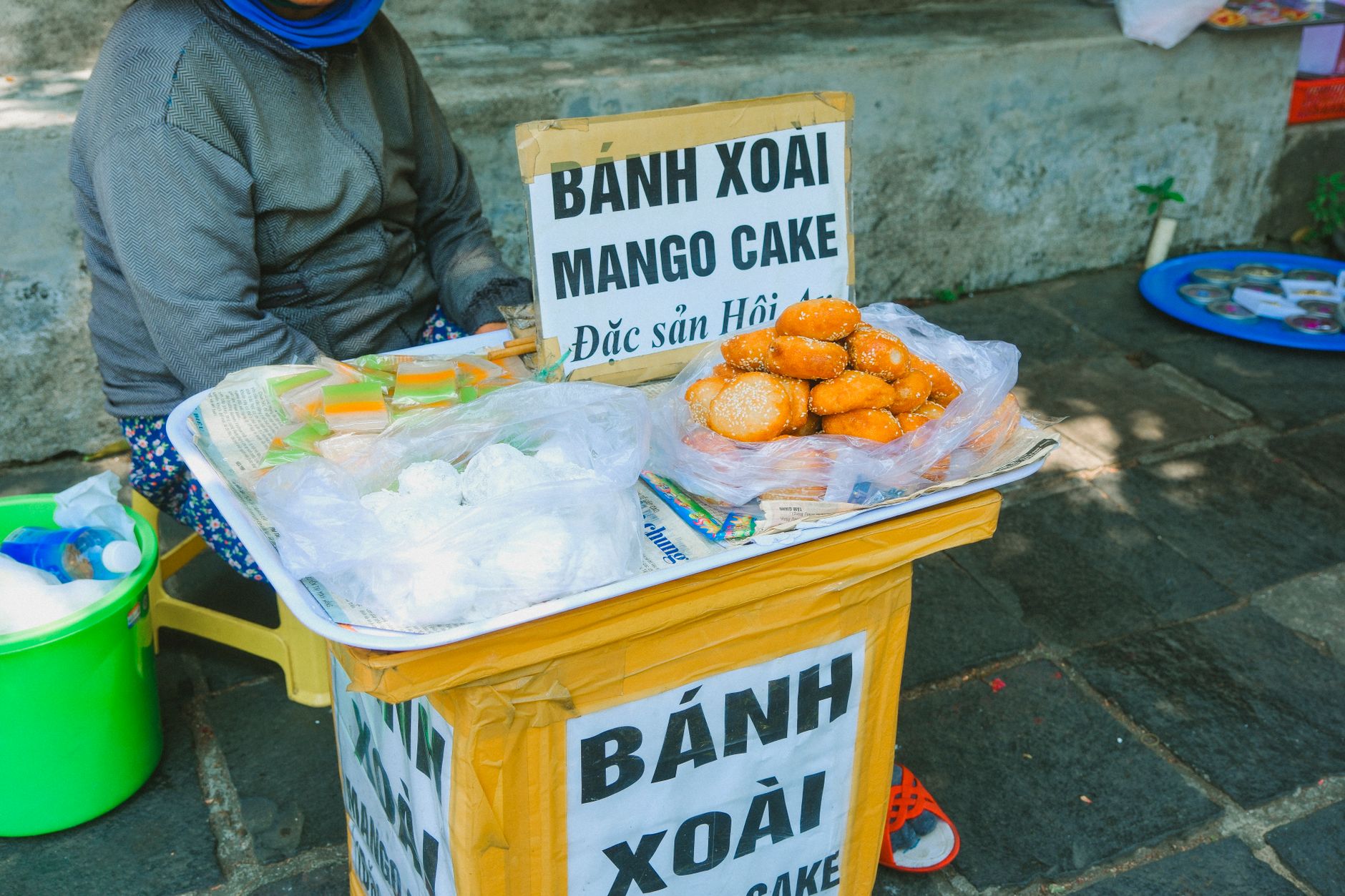
What to Check Before You Commit: Real Questions to Ask
- How many people will be in the group? (Smaller is slower and more personal; larger means shared costs and more social energy.)
- Will a translator be present? (Yes—the host speaks English and explains while you eat and walk.)
- Which village or market? (Confirm so you know the vibe and distance from your hotel.)
- What's included in the quote? (Transport, food, coffee, snacks—usually everything except tips and souvenirs.)
- What time do we start and finish? (Early starts mean fresher food; confirm pickup location.)
- Can kids join? (Yes, aged 8+. Younger kids need careful negotiation—some tours are too walking-heavy.)
- Is lunch included or separate? (Half-day tours: no meal. Full-day: yes, with the family. Clarify so you budget time.)
- Do you visit food stalls or home kitchens? (Both. Ask which balance suits you—some people prefer the intimacy of a kitchen; others like the buzz of a public market.)
Who Street Food Tours Suit Best—And Who Should Choose Something Else
Perfect for: Couples seeking a shared memory, foodies wanting source stories (not recipes), families aged 8+, groups of friends, anyone curious about village life beyond the tourist loop.
Consider an alternative if: You're squeamish about animal parts or unfamiliar raw ingredients (street food includes organs, fermented items, live markets). You tire easily and can't walk 2–3 km with stops. You're on a very tight budget and worried about unplanned add-ons (food costs are modest, but they add up; ask for a detailed quote). You're traveling with kids under 8 (walking and early starts are tough).
If you prefer hands-on learning, try our Vietnamese cooking class instead. If you're interested in the culture and craft behind food, consider pairing a tour with a craft workshops session—many villages also make bamboo goods or traditional textiles. If you want to slow down further, a farm and countryside experiences day lets you pick vegetables and see production.
How We Coordinate and What Happens After Booking
You message us on WhatsApp with your preferred dates, group size, dietary needs, and mobility level. We reply within hours with available dates, a detailed itinerary, and a quote. We confirm transport pickup location (usually your hotel) and ask for final headcount two days before.
The night before, you'll receive a brief message: meeting time, what to wear, a photo of your host, and the mobile number to call if you're lost. The morning of, your host picks you up on time, briefs you on the day (which dishes to expect, whose kitchen you're visiting), and starts the route.
By the end, you'll have eaten real food, met the family who cooked it, and have a list of meals to recreate or memories to reckon with. If you took photos, you can share them—we celebrate them in our blog. If you want to learn to cook what you tasted, we can arrange a follow-up session.
Pages from our team you may need

FAQ
Is a street food tour in Mai Chau safe for dietary restrictions?
Yes. Tell us your needs upfront (vegetarian, allergy, religious). We brief the family kitchen in advance. Most swaps work; if something can't adapt, we suggest alternatives. Fish sauce is in many dishes—we can replace it with soy or salt.
Do I need to speak Vietnamese?
No. Our host speaks English and translates while you eat. Market vendors don't speak English, but the host negotiates and explains prices and origins. You'll hear Vietnamese spoken around you—that's half the point.
What if I don't like what's served?
Street food includes organs, fermented items, and unfamiliar herbs. You can taste without finishing. We carry snacks and can stop at another stall if something isn't to your taste. Let us know any hard dislikes beforehand.
How much walking is involved?
Half-day: roughly 2–3 km spread over 4–5 hours, with sitting breaks. Full-day: 4–5 km, with longer rest periods. We adjust for seniors or anyone who needs slower pacing.
What's the best season to visit?
October to November and March to April are coolest and driest. May to September is hot and humid; morning tours are still fine, just drink more water. December to February can be cold and misty—prepare layers.
Can I bring my own camera or phone?
Yes. Please ask before photographing people in the market or at family kitchens. Some vendors and families mind; most are happy if you ask first.
Is tipping expected?
No, it's not built into the price. If your host went above and beyond (extra stops, language help, patience with kids), a small tip is kind but not obligatory.
Ask about dates
Tell us the city, your dates and what you would like to try. We reply on WhatsApp in English with options and availability.
FAQ
Is a street food tour in Mai Chau safe for dietary restrictions?
Yes. Tell us your needs upfront (vegetarian, allergy, religious). We brief the family kitchen in advance. Most swaps work; if something can't adapt, we suggest alternatives. Fish sauce is in many dishes—we can replace it with soy or salt.
Do I need to speak Vietnamese?
No. Our host speaks English and translates while you eat. Market vendors don't speak English, but the host negotiates and explains prices and origins. You'll hear Vietnamese spoken around you—that's half the point.
What if I don't like what's served?
Street food includes organs, fermented items, and unfamiliar herbs. You can taste without finishing. We carry snacks and can stop at another stall if something isn't to your taste. Let us know any hard dislikes beforehand.
How much walking is involved?
Half-day: roughly 2–3 km spread over 4–5 hours, with sitting breaks. Full-day: 4–5 km, with longer rest periods. We adjust for seniors or anyone who needs slower pacing.
What's the best season to visit?
October to November and March to April are coolest and driest. May to September is hot and humid; morning tours are still fine, just drink more water. December to February can be cold and misty—prepare layers.
Can I bring my own camera or phone?
Yes. Please ask before photographing people in the market or at family kitchens. Some vendors and families mind; most are happy if you ask first.
Is tipping expected?
No, it's not built into the price. If your host went above and beyond (extra stops, language help, patience with kids), a small tip is kind but not obligatory.
More like this
Street food and market tours
Best Street Food Tour in Sapa: What to Expect, How to Choose
Street food tours in Sapa connect you with hill-town cooks and night markets. We'll walk you through what these sessions offer, who they're for, and how to avoid common missteps.
Street food and market tours
Best Street Food Tour in Hue: What to Choose, Who It's For
A street food tour in Hue isn't one thing—it's a choice between styles, neighborhoods, and paces. We break down what actually happens on each type, and how to know which fits your group.
Street food and market tours
Best Food Walking Tour in Vietnam: Hanoi Street Food Guide
A food walking tour in Vietnam immerses you in bustling markets and street lanes where vendors have cooked the same dishes for decades. We show you what to taste, how to order, and the stories behind each bite.