
Home › Blog › Street food and market tours
Street Food Tour in Vietnam During Tet: What to Expect
By the Cáo Experiences team · 2026-11-06
A Tet street food tour in Vietnam is a 3–4 hour guided walk through bustling night markets, old-quarter lanes, and family-run stalls, timed to catch peak preparation and eating hours (usually 6–9 p.m.). You'll taste 8–12 seasonal specialties: bánh chưng (square sticky rice cake), bánh giầy (ball rice cake), candied ginger, mứt (preserved fruit), pâté, and hot broths specific to Tet celebration. Tours run in Hanoi, Ho Chi Minh City, Hoi An, and Da Nang during late January or early February (the Tet week itself). Cáo Experiences runs small-group and private street food and market tours with English-speaking hosts who navigate you straight to family kitchens and wholesale markets tourists miss—no restaurant reservations, pure street eating. Ask us for dates and a quote on WhatsApp to match your arrival and group size.
Why is Tet the best time for a street food tour?
Tet (Lunar New Year) is when Vietnam cooks nothing but Tet-specific foods. Markets burst with banh chung molds, sticky rice sellers, candied-fruit vendors, and prepared dishes families buy rather than make themselves. Year-round you'll find pho and bánh mì; during Tet you'll only find these fleeting specialties once annually. The night markets are packed, animated, and generous with samples—locals eat more adventurously during Tet than any other season. If you arrive in late January or early February, you're eating Vietnam's truest food calendar.

What do you actually eat on a Tet street food tour?
You'll start with bánh chưng—a square sticky rice cake layered with pork, egg, and mung bean paste, wrapped in dong leaves. It's a symbol of the Earth in traditional belief and takes hours to boil. Next come bánh giầy (the round version), then vendors selling mứt: papaya, ginger, apricot paste—each family has a recipe. You'll try pâté freshly sliced from a tin, eat hot bowls of bone broth with meatballs, sample candied walnuts, and finish with com nep cam (sticky rice with gac—a red gourd) or sweet sesame treats. Most stalls give you a small plate to taste 2–3 items, not a full meal per stall. By the end of 3 hours you're satisfied, not overstuffed. Vegetarian versions (mushroom pâté, tofu bánh chưng) exist at family stalls; we check and alert you when booking.
How do hosts navigate you safely through night markets during Tet?
We walk you in pairs or small groups (max 8–10 people on a public session). Tet markets are crowded but orderly—vendors know regular guides and wave us to the front. We carry a small bag with tissues, hand sanitizer, and water. You wear comfortable walking shoes (the lanes are uneven, sometimes wet). We speak Vietnamese fluently and have relationships with 6–8 family-run stalls and wholesale vendors we visit each season. We know which days the crowds peak and which times the best-quality bánh chưng are still warm from boiling (usually 6–7 p.m.). If it rains, we shift the route to covered markets or covered alley stalls—Tet tours rarely cancel, only change location. We never take you to a restaurant; it's always family kitchens, market stalls, or vendors' own prep areas.
What should you wear and bring for a Tet street food tour?
Wear long pants or a knee-length skirt (respect for temple areas we may pass). Bring a light cardigan or jacket—nights are 15–18°C (60–64°F) depending on region and year. Comfortable, closed walking shoes are essential (wet ground, narrow paths). Carry a small backpack with a water bottle; we'll refill it. Phone battery matters (for photos, GPS if you wander). Leave your large camera at the hotel; phone photos work fine and vendors are more relaxed. Wear clothes you don't mind sauce-splashing on (bánh chưng sauce, grilled meat juice happen). Don't wear strong perfume—it competes with food smells and can offend vendors. A hand towel or compact pack of wipes helps; we have hand sanitizer, but some of us prefer our own. Bring cash in small denominations (vendors often give samples free, but if you buy a whole bánh chưng or a gift package of mứt, you pay 50,000–our current quote per item, based on the vendor's list—ask us for current local rates).
Which Vietnamese cities offer the best Tet street food tours?
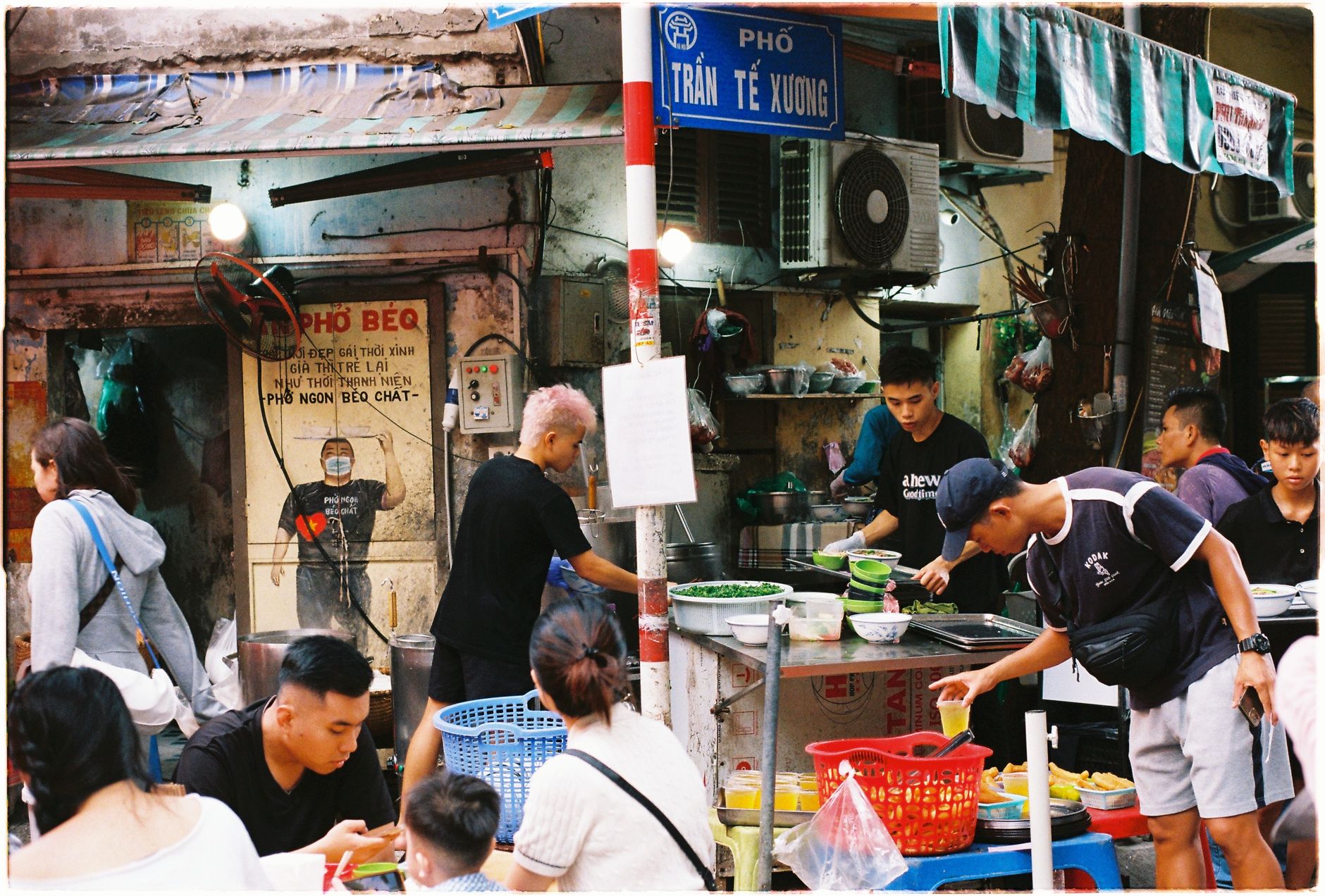
Hanoi (Old Quarter, Quang Ba): The Old Quarter's lanes narrow to 2 meters wide and light up with Tet decorations. Quang Ba flower market opens early morning and transforms into a food hub by evening—bánh chưng stalls, candied fruit vendors, bone-broth sellers. Families cook in shopfront kitchens you can watch.
Ho Chi Minh City (District 1 and Binh Thanh): Larger night markets, more chaotic, faster-paced. Stalls line Nguyen Trai Street. Tet decorations are neon-bright. Banh chung flavors differ slightly—more savory, less sweet than the North.
Hoi An (Ancient Town fringes): Smaller, slower. You find family kitchens in residential lanes off the main tourist strip. Quaint, intimate, fewer crowds. Hoi An's bánh chưng are lighter, sometimes wrapped in banana leaf instead of dong.
Da Nang (Han Market area): Less touristy than Hanoi. Strong fishing heritage means more seafood-based Tet dishes (squid cakes, fish paste). A fast-growing food scene.
Each city runs Tet tours in a different rhythm. Hanoi and Ho Chi Minh City sell out fastest (late December bookings advised). Hoi An and Da Nang have more walk-up availability. Explore our Hanoi street food tours, Ho Chi Minh City sessions, Hoi An experiences, and Da Nang tours to check dates.
How do we adapt Tet tours for kids, seniors, and dietary restrictions?
For kids (6–14): Bánh chưng is soft and non-spicy—most kids love it. Candied fruit and sesame cookies are instant hits. We avoid extreme offal and pungent pastes unless a parent asks. Portions are smaller; kids taste, not eat full meals. We keep the pace relaxed and break every 40 minutes.
For seniors: We choose routes with fewer steep steps and closer stall clusters. We allow sitting breaks at family stalls (hosts offer small plastic stools). We start at 6 p.m. instead of 7 p.m. if the pace feels rushed. Hot broths and softer cakes suit sensitive teeth. Transportation between markets is often by taxi or we walk only 200–300 meters at a time.
For vegetarians: We pre-select 5–6 meat-free stops (sticky rice with mushrooms, preserved fruits, sweet cakes, vegetable-broth stalls). Some vendors prepare vegan bánh chưng on request if we book ahead. Tet has abundant plant-based foods; this isn't a hardship, just a different route.
For allergies (peanut, shellfish, gluten): Tell us when booking. We verify each stall's ingredients and skip any with cross-contamination risk. Some bánh chưng contain shellfish paste; we test before you eat. Gluten-free options are limited (most cakes contain wheat), but we find coconut, tapioca, and pure rice cakes that work.
For rain: We reschedule to covered market sections or a private Vietnamese cooking class focusing on Tet recipes in a family kitchen instead. Rainy-day food tours lose the night-market atmosphere but gain an intimate prep-kitchen angle.
What makes a Tet tour different from a regular street food tour?
Regular street food tours run year-round and focus on everyday eating: pho, bánh mì, com tấm, spring rolls. Tet tours are seasonal and focus on foods that exist only during Lunar New Year. The vendors are different (wholesale Tet suppliers, family kitchens prepping for family meals, not restaurants). The crowds are celebratory, not transactional—people are buying for feasts, not grabbing lunch. Prices can be higher because demand peaks and supply is limited to hand-made batches. The language and etiquette change: vendors expect you to ask permission before tasting, and the relationship is warmer because it's a cultural celebration, not a commercial transaction. If you're in Vietnam in July or November, a regular street food tour is excellent; if you're here late January or early February, a Tet tour is unmissable.
| Aspect | Regular street food tour | Tet street food tour |
|---|---|---|
| Timing | Year-round, any month | Late Jan–early Feb only |
| Foods | Pho, bánh mì, com tấm, spring rolls | Bánh chưng, mứt, candied fruit, pâté, gac rice |
| Vendor type | Restaurants, street stalls, noodle shops | Wholesale suppliers, family kitchens, market vendors |
| Crowd energy | Neutral, functional | Celebratory, festive |
| Vibe | Tourist-friendly, transactional | Cultural, intimate |
| Booking notice | 2–3 days fine | 2–4 weeks advised |
What to check before booking a Tet street food tour
- Confirm the Tet date. Lunar New Year falls on different Gregorian dates each year (2026: January 29). Tours run roughly January 25 – February 5; check the exact dates we're operating.
- Book 2–4 weeks ahead. Tet tours fill faster than regular street food sessions because there are fewer dates and more travelers plan around Tet. Last-minute spots are rare.
- Tell us your dietary needs at booking. Vegetarian, allergies, and gluten-free routes require vendor pre-coordination.
- Wear closed shoes. Markets are wet; sandals and flip-flops lead to slipped steps.
- Bring cash. Most market vendors don't use card readers, and some stalls don't accept foreign cards.
- Come hungry but not starving. Eat a light lunch, skip dinner. You'll taste 8–12 dishes over 3–4 hours, not eat full portions.
- Check the weather. Tet can be cool (Hanoi) or warm (Ho Chi Minh City). Ask us for the typical temperature in your chosen city and date.
- Ask about group size. Private tours (2–4 people) offer slower pace and vendor conversation. Public tours (6–10 people) are livelier and cheaper per person.
How to join a Tet street food tour with Cáo Experiences
Email us or WhatsApp your preferred city, date range, group size, and dietary notes. We'll send you available dates, a quote, and a short video or photos of the stalls and market areas you'll visit. Once you confirm, we'll send a WhatsApp link for daily coordination: exact meeting time, meeting point map, and a reminder 24 hours before. We pick you up at your hotel or meet you at a central location (depends on your preference and location). On the day, wear comfortable clothes, arrive 5 minutes early, and bring cash and water. We'll text you the host's phone number and a photo so you recognize them. The tour runs 3–4 hours. By the end, you've eaten Tet foods no restaurant serves and met vendors who've been making bánh chưng for 30+ years. Most guests ask about our other market and food classes or a cooking class to learn how to make these dishes at home.

FAQ
Can I do a Tet street food tour if I don't speak Vietnamese?
Yes. All our hosts speak English fluently and explain each dish, vendor story, and ingredient. We translate conversations with vendors so you understand the tradition and technique behind each food.
How much food will I eat, and will I be full?
You'll taste 8–12 items over 3–4 hours—roughly 2–3 small bites per stall, plus one full dish (a bowl of broth or a whole bánh chưng cake). Most guests feel satisfied, not overstuffed. Eat a light lunch beforehand.
What if I'm vegetarian and Tet foods seem meat-heavy?
Tet has abundant vegetarian options: sticky rice with mushrooms, preserved fruits, sweet sesame cakes, vegetable-based bánh chưng. We pre-select meat-free stalls and notify vendors ahead. It's a different route but equally festive and tasty.
Is a Tet street food tour safe for solo travelers or first-time visitors to Vietnam?
Yes. Our hosts navigate you in small groups, stay close, and handle all language and cultural interactions. Markets during Tet are busy but welcoming to foreigners. First-timers often say it's the best introduction to Vietnamese food culture.
How early should I book a Tet street food tour?
Book 2–4 weeks in advance. Tet is peak season; late bookings risk full tours. If you're arriving last-minute, WhatsApp us and we'll check for last-minute cancellations or suggest a private Vietnamese cooking class as an alternative.
Can families with young children (under 6) join?
Yes, if you book a private tour. Markets are crowded and uneven; under-5s do better in a family-paced session where we slow down and allow frequent breaks. We can also arrange a family cooking workshop in a kitchen where kids help make bánh chưng.
Will the tour happen if it rains?
Yes. We move the route to covered market sections or shift to a family kitchen. The vibe changes (less night-market energy, more intimate prep-kitchen view), but you'll still taste all the Tet specialties.
Do you offer private Tet street food tours, or only group sessions?
Both. Public group tours (6–10 people) are livelier and more affordable per person. Private tours (2–4 people) are slower-paced, more personalized, and easier for families or seniors. Ask us for dates and a quote.
Ask about dates
Tell us the city, your dates and what you would like to try. We reply on WhatsApp in English with options and availability.
FAQ
Can I do a Tet street food tour if I don't speak Vietnamese?
Yes. All our hosts speak English fluently and explain each dish, vendor story, and ingredient. We translate conversations with vendors so you understand the tradition and technique behind each food.
How much food will I eat, and will I be full?
You'll taste 8–12 items over 3–4 hours—roughly 2–3 small bites per stall, plus one full dish (a bowl of broth or a whole bánh chưng cake). Most guests feel satisfied, not overstuffed. Eat a light lunch beforehand.
What if I'm vegetarian and Tet foods seem meat-heavy?
Tet has abundant vegetarian options: sticky rice with mushrooms, preserved fruits, sweet sesame cakes, vegetable-based bánh chưng. We pre-select meat-free stalls and notify vendors ahead. It's a different route but equally festive and tasty.
Is a Tet street food tour safe for solo travelers or first-time visitors to Vietnam?
Yes. Our hosts navigate you in small groups, stay close, and handle all language and cultural interactions. Markets during Tet are busy but welcoming to foreigners. First-timers often say it's the best introduction to Vietnamese food culture.
How early should I book a Tet street food tour?
Book 2–4 weeks in advance. Tet is peak season; late bookings risk full tours. If you're arriving last-minute, WhatsApp us and we'll check for last-minute cancellations or suggest a [private Vietnamese cooking class](/cooking-class) as an alternative.
Can families with young children (under 6) join?
Yes, if you book a private tour. Markets are crowded and uneven; under-5s do better in a family-paced session where we slow down and allow frequent breaks. We can also arrange a family [cooking workshop](/family-experiences) in a kitchen where kids help make bánh chưng.
Will the tour happen if it rains?
Yes. We move the route to covered market sections or shift to a family kitchen. The vibe changes (less night-market energy, more intimate prep-kitchen view), but you'll still taste all the Tet specialties.
Do you offer private Tet street food tours, or only group sessions?
Both. Public group tours (6–10 people) are livelier and more affordable per person. Private tours (2–4 people) are slower-paced, more personalized, and easier for families or seniors. Ask us for dates and a quote.
More like this
Street food and market tours
Best Street Food Tour in Sapa: What to Expect, How to Choose
Street food tours in Sapa connect you with hill-town cooks and night markets. We'll walk you through what these sessions offer, who they're for, and how to avoid common missteps.
Street food and market tours
Best Street Food Tour in Hue: What to Choose, Who It's For
A street food tour in Hue isn't one thing—it's a choice between styles, neighborhoods, and paces. We break down what actually happens on each type, and how to know which fits your group.
Street food and market tours
Best Food Walking Tour in Vietnam: Hanoi Street Food Guide
A food walking tour in Vietnam immerses you in bustling markets and street lanes where vendors have cooked the same dishes for decades. We show you what to taste, how to order, and the stories behind each bite.