
Home › Blog › Street food and market tours
Street Food Tour in Vietnam: How Long Does One Take?
By the Cáo Experiences team · 2026-11-06
A typical street food tour in Vietnam runs 3 to 5 hours, covering 4–8 stops on foot or by motorbike or bicycle through markets and laneways. Half-day tours (morning or afternoon, 3 hours) hit 4–5 vendors and one market; full-day tours (6 hours) include breakfast, lunch, a market walk, and a market visit. You'll taste 8–12 dishes across sweet, savory, and drink courses. Tours through Cáo Experiences are hosted in English with a local guide who translates menus, explains cooking methods, and handles payments so you can focus on eating. Most tours operate year-round; morning starts avoid midday heat. Cost varies by group size and location—ask us for dates and a quote on WhatsApp. What to avoid: skipping breakfast beforehand (you'll fill up too fast), wearing tight shoes (expect cobblestones), or joining if you have strict allergies (vendors rarely label ingredients).
How long is a typical half-day street food tour?
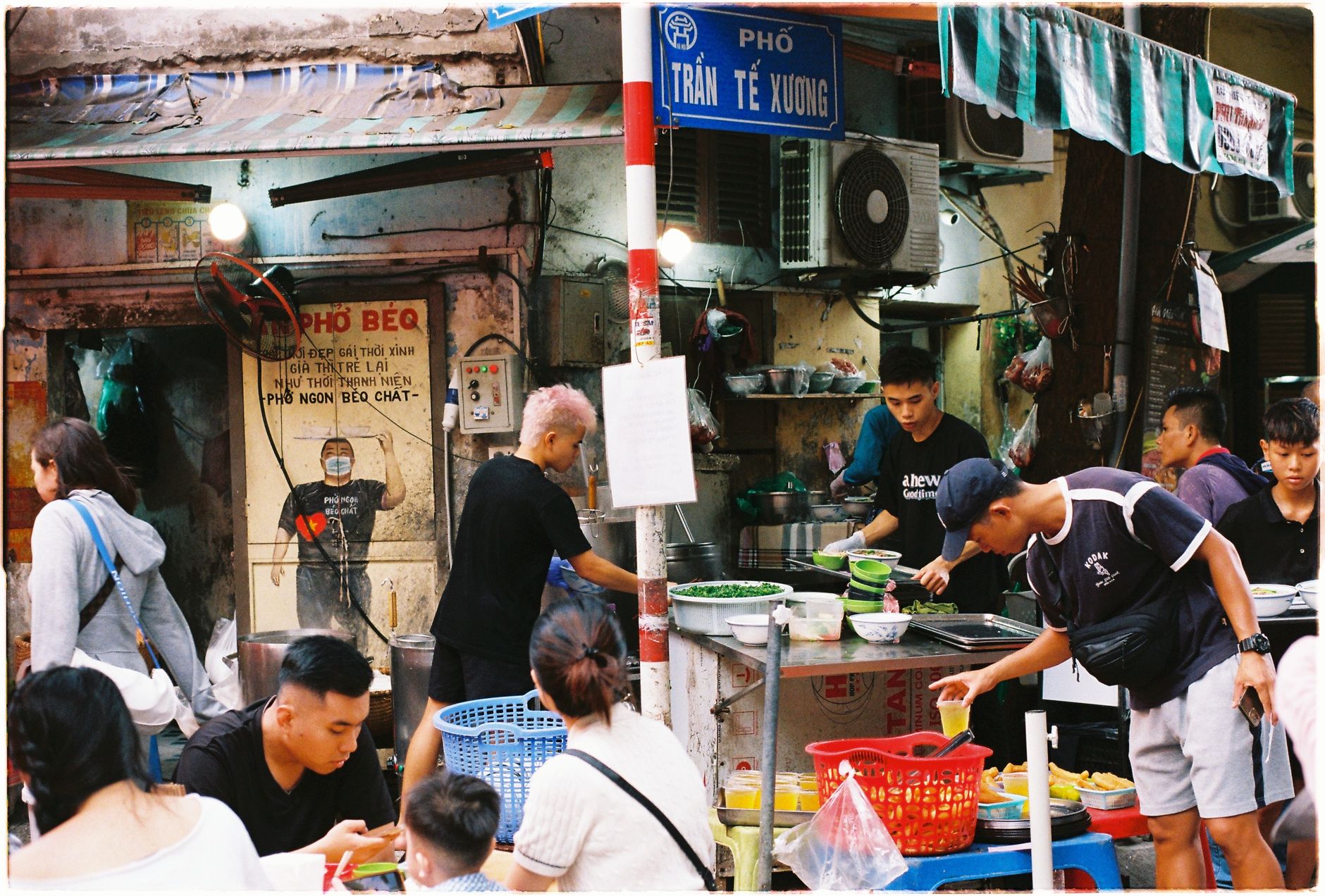
A half-day tour takes 3 hours, usually running 7–10 a.m. or 4–7 p.m. We start at a family kitchen or alley-side stall where breakfast or dinner prep is underway. You'll watch someone hand-roll fresh spring rolls or mix pho broth, then taste it hot. Next, we walk through a wet market—the smell and noise are part of the experience. Your guide points out unfamiliar vegetables, shows you how vendors grade ingredients, and picks up a snack (perhaps a grilled meat skewer or a sweet corn cake). We stop at three more vendors: a noodle soup specialist, a drink stall (maybe coconut or sugarcane juice), and a dessert maker. By hour three, you've eaten 5–6 dishes and seen how a single alley feeds a neighborhood all morning. Half-day tours suit people with limited time or lighter appetites.

What's included in a full-day street food experience?
Full-day tours (5–6 hours, 8 a.m.–2 p.m.) combine breakfast, a market walk, lunch, and a cooking element. We start early at a Vietnamese cooking class venue or a family kitchen, where you might help prep one dish—rolling rice paper, chopping herbs, or stirring a broth—before eating it. Then we visit a bustling wet market at its busiest hour (8–9 a.m.), where vendors shout prices and your guide translates. We taste a hot breakfast soup or congee at a stall where locals eat standing up. Mid-morning, we walk a laneway tour, stopping at a coffee stand, a fruit-juice maker, and a grilled-meat vendor. Lunch is a multi-course sit-down meal at a family restaurant, where you eat 3–4 dishes family-style. By the end, you've eaten 10–12 things, met vendors, learned cooking techniques, and felt the rhythm of a working food neighborhood. Full-day tours suit couples, small groups, and serious food explorers.
Does tour length depend on which city you choose?
Tour length is the same (3–5 hours) in Hanoi, Ho Chi Minh City, and Hoi An, but the feel and pacing differ. In Hanoi, narrow Old Quarter laneways mean walking is tight and slow; you'll cover less ground but feel more immersed. In Ho Chi Minh City street food tours, distances between stalls are larger; your guide may use a motorbike taxi between stops, so you eat more in the same time. In Hoi An, the Ancient Town's pedestrian zones make tours feel leisurely; you'll eat fewer dishes but in a more photogenic setting. Da Nang tours are compact—the food scene is less sprawling than Hanoi or Saigon, so a 3-hour tour feels complete. Choose your city based on energy level: Hanoi and Saigon are intense; Hoi An and Da Nang are relaxed. Your location choice shapes pace more than clock time.
How do kids, seniors, and mixed groups fit into these tour times?
We adapt tour length and intensity for mixed groups. For families with young kids (age 5–12), we shorten to 2.5–3 hours, pick stalls with familiar flavors (rice noodles, grilled meat), and include a sit-down lunch halfway through so kids can rest. Seniors or guests with mobility concerns get motorbike taxis between stops instead of walking; this adds comfort without changing duration. Mixed groups (couples, families, friends at different fitness levels) move at the slower person's pace—we never rush. We also skip very spicy vendors and loud markets if anyone feels overwhelmed. In groups, tour time stretches slightly (3.5 instead of 3 hours) because everyone eats at their own speed and asks questions. If someone has a food allergy or dietary restriction (vegetarian, gluten-free), we pre-alert vendors and adjust stops; this doesn't lengthen the tour. The key: honest communication on WhatsApp before booking helps us pace the day right.
What time of day should you choose, and why does it matter?
Morning tours (7–9 a.m. starts) catch street food at its peak: vendors are fresh, crowds are smaller, and heat is manageable. Breakfast foods (pho, congee, banh mi) taste best eaten when made. Evening tours (4–7 p.m.) focus on dinner stalls and have a different energy—fewer tourists, more locals. Midday tours (11 a.m.–2 p.m.) are rare because heat slows vendors and foot traffic; we don't recommend them unless it's your only option. Timing also depends on your goal: morning tours suit food-focused travelers; evening tours suit those who want fewer tourists and a neighborhood-feel dinner. In summer, morning starts are essential to avoid midday heat and food-safety concerns (unrefrigerated dishes sit longer). Our hosts use WhatsApp to confirm your start time one week before; we'll tell you exactly where to meet, what to wear (closed shoes, a small bag), and what to bring (cash, a light jacket for early mornings, sunscreen for midday arrival). Early arrival lets you ease into eating; you'll enjoy more stops without feeling rushed.
What's the real difference between 3 hours and 5 hours?
| Duration | Stops | Dishes | Pace | Best For |
|---|---|---|---|---|
| 3 hours (half-day) | 4–5 | 5–6 | Relaxed; 30 min per vendor | First-timers; tight schedules |
| 4 hours (extended) | 6–7 | 7–9 | Medium; 20–25 min per vendor | Small groups; moderate appetites |
| 5–6 hours (full-day) | 7–9 | 10–12 | Immersive; includes market + cooking | Foodies; couples; all-day explorers |
The main difference: a 3-hour tour hits highlight stalls and teaches you the basics. A 5-hour tour adds a wet market walk, a cooking demo, and deeper vendor conversations. You also taste more variety—breakfast, lunch, multiple drink stops, dessert. Neither is "better"; 3 hours teaches you what to eat; 5 hours teaches you why and how. For solo travelers or pairs on a budget, 3 hours is enough. For groups, families, or anyone wanting deep cultural immersion, 5 hours pays off.
How to pick the right tour length for you
Ask yourself: How much time do I have? If under 4 hours, choose half-day. If a full morning or afternoon free, full-day. How many new dishes do I want to try? Nervous eaters should do 3 hours (fewer surprises); adventurous eaters should do 5 hours. Am I traveling solo, as a couple, or in a group? Couples and groups enjoy longer tours because there's time to chat and linger; solo travelers often prefer 3 hours to avoid feeling rushed. Do I want a cooking lesson? If yes, book a full-day tour; cooking typically takes 45 minutes and isn't included in half-day tours. We offer group and corporate experiences with custom timing—if your team needs 2 hours or 6 hours, we'll adapt. What's the weather? In hot or rainy season, a 3-hour early-morning tour beats 5 hours of afternoon heat. If rain is forecast, we move indoors to a market-adjacent kitchen or covered stall—the tour still runs, but we skip the walking bits.
What to actually expect: hour by hour in a 4-hour tour
7:00–7:15 a.m.: Meet your host at a quiet alley entrance. Your guide briefs you on the morning (3 stops planned, flexibility for detours). You're introduced to the first vendor—someone who's been making one dish for 20 years. You watch the prep, then eat a steaming bowl while they explain the ingredients and history.
7:15–7:50 a.m.: Walk through a wet market at its busiest hour. Your guide points out unfamiliar herbs, shows you how to pick good produce, and might buy a snack to taste (a grilled corn cake, a sweet potato pastry). The market is loud and crowded; if it feels overwhelming, your guide can pause or find a quieter side entrance.
7:50–8:15 a.m.: Second stop—a coffee stall or noodle vendor. You sit on a low plastic stool, drink sweet condensed-milk coffee or eat a quick bowl, and chat with the vendor (your guide translates).
8:15–8:45 a.m.: Walk to a family kitchen or a larger market-side restaurant. You eat a sit-down meal with 2–3 dishes, drink water or fresh juice, and slow down. This is when you ask questions: "How is this made? Where do you source fish?" Your guide translates patiently.
8:45–9:00 a.m.: Final stop—a dessert vendor or a sweet soup stall. You taste something sweet (perhaps a coconut flan or a herbal cooling soup). By 9 a.m., you're full, your guide walks you back to your hotel or next destination, and the tour ends.
Reality check: this schedule is flexible. If a stop is crowded, we linger. If you're not hungry, we skip one dish. If you ask lots of questions, we extend that vendor's time. Rain? We pivot to indoor markets and covered stalls—same food, different route.
What to check before you book a street food tour
- Your appetite. If you eat small breakfasts, do a 3-hour tour. If you snack all day, do 5 hours. Eating too much too fast causes regret.
- Shoe comfort. Street food stops involve walking on uneven stone, wet markets, and cramped vendor areas. Wear closed, broken-in walking shoes.
- Allergies and restrictions. Email us on WhatsApp before booking with any allergies, vegetarian needs, or foods you dislike. We'll adjust stops and warn vendors.
- Weather and season. Summer heat + crowds = 3-hour morning tour. Rainy season = covered markets and kitchen-based stops. We'll confirm the final route one week before.
- Language comfort. All our tours are in English; your guide translates with vendors. You don't need Vietnamese; we'll help you order and navigate.
- Group size. Tours are 1–8 people. Smaller groups (2–4) move faster; larger groups (6–8) need a slower pace and might require two guides.
- Budget and payment. Street vendors take cash only. Your guide handles payments with you; no tipping is expected. Ask us for dates and a quote on WhatsApp so you know the total cost upfront.
Why does tour length matter more than you think
A 3-hour tour teaches you what exists. A 5-hour tour teaches you why it matters. When you have only 3 hours, your guide picks the most famous, must-try vendors; you get the highlights. When you have 5 hours, you visit quieter, family-run stalls that tourists miss, sit and chat with vendors, and absorb the eating culture, not just the food. Length also determines how full you get: 3 hours = appetizer-level fullness; 5 hours = lunch-level fullness. Neither is wrong. But if you fly to Vietnam for food and leave after a 3-hour tour, you'll wonder if you missed something. If you have time for 5 hours, you won't.
Learn more about our hands-on street food and market tours and experiences in Hanoi, Ho Chi Minh City, Hoi An, and Da Nang. Or combine food with cooking: try a Vietnamese cooking class that includes a market visit and prep-to-table meal.

FAQ
Can a street food tour be shorter than 3 hours?
Yes. Market-focused tours (1.5–2 hours) visit one wet market and one vendor; they suit travelers with minimal time or those doing food as an add-on. These tours show you what to eat but don't include as much tasting or vendor chat. For a full food experience, we recommend at least 3 hours.
Do I need to be hungry before a street food tour?
Yes. Skip breakfast (if doing a morning tour) or a light lunch (if doing an evening tour). Eat a normal dinner the night before. Come hungry enough to taste 5–6 dishes without feeling uncomfortably full. If you snack beforehand, you'll fill up fast and miss the later stops.
What happens if it rains during the tour?
We move indoors. Wet markets have covered sections; family kitchens and restaurant stalls are sheltered. The tour still happens—you just skip the walking parts and focus on vendor visits. We confirm the rain-day route one week before your booking.
Can I do a street food tour if I'm vegetarian?
Absolutely. We pre-alert vendors and design your route around vegetable stalls, tofu vendors, noodle shops with veggie options, and fruit-juice makers. You'll taste 5–6 vegetarian dishes. Mention this on WhatsApp when booking so we prepare stops ahead of time.
Is the tour included in a cooking class package?
No, but they pair well. Our Vietnamese cooking class includes a market visit (30 min) and then cooking one dish together. A street food tour is separate and covers more vendors and more tasting. Many guests do a cooking class on one day and a street food tour on another.
What's the best time of year for a street food tour?
October–April (cool and dry). Street food vendors are fresher, crowds are smaller, and heat is manageable. May–September is hot and humid; we recommend early-morning tours (7–8 a.m. start) to beat the heat. Rainy season (May–August) brings indoor market tours instead.
Ask about dates
Tell us the city, your dates and what you would like to try. We reply on WhatsApp in English with options and availability.
FAQ
Can a street food tour be shorter than 3 hours?
Yes. Market-focused tours (1.5–2 hours) visit one wet market and one vendor; they suit travelers with minimal time or those doing food as an add-on. These tours show you *what* to eat but don't include as much tasting or vendor chat. For a full food experience, we recommend at least 3 hours.
Do I need to be hungry before a street food tour?
Yes. Skip breakfast (if doing a morning tour) or a light lunch (if doing an evening tour). Eat a normal dinner the night before. Come hungry enough to taste 5–6 dishes without feeling uncomfortably full. If you snack beforehand, you'll fill up fast and miss the later stops.
What happens if it rains during the tour?
We move indoors. Wet markets have covered sections; family kitchens and restaurant stalls are sheltered. The tour still happens—you just skip the walking parts and focus on vendor visits. We confirm the rain-day route one week before your booking.
Can I do a street food tour if I'm vegetarian?
Absolutely. We pre-alert vendors and design your route around vegetable stalls, tofu vendors, noodle shops with veggie options, and fruit-juice makers. You'll taste 5–6 vegetarian dishes. Mention this on WhatsApp when booking so we prepare stops ahead of time.
Is the tour included in a cooking class package?
No, but they pair well. Our [Vietnamese cooking class](/cooking-class) includes a market visit (30 min) and then cooking one dish together. A street food tour is separate and covers more vendors and more tasting. Many guests do a cooking class on one day and a street food tour on another.
What's the best time of year for a street food tour?
October–April (cool and dry). Street food vendors are fresher, crowds are smaller, and heat is manageable. May–September is hot and humid; we recommend early-morning tours (7–8 a.m. start) to beat the heat. Rainy season (May–August) brings indoor market tours instead.
More like this
Street food and market tours
Best Street Food Tour in Sapa: What to Expect, How to Choose
Street food tours in Sapa connect you with hill-town cooks and night markets. We'll walk you through what these sessions offer, who they're for, and how to avoid common missteps.
Street food and market tours
Best Street Food Tour in Hue: What to Choose, Who It's For
A street food tour in Hue isn't one thing—it's a choice between styles, neighborhoods, and paces. We break down what actually happens on each type, and how to know which fits your group.
Street food and market tours
Best Food Walking Tour in Vietnam: Hanoi Street Food Guide
A food walking tour in Vietnam immerses you in bustling markets and street lanes where vendors have cooked the same dishes for decades. We show you what to taste, how to order, and the stories behind each bite.